
Introduction
Anyone can experience self-consciousness due to perioral mounds. Diet and exercise have no effect on those tiny, swollen regions surrounding the mouth.
Treatment options become evident once the causes of the perioral mound are identified.
This blog explains the causes of perioral mounds, remedies, and do-it-yourself natural remedies.
What Are Perioral Mounds?
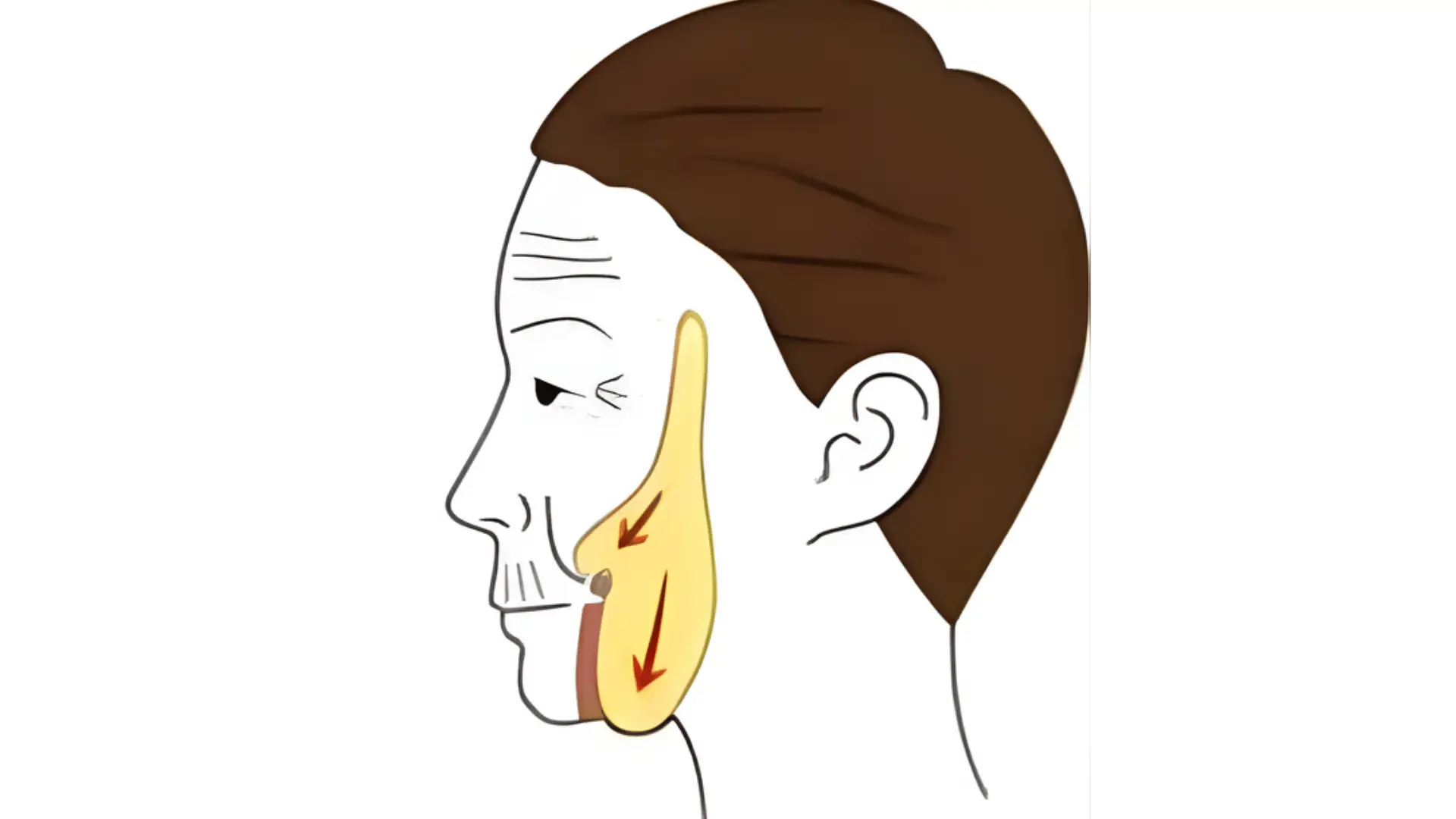
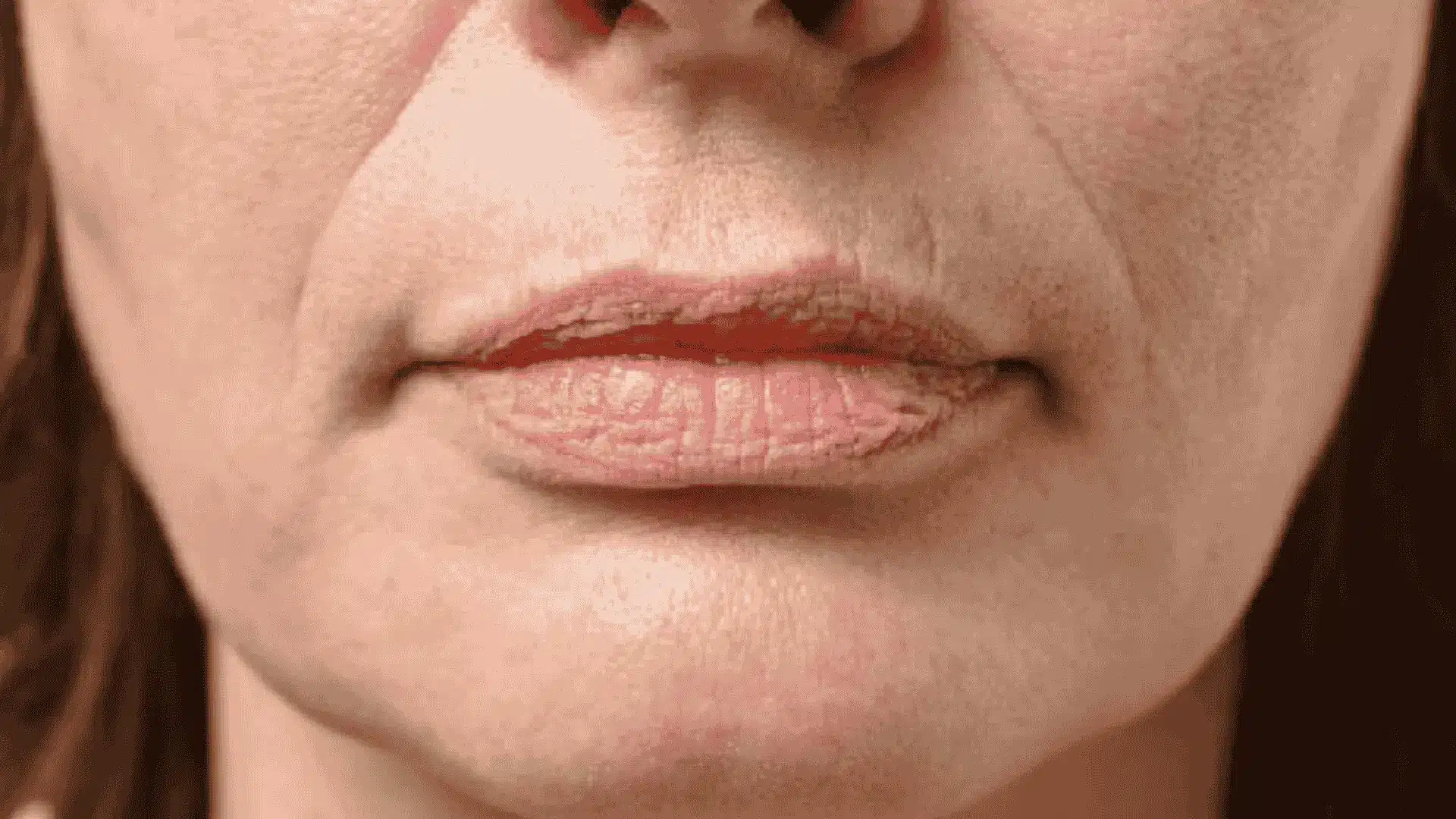
Small, soft fat pads called perioral mounds are located on the corners of the mouth.
Located just above the chin and below the cheeks, they are an inherent feature of the face.
Although they are present in everyone, some people have them more than others.
Although they are harmless, they can change the lower face’s appearance when they are more prominent.
What Leads to Perioral Mounds?
Perioral mounds are not spontaneous. How noticeable they become depends on a number of factors, including genetics and ageing.
1. Skin laxity and ageing
People’s skin begins to sag and lose its firmness as they get older. This increases the visibility of fat pockets surrounding the mouth. Here, collagen loss is a major factor.
2. The buildup of fat around the mouth
Over time, fat may accumulate in the perioral region.
The mouth appears rounder and puffier as a result. This is frequently influenced by lifestyle choices and diet.
3. Diminished Cheek Volume
The lower face may appear heavier in comparison when the cheeks lose volume. The perioral mounds become more prominent as a result of this change in facial balance.
4. Activity of the Facial Muscles
Over time, repetitive facial motions like talking or chewing can change the structure of muscles.
This could cause fat deposits to move forward, giving the mouth area a more noticeable appearance.
5. Facial Structure and Genetics
Some people simply have a facial structure that stores more fat around the mouth from birth. Genetics may be the cause of perioral mounds in close relatives.
6. Variations in Weight
Rapid weight gain or loss can change the distribution of fat on the face.
This frequently results in fat accumulating around the mouth, increasing the visibility of perioral mounds.
Can You Get Rid of Perioral Mounds Naturally?
You might want to try natural methods before considering treatment.
While natural approaches cannot remove the fat pads that cause perioral mounds, they can improve the overall skin quality of the lower face over time.
Facial Exercises
Targeted facial exercises can tone the muscles around the mouth. Doing them regularly may help firm up the area slightly.
Results are subtle but worth trying alongside other methods
Skincare for Skin Tightening
Skincare products with retinol, peptides, or vitamin C can help improve skin firmness.
They won’t remove fat, but they can make the skin look tighter and healthier
Lifestyle Changes
Small daily habits can go a long way in managing how perioral mounds look.
- Weight Management: Maintaining a stable weight helps prevent excess fat from settling around the mouth.
- Hydration: Drinking enough water keeps skin plump and firm, which can reduce the appearance of perioral mounds.
- Collagen Support: Eating collagen-rich foods or taking supplements may help improve skin elasticity around the mouth over time
Limitations of Natural Methods
Natural methods have their limits. The following is what you should keep in mind:
- Facial exercises tone muscles, but cannot remove fat pads.
- Skincare products improve texture but don’t change the fat structure.
- Weight loss won’t always target perioral mounds specifically.
- Collagen habits slow ageing but won’t fully reverse skin laxity.
- Results are subtle and take time
Non-Surgical Treatments for Perioral Mounds
Several non-surgical treatments can visibly improve the appearance of perioral mounds.
These options are less invasive, require little to no downtime, and deliver noticeable results for many people.
1. Dermal Fillers
Dermal fillers will not remove perioral mounds; they camouflage them.
An injectable filler is used in the surrounding areas to create a smoother, more balanced look.
Results typically last six to eighteen months before a touch-up is needed.
2. Botox
Botox works by relaxing the muscles around the mouth. When those muscles soften, the skin above them smooths out slightly.
It won’t reduce perioral mounds, but it can bring small, noticeable improvements, especially when combined with other treatments for a more complete result.
3. Radiofrequency Skin Tightening
Radiofrequency treatments use heat energy to tighten skin and stimulate collagen production.
- FaceTite: A minimally invasive device that delivers radiofrequency energy beneath the skin. It tightens the lower face effectively with minimal downtime.
- AccuTite: A smaller, more precise version of FaceTite. It targets specific areas, such as the corners of the mouth, without requiring surgery.
- Morpheus8: Combines radiofrequency energy with microneedling to remodel fat and tighten tissue. Most people see visible improvement after just a few sessions
Surgical Treatments for Perioral Mounds
For people with more prominent perioral mounds, surgical treatments offer longer-lasting and more significant results.
Perioral Liposuction
Perioral liposuction removes excess fat from the area around the mouth. A thin tube called a cannula permanently sucks the fat out.
Unlike non-surgical options, the results don’t wear off, making it a strong choice for those wanting a lasting change.
Buccal Fat Procedures
Buccal fat removal targets the fat pads inside the cheeks. It’s best suited to people with naturally fuller, rounder faces.
However, it’s not for everyone; those already experiencing facial volume loss may look gaunt if this procedure is performed incorrectly or too early.
Lower Facelift
A lower facelift is typically recommended for severe cases. It addresses both excess fat and loose, sagging skin around the mouth and jaw.
It’s a more involved procedure but delivers the most improvement, especially for older patients dealing with significant skin laxity.
Best Treatment Based on the Cause
The right treatment really depends on what’s causing the issue in the first place.
|
Cause |
Best Treatment |
|---|---|
|
Fat Pockets |
Liposuction |
|
Skin Laxity |
Radiofrequency Tightening |
|
Volume Loss |
Dermal Fillers |
Risks and Side Effects
Every treatment comes with some level of risk.
- Swelling: Temporary swelling is common after most treatments and usually settles within days.
- Bruising: Some bruising around the treated area is normal and fades on its own.
- Uneven Contour: Poor technique can leave the area looking irregular or asymmetrical.
- Nerve Risks: Surgical procedures carry a small risk of temporary or permanent changes in nerve sensitivity.
Before and After Results: What to Expect
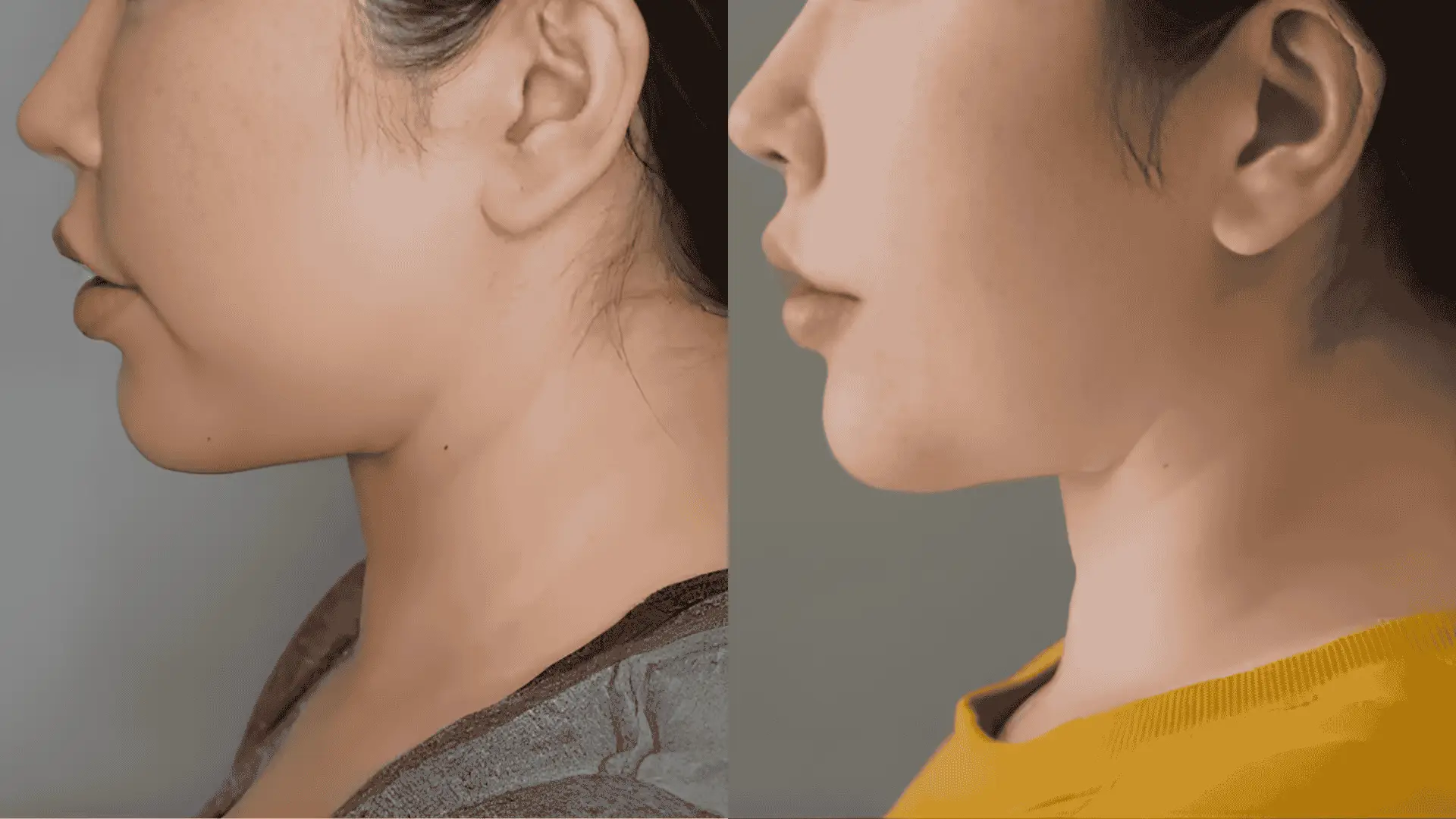
Recovery time varies depending on the treatment chosen.
Non-surgical options like fillers have little to no downtime. Surgical procedures may need one to two weeks of rest.
Fillers show changes within days, while fat-dissolving treatments take a few weeks. Surgical results become fully visible after swelling settles.
Most treatments improve the appearance of perioral mounds but won’t create a perfect outcome.
Consulting a professional helps set the right goals beforehand.
When to See a Cosmetic Specialist?
If natural methods have been tried for months with little to no results, then it may be time to consult a professional.
Persistent fullness, significant skin sagging, or noticeable asymmetry around the mouth are clear signs that expert help is needed.
Choosing a qualified, board-certified practitioner matters more than most people realise
An experienced specialist properly assesses the underlying cause and recommends the safest, most suitable treatment, reducing the risk of poor outcomes or complications.
Conclusion
Perioral mounds can stem from ageing, genetics, fat accumulation, or volume loss, and each cause calls for a different approach.
Natural methods can help in mild cases, but for more stubborn concerns, non-surgical or surgical treatments give better results.
Consult a qualified specialist who can properly assess the situation.