
When you first choose to convert a personal picture into a paint by numbers, excitement builds quickly. You envision each brushstroke bringing your favorite memory, pet, or family portrait to life.
But then the big question arises: what size should you pick?
Choose something too small and the details are squashed. Go too big, and the project can feel overwhelming. The ideal size canvas matters more than some people realize, as it can impact detail, clarity and the overall painting experience.
The challenge is that certain images suit different canvas sizes, and there is no one-size-fits-all solution. The close-up headshot has different requirements from the standard landscape or group shot. Similarly, how skilled you are and how much space you have on your wall are as important as the photo itself.
In this post, we will cover eight pro tips so you can select the perfect size for your custom paint by number.
1. Match the Size to Your Photo’s Detail
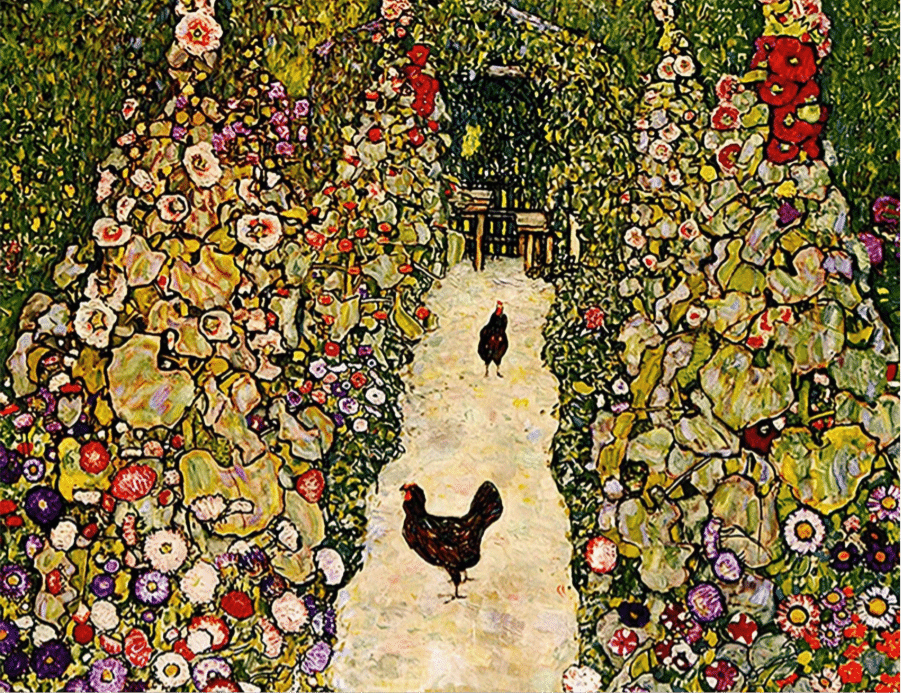
When you’re creating a custom paint by number, the detail level in your photo determines which size you should choose. The more complex the picture, the bigger the canvas you require.
With smaller canvases, there is less space on which to create fine lines, and features can run together. For instance, group photos featuring more than one face generally look best on larger canvases so that every individual’s face is visible. On the other hand, a pet or flower close-up can look beautiful on a medium canvas.
Think about how much detail you want to capture before making your decision.
2. Consider the Subject’s Proximity
If your subject takes up the majority of the frame, you have more control over size.
A close-up of a smiling child or a pet’s face can work on smaller canvases without losing impact. However, subjects that are far away or wide-angle shots require some additional room to add depth.
Landscapes, cityscapes, or large group portraits need a larger size, so essential details don’t get lost between tiny, numbered sections.
3. Think About Display Space
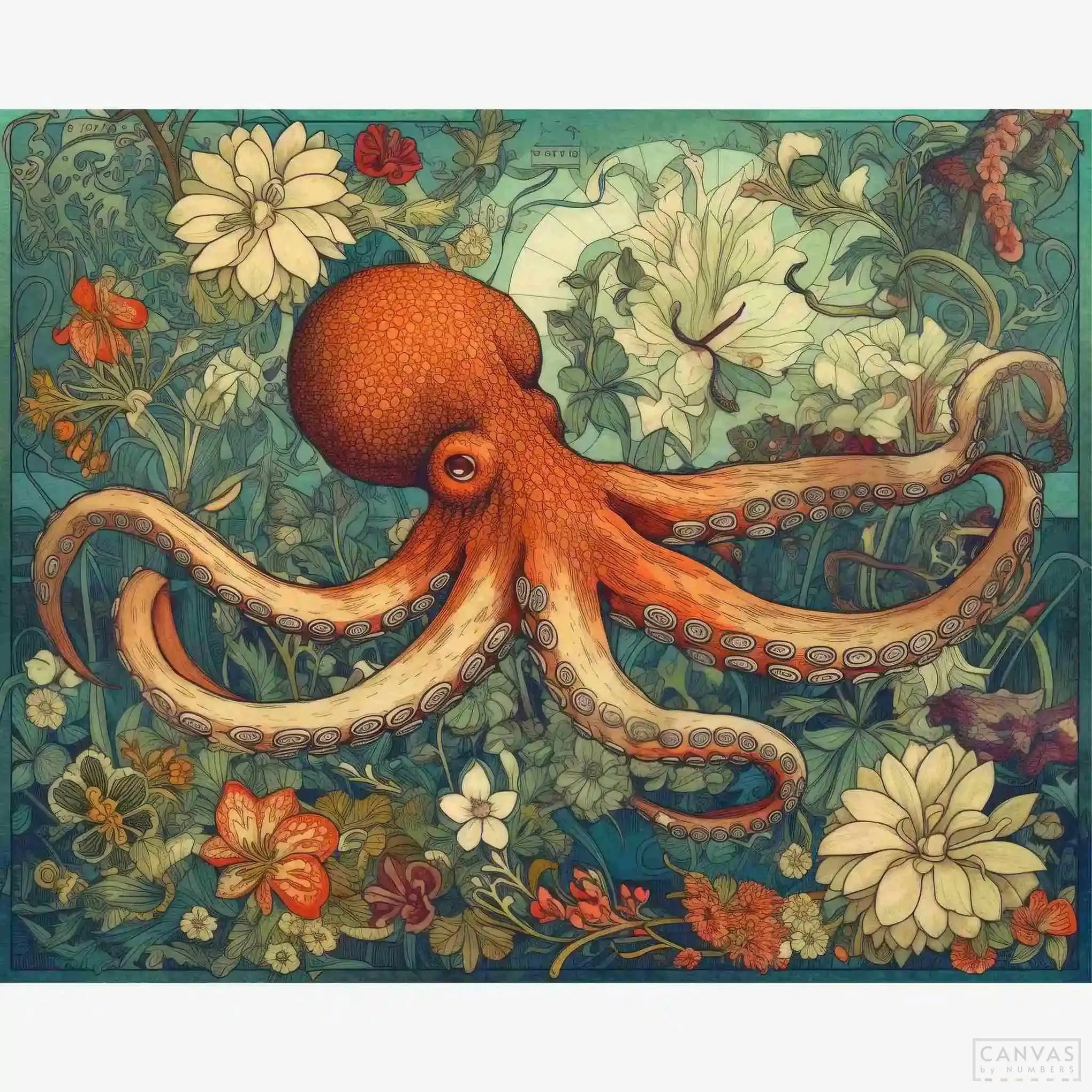
Before you order, consider where you’ll hang the painting.
A 24×30-inch canvas exudes a bold statement when hanging over a sofa, but it could overpower a narrower hallway. Conversely, an 8×10-inch piece could look swallowed on a large wall.
Selecting a canvas that is the right size for your wall space enhances the overall visual impact of the resulting displays. Measure the wall size and imagine how the painting will look once it is ready.
4. Align Size With Your Experience Level
Painting by numbers can be therapeutic, but smaller sections on a larger canvas require patience.
If you’re just starting out, a medium size, like 16×20 inches, provides a good balance between detail and manageability. Experienced painters may love the challenge of larger canvases, which provide more area for precision.
Consider your comfort zone and let that determine how much time you’re willing to put in before taking a big leap.
5. Balance Time Commitment and Enjoyment
Bigger canvases typically take longer to finish. Though that translates to more hours of creativity, it can be daunting if your schedule is tight.
For a faster, more gratifying finish, stick to a medium size. If you’re interested in a longer-term project, one that spans weeks or months, a larger canvas is best.
The right size should match the amount of time you’re willing to commit without making it a chore.
6. Pay Attention to Aspect Ratio
Choosing the right size isn’t only about inches—it’s about proportions.
A square canvas works well for symmetrical photos, like a centered pet portrait. A rectangular canvas fits wide shots like sunsets or panoramic views. Always check the aspect ratio of your photo and select a canvas size that matches.
Stretching an image to fit the wrong shape may distort important details, so this step is critical for accuracy.
7. Consider the Painting’s Purpose
Think about why you’re creating this custom piece. If it’s meant as a gift, the recipient’s space and preferences matter. For example, a small desk-sized canvas may be perfect for a personal keepsake, while a larger framed piece could be an ideal centerpiece in someone’s living room.
When the painting is for your own collection, ask yourself whether it will be a subtle accent or a statement piece.
8. Factor in Framing and Finishing
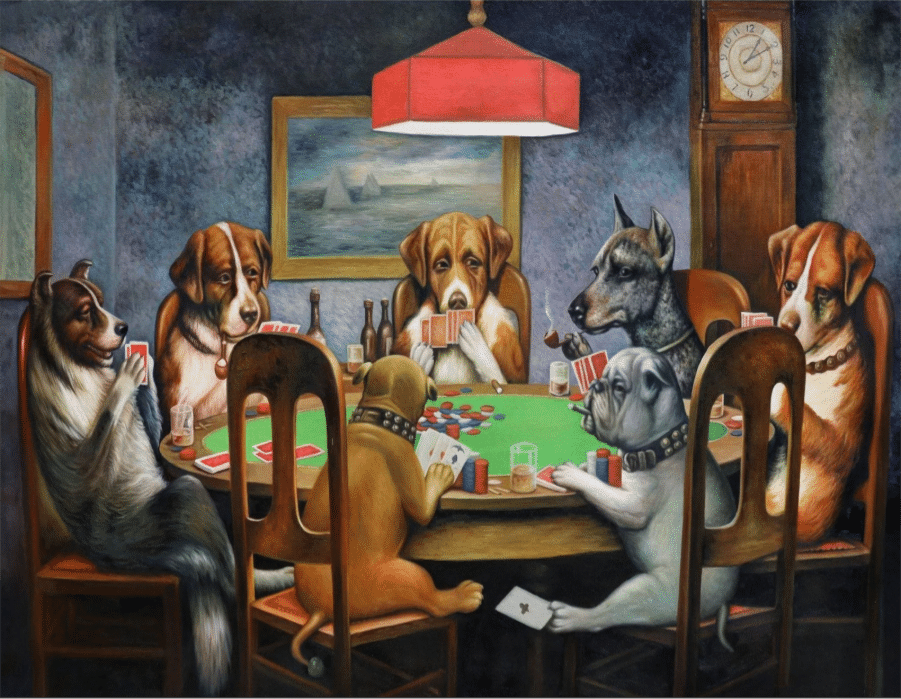
Framing adds size to the final artwork, which is often overlooked.
A 20×24-inch canvas can look significantly larger once framed. If you plan to frame your piece, choose a canvas size that allows extra room on the wall. Additionally, some kits come pre-stretched on frames, while others arrive as rolled canvases.
Think about how you’ll finish and display the piece, as this influences the best size to start with.
Choosing the Perfect Size
Selecting the right size for your custom paint by number is about more than preference—it’s about balance. You want your photo’s details to shine, your skill level to match the challenge, and your display space to complement the final artwork.
By considering detail, subject proximity, wall space, experience level, time commitment, aspect ratio, purpose, and framing, you’ll confidently choose a canvas that fits both your image and your lifestyle.
With the right size, every brushstroke feels meaningful, and your finished painting becomes a piece you’ll cherish for years.