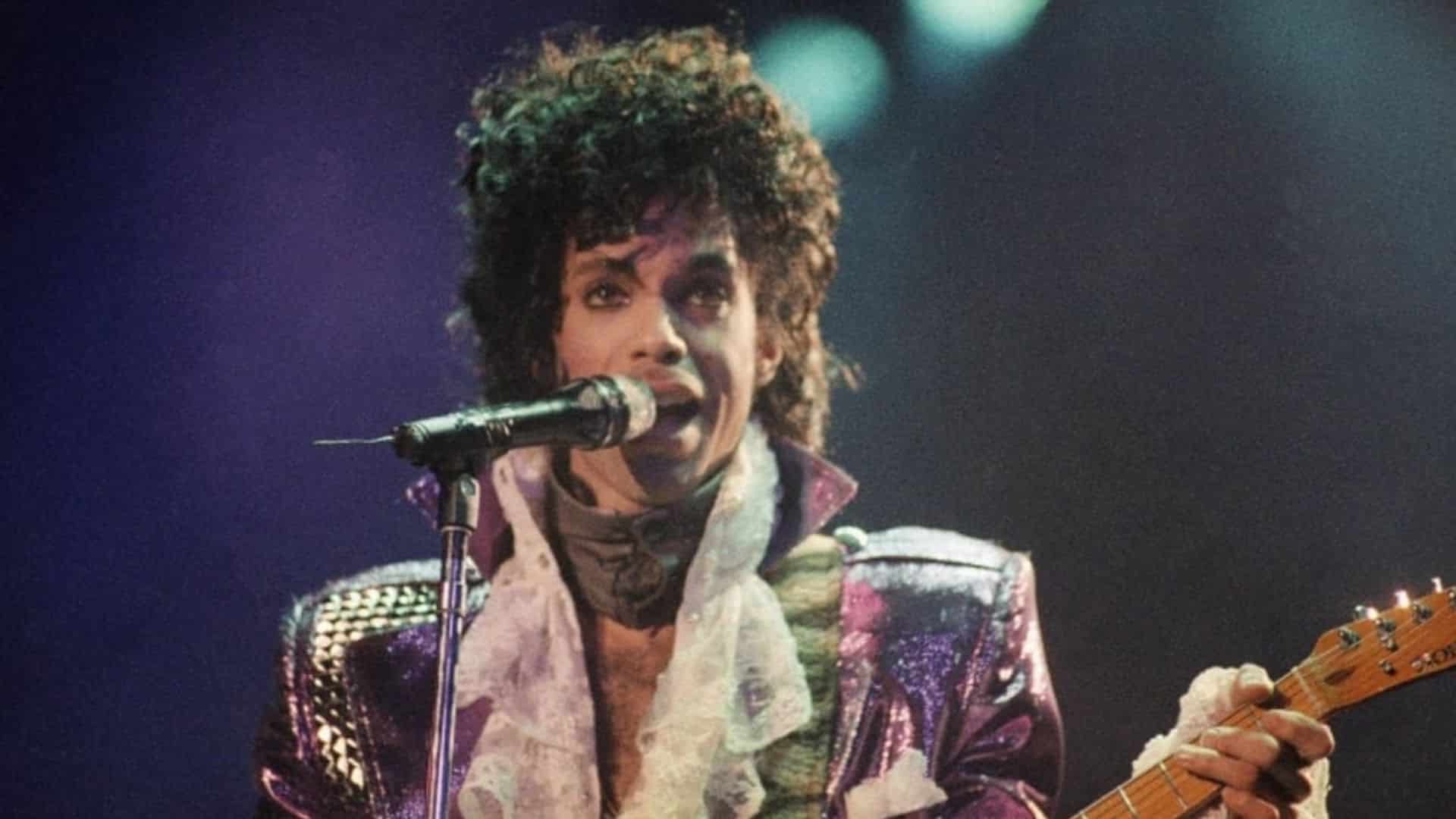
On April 21, 2016, the world woke up to news that stopped everything. Prince Rogers Nelson, the man who bent genres, broke records, and performed with a ferocity few artists have ever matched, was dead at 57.
Prince’s death remains one of the most shocking losses in music history, not the result of a long illness or an accident on stage. It was quiet, private, and deeply tied to a pain he had carried for years without the world ever knowing.
What unfolded inside Paisley Park that morning was both shocking and heartbreaking.
The events of that morning, the facts that came out of a two-year investigation, and the reason his passing left a mark that goes far beyond the music.
How Did Prince Die?
On the morning of April 21, 2016, staff at Paisley Park, Prince’s home and recording studio in Chanhassen, Minnesota, found him unresponsive inside an elevator.
Emergency units rushed to the scene, but there was nothing to be done. He was 57 years old. The Midwest Medical Examiner’s Office confirmed the cause was accidental fentanyl toxicity.
Prince had taken what he believed were Vicodin pills to manage chronic pain. Those pills were counterfeit, laced with fentanyl, a synthetic opioid so potent that even a minor miscalculation in dosage can be fatal.
He had no prescription for fentanyl in his name and, according to investigators, no knowledge that he was consuming it.
Facts From the Autopsy
The toxicology report painted a stark picture. Fentanyl was present in Prince’s blood at 67.8 micrograms per liter, well beyond the 3 to 58 microgram range at which deaths have been recorded.
The Prince’s cause of death was formally listed as accidental fentanyl toxicity, self-administered. A two-year multi-agency investigation concluded in April 2018 without any criminal charges being filed.
| Detail | Information |
|---|---|
| Date of Death | April 21, 2016 |
| Age at Time of Death | 57 |
| Location | Paisley Park, Chanhassen, Minnesota |
| Official Cause | Accidental fentanyl toxicity |
| Fentanyl Blood Level | 67.8 micrograms per liter |
| Criminal Charges | None filed |
Carver County Attorney Mark Metz confirmed Prince had no idea the pills he was taking were counterfeit or that they contained fentanyl.
The Counterfeit Pill That Contributed to Prince’s Death
Prince had been quietly fighting chronic pain long before April 21. Years of physically punishing performances, deep splits, jumping off piano risers, and performing for hours in high heels had taken a serious toll on his hips and ankles.
After hip surgery in 2010, he reportedly became dependent on Percocet. By 2016, his physician, Dr. Michael Schulenberg, was treating him for opioid withdrawal, anemia, and fatigue.
A Bayer bottle near his nightstand held close to 100 tablets stamped “Watson 853,” the standard marking of a hydrocodone pill. Many tested positive for fentanyl.
Fentanyl is 50 to 100 times more potent than morphine. A tablet identical in appearance to a standard painkiller can carry enough fentanyl to be fatal to anyone without an exceptionally high opioid tolerance built over time.
A Week of Warning Signs Before Everything Ended
The seven days before his death carried unmistakable signs that something was critically wrong.
On April 15, his private jet made an unscheduled emergency landing in Moline, Illinois, just hours after a performance in Atlanta.
He was given naloxone, a medication used to reverse opioid overdoses.
Those around him scrambled to arrange addiction specialists. An appointment was confirmed for April 20 with a California-based addiction medicine doctor. Prince never made it to that meeting.
- Early April 2016: Began treatment with Dr. Schulenberg for opioid withdrawal, anemia, and fatigue
- April 15, 2016: Private jet diverted; Prince treated with naloxone for a suspected overdose
- April 20, 2016: Addiction specialist flown in; appointment scheduled for the following day
- April 21, 2016: Found unresponsive in an elevator at Paisley Park
The Investigation and Its Limits
Despite two years of work across multiple law enforcement agencies, investigators could never confirm where the counterfeit pills came from or who supplied them.
Dr. Schulenberg was found to have written an opioid prescription under another patient’s name and paid a civil settlement as a result.
Bodyguard Kirk Johnson, one of the few people with unrestricted access to Paisley Park, was also central to the probe.
No sinister motive was established, and the source of the pills that killed Prince was never officially identified.
The People Around Prince and What They Knew
Prince was rarely alone. He had a close inner circle: a physician, a longtime bodyguard, and friends who had been with him for decades.
Dr. Michael Schulenberg had been treating him for only two weeks before his death, managing opioid withdrawal, anemia, and fatigue.
Bodyguard Kirk Johnson, who had been with Prince since the 1980s, was one of the few people with unrestricted access to Paisley Park and was a central figure in the investigation.
Sheila E., his former fiancée and longtime collaborator, told reporters he had been in physical pain for years but refused to show it publicly. Those around him knew something was wrong.
What none of them knew was how close to the edge he already was.
A Circle That Could Not Stop What Was Coming
Text messages retrieved during the investigation showed Kirk Johnson reaching out to Dr. Schulenberg just days before Prince died, asking him to call about Prince needing fluids.
Surveillance footage captured Prince, visibly gaunt, walking into a doctor’s office with Johnson hours before his death. The people closest to him were trying to help.
But the counterfeit nature of the pills meant that even those aware of his opioid dependence had no way of knowing the specific danger sitting inside those bottles at Paisley Park.
The Legacy He Left Behind
Prince sold over 100 million records across a career spanning nearly four decades. He released 39 studio albums, won seven Grammy Awards, and took home an Academy Award for Purple Rain.
His catalog moved across genres with complete authority; funk, rock, R&B, pop, and soul were never separate categories in his hands.
In the days after his death, 4.41 million albums and songs were sold in a single week, with five of his albums sitting simultaneously in the Billboard 200’s top ten, a first in chart history.
Cities lit landmarks purple. Saturday Night Live aired a full tribute episode. Bruno Mars and Morris Day performed in his honor at the 59th Grammy Awards.
A Voice That Belonged to No Single Genre
Prince wrote, produced, and played nearly every instrument on his records, maintaining creative control at a time the music industry rarely allowed it.
His 1984 film and album Purple Rain remain one of the most celebrated works in popular music history.
Beyond commercial achievements, he spent years advocating for artists’ rights over their masters, a fight that shaped how a generation of musicians approached ownership and creative independence.
That influence outlived every chart position he ever held.
Conclusion
The story of Prince’s death left a void in music that has never been filled. He was a performer, a composer, and an advocate who operated entirely on his own terms for nearly four decades.
In 2016, fentanyl was responsible for a third of all opioid overdose deaths in the United States.
His story gave that statistic a name, a face, and a legacy powerful enough to make people pay attention.
Asking how Prince died means confronting an uncomfortable truth that the Prince’s cause of death was a systemic failure dressed up as a single tragic event.
Counterfeit pills laced with fentanyl were not unique to his home or his situation.
Frequently Asked Questions
Where Was Prince Found When He Died?
Prince was found unresponsive inside an elevator at Paisley Park, his home and recording studio in Chanhassen, Minnesota. Staff discovered him on the morning of April 21, 2016.
What Were the Warning Signs Before Prince’s Death?
On April 15, 2016, his private jet made an emergency landing in Moline, Illinois, where he was treated with naloxone for a suspected overdose.
What Was Prince’s Fentanyl Level at the Time of Death?
His blood fentanyl level was recorded at 67.8 micrograms per liter, far above the 3 to 58 microgram range at which fatalities have been documented.