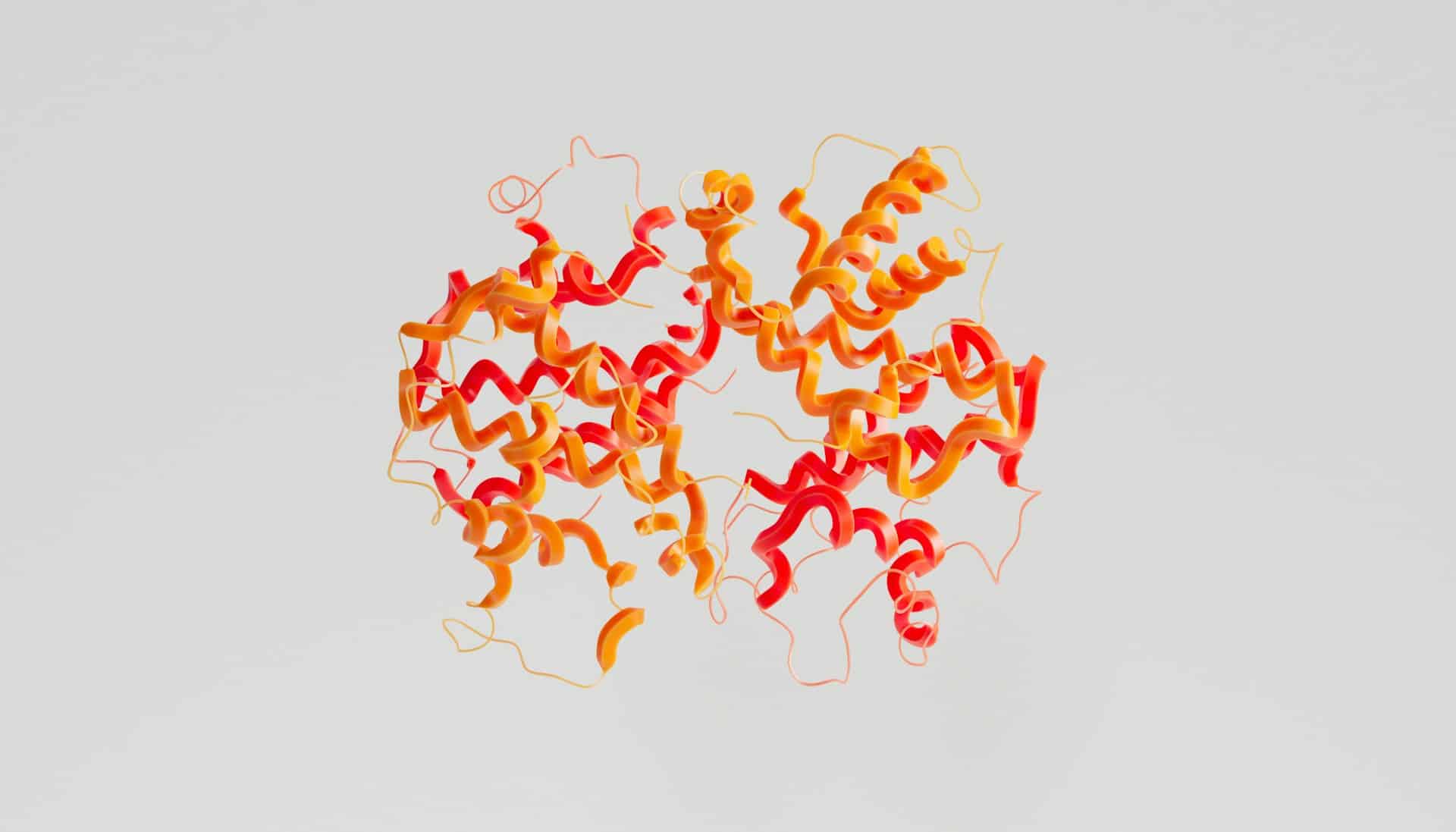

Chonluten, also referred to as the T-34 tripeptide or EDG tripeptide, is a synthetic short peptide composed of glycine, glutamine (or glutamic acid—sources vary), and aspartic acid. The peptide is believed to act as a bioregulator of gene expression, with organ-specific implications, notably within pulmonary tissue, and to a lesser extent, the gastrointestinal tract.
Structural Identity and Molecular Profile
At the molecular level, Chonluten is characterized by the formula C₁₁H₁₇N₃O₈ and carries a molecular mass of around 319.27 g/mol. Its identifiers include CAS No. 75007-24-8 and PubChem CID 194641. As a diminutive tripeptide, it is thought to exhibit favorable permeability across cellular compartments, potentially reaching nuclear DNA interfaces.
Mechanistic Underpinnings: Gene Regulation Through Peptidergic Engagement
Emerging literature suggests that short peptides like Chonluten might regulate gene expression by penetrating cell and nuclear membranes, binding to promoter or suppressor regions of DNA, and modulating transcriptional control. Investigators theorize that Chonluten may engage regulatory cascades that support gene networks related to oxidative balance, inflammatory signaling, and cellular proliferation.
Pulmonary Tissue: Mucosal Normalization and Molecular Signaling
Chonluten’s most pronounced organ-specific activity appears to concentrate in lung tissue. Investigations suggest that the peptide may normalize bronchial mucosal function, possibly through modulation of gene networks governing inflammation and antioxidant responses.
Specifically, Chonluten seems to support genes such as c-Fos, HSP70 (heat-shock protein), SOD (superoxide dismutase), COX-2, TNF-alpha, and others related to oxidative stress and proliferative regulation. Studies suggest that the peptide might modulate c-Fos activity—potentially averting hyperplasia or mucosal hypertrophy in airway epithelium through nuanced transcriptional balancing.
Other research indicates that Chonluten may support STAT1 phosphorylation and possibly suppress STAT3 activity, both of which may be associated with immune and inflammatory signaling in pulmonary immune cells like macrophages. Research indicates that the peptide may also support the production of pro-inflammatory mediators such as IL-6, TNF-α, and IL-17, as well as leukocyte adhesion dynamics—suggesting a multifaceted regulatory potential in airway immunobiology.
Gastrointestinal Tissue: Parallels in Regulatory Activity
Though secondary to pulmonary action, Chonluten’s presence in the gastrointestinal (GI) tract has been highlighted. Research suggests that it may support gene pathways associated with antioxidant defense—specifically superoxide dismutase—and potentially support epithelial cell proliferation and mucosal integrity under oxidative challenges.
Oxidative Stress, Hypoxia, and Aerobic Resilience
Preliminary models suggest that Chonluten might support cellular resilience under oxidative or hypoxic stress. Investigators propose that Chonluten-derived signals may promote adaptation in mesenchymal or epithelial cells exposed to oxygen deficiency, potentially through senescence-regulatory pathways or antioxidant gene networks.
Regenerative Horizons: Tissue Repair and Epithelium Recovery
Chonluten’s activity may extend to models of tissue regeneration. In the pulmonary context, it seems to support repair of the bronchial epithelium damaged under inflammatory conditions, enabling recovery of structural integrity and mucosal function. This speculative regenerative engagement opens the door to research into airway cell aging, chronic mucosal injury, and epithelial renewal.
Immunomodulatory Dimensions
Beyond transcriptional modulation, Chonluten appears to support immune cell behavior. It has been hypothesized to guide cytokine milieu by adjusting IL-6, TNF-α, and IL-17 balance; may interfere with adhesion between immune cells and endothelial layers; and may subtly recalibrate local immune surveillance within lung microenvironments.
Origins and Research Lineage
The conceptual and experimental grounding for Chonluten largely stems from work spearheaded by Dr. Vladimir Khavinson and colleagues at the St. Petersburg Institute of Bioregulation and Gerontology. Their work has fostered the broader class of cytogenetic short peptides as potential modulators of gene expression, cellular aging-related decline, and inflammatory pathways. Khavinson’s research suggests that peptides like Chonluten may interact directly with DNA regulatory regions, steering gene networks tied to cellular aging, apoptosis, and proliferation.
Research Domains and Experimental Landscape
Based on current knowledge, several investigative domains may find Chonluten of interest:
Pulmonary Epithelium Research
Models of bronchial injury or chronic airway irritation may leverage Chonluten to examine mucosal gene expression shifts, epithelial cell regeneration, and matrix remodeling under inflammatory challenge.
Oxidative Stress and Antioxidant Pathways
Cell culture models focusing on oxidative insults may explore whether Chonluten modulates transcription of antioxidant enzymes such as SOD, catalase, or glutathione peroxidase, under hypoxic or inflammatory conditions.
Immune Signaling and Cytokine Research
Immune cell systems activated (e.g., by LPS) might be relevant to probes into Chonluten’s potential in adjusting cytokine release patterns, STAT phosphorylation dynamics, and leukocyte-endothelial interactions.
Regenerative Biology and Cellular Aging Models
Study of aging epithelial or mesenchymal cell cultures may serve to investigate Chonluten’s support for senescence markers, proliferation indices, and repair mechanisms.
Comparative GI Mucosa Models
Epithelial cell lines derived from gastric or intestinal tissues may help assess whether Chonluten’s regulatory potential applies across mucosal types, and whether antioxidant gene regulation is conserved.
Mechanistic Epigenetics and DNA Binding
Biophysical or genomic assays—including chromatin immunoprecipitation (ChIP) or peptide–promoter interaction analysis—may test whether Chonluten physically associates with DNA promoter regions, modulating transcriptional activity in a sequence-specific manner.
High-throughput Transcriptomics
RNA-seq in Chonluten-exposed cultured tissues might elucidate broader gene network modulation, potentially revealing unsuspected pathways beyond inflammation and oxidative balance.
Concluding Speculative Outlook
Chonluten emerges as a brief yet potentially potent peptide whisperer of gene networks, particularly within pulmonary microenvironments, with echoes in gastrointestinal tissue, oxidative stress adaptation, immune modulation, and regenerative biology. Investigations suggest that this tripeptide might gently recalibrate transcriptional equilibria, perhaps by docking at regulatory DNA loci or supporting intracellular kinases. While data remains preliminary and mechanistic details speculative, Chonluten may occupy an intriguing niche at the intersection of peptide bioregulation, mucosal integrity, and cellular resilience. Check this article for more useful peptide data.
References
[i] Khavinson, V. Kh., Lin’kova, N. S., & Tarnovskaya, S. I. (2016).
Short peptides regulate gene expression. Bulletin of Experimental Biology and Medicine, 162(2), 288–292. https://doi.org/10.1007/s10517-016-3596-7
[ii] Khavinson, V. Kh., Lin’kova, N. S., & Tarnovskaya, S. I. (2016).
Short peptides regulate gene expression, protein synthesis and enhance life span. Bulletin of Experimental Biology and Medicine, 162(8), 259–264. (Translated version of the Russian original)
[iii] Avolio, F., Martinotti, S., Khavinson, V. K., Esposito, J. E., Marino, A., Mironova, E., … Toniato, E. (2022). Peptides regulating proliferative activity and inflammatory pathways in the monocyte/macrophage THP-1 cell line. International Journal of Molecular Sciences, 23(7), 3607. https://doi.org/10.3390/ijms23073607
[iv] Janssens, Y., Wynendaele, E., Vanden Berghe, W., & De Spiegeleer, B. (2019).
Peptides as epigenetic modulators: Therapeutic implications. Clinical Epigenetics, 11(1), 101. https://doi.org/10.1186/s13148-019-0700-7
[v] Khavinson, V. Kh., & Popovich, I. G. (2012). Peptidergic regulation of expression of genes encoding antioxidant and anti-inflammatory proteins. Bulletin of Experimental Biology and Medicine, 152(5), 615–618. https://doi.org/10.1007/s10517-012-1590-2