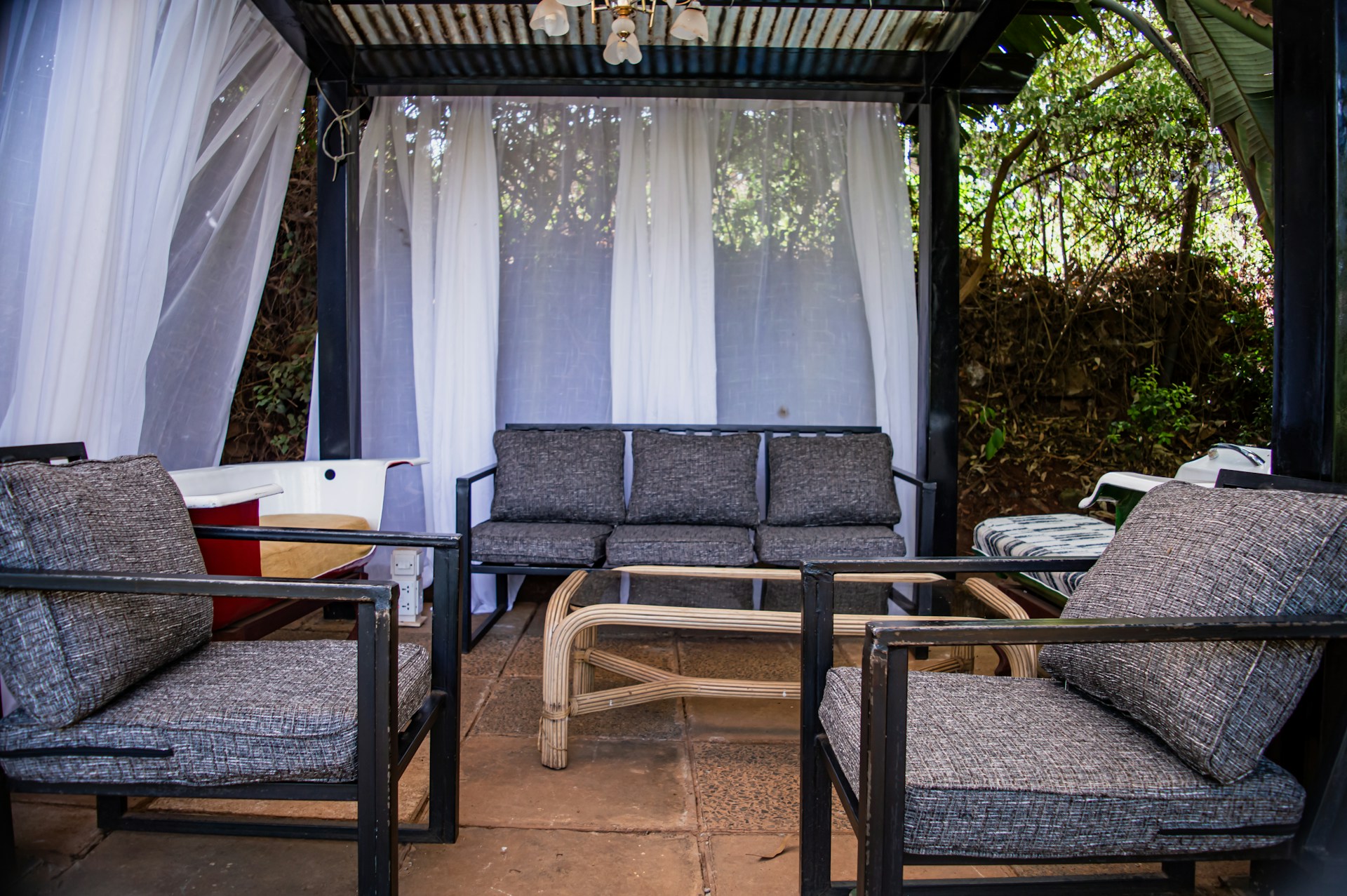

Celebrity outdoor spaces always look effortless in photos. An infinity pool at golden hour, a perfectly graded lawn, a deck that flows straight into an outdoor kitchen. Everything feels polished, intentional, and magazine-ready.
What those listing photos never show is that roughly 80% of the work happens underground or inside the structure. The visible finishes (composite decking, porcelain pavers, designer furniture) usually account for only about 20% of the total investment on a serious build.
The real difference between a $50K backyard and a $500K outdoor living space is almost never the tile or the furniture. Construction teams like Deck Guardian in New Jersey and Pennsylvania spend weeks engineering foundations, drainage systems, and structural framing that nobody ever photographs.
Those invisible decisions determine whether an outdoor space lasts five seasons or twenty-five. This article breaks down that hidden engineering into practical insights for homeowners planning a serious deck, porch, or patio project in the Mid-Atlantic region.
What Sits Beneath a Luxury Outdoor Space
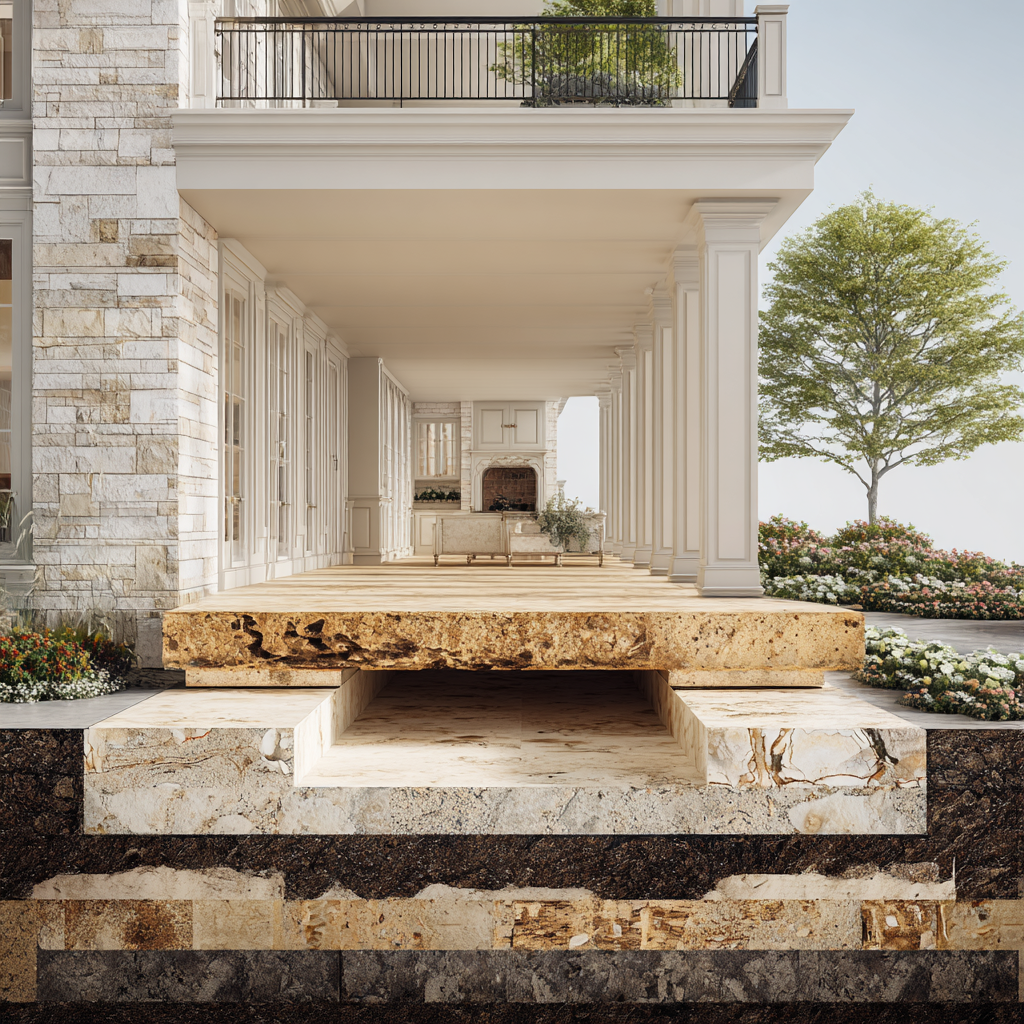
Every resort-style terrace or multi-level deck you see in a high-end listing has more money underground than on the surface. It starts with soil testing and boring reports that most homeowners never hear about, even though they define how the space performs long-term.
Engineers analyze soil conditions to determine whether a project needs traditional concrete footings or helical piles, which are twisted steel shafts literally screwed into the ground without major excavation. In Pennsylvania and New Jersey, frost lines fall between 36 and 42 inches deep. Foundations must extend below that depth to prevent frost heave. A single helical pile costs between $300 and $500, and most larger decks require six to twelve piles before a single board is installed.
Drainage is part of the same underground story. High-end builds rely on sloped sub-bases, geotextile fabric, perforated pipe, and gravel beds that collect water and route it away from the house. This is not glamorous work. It means digging trenches, calculating grades, and placing drains exactly where water will try to collect. Clay-heavy soils common in southeastern Pennsylvania make this especially critical, because water sits in place instead of draining naturally.
Then come the structural calculations. A basic composite deck surface weighs 3 to 4 pounds per square foot. Add a stone outdoor kitchen or poolside structure and that number jumps to 25 to 30 pounds per square foot. Hot tubs add 8,000 to 10,000 pounds of dynamic load. Those numbers determine whether a deck can use standard framing or requires doubled 2×12 joists and engineered LVL beams. The unglamorous parts (footings, beams, drainage, connectors) are what separate a deck that lasts five years from one that lasts twenty-five.
Why Drainage Decides Everything
Here’s the thing: most online content gets wrong. The focus is always on materials and aesthetics. Builders obsess over where every gallon of water goes. Water is the single biggest enemy of outdoor structures, and the difference between a standard build and a luxury build comes down to how seriously each one treats drainage as a primary system.
Poor drainage causes specific, predictable failures. Framing members rot within 3 to 5 years when moisture cannot escape. Frost heave lifts and cracks patio surfaces. Enclosed porch ceilings grow mold. Foundation erosion shifts entire structures 1 to 2 inches annually.
Consider a multi-level deck built over clay soil in southeastern Pennsylvania, where the ground holds water like a bathtub. Without engineered drainage, that structure starts settling unevenly within two winters. Joists twist, railings loosen, and what looked like a permanent outdoor space becomes a repair project.
The contrast between standard and high-end water management is stark. Basic builds rely on “slope it and hope” strategies: minimal pitch on the surface and nothing underneath. High-end systems use French drains, channel drains integrated into deck framing, vapor barriers, and strategic grading that moves water 10 or more feet from the structure. A real water management plan is more valuable than the most expensive porcelain paver. That is what quality construction actually means.
The Engineering Nobody Photographs
Between the foundation and the visible surface sits a skeleton of framing, connectors, and wiring that never appears in listing photos. This layer determines whether an outdoor space feels solid underfoot or develops creaks, wobbles, and rust stains within a decade.
High-end decks use hidden fastening systems for composite boards. Products like Cortex or Phantom clips eliminate visible screws, keeping surfaces clean and avoiding future corrosion points. Hardware choices matter enormously in damp environments. Stainless steel 316-grade fasteners resist corrosion indefinitely. Standard galvanized brackets begin pitting after 7 to 10 years at 80% relative humidity, a timeline that catches many homeowners off guard when rust streaks appear on surfaces that were supposed to last.
Cantilevered edges create those “floating” deck lines seen across celebrity outdoor spaces. That hovering effect requires specific beam sizing and blocking to be structurally safe, not just visually striking. Integrated lighting conduit and electrical runs need to happen before framing begins, not after. Step lights, post lights, and speaker wiring are all dramatically cheaper and cleaner when planned into the structure from day one.
Browsing completed outdoor project portfolios reveals a consistent pattern. The most visually striking builds share invisible structural foundations that never make the listing photos. When real estate agents describe “resort-style outdoor entertaining,” they are describing the result of engineering decisions, not decorating choices.
What this Means for Your Own Project
You do not need a celebrity budget to build an outdoor space that lasts. But thinking like a high-end project manager when it comes to priorities will save money and headaches over the long run.
Start conversations with contractors by asking about foundations, drainage, and framing before discussing board colors or rail styles. Ask how deep the footings will go relative to the local frost line. Ask where water goes during a heavy storm and what sub-surface drainage is planned. Ask what grade of hardware and fasteners will be used in high-moisture areas. A contractor who leads with surface material options before discussing substructure is a red flag.
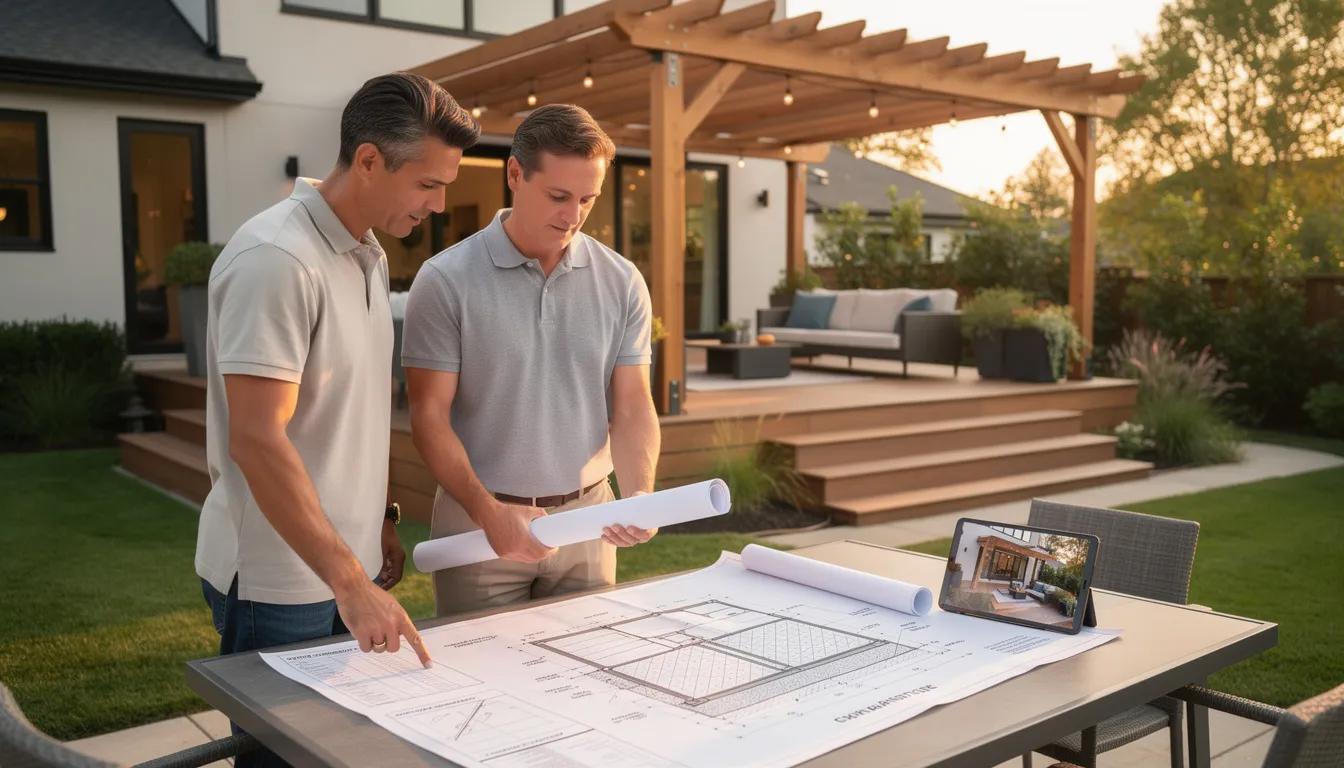
Experienced builders suggest that 40 to 60 percent of a responsible deck or porch budget should go to substructure. That means footings, framing, hardware, and water management eat most of the budget before a single visible board goes down. Expensive decking boards do not equal a quality build. The boards are the easiest part to replace if the skeleton is done right.
The outdoor spaces that actually last decades and add real property value share one thing in common with the celebrity outdoor spaces that inspire them. They were engineered first and styled second. Find inspiration in those glossy listings, but bring your contractor questions about load calculations and drainage plans.
FAQ: Celebrity outdoor spaces and hidden engineering
What hidden engineering do celebrity outdoor spaces require?
Celebrity-grade outdoor spaces typically rely on deep foundation systems such as helical piles or engineered footings, sub-surface drainage networks, load-bearing structural calculations, and integrated electrical conduit. These invisible systems often account for 40 to 60 percent of the total project budget.
How much does the foundation cost for a luxury deck?
Foundation systems for high-end deck projects typically range from $2,000 to $8,000 depending on soil conditions, frost line depth, and structural requirements. Helical piles run $300 to $500 per pile, and most residential decks require 6 to 12 piles.
Why is drainage important for outdoor construction?
Drainage is the single biggest factor in outdoor structure longevity. Poor water management causes structural rot within 3 to 5 years, frost heave that cracks surfaces, mold in enclosed spaces, and foundation erosion. Professional builds treat drainage as a primary system, not an afterthought.
What is the difference between standard and luxury deck framing?
Luxury deck framing uses stainless steel hardware rated for high-moisture environments, hidden fastening systems that eliminate visible screws, cantilever engineering for floating edges, and pre-planned conduit runs for lighting and electrical. Standard framing typically uses galvanized hardware that can corrode within 7 to 10 years.
How deep do deck foundations need to be in Pennsylvania and New Jersey?
In the Mid-Atlantic region, frost lines sit between 36 and 42 inches deep. Deck foundations must reach below this depth to prevent frost heave. Local building codes specify exact requirements, and clay-heavy soils common in southeastern Pennsylvania may require additional engineering.
What percentage of an outdoor project budget should go to substructure?
Construction professionals recommend allocating 40 to 60 percent of the total project budget to foundation, drainage, and structural framing. Underspending on substructure is the most common cause of premature outdoor space failure in freeze-thaw climates.