
Hardwood floors are an ageless feature that adds beauty and value to any home, but keeping them clean can be a challenge. Homeowners often seek ways to tackle spills, dirt, and everyday grime without damaging the wood.
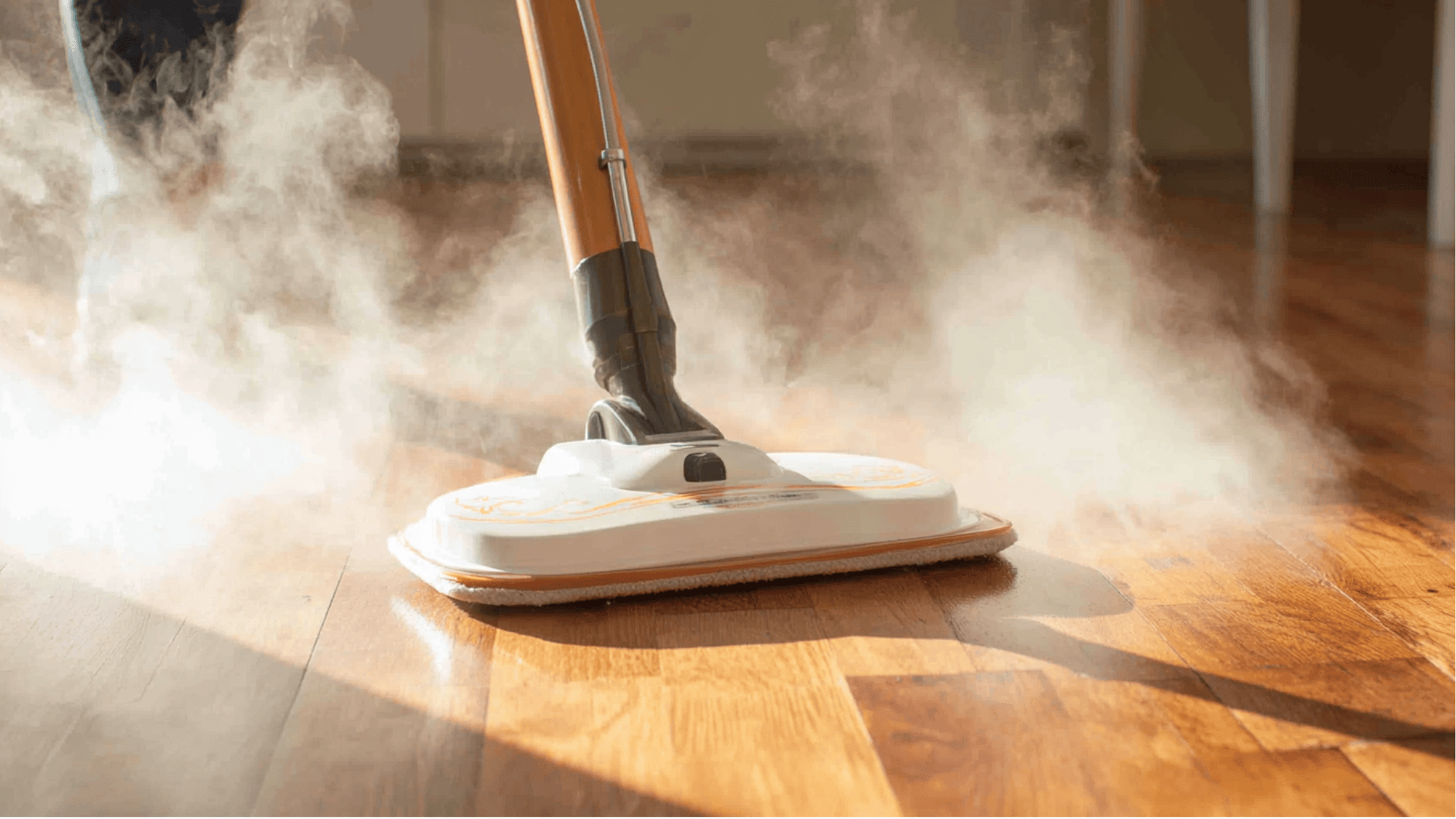
One cleaning tool that sparks curiosity is the steam mop. While it’s known for being quick and chemical-free, many people wonder if it’s the right match for delicate wood surfaces.
Questions like “Can you steam clean hardwood floors?” or whether using a steam mop for hardwood floors is safe often arise when searching for the best cleaning method.
Before making a decision, it is helpful to understand how steam works, the risks it may involve, and the advice experts offer for protecting your floors.
Is It Safe to Use a Steam Mop on Hardwood Floors?
When it comes to hardwood, safety is the first thing on every homeowner’s mind. Steam mops sound appealing because they promise deep cleaning without chemicals, but hardwood isn’t like tile or laminate.
Wood reacts differently to heat and moisture, which means the results can vary depending on the floor’s condition, seal, and finish.
Some people report flawless results, while others deal with warping or dull patches. That’s why the answer isn’t as straightforward as a simple “yes” or “no.”
Instead, the safety of using a steam mop on hardwood floors depends on knowing the risks, checking your floor type, and understanding what manufacturers actually recommend.
What Experts and Manufacturers Say About It
Before pulling out a steam mop, it’s important to look at the advice from flooring professionals and manufacturers.
Many hardwood associations and experts strongly discourage steam cleaning because the combination of heat and moisture can seep into cracks, weaken adhesives, and damage the protective finish.
The National Wood Flooring Association (NWFA), for example, advises against steam use on hardwood altogether. Likewise, most flooring manufacturers note in their care guidelines that using a steam mop can void the warranty.
These warnings aren’t just technicalities; they reflect genuine concerns about long-term damage that may not become apparent immediately.
Following professional advice helps ensure your floors stay protected, both in appearance and under warranty coverage.
Potential Risks of Using a Steam Mop on Hardwood Floors
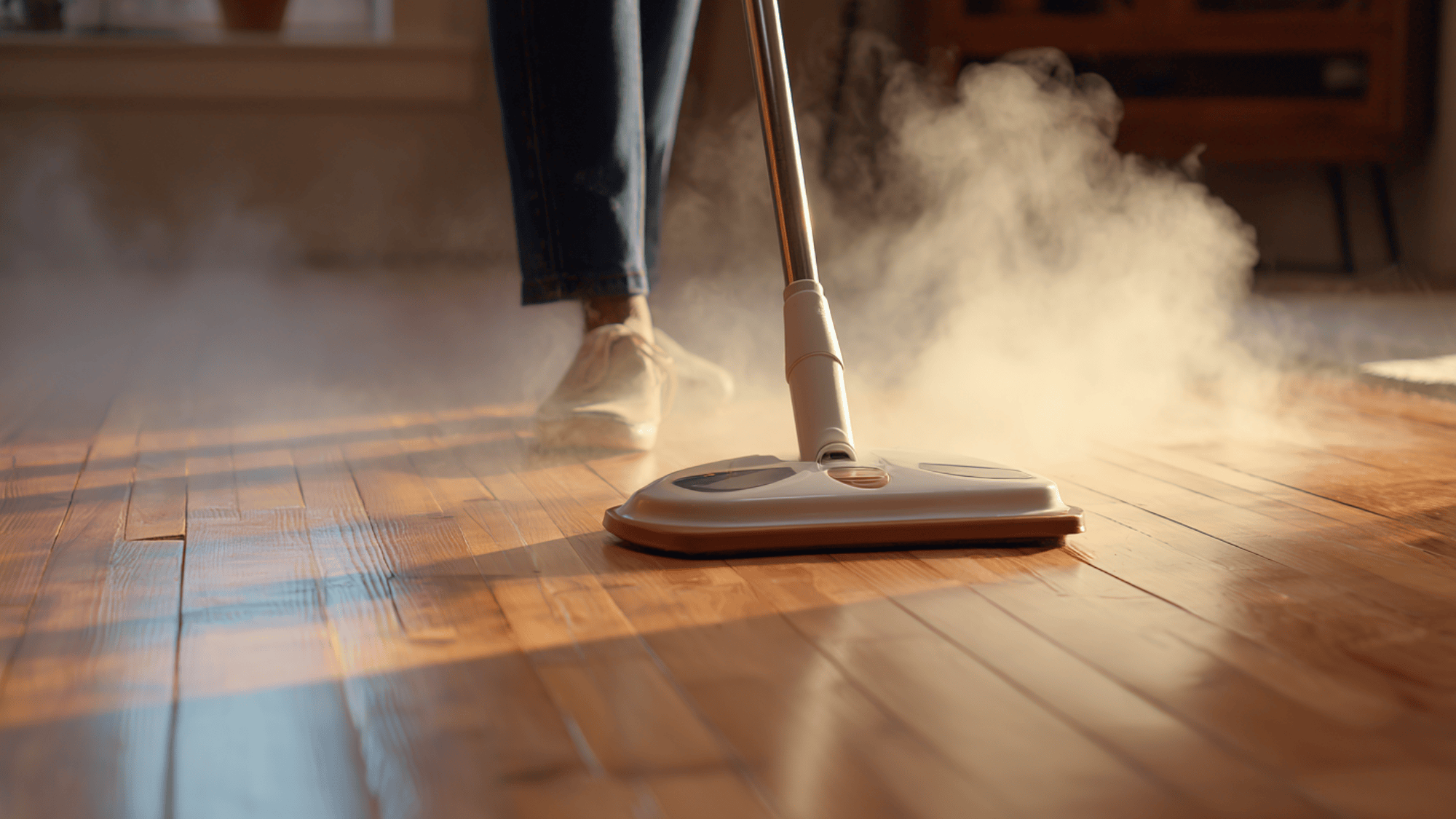
Using a steam mop might seem like a quick fix for messes, but hardwood is sensitive to both heat and moisture.
Even if the surface appears fine at first, repeated steaming can create issues that become apparent over time. Here are the most common risks you should know:
- Warping and Cupping: Excess steam can cause the wood to swell, bend, or lift at the edges.
- Finish Damage: Heat may break down the protective seal, leaving the wood dull or uneven.
- Moisture Seepage: Steam can sneak into tiny gaps or cracks, leading to mold or rot underneath.
- Staining or Streaking: Residual water may leave behind cloudy spots or streaks on the surface.
- Warranty Issues: Many manufacturers clearly state that steam cleaning voids hardwood warranties.
In short, while steam mops look convenient, the risks often outweigh the benefits when it comes to maintaining the beauty and lifespan of your hardwood floors.
If You Must: How to Use a Steam Mop Safely on Hardwood
While most experts discourage it, some homeowners still opt to steam clean their carpets carefully. If you decide to try, the key is to minimize heat and moisture, so your floors stay protected. Follow these tips to reduce the risk:
|
Check the Seal: Use steam only on hardwood that is fully sealed and in good condition. Lowest Steam Setting: Always set the mop to the gentlest mode available. Keep It Moving: Don’t let the mop sit in one place. Constant movement prevents excess heat buildup. Use a Clean Pad: A fresh microfiber pad absorbs moisture better and prevents streaks. Wipe Residual Moisture: Gently wipe the floor with a dry cloth or mop after use. Test First: Try in a hidden spot and monitor the results before cleaning larger areas. |
With extreme caution, it’s possible to limit damage, but steam should be a rare method, not your everyday cleaning choice.
Safer Everyday Alternatives to Steam Cleaning Hardwood
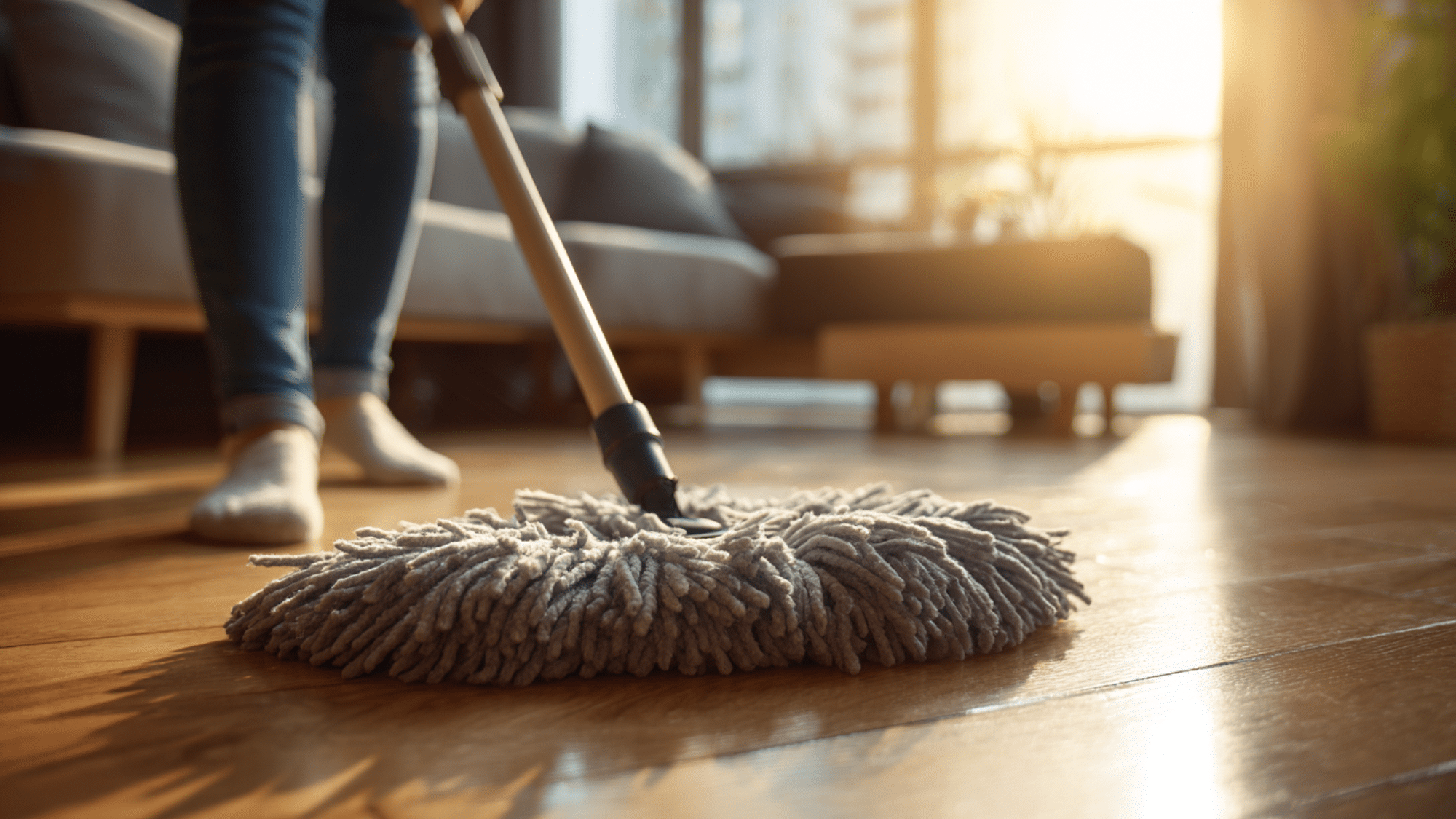
If you want spotless hardwood floors without the risks associated with steam, there are safer methods that work just as well. These options are designed to keep wood clean, shiny, and damage-free:
- Dry Microfiber Mop: Ideal for daily dusting and removing dirt without scratching.
- Damp Mop with Water: Lightly dampen (never soak) a mop for routine cleaning.
- pH-Neutral Hardwood Cleaner: Specially formulated sprays or solutions clean effectively without harming the finish.
- Vacuum with Hardwood Setting: A vacuum designed for bare floors is ideal for removing debris from between boards.
- Spot Clean with Cloth: For spills, a slightly damp cloth works better than steam and dries quickly.
By adhering to gentle, proven cleaning methods, you can maintain the natural shine and durability of your hardwood floors.
These alternatives keep your home fresh without risking warping, dullness, or other issues caused by steam.
Simple Way to Test Your Hardwood Before Using Steam
If you’re unsure whether your hardwood floors can handle steam, it’s best to run a quick test before cleaning the entire surface. Start by selecting a hidden area, such as behind a piece of furniture, under a rug, or near a corner.
Gently run the steam mop over that spot for just a few seconds using the lowest setting. Immediately dry the area with a clean cloth to remove any leftover moisture.
Over the next 24 hours, check for changes such as dullness, warping, streaks, or a softened finish. Even the smallest reaction is a sign that your floors aren’t suited for steam.
This simple test only takes a short time, but it can prevent permanent damage. It’s always better to be cautious when protecting hardwood, since repairs can be costly and difficult to reverse.
Final Thoughts
Hardwood floors are a significant investment, and maintaining them in top condition requires the right care.
While steam mops may seem like an easy, chemical-free solution, they carry real risks for wood surfaces, ranging from warping and finish damage to voided warranties.
For everyday cleaning, safer alternatives like microfiber mops, pH-neutral cleaners, and gentle spot cleaning will always be the better choice.
If you’re still tempted to try steam, testing a hidden area first is essential, but remember it’s often not worth the gamble.
Want to make sure your hardwood floors last for decades? Stick with safe cleaning practices, follow the manufacturer’s guidelines, and when in doubt, opt for gentler methods that preserve your home’s natural beauty.
Frequently Asked Questions
Are Older Hardwood Floors More Vulnerable to Steam Damage?
Absolutely. Older floors often have worn finishes, cracks, or gaps that allow steam to seep in easily. This makes them more likely to warp or discolor compared to newer, well-sealed floors.
What Happens to The Adhesives Under Hardwood when Steam is Used?
Steam can soften or break down adhesives used in glued-down floors. This may cause planks to loosen, shift, or squeak, making repairs costly and inconvenient.
Does Steam Mopping Cost More than Traditional Cleaning?
In many cases, yes. Steam mops require electricity, frequent replacement pads, and possible floor repairs if damage occurs. Microfiber mops and hardwood cleaners are more cost-effective, safer, and more sustainable in the long term.