
Starting a vinyl collection is about more than just owning music. It is a tactile experience that connects you to the history of sound. You get to hold the artwork, read the liner notes, and enjoy a warm audio quality that digital files cannot match.
Collecting is a journey that requires patience and an eye for detail. Every record tells a story through its physical presence and the way it sounds on your speakers. This hobby turns listening into an event rather than background noise.
Understanding Record Sizes and Speeds
Before you buy your first disc, you should know that records come in different formats. The most common sizes you will find are 12-inch, 10-inch, and 7-inch. These different sizes usually correspond to how much music is on the disc and how fast it needs to spin.
Standard full albums are typically found on 12-inch records. These usually spin at 33⅓ RPM, which stands for revolutions per minute. Smaller 7-inch records are often used for singles and play at 45 RPM.
A recent guide explained that these three sizes and two speeds are the most familiar standards for beginners to learn. Knowing these basics prevents you from playing a record at the wrong speed, which makes the music sound distorted.
Evaluating Vinyl Quality and Weight
The physical weight of a record can tell you a lot about its durability and potential sound quality. Most modern high-quality pressings weigh between 140 and 180 grams. Heavier records are less likely to warp and provide a more stable surface for the needle to track the grooves.
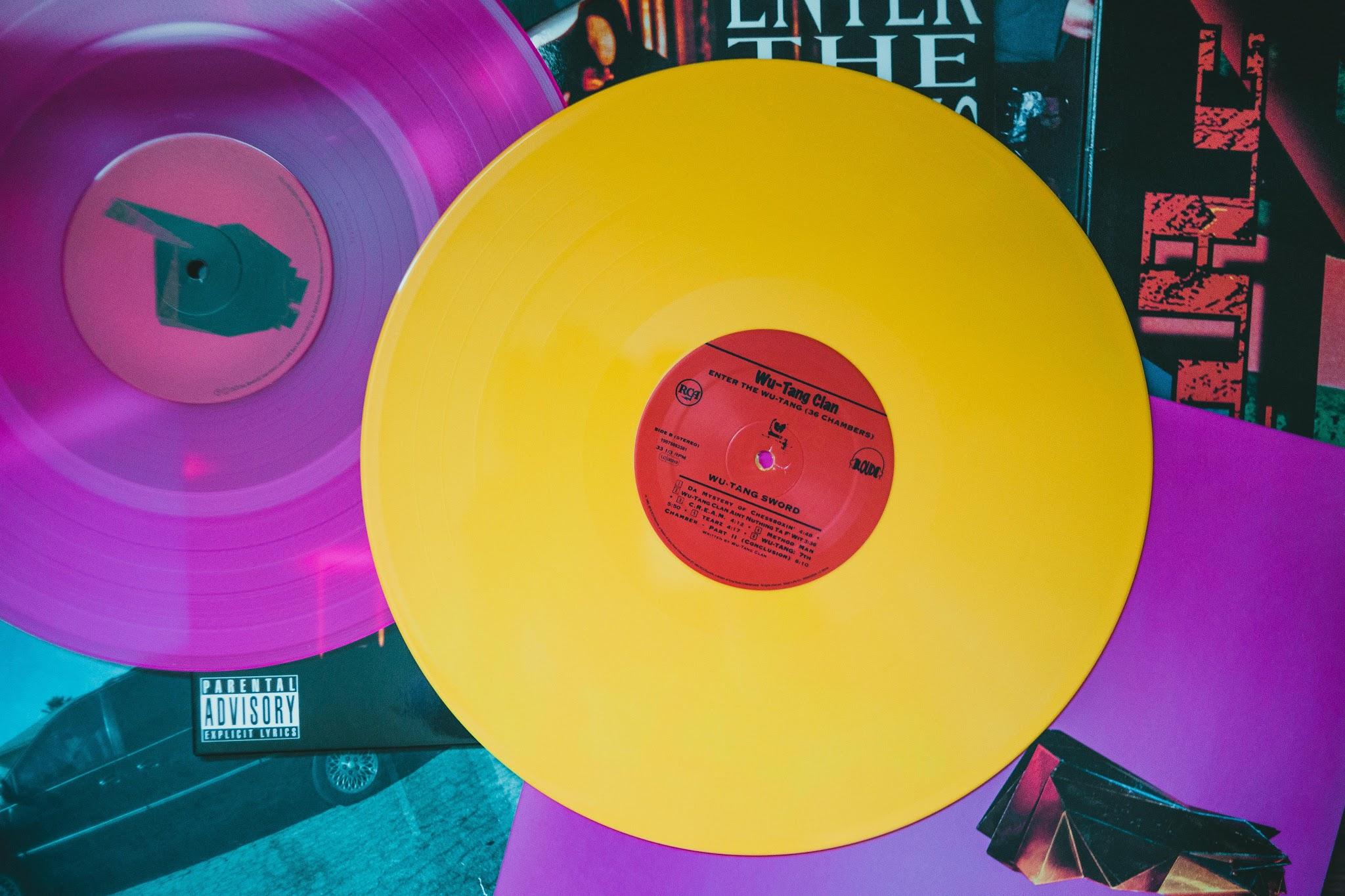
Building a library of classic rap albums vinyl is a great way to start your journey. These pressings often feature heavy bass and intricate production that sounds incredible on a physical format.
Finding original pressings ensures you hear every beat exactly as the artist intended when they were in the studio. High-quality reissues are also a great choice if you want a clean surface without the high price of a vintage original.
Mastering the Grading System
Condition is everything when you are shopping for used music at a local shop or online. Sellers use a standardized grading system to tell you how much wear a record has. This helps you avoid buying something that skips or has too much surface noise that ruins the experience. One educational article noted that this system is the primary way for collectors and sellers to assess the physical state of a disc.
- Mint (M) means the record is in perfect condition and is often still sealed in its original shrink wrap.
- Near Mint (NM) looks like it was just opened and played only a few times with no visible marks.
- Very Good Plus (VG+) might have minor scuffs but still sounds excellent with very little noise.
- Very Good (VG) records have more visible scratches and will have some light pops during quiet parts.
- Good (G) or Fair (F) records will have significant scratches and audible pops throughout the playback.
Setting Up Your Playback System
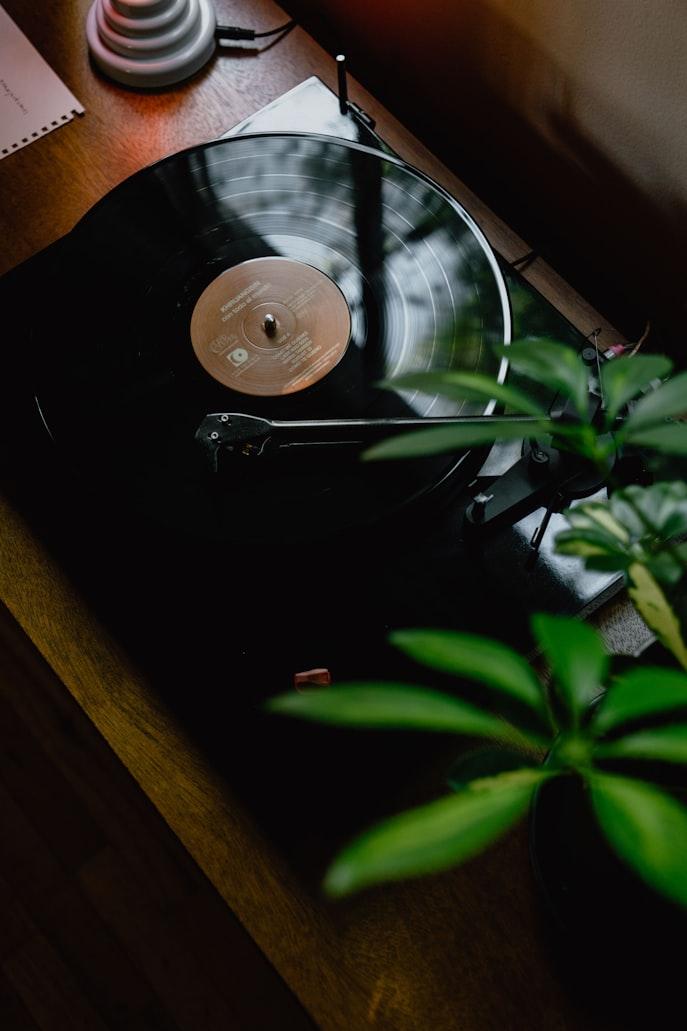
To hear your music, you need a proper setup that handles the delicate signal from the needle. A basic system includes a turntable, a phono stage, an amplifier, and a pair of speakers. Some modern turntables have built-in preamps to make the process easier for those just starting out.
The quality of your gear changes how the music feels in the room. Experts suggest that a solid setup makes your highs sound very high and your lows sound very low. This balance is what creates the “live” feeling that vinyl fans love.
It is better to save for a decent entry-level turntable than to buy a cheap “all-in-one” suitcase player. Those cheap players often use heavy tracking force that can damage your records over time.
Finding Value in Your Collection
Some records are worth much more than others due to their rarity and historical context. First pressings that come in special or limited packaging often increase in value over the years.
Collectors keep an eye out for these unique versions at record stores and pop-up fairs. Small details like a specific matrix number etched into the run-out groove can be the difference between a $10 record and a $100 one.
Popularity also plays a role in what you might pay for a disc at a shop. For example, the album Rumours has sold over 40 million copies worldwide. Even though it is common, it remains a staple for many because of its historical significance and incredible production. You can find copies of legendary albums almost anywhere, but the quality of the specific pressing will dictate the price.
Building a library takes time and a bit of research into the artists you love. Once you have the right tools and a basic understanding of grading, you can shop with confidence. Every new find adds a different sound and a new story to your shelf. You will find that the search for a specific record is often just as fun as finally dropping the needle on it. Your collection is a reflection of your taste and a window into the history of music.