
It’s natural in life for people to go through challenging seasons of personal growth or encounter life circumstances that feel overwhelming. Periods of hardship often push people beyond the boundaries of what they had once thought themselves capable of, and during these times, discovering teachers who can help you find your way through these initiations can provide a much needed sense of direction and hope.
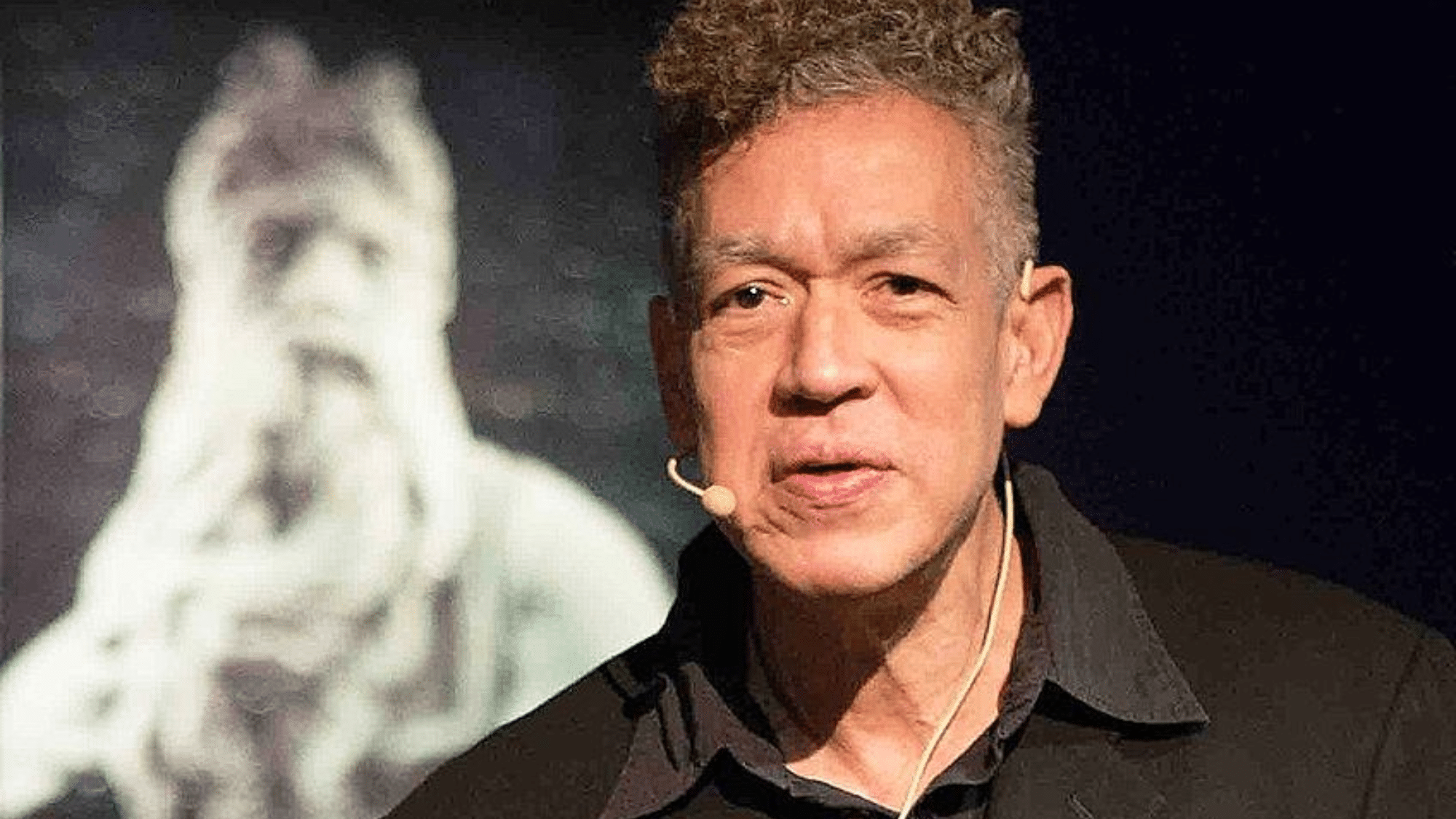
Kaia Ra, best-selling author of The Sophia Code®, and a spiritual teacher with ties to sacred spaces from Sedona to Mount Shasta, has seen her share of challenging times and experienced the rigors of her own spiritual awakening. As a survivor of human trafficking, Ra has founded The Sophia Code Foundation, a non-profit organization structured to educate and empower spiritual seekers, survivors and their allies with the teachings of the modern sacred channeled text, The Sophia Code.
Spiritual teachers like Ra support individuals who are going through unexpected trials or “dark night of the soul” by sharing the wisdom of their lived experience. There is a growing number of professional resources available for people looking for a deeper meaning to their lives and purpose. It’s common during personal trials to question why we’re really here, and for many, the unexpected trials reveal a deeper calling, a drive to question, search, and sometimes to rebuild their life with a deeper sense of truth and meaning.
Spiritual awakening is one way this shift shows up, prompting transformation during moments of turmoil, both personal and collective. Understanding the nature of spiritual change, especially during times when the outside world feels unsettled, can offer powerful support to people who are feeling lost, disconnected or overwhelmed.
When health concerns, job insecurity, or changes in close relationships take center stage, it’s common to sense an urgent need for change. By focusing on the universal spiritual themes that we all go through during times of hardship, people can discover hidden sources of strength, steadiness, and compassion for themselves and others. After all, struggling with the meaning of life, whether you have a divine purpose in this lifetime, or what you feel guided to contribute are all questions that so many people grapple with.
Understanding Spiritual Awakening in Uncertain Times
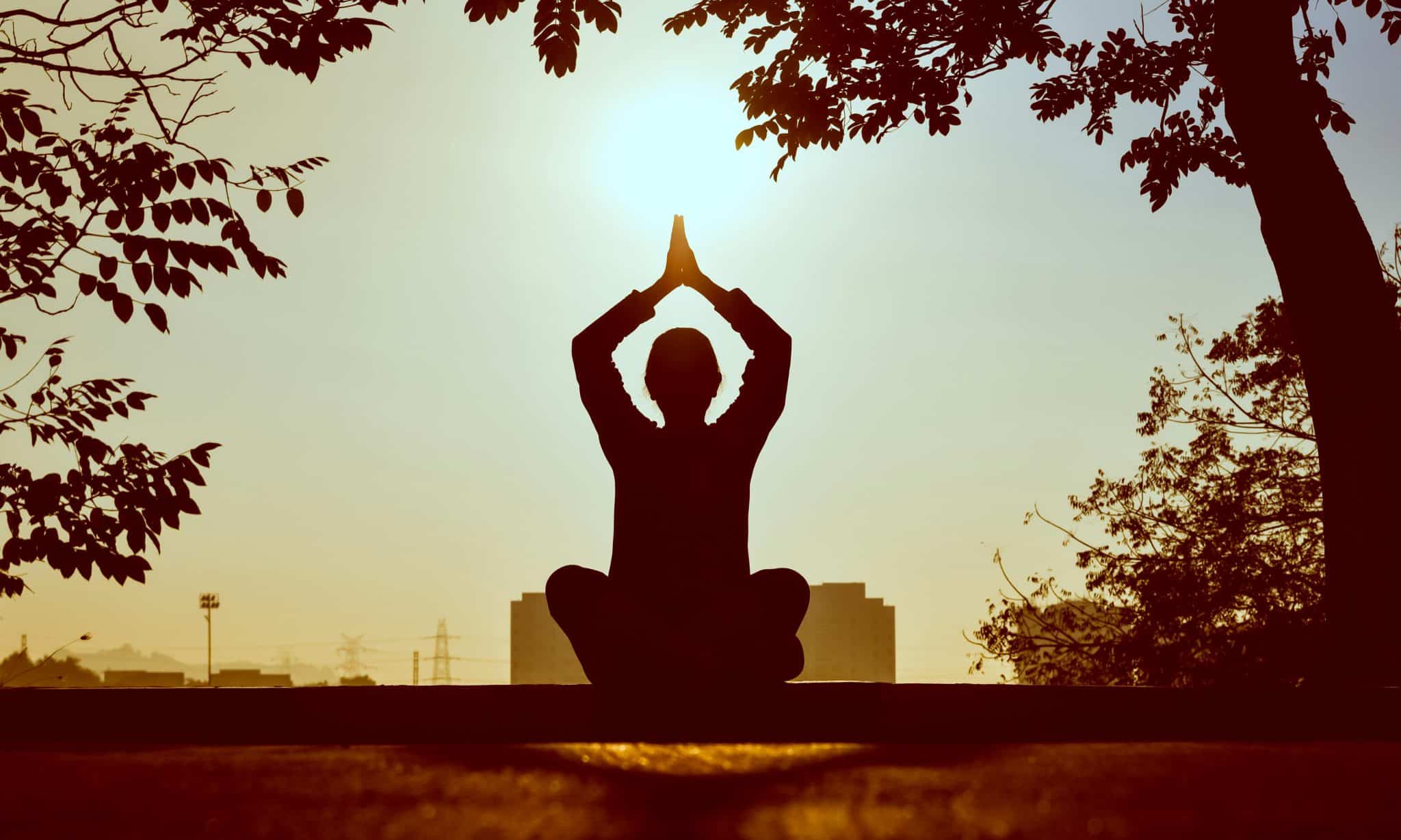
For many, spiritual awakening does not follow a planned track or script. It’s a process of dismantling — identities, roles, ways of relating, behavioural and belief patterns — all these familiar patterns begin to fall away. This kind of internal and external evaluation can challenge our perception of what life has been, and create the space for new insights and deeper connections with what truly matters. This is a part of the human experience — it goes beyond cultures, countries, and languages. It’s a universal inner questioning that we all come up against at least once in our lifetime. A person can live for years with a certain identity or coping strategy, only to find during times of crisis that their default perception no longer fits and a sudden need to adapt arises.
Personal spiritual awakenings often arrive alongside overwhelming circumstances in our smaller and larger communities, reflecting micro and macro initiations that humanity is faced with in the course of a lifetime and generation. Global health scares, sudden changes in work or income, the death of a loved one, personal stress or conflict within close bonds can all serve as catalysts for change or reevaluation. People may notice changes in what they value, or realize they need to live with more honesty and kindness, both toward themselves and in their communities.
During such times, new sensitivity often surfaces. Emotions run stronger, old routines and distractions lose their effectiveness to offer comfort. Many start seeking answers with greater urgency, wanting to understand their part in a wider story or to contribute in a more meaningful way. This urge for deeper purpose grows, even as life feels unpredictable, and is a sign that your soul is guiding you towards the next step in your spiritual growth and evolution.
Common Signs of Awakening Amid Hardship
“When spiritual awakening unfolds under stress, people notice changes in both their inner and outer lives,” says Kaia Ra. “Strong emotions such as grief, frustration, or longing become harder to ignore. Some discover a sharper sense of what is real and true, along with discomfort when things feel off or superficial.”
During a spiritual awakening, one common side effect is that your values and goals look different and begin to shift or simply undergo the process of re-evaluation. Questions such as, “Is this what I really believe, think or feel, or is this simply what I was taught was right?”
Previous markers of success, such as status or material rewards can begin to feel empty or almost like a constant just-out-of-reach distraction. Some people will feel called to focus on their healing, while others may feel guided to seek creative outlets to express truths they no longer wish to hide.
Along with these changes, many experience a heightened sensitivity towards suffering and become sober to the various examples or systems of injustice in the world. Every day news or social issues can stir empathy and even overwhelm. This increased sensitivity can inspire many to look for ways that they can create systems of care for themselves and others — thereby creating important change that can benefit the collective.
Why Challenges Can Trigger Profound Change
Difficult times create a pressure within individuals and communities — essentially, the circumstances of crisis can show us exactly where the cracks are, and help to break open what is old, unhelpful, oppressive and it can create room for curiosity to consider what solutions can be built in place of what is no longer serving us on an individual or collective level. Hardship can interrupt our autopilot routines that previously only kept deeper questions at bay. Spiritual awakening and challenges have the capacity to strip away what no longer works, which, while painful, creates an open field where honesty and new ideas can take root and grow.
Stress drives a search for comfort and direction beyond what once satisfied. In the loss of certainty, many discover a new kind of freedom. Old fears and limiting beliefs become easier to spot, and new perspectives emerge.
Through pain or struggle, people are often able to see the world and themselves more clearly. This fresh vision is not always gentle, but it has the power to spark compassion and courage. Many people find a purpose, not because they sought it, but because hardship revealed a path.
Practical Ways to Support Spiritual Growth
It can be natural for people to feel inspired to make huge shifts when they’re feeling the inner fire of personal growth, however, the impact of small and consistent shifts can create huge and lasting impacts on both the individual and collective levels. Taking the simple, steady steps can help people manage the changes that come with spiritual awakening. Building a foundation of stability supports honest reflection and gentle transformation.
Rather than searching for a perfect practice or philosophy, there is a real benefit to listening to what feels authentic and grounding right now. It’s important to create space for both inner reflection and the follow through action steps that you can take, informed by your inner guidance to support healing, self-trust, and balance.
Mindful Self-Care and Boundaries
“Notice and respect the signals from both your mind and body,” notes Ra. Regular self-care practices like quiet meditation, slow walks outdoors, or setting aside time for restful sleep help manage the flood of strong emotions and keep your nervous system regulated.”
Setting boundaries is equally important when learning how to advocate for your well-being. Making a conscious effort to limit exposure to social media or interacting with people who can feel aggressive or combative or trigger anxiety, and instead create boundaries to protect your space are all very empowering action steps that you can take. Practice saying no when needed, and protect your time to allow for activities that feel nourishing to you. Remember, these are not selfish acts — these are strategies that re-balance and replenish inner strength. This is a natural reorientation that occurs for people going through a spiritual awakening.
Steady routines and practices, even if they feel simple, have the capacity to build a sense of safety when the world feels unpredictable. Things like eating regular meals, keeping a solid sleep schedule, or choosing one small act of kindness (or any action that is in alignment with your values) each day support mental clarity and emotional resilience.
Creating Safe Spaces for Reflection

Solitude can nourish spiritual awakening in ways that busy routines cannot. Creating a safe space for reflection doesn’t have to be elaborate. Setting up a quiet corner in your home, intentionally setting the space with a candle, natural light, or even regularly visiting a place in nature that feels beautiful to you or evokes a feeling of calm can serve as a sanctuary for inner reflection and renewal.
There are a multitude of ways that you can take the time to connect with yourself and come into a space of personal reflection. Time spent in stillness gives people the privacy to meet their true feelings. Practices such as journaling, breathing exercises, or silent prayer also allow hidden patterns and fears to rise gently to the surface, where they can shift, heal or simply be witnessed by your compassionate attention.
Making a ritual of these practices, even a few minutes each day, can make all the difference in your spiritual practice. By allowing yourself to come into a space of regular self-communion, you’ll naturally build a resilience that can empower you when challenges in your life and relationships occur as a normal part of everyday life. Your self-reflection has the power to soften judgment and encourage honest, kind self-inquiry for greater awareness and intuitive insights to flourish and inform your choices.
Community and Support Systems
“Spiritual growth thrives both in solitude and in a supportive community. Trustworthy friends, mentors, or small groups provide people a safe space to share their stories and feel understood,” says Ra.
Even if you feel isolated in your home or community, distant online connections can provide truly supportive relationships and a network you can lean into during times of personal struggle. Shared experiences remind people that awakening is a common process, not a sign of failure or weakness. When you engage in honest conversations and compassionate listening it allows new insights to take shape. Humans naturally crave connection and it’s normal to want to have people around you who love and support you for who you truly are.
Participating in structured support, such as group meditation, book circles, or skill-sharing sessions, can provide a system of support to fall back on during times of uncertainty or challenges. Spiritual awakening can certainly create periods of contention in your life circumstances and relationships, but if you are able to honor your experience, seek the support that you need, and be open to personal growth, this portal of time can result in embodying an unexpected strength. As old patterns fall away, people access reserves of clarity, kindness, and quiet power that may surprise them.
Throughout the process of spiritual growth it’s important to trust in the timing of healing, even when it feels slow or uncertain. Inner work, guarded by self-care and stable support, shapes a life that reflects deeper truth and lasting peace.
Remember that encouragement and patience go far on this path — whether you are offering yourself compassion or receiving the unconditional love of a dear friend. For many people, they learn that personal growth and spiritual awakening are a lifelong journey, therefore, it’s important to honor that each step, no matter how small, builds a foundation for wisdom and resilience. Those who move through awakening in hard times often emerge healed and ready to support others on their journeys. Reflection, community, and self-compassion guide the way forward, transforming hardship into a source of strength and hope.