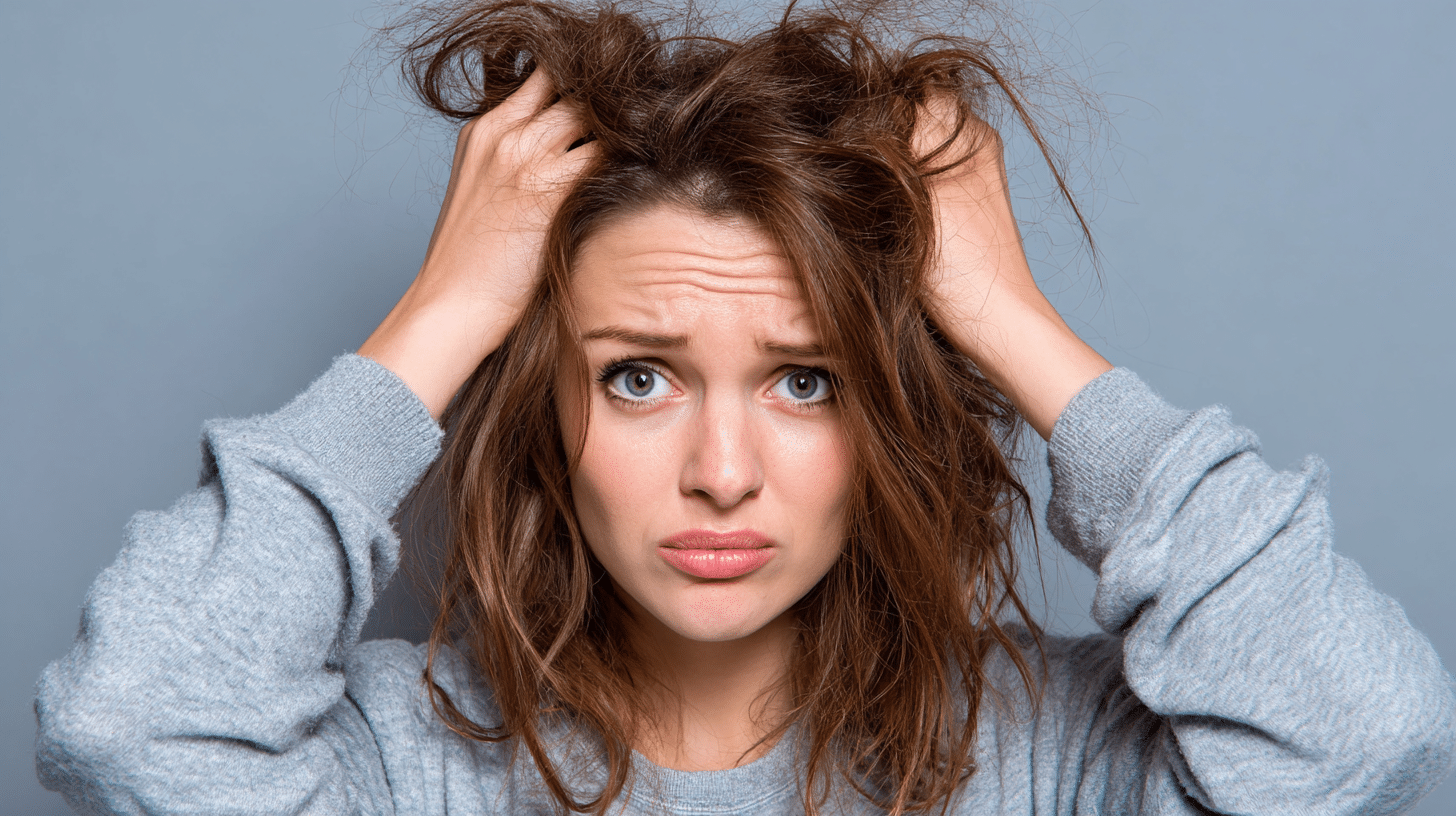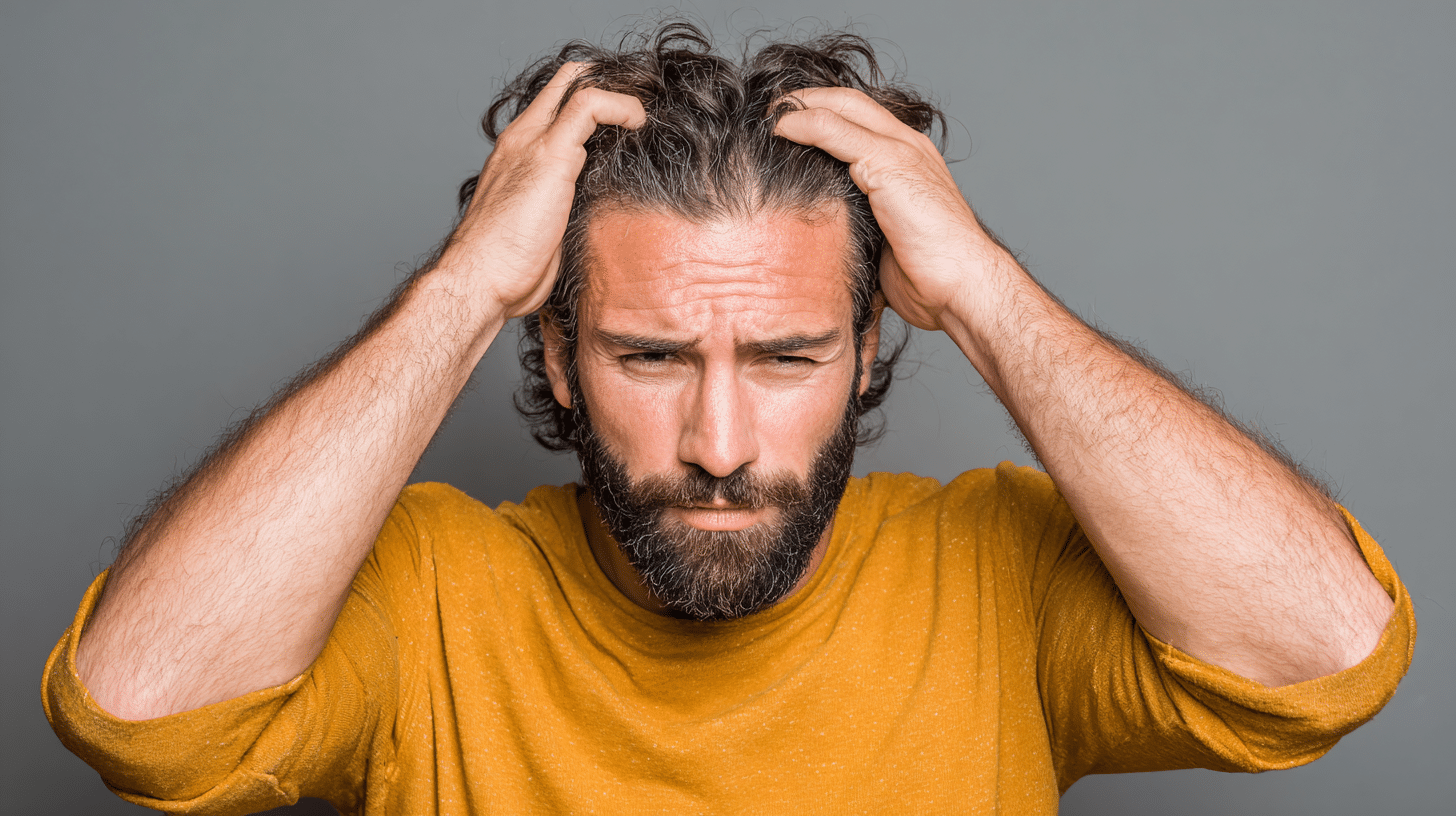


Ever felt a strange pain on your scalp when flipping your hair or brushing it a different way?
That weird sensation is more common than you might think and totally real.
Many people experience this unusual sensation, but few understand why it occurs.
So, why does my scalp hurt when I move my hair?
Here, we are here to break down the real reasons behind that scalp discomfort and what you can do about it in detail.
Real Talk: Personal Stories and Common Experiences
If you have ever felt a sore or sensitive scalp when moving your hair, you are definitely not the only one.
On Reddit, one user shared:
“I just got a short hair cut from a medium-long length hairstyle. I washed my hair and when I got out of the shower to move my hair around to style, it hurt from the roots. It just didn’t want to go another direction.”
To know more-Why does my hair “hurt” when I move it to different directions?
Another person wrote:
“The hair roots all of a sudden hurt in this spot, but only when I move my hand through it and move the hair against its natural direction, this phenomenon keeps coming back every few days, any idea what could this be?”
Know more-Click Here
Examples like these show how confusing (and frustrating) this sensation can be. Some people even worry something is seriously wrong, only to find out it’s surprisingly normal.
What is Really Causing the Pain?
Let’s break down the most common causes:
1. Scalp Sensitivity (Trichodynia)
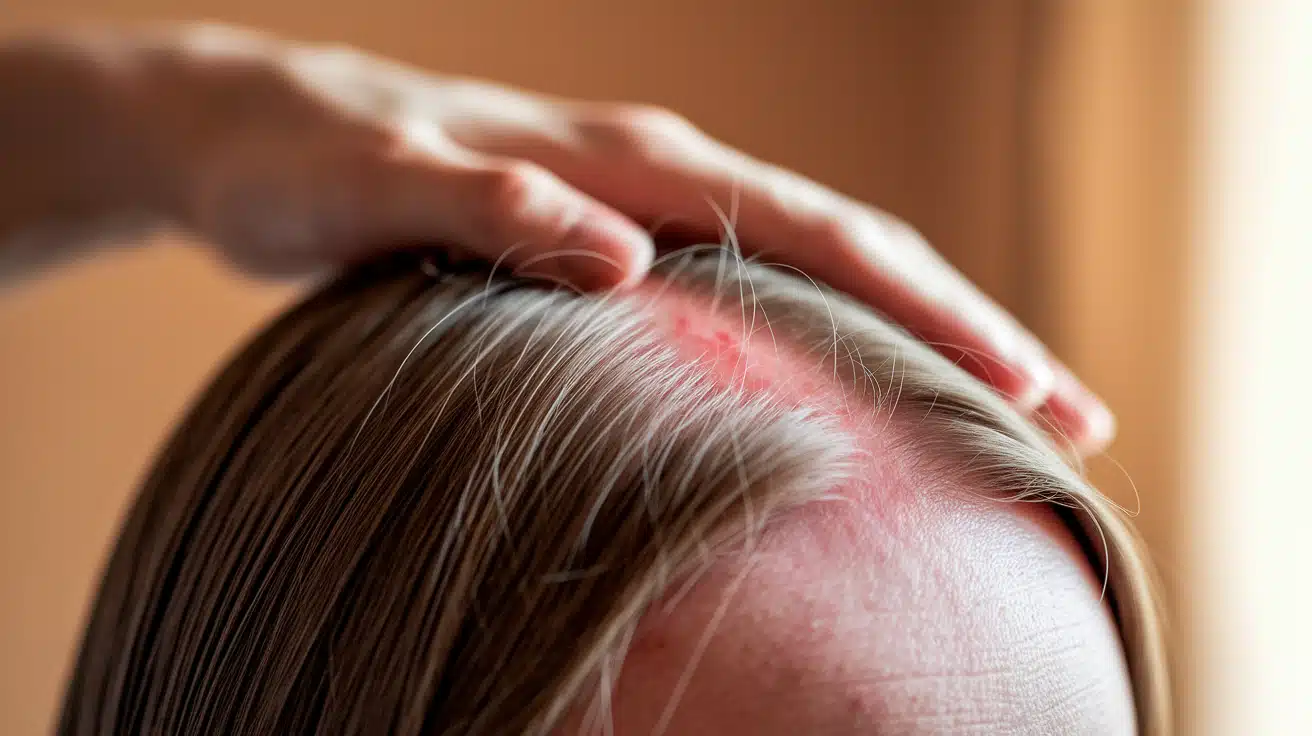
Some people experience scalp pain known as trichodynia.
It feels like tenderness, burning, or soreness on the scalp, even though there’s no visible injury.
Common Triggers Include:
- Stress and anxiety
- Inflammation in the scalp
- Wearing tight ponytails or buns for too long
- Constantly changing your hair part or brushing too hard
It’s more common than you might think, especially if you already deal with tension or sensitive skin.
2. Hair Follicle Fatigue

When you leave your hair in one style (like a tight bun or braid) for days, your hair follicles adapt to that direction.
So, when you suddenly flip or restyle it, those follicles are stretched differently, causing an aching or tugging feeling.
This fatigue doesn’t damage your hair, but it can cause your scalp to feel temporarily bruised or tender.
3. Underlying Conditions
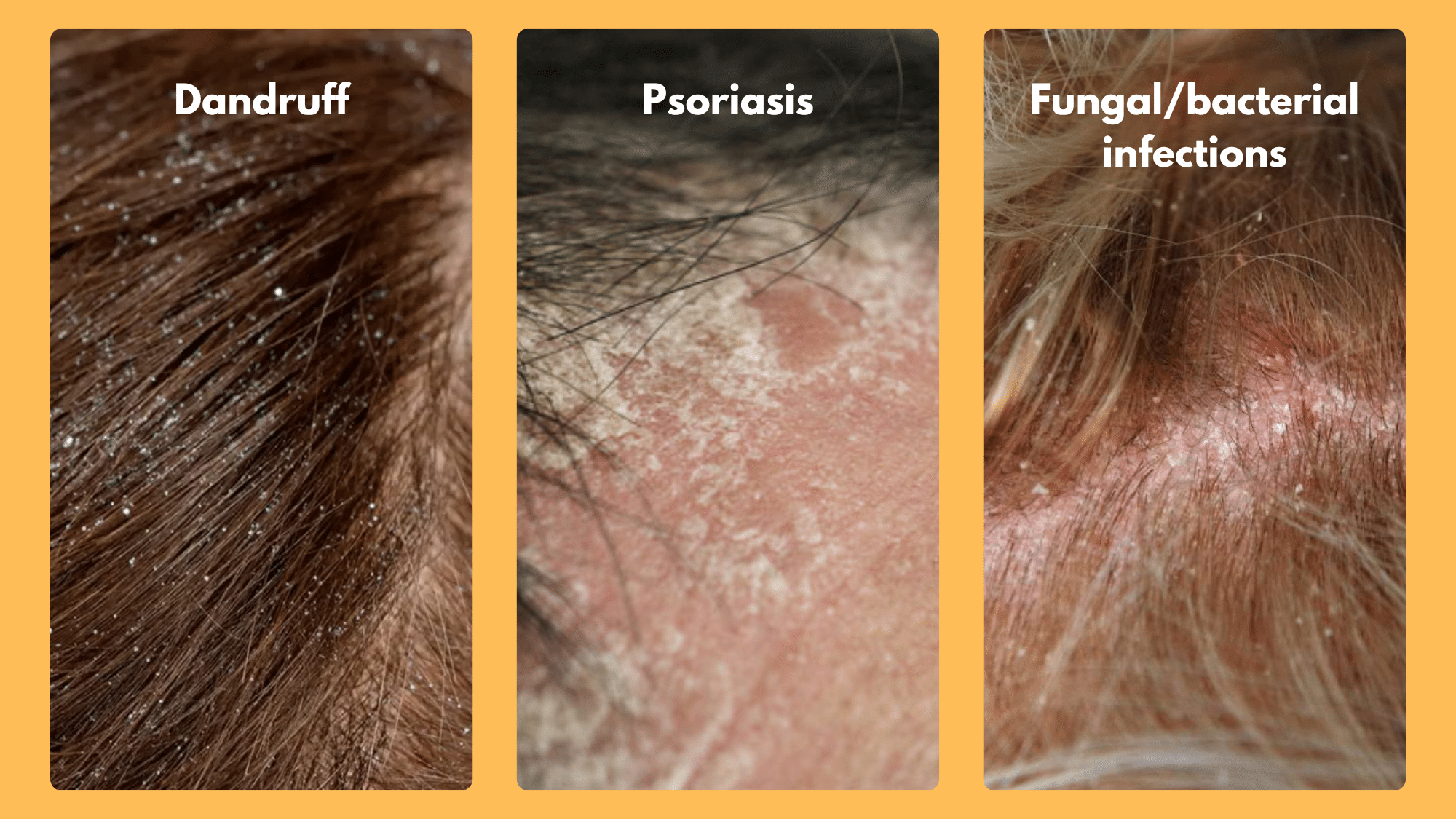
Sometimes, the pain is linked to other scalp issues like:
- Dandruff or dry scalp
- Psoriasis or eczema
- Fungal or bacterial infections
If you are also experiencing redness, itching, flaking, or bumps, it’s worth consulting a dermatologist to rule out any underlying medical causes.
When It’s More than Just an Annoyance
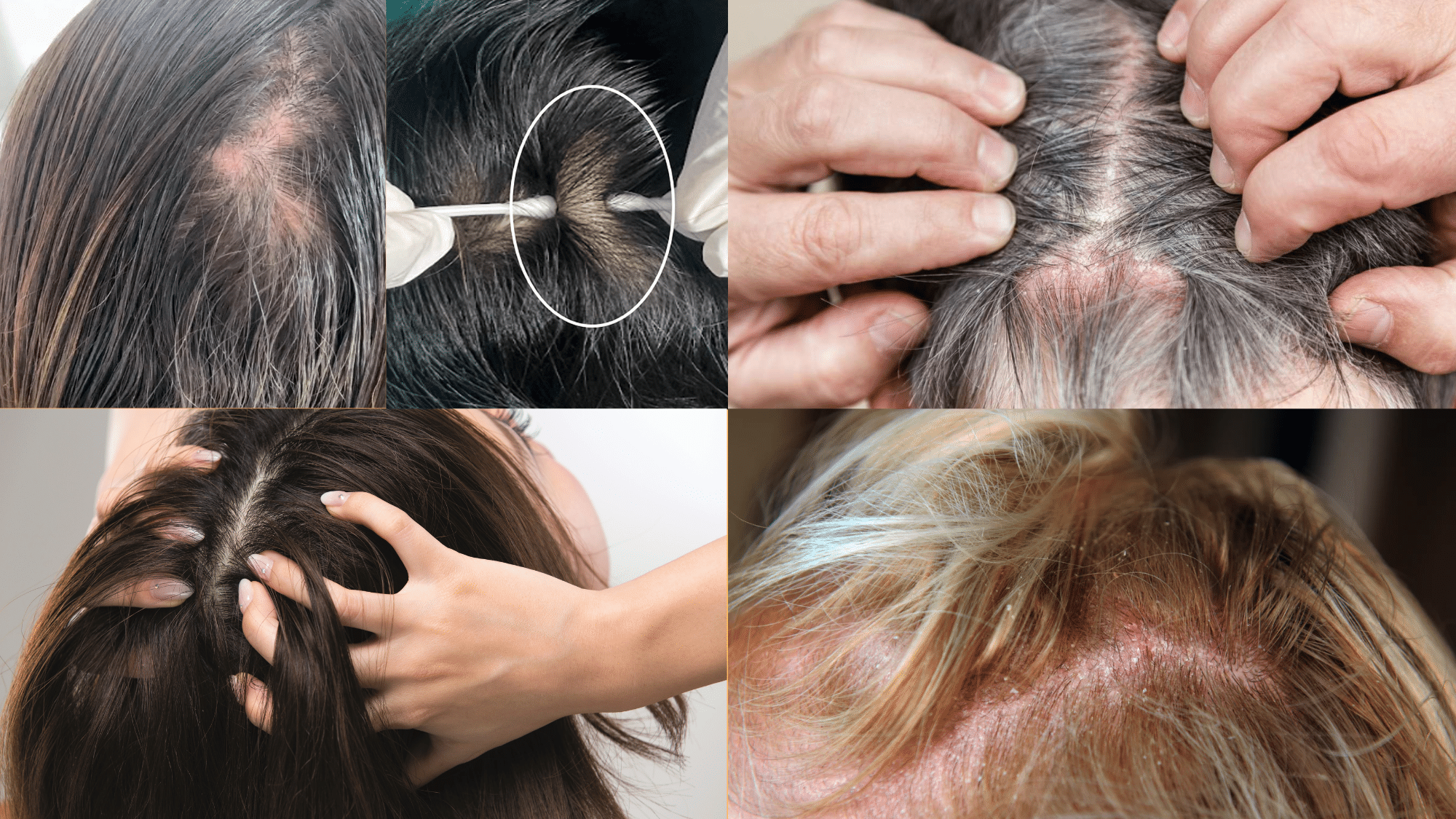
Most of the time, scalp pain is harmless and goes away on its own, but sometimes, it can be a sign of something more serious.
Here are a few red flags to watch for:
- Persistent redness or swelling that doesn’t improve.
- Bumps, sores, or crusty patches on your scalp.
- Hair loss in the painful area.
- Itching or burning that worsens over time.
- Pain that lasts more than a few days, even after changing your hair routine.
Tried & True Tips from The Internet
| Tip | What It Does |
|---|---|
| Gentle Brushing Techniques | Use a wide-tooth comb or soft brush; it helps avoid tugging and scalp strain. |
| Scalp Massages and Oils | Massaging with fingers or oils (like coconut or tea tree) boosts circulation and eases discomfort. |
| Looser Hairstyles | Wearing your hair down or loosely prevents pulling and reduces follicle stress. |
| OTC Scalp Treatments | Shampoos or serums with salicylic acid or tea tree oil soothe dry, itchy scalps. |
That odd scalp discomfort isn’t just in your head it’s your body’s way of signaling tension, sensitivity, or stress.
A few simple changes can bring real relief.