



Abortion has long been one of the most controversial and emotionally charged issues in the United States. At the center of the debate is a key question: Is there a constitutional right to abortion?
Following major legal shifts in recent years, many Americans are now asking, What does the Constitution say about abortion?
This post will break down the facts, explore current legal interpretations, and help you understand where the law stands in 2025.
Let’s clear up the confusion together.
Historical Background: Abortion and the Constitution
Before 1973, abortion laws were mostly controlled by individual states, with many banning the procedure except to save the mother’s life.
These laws reflected the social norms of the time and offered women little legal protection.
This changed with the 1973 Supreme Court case Roe v. Wade, which recognized the constitutional right to abortion.
The Court based its decision on the right to privacy under the Fourteenth Amendment, making abortion a federally protected right until later rulings challenged and overturned that protection.
Key Supreme Court Rulings Shaping Abortion Rights
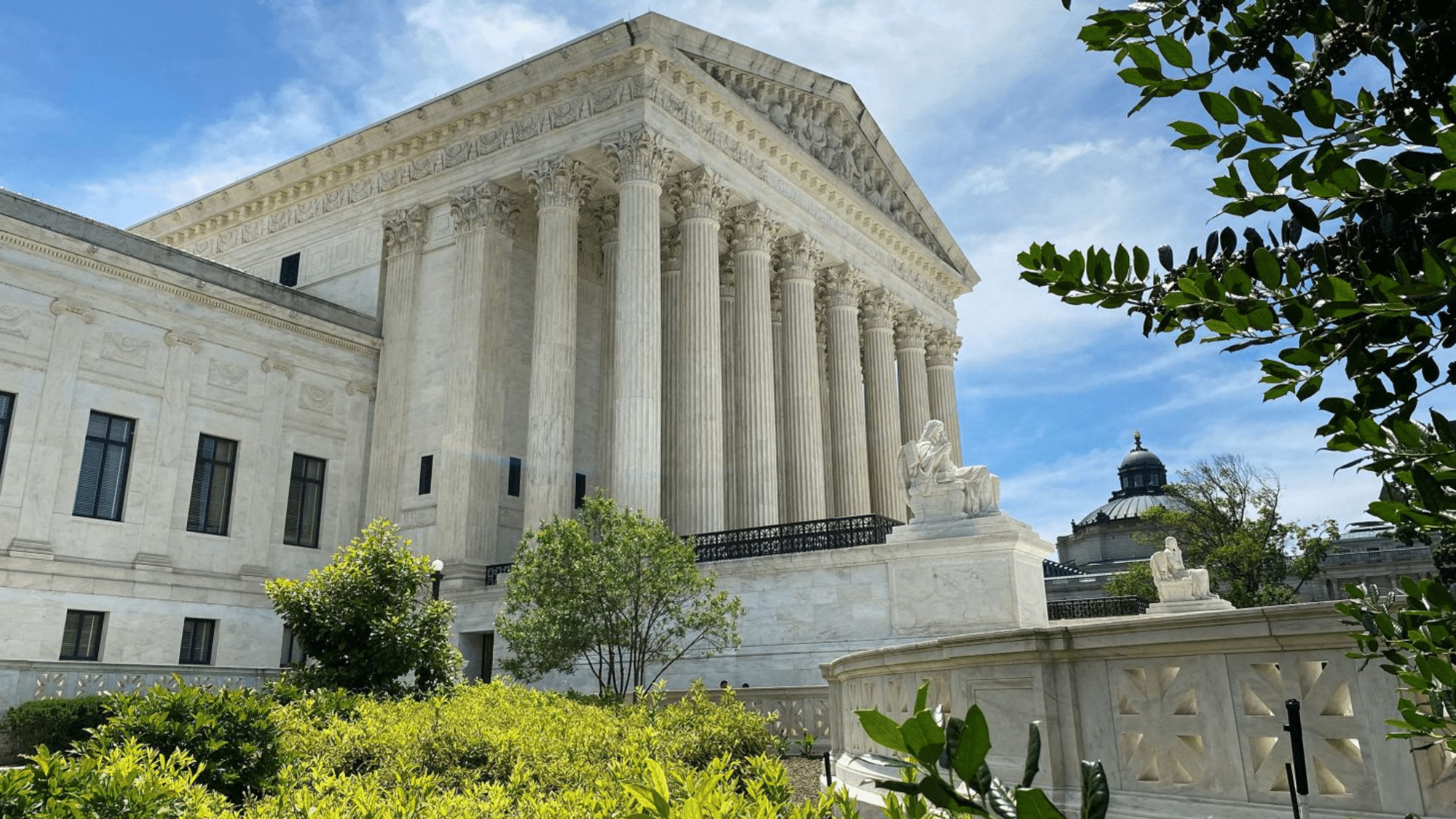
Several key Supreme Court decisions have defined abortion rights in the U.S.:
1. Roe v. Wade (1973)
The Court ruled that the Constitution protects a woman’s right to choose an abortion before fetal viability, based on the right to privacy under the Fourteenth Amendment.
2. Planned Parenthood v. Casey (1992)
Reaffirmed Roe but introduced the “undue burden” standard—states can regulate abortion but cannot place substantial obstacles in the way of a woman seeking one before viability.
3. Doe v. Bolton (1973)
Decided alongside Roe, this case struck down strict state abortion rules and expanded access by reinforcing the right to privacy in abortion decisions.
4. Whole Woman’s Health v. Hellerstedt (2016)
The Court invalidated Texas laws that imposed medically unnecessary requirements on clinics, ruling they placed an undue burden without improving patient safety.
These rulings shaped the legal foundation for abortion access until recent changes shifted that landscape.
Dobbs v. Jackson Women’s Health Organization (2022)
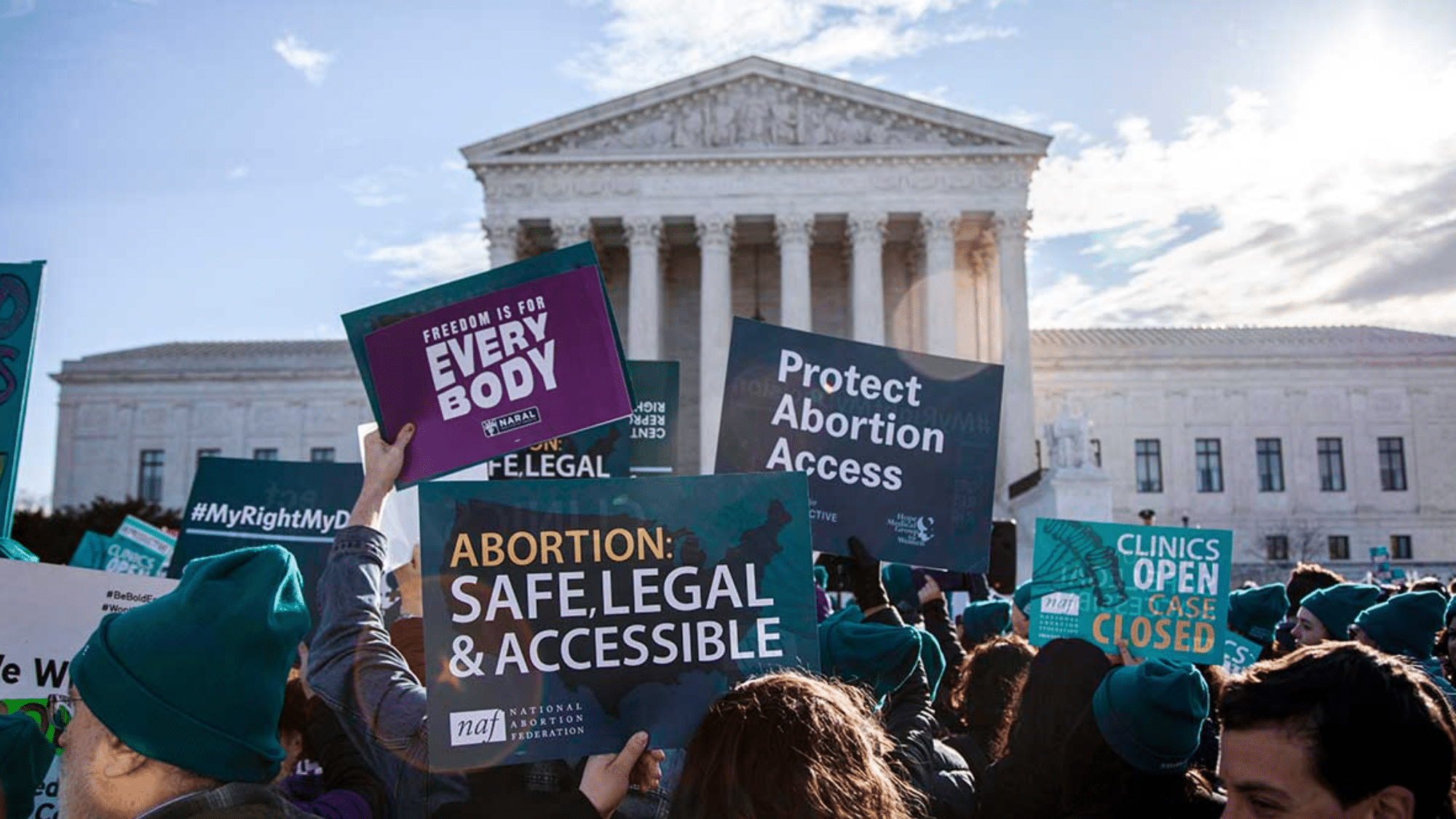
In 2022, the Supreme Court ruled in Dobbs v. Jackson that the Constitution does not protect the right to abortion.
This overturned Roe v. Wade and Planned Parenthood v. Casey, ending nearly 50 years of federal abortion rights.
The decision gave states full authority to regulate abortion. As a result, laws now vary widely; some states ban abortion, while others protect it.
In the years following Dobbs, states have responded in dramatically different ways, some enshrining protections, others enforcing near-total bans.
Constitutional Arguments For and Against Abortion Rights
Constitutional Debate: Is Abortion a Protected Right?
| Arguments For (Pro-Rights) | Arguments Against (Anti-Rights) |
|---|---|
| Tied to privacy, liberty, and bodily autonomy under the Fourteenth Amendment’s Due Process Clause. | The Constitution does not mention abortion or guarantee it as a right. |
| Roe v. Wade recognized abortion as a personal decision protected by privacy. | Dobbs emphasized abortion is not deeply rooted in U.S. history or tradition. |
| Dissenters in Dobbs warned that removing this right threatens personal freedom and equality. | Belief that abortion laws should be decided by state legislatures, not federal courts. |
| Supports broader interpretation of constitutional rights. | Favors strict reading of the Constitution and greater state control over abortion laws. |
State-Level Abortion Rights and Restrictions
As of 2025, abortion laws in the U.S. vary widely by state. Some states, like Michigan, California, and Ohio, have added the right to abortion into their state constitutions or passed strong legal protections.
These states also protect patients and providers from legal action tied to stricter laws elsewhere.
In contrast, states like Texas, Alabama, and Idaho have near-total abortion bans. Courts in some of these states have ruled that their constitutions do not protect abortion rights.
This patchwork system means abortion access now depends heavily on where you live.
Ongoing Legal Debates and Future Prospects
The legal landscape continues to shift, with key developments unfolding in both state courts and at the federal level:
- State courts now decide most abortion laws, leading to legal battles and varying protections across the country.
- Federal lawmakers remain divided, with proposals ranging from national bans to restoring abortion rights.
- Medication abortion is under scrutiny, especially pills like Mifepristone.
- Restrictions impact vulnerable groups the most, worsening health outcomes and deepening inequality.
- The future of abortion rights depends on ongoing court rulings and political action at both the state and national levels.
Final Thoughts
With federal protections removed, states now hold the power to shape abortion laws, resulting in very different outcomes across the country.
With the legal situation evolving rapidly, staying informed is more important than ever. This shifting landscape makes it essential for individuals to stay informed.
Understanding your state’s laws, voting in local elections, and following ongoing legal developments are key to navigating this complex and deeply personal issue.












One Response
If you believe your mother had the right to have an abortion when she was pregnant for, you are suicidal and have no respect for life.