
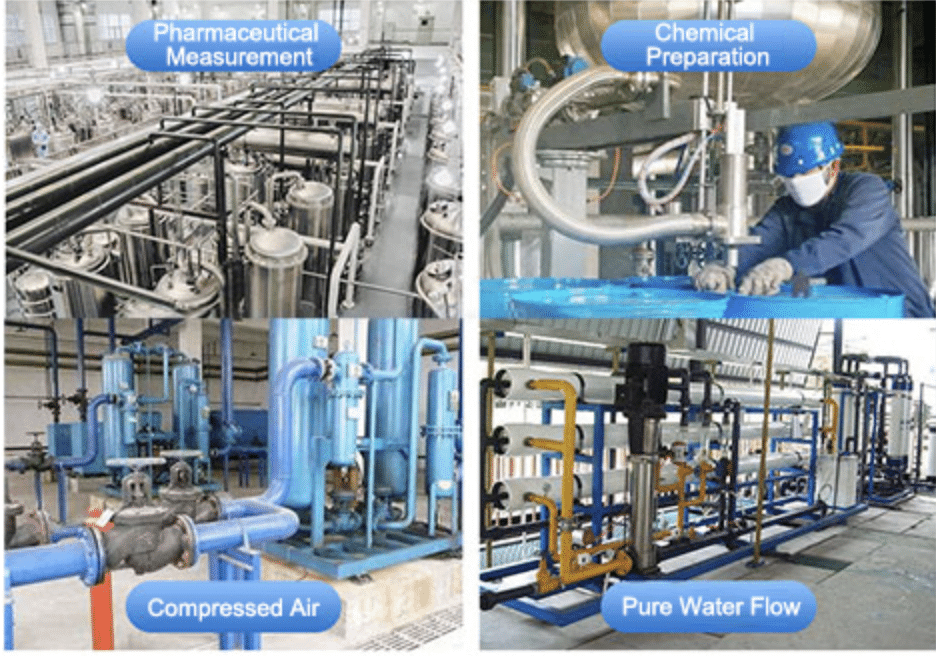

Think about taking a look at your water treatment system over and over, but you still don’t understand the numbers.
The chlorine level goes too high. Afterwards, it lowers down further. The operators make adjustments to the pumps, inspect the system, and repeat. There’s no solution to fix it.
The real problem? A flow meter. The meter was working. It was giving readings. However, this was not the right meter for the task. The pipe size and flow did not “match” what the meter was designed for, and the readings were slightly misinterpreted. Your dosing needs depend on those readings, and even a minor error can result in a significant issue.
So this is what happens when you’re dealing with flow meters. These are the things you probably don’t consider when your systems are functioning normally. However, when the reading is incorrect, you will know the expense is incurred due to excess chemicals, increased bills, poor product quality, or equipment issues.
So, selecting a flow meter isn’t about the most costly or the most attractive specifications.
It is a matter of selecting the right meter to measure the correct flow going down your pipe.
Stop Asking “Which Flow Meter Is Best”
It is the wrong question, and it’s the one most people begin with. The ideal meter for measuring clean water can be ineffective for syrup, slurry, or natural gas. But what is it that flows and what does this measurement need to be correct for?
Three things decide almost everything:
- What’s in the pipe? Clean liquid, dirty liquid, gas, steam or liquid containing solids (such as wastewater or slurry) all react differently when flowing through a sensor.
- The level of accuracy you require. A few percent of error is OK on a home irrigation system. Typically, a pharmaceutical dosing line cannot.
- The appearance of the pipe and site. The types of meter that will even function are limited by pipe size, straight run space before and after the meter, pressure, and temperature.
- With these three factors taken into account, the possible choices are typically cut down to two or three types, rather than ten. A list of realistic options usually narrows itself down to two or three types, not ten.
Matching the Meter to What’s Actually Flowing
Here’s how the common types line up against real jobs, based on what tends to work in practice:
| What You’re Measuring | Meter Type That Usually Fits | Why |
|---|---|---|
| Clean water (municipal, HVAC) | Electromagnetic | Accurate, no moving parts to wear out |
| Wastewater or slurry | Electromagnetic or ultrasonic | Handles solids without clogging |
| Fuel, oil, or chemicals | Turbine or Coriolis | High precision for billing and dosing |
| Compressed air or gas | Vortex or thermal mass | Built for gas behavior, not liquid |
| Steam | Vortex | Only a handful of types tolerate steam conditions. |
| Low-flow lab or dosing lines | Coriolis | Best accuracy at very small flow rates |
| Irrigation or general utility water | Mechanical (paddlewheel/turbine) | Simple, affordable, good enough accuracy |
This isn’t a strict rulebook. Site conditions can shift the answer. But it’s a far better starting point than picking whatever meter shows up first in a search result.
The Part Nobody Mentions Until It’s Already Installed
Every flow meter has a spec sheet claiming a certain accuracy. What the spec sheet doesn’t always make obvious is that most meters only hit that accuracy under specific installation conditions, and installation is where a lot of projects quietly go wrong.
Straight pipe runs matter more than people expect.
Most flow meters need a stretch of straight pipe before and after them, sometimes 10-20 times the pipe’s diameter, to get an accurate reading. Install one right after a valve or elbow, and the turbulence throws the numbers off, even though the meter itself is working fine.
Orientation isn’t optional for every type.
Some meters need to sit horizontally; others need to stay completely full of liquid at all times to read correctly, which rules out installing them at the top of a vertical run where air pockets can form.
Vibration and temperature swings wear certain types out faster.
Mechanical meters with moving parts take more abuse from vibration than electromagnetic or ultrasonic meters, which have no moving parts to fatigue.
Skipping these details doesn’t always cause a total failure. More often, it causes a slow, quiet drift, readings that are just a little bit wrong, in a way that doesn’t get noticed until a billing dispute, a failed audit, or a batch of product that didn’t turn out right.
Where Flow Meters Actually Show Up
It’s easy to think of flow meters as a purely industrial thing, but they sit behind a lot of everyday systems people never think about:
- Municipal water billing. Every water bill in a city depends on a flow meter somewhere between the main line and your building.
- Breweries and food production. Getting the ratio of ingredients right, batch after batch, depends on accurate liquid dosing.
- HVAC systems in large buildings. Chilled water flow rates are monitored constantly to keep heating and cooling balanced and efficient.
- Home wells and irrigation. Homeowners with well systems or drip irrigation use basic flow meters to track usage and catch leaks early.
- Oil, gas, and chemical plants. Custody transfer, where product changes ownership, often depends entirely on flow meter accuracy for billing purposes.
- Hospitals and labs. IV fluid dosing and lab-scale chemical mixing both rely on flow measurement accurate enough to be trusted with health outcomes.
The common thread across every one of these is the same: somebody is trusting a number they can’t see with their own eyes and making a decision, financial, medical, or operational, based on it.
A Fast Way to Sanity-Check Your Choice
Choosing a flow meter gets much easier when you check the basics first. Take a few minutes to go through these five points:
1. Know what’s flowing.
Is it clean water, dirty water, gas, steam, or a chemical? Also check its pressure and temperature. Different fluids need different types of meters. For example, a gas flow meter for high flow measurement.
2. Look at the pipe.
Check the space around your installation point. Is there enough straight pipe before and after the meter? Bends, valves, and pumps too close to the meter can affect the reading.
3. Know how accurate you need to be.
Not every job needs the same level of accuracy. A small irrigation system and a chemical dosing line have very different needs.
4. Match the meter to the job.
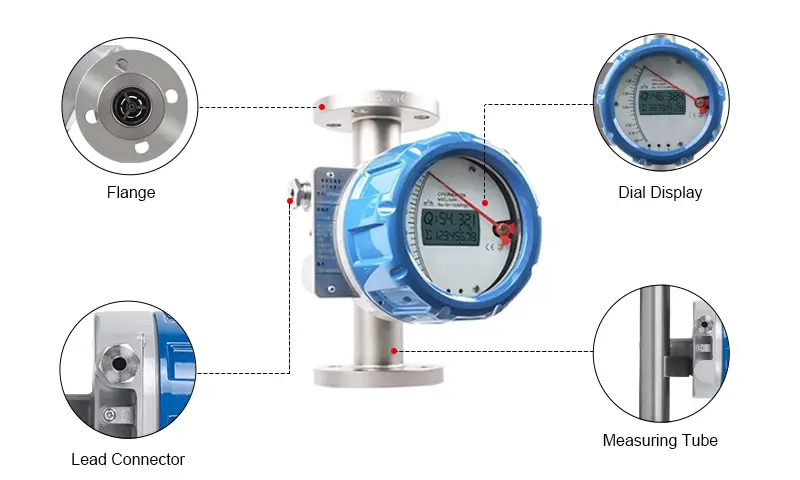
Now go back to the table above and narrow down your options. Pick a meter that fits your fluid, pipe, flow range, and accuracy needs.
5. Check what the meter is made of.
This one is easy to miss, but it matters a lot. If you’re measuring chemicals or corrosive liquids, the parts that touch the fluid must be able to handle them.
A meter can be the right type and still fail if its materials are not suitable for the fluid.
Five simple checks can save you from choosing the wrong meter and dealing with the cost later.
Keep Your Flow Meter Giving the Right Number
A flow meter can work for years, but that does not mean you should install it and forget about it.
Small checks can help you catch problems before they affect your process.
What Should You Check?
- Check the readings: If the flow suddenly goes up or down without a clear reason, check the system.
- Check for accumulation: Some flow meters may be affected by build up of dirt, solids or other materials.
- Inspect the pipe: Ensure that there are no blockages, leaks or other problems in the vicinity of the meter.
- Test the connections: Loose cables or damaged connections may lead to reading issues.
- Be aware of any changes: If it is a number that differs from what the system is doing, don’t disregard it.
- Follow calibration requirements: There are some flow meters that require periodic calibration to ensure accurate reading. Follow the manufacturer’s directions.
It is not necessary to check all of the above daily.
The key is to be aware of the minute changes and not allow them to become costly issues.
Why Should You Use a Flow Meter?
A flow meter can provide more information than just the quantity of fluid flowing through a pipe. Readings can impact chemical dosing, water utilization, product quality, and more.
The best selection will depend on the type of flow, pipe size, flow range, pressure, temperature, installation environment, and required accuracy of the process. Failure to install and maintain the right meter can result in erroneous readings.
so, don’t select the flow meter based on the features or cost only. Select one that is suitably customized to match the real world needs of your system and that you can trust to give accurate readings in the long run.