

The World Cup 2026 will be the largest ever: 48 teams, three host countries, 16 host cities in the United States, Mexico and Canada. In contrast to 1994, when the tournament helped to launch MLS, America now has streaming platforms, social media empires and athlete-led investment groups that are ready to amplify soccer.
To fans who are attempting to understand the magnitude of the tournament, follow stories and compare form before the first whistle, resources such as all World Cup betting tips 2026 will sit alongside team news, player analysis and host-city coverage. Based on that broader focus, a new concept is starting to emerge; American sport superstars are using the 2026 World Cup to begin the process of creating the soccer influence on the US by making the game feel like home to NFL, NBA and MLB fans.
A new playbook: Why celebrity crossover is soccer’s secret weapon
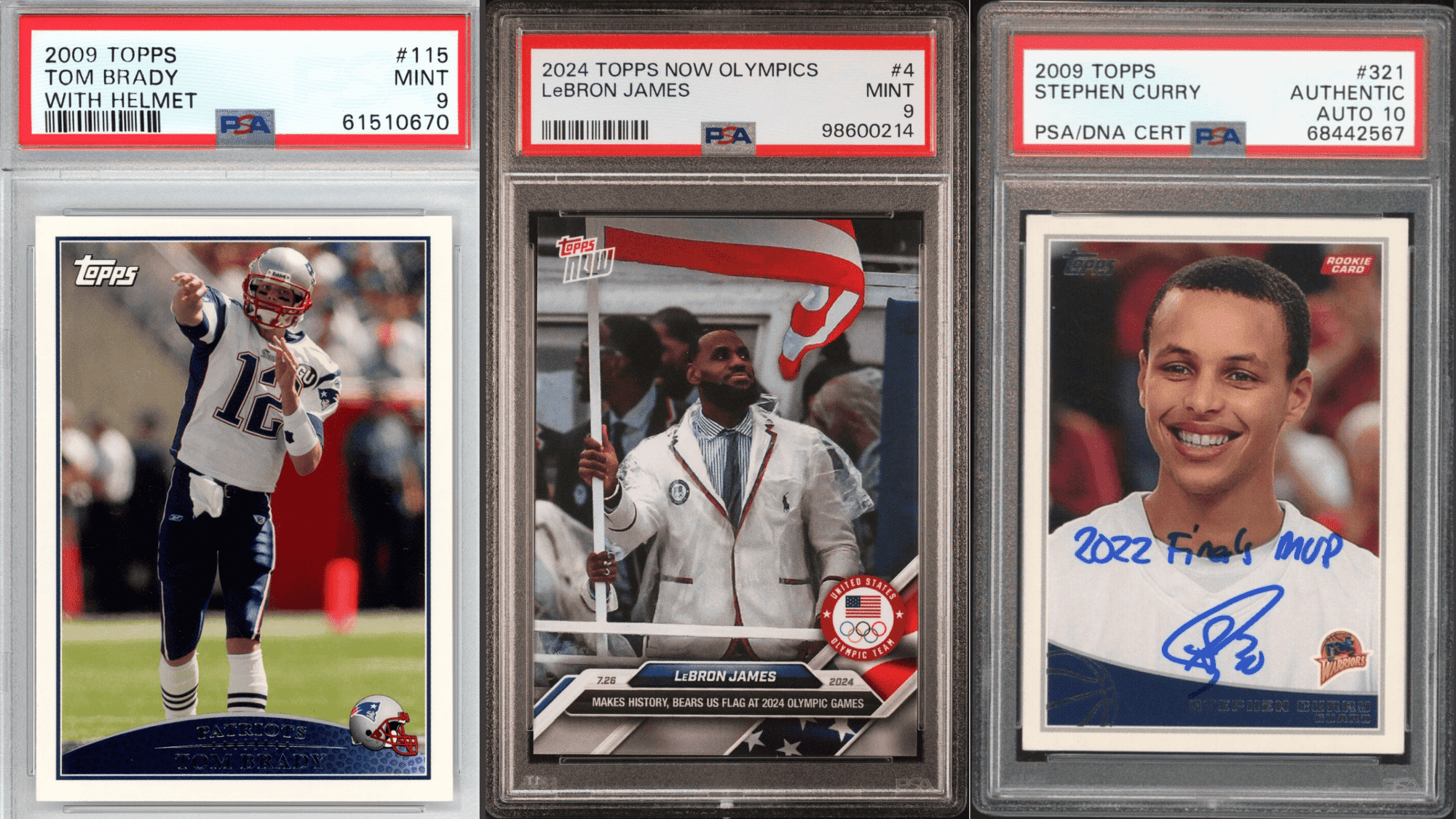
In 1994, soccer required infrastructure. It requires cultural conversion in 2026. The new playbook is personal branding: fans who trust LeBron James, Tom Brady or Patrick Mahomes, may give a second glance to soccer when those stars invest in clubs, promote host cities or attach their media platforms to the game.
That is important in that the popularity of soccer in America is no longer beginning at the bottom. In 2025, MLS reported 11.2 million regular-season fans (average of 21,988), and 13.7 billion impressions through league and club social channels. The storytelling of the streaming age has also contributed. The story of Wrexham and Ted Lasso demonstrated to many Americans that soccer can be emotional, funny and community-driven, rather than foreign or tactical.
The all-star roster: Who’s on team soccer?
Celebrity attendance is not the most significant trend. It is possession, ambassadorship and media advertisement.
LeBron James is still the most obvious business case of basketball to soccer.His connection began in 2011 via a marketing deal that gave FSG exclusive rights to his image in exchange for a 2% stake in Liverpool FC. In 2021, he upgraded that arrangement to become a direct partner in Fenway Sports Group itself, the ownership group behind Liverpool, the Boston Red Sox and more, connecting one of the most iconic figures in NBA history to one of the largest clubs in world soccer history. Tom Brady went a different way, becoming a minority shareholder of Birmingham City, and chairing its advisory board, with a particular emphasis on elite performance culture.
Patrick Mahomes makes the movement take a local American twist. He was confirmed as a co-owner of Sporting Kansas City and, in 2023, joined his wife Brittany as co-owner of the Kansas City Current, becoming the first active NFL player to hold equity in an NWSL team. Another indicator of NBA stars considering soccer both as a business and as a cultural stage around the world is the addition of Giannis Antetokounmpo and his brothers to the ownership group of Nashville SC in 2023.
There is also an increasing number of ambassador positions. Magic Johnson is an official Los Angeles World Cup 2026 community ambassador, and Los Angeles also has an extensive list of community ambassadors, including Luka Doncic, Will Ferrell, Snoop Dogg, Julie Foudy and Mia Hamm. Eli Manning and Josh Hart are some of the official regional ambassadors in New York/New Jersey.
The ripple effect: How star power translates to soccer growth
The influence is practical. A young Chiefs fan who sees Mahomes supporting soccer might consider the sport a viable option. A fan of the Lakers who is watching Magic Johnson advertising the World Cup might feel that the event is a Lakers-LA event and not just FIFA. It is the way youth involvement in soccer and community development in soccer can be increased: via trust, visibility and local pride.
Soccer is also legitimized as a business by celebrity sports investors. They demonstrate to sponsors, broadcasters and city executives that the development of US soccer is not a one-month tale about the World Cup. It is included in a greater change in the development of the soccer culture.
Looking ahead: Securing a lasting legacy beyond 2026
The actual test is after the final whistle. Success will consist of an increase in the attendance of MLS matches, an increase in media-rights values, healthier local clubs and increased youth participation rates. It takes the 2026 World Cup to light the spark, but the American sports super stars can be of help in keeping the flame alive by making soccer feel mainstream, profitable and deeply local.
When that happens, the world will not only have its game hosted in the United States. It will make a giant leap towards being a real soccer country.