
High-Tech Hounds: The Economic Impact of the “Pet Parent” Era in Upper Manhattan
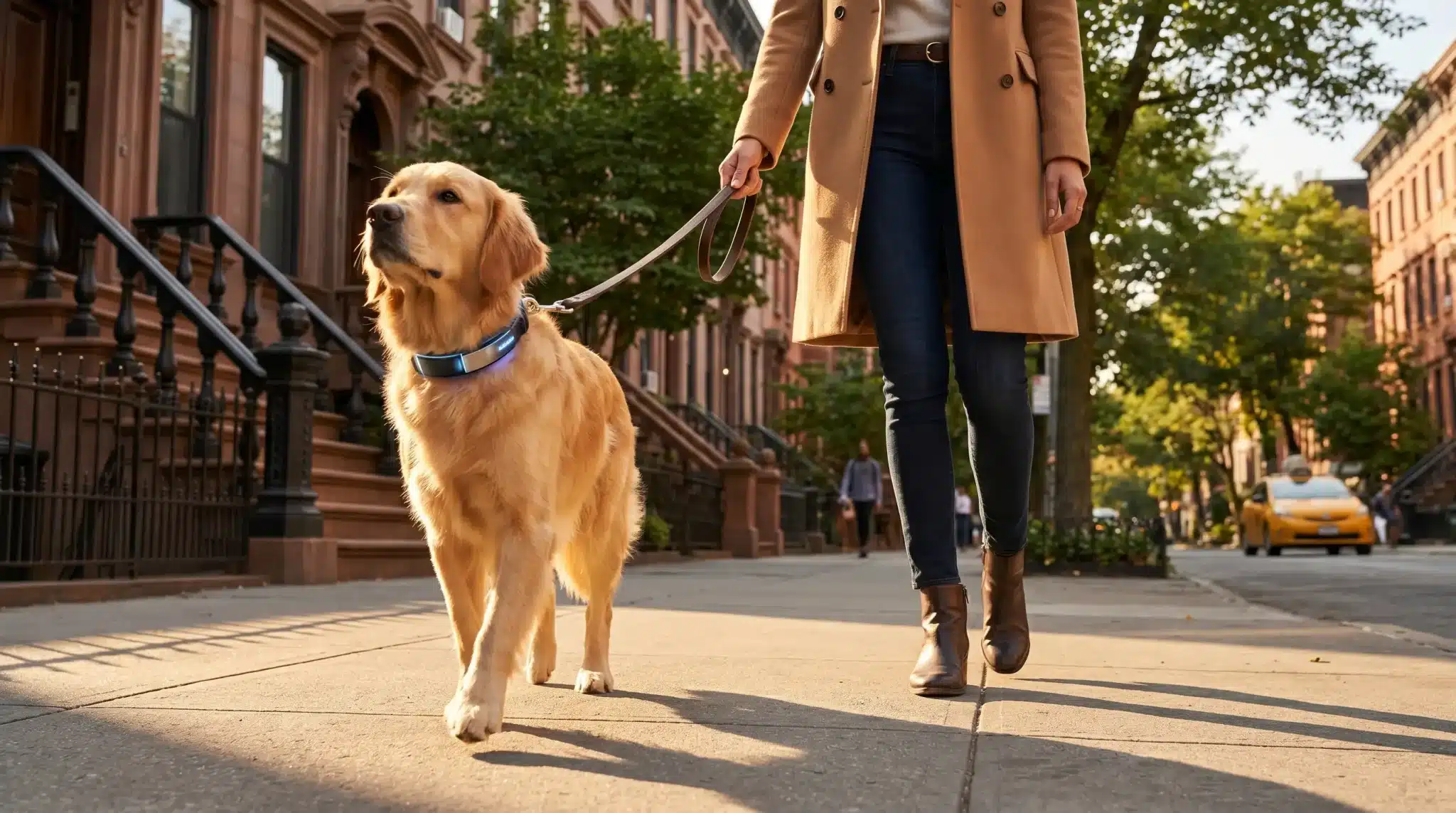
On any given morning in Upper Manhattan, you’ll see it clearly. Dogs weaving through foot traffic on 125th Street, owners pausing at crosswalks with coffee in one hand and a leash in the other, and groups gathering in Marcus Garvey Park before the workday begins. It’s a familiar rhythm, but something about it has changed.
Pet ownership in the city is no longer casual. It’s intentional, considered, and increasingly expensive.
The idea of the “pet parent” has shifted expectations. Dogs are not just companions anymore, they’re part of the household in a much more serious way. That shift is showing up in how people spend. From premium food to dog daycare services and grooming, the pet economy in neighborhoods like Harlem is quietly expanding.
Local businesses have taken notice. Small pet boutiques, specialized walkers, and even pet-friendly cafés are becoming part of the landscape. It’s not just about convenience. It’s about quality and care.
But alongside this growth is a less visible factor: risk.
Upper Manhattan is vibrant, but it’s also fast-moving and unpredictable. Busy intersections, crowded sidewalks, and constant transit flow make even routine walks feel dynamic. Around hubs like 125th Street, where buses, subways, and foot traffic converge, the margin for error is small.
For dog owners, that reality shapes behaviour. It’s not just about keeping a leash on. It’s about staying one step ahead of situations that can change quickly. Owners even get chews for their dogs to keep them calm and relieve stress.
That’s where spending habits begin to shift in a more focused way. Beyond food and services, there is a growing investment in safety. Owners are looking for ways to reduce uncertainty, especially in environments where distractions and movement are constant.
This has contributed to a noticeable rise in demand for tracking and monitoring tools. What once felt like a niche category is becoming part of mainstream pet ownership. The GPS dog collar market, in particular, is seeing strong growth as urban residents look for practical ways to stay connected to their pets.
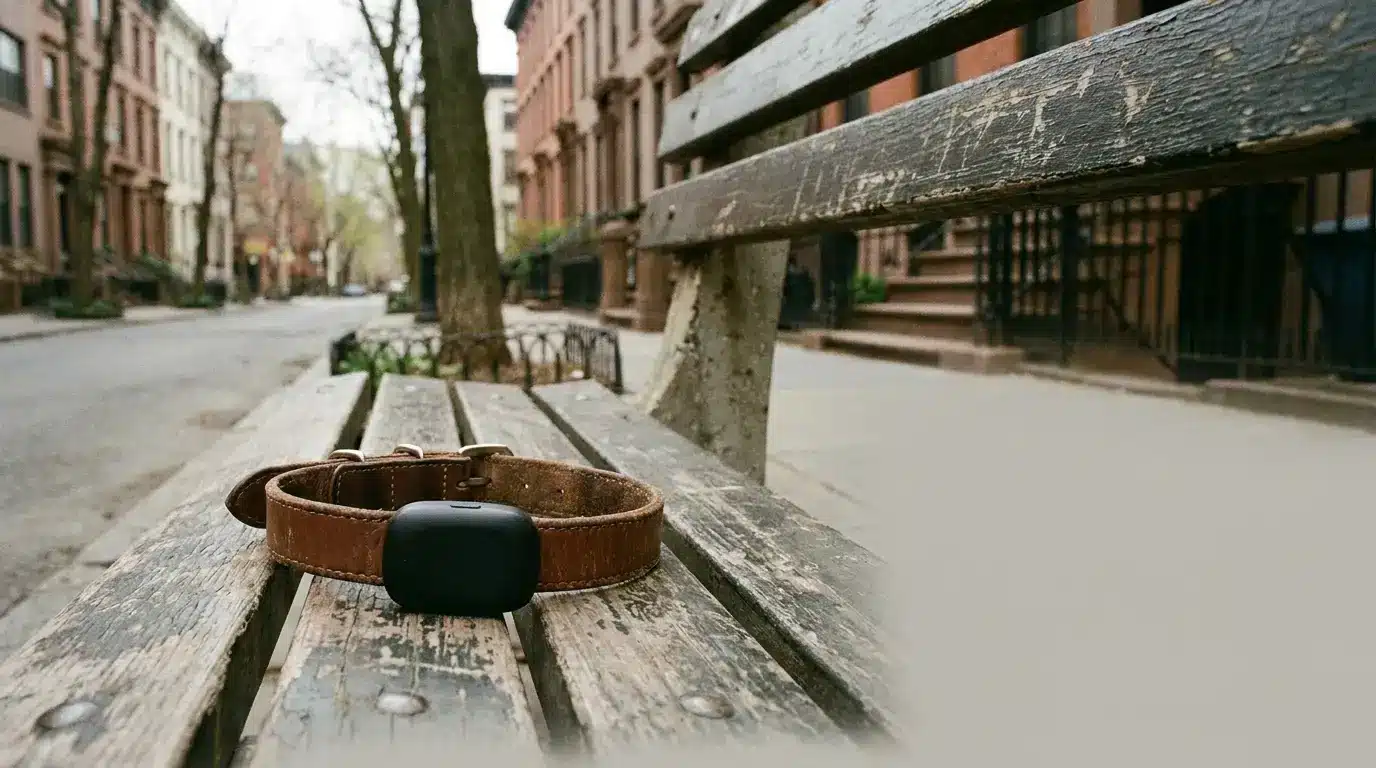
In a setting like Harlem, where a dog can move from a quiet side street to a crowded avenue in seconds, that connection matters. It’s not about surveillance. It’s about awareness.
In those moments where a leash slips, a gate is left open, or a distraction pulls a dog off course, response time becomes critical. That’s where technology is starting to play a more practical role in everyday ownership.
As expectations evolve, many owners are turning to smart collar for dogs to bridge that gap, using real-time tracking through mobile apps to stay connected even in high-traffic environments. The goal isn’t constant monitoring, but having the ability to act quickly when it matters most.
This shift also reflects a broader change in mindset. Spending on pets is no longer reactive. It’s proactive. Instead of responding to problems, owners are investing upfront to avoid them.
That approach is becoming the new standard. Much like home security systems or health tracking devices, pet technology is moving into the category of everyday essentials.
Lifestyle trends in the community continue to evolve alongside broader cultural shifts, and pet ownership is no exception. As more residents embrace flexible work, urban living patterns, and hybrid routines, pets are becoming even more integrated into daily life.
With that integration comes responsibility.
The result is a quieter but significant economic ripple effect. More spending, more services, and more innovation, all centred around a single idea: keeping pets safe in a complex environment.
Looking ahead, this trend is unlikely to slow down. If anything, it will become more refined. Technology will continue to integrate seamlessly into pet care, and expectations will rise alongside it.
In Upper Manhattan, the image of a dog walking beside its owner hasn’t changed. But everything behind that image has.