


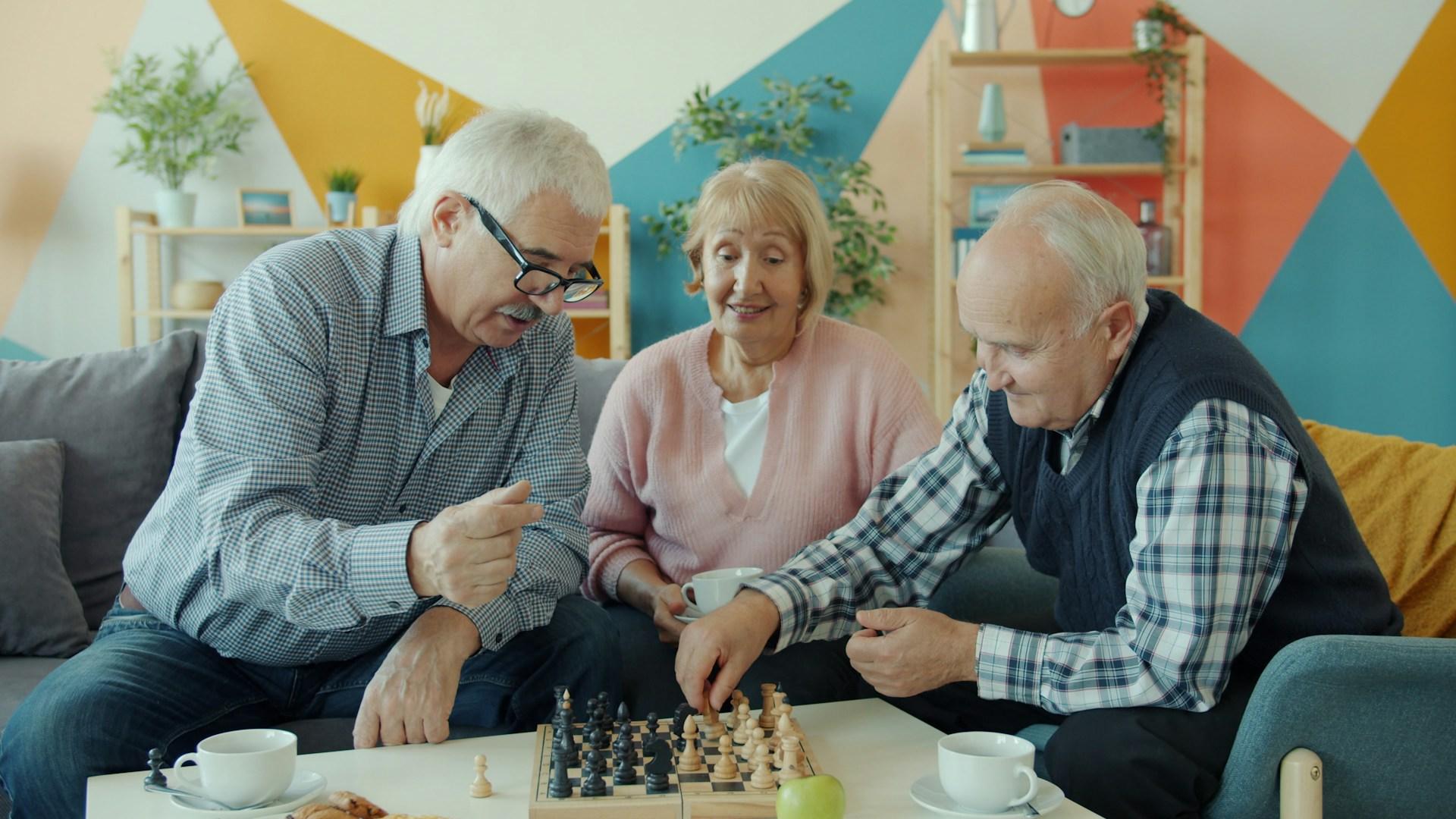
Companion care bridges a gap that medicine alone can’t close. Mental health in older adults is treated like a clinical problem. Prescribe something. Schedule therapy. Adjust the dosage. But for millions of seniors, the daily erosion of their emotional wellbeing doesn’t happen in a doctor’s office – it happens at home, in the silence between visits, in the absence of someone to talk to. Companion care addresses something that a prescription can’t: the basic human need for consistent, meaningful social contact.
The Loneliness Problem is Bigger Than Most Families Realize
Social isolation isn’t a soft issue. Social isolation is associated with a nearly 50% increased risk of dementia and a 26% increased risk of all-cause mortality. Those aren’t numbers that suggest adding a weekly phone call and hoping for the best.
What makes isolation so damaging is how quietly it accumulates. A senior who loses a spouse, stops driving, and watches their social circle shrink over a few years doesn’t feel lonely in one dramatic moment. It compounds slowly, and by the time depression is obvious, cognitive decline may already be underway.
One specific risk that doesn’t get enough attention is pseudo-dementia – a condition where severe depression in older adults produces symptoms that look almost identical to early Alzheimer’s. Memory lapses, confusion, withdrawal. Families start bracing for the worst when the underlying problem is treatable. A companion who’s present daily is far more likely to notice the pattern and flag it than a clinician who sees a patient for twenty minutes every few weeks.
What a Companion Actually Does for Mental Health
The task may appear simple. Stay with someone. But it is important to understand the clinical details of what occurs during regular social interaction.
Frequent conversation and joint activities provide cognitive stimulation that supports neuroplasticity. Playing word games, sharing memories, or solving crosswords – these activities are not just ways of entertaining each other. They stimulate executive function and help maintain brain activity.
Regular interaction also helps stabilize cortisol. Cortisol levels increase due to chronic stress, and this can speed up cognitive decline. A relaxed, regular atmosphere – involving someone who visits at the same time, follows a pattern, and engages seniors without stress – reduces the amount of stress reaction.
For seniors who already have early-stage dementia, this is crucial. Sundowning – the sudden increase of confusion and anxiety in many dementia patients during the late afternoon and evening – can be reduced by the presence of a routine-based companion. A companion who offers a regular, stress-free presence during that part of the day can help minimize these episodes. Most of the time, these cannot be reduced solely with medication.

The Soft Signals That Family Visits Miss
Short family visits are important but they can’t be surveillance. One two-hour visit on Sunday isn’t going to note the decline in hygiene. It won’t know that there hasn’t been breakfast eaten for two weeks, or that the refrigerator is almost empty, or that the person who used to be obsessed with a certain TV show rarely watches it anymore.
Companion care is that constant observation layer that catches those soft signals. A decrease in appetite is directly related to mood – the field of nutritional psychiatry – but a companion helping with meal prep isn’t just improving the quality of the diet, they are in a position to see when the interest in food wanes and tie it to the broader decline.
None of this is clinical. None of this requires a degree in nursing. It just requires being there.
Fitting Companion Care into the Larger Picture
Companion care isn’t a replacement for medical oversight. Numerous families meld companion care with expert in-home health services to address both the physical and emotional needs of a senior without needing to move that senior away from their familiar home. Aging in place is the ideal aging scenario for nearly all seniors, but it’s only possible if this sort of social scaffolding is in place.

Family respite is just as significant. Caregiver burnout is a real, documented curse, and when the daughter/son/husband/wife is running on fumes, the quality of care provided inevitably decreases. When a companion can come in and provide regular relief, everyone in the equation benefits and there are less disruptive shifts in the care itself.
Finally, connection with individuals from other generations is something many people go without. For a lot of seniors, talking about their feelings related to the loss of their independence or the grief that inevitably accompanies old age is difficult when the person is a child or a grandchild. Opening up to a companion is a different experience entirely and is one that can lead to some incredibly beneficial breakthroughs.
The Case for Treating Companion Care as Preventative
Describing companion care as an indulgence trivializes the actual toll of loneliness. The reality is that cognitive decline speeds up, hospitalizations go up, and the mental health problem that could have been stopped earlier then becomes the medical problem that’s costly and more difficult to solve.
Companion care, if viewed in the right context, is a preventive solution. It won’t be a substitute for therapy or drugs for seniors who will need them. But for many older individuals, what is lacking is not a diagnosis or a drug, it’s the presence of another person.