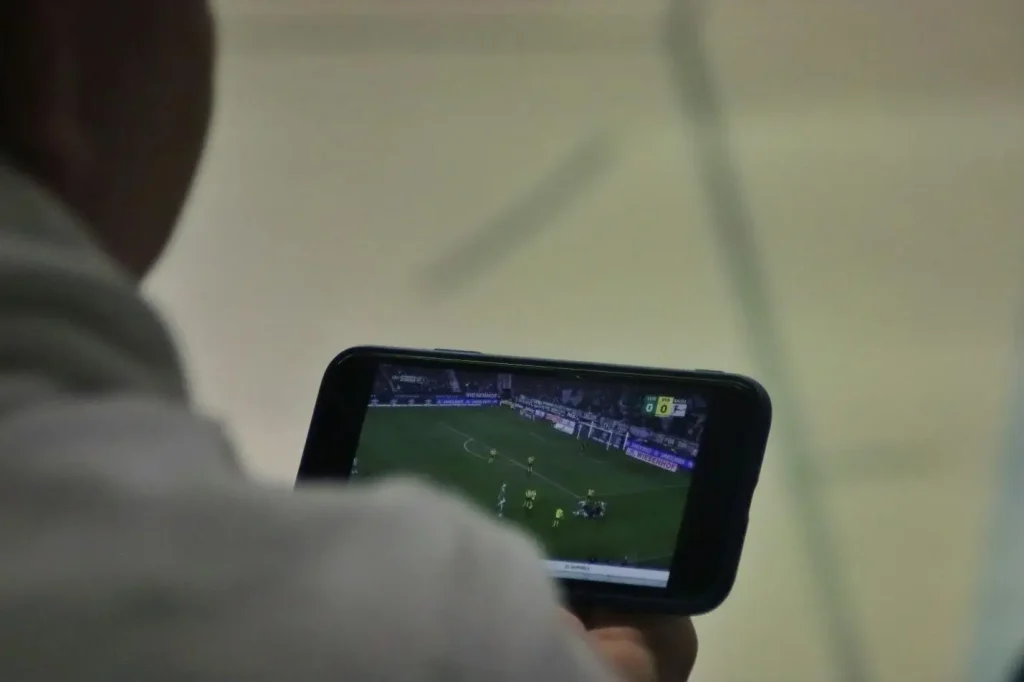


Entertainment habits continue to evolve as audiences look for experiences that feel more interactive and connected. Prediction-based apps sit at the center of that shift, combining live entertainment with responsive technology to keep users involved in real time rather than on the sidelines.
These platforms fit naturally into everyday media routines. They blend live events, mobile access, and timely updates into a single experience that feels engaging without being complicated or overwhelming.
Rather than replacing traditional entertainment, prediction-based apps add a new layer to it. They allow fans to stay curious, attentive, and involved while still enjoying the main event as it unfolds.
Entertainment Is Becoming Participatory in Real Time
For decades, entertainment followed a one-directional model. People watched games or events, reacted to big moments, and discussed the results after everything was over. Prediction-based apps change that rhythm by encouraging engagement while the action is still happening.
Instead of focusing only on final results, users think ahead. They consider what might happen next, turning each moment into part of an unfolding experience rather than a passive watch.
This real-time participation makes entertainment feel more alive. Viewers aren’t simply waiting for a conclusion; they’re involved in how the story develops moment by moment.
Prediction-driven interaction also helps maintain interest during slower stretches. When outcomes are still in question, even routine sequences feel relevant and worth paying attention to.
Technology That Enhances Without Overpowering
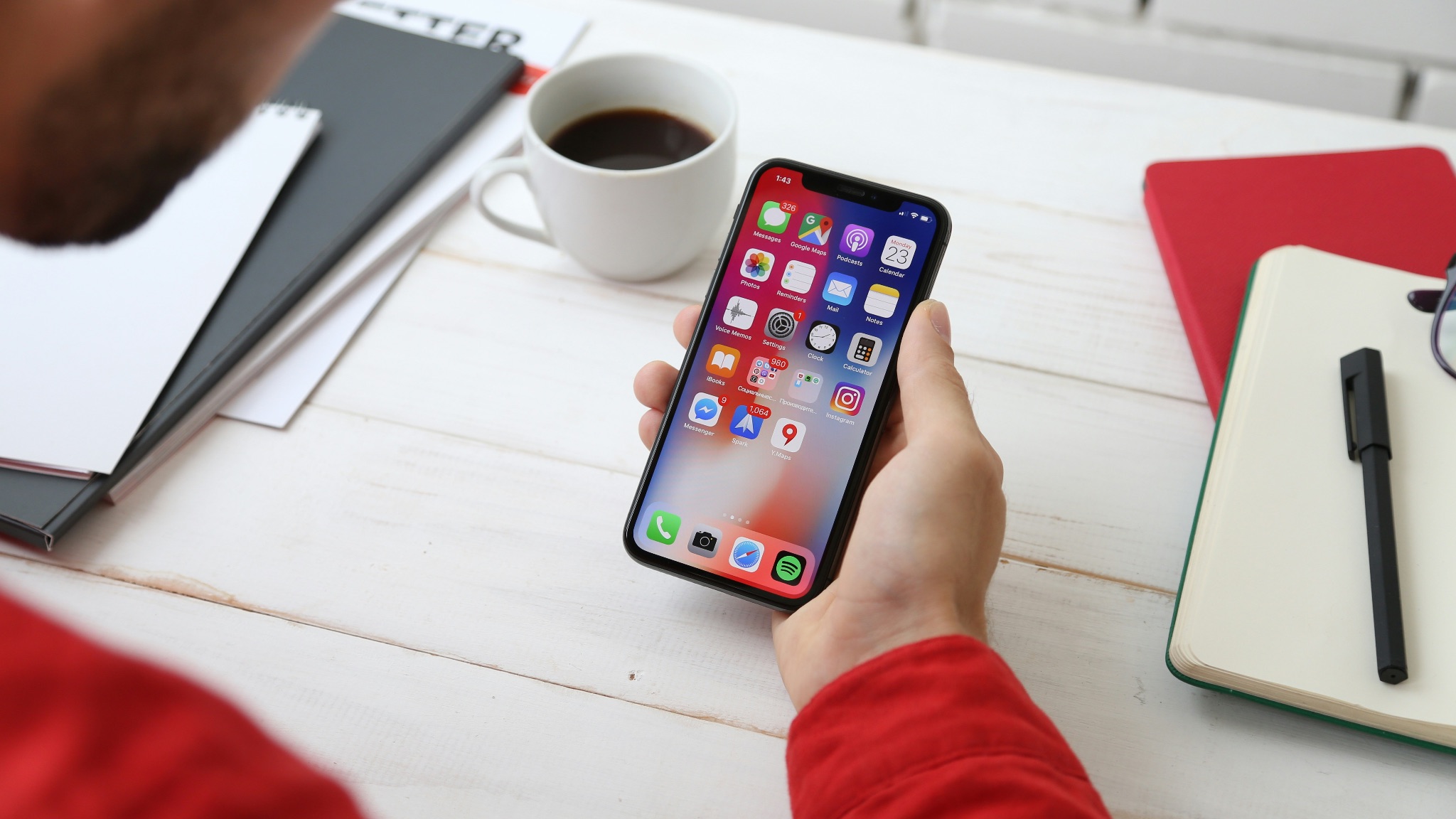
The appeal of prediction-based apps relies heavily on how smoothly the technology works. Fast refresh rates, intuitive layouts, and mobile-friendly design allow users to interact without friction or confusion.
These platforms are built to operate alongside live events and the latest news, giving users quick access to relevant information without pulling focus away from what they’re watching. The technology supports the experience rather than competing with it.
When designed well, the tools feel almost invisible. Users aren’t thinking about how the app functions behind the scenes. Instead, they’re focused on the entertainment and the choices unfolding in front of them.
This balance between performance and simplicity is critical. It allows prediction-based apps to blend naturally into existing habits rather than feeling like an extra task or distraction.
Why Prediction-Based Interaction Suits Audiences
Many adults already consume entertainment while multitasking. Checking phones during live events has become second nature, whether it’s for updates, messages, or related content. Prediction-based apps give purpose to that behavior.
Participation doesn’t require constant attention. Users can check in briefly, make a selection, and return later, making it easy to stay involved while balancing work, family, or other responsibilities.
That flexibility is one of the biggest reasons prediction-based apps feel approachable. They adapt to real-life schedules instead of demanding uninterrupted focus for long periods.
Over time, this kind of engagement becomes habitual. Fans don’t feel pressured to participate, but they enjoy having the option available whenever they want to check in.
Simplicity and Curiosity Drive Continued Engagement
One of the strongest advantages of prediction-based apps is their emphasis on simplicity. Clear prompts and straightforward navigation make them accessible at any experience level. Users don’t need specialized knowledge or a large time commitment to participate. They can engage casually while still feeling connected to what’s happening.
At the same time, these platforms tap into natural curiosity. Many people enjoy testing their instincts and seeing how close their expectations come to reality. That curiosity keeps users coming back. Even familiar events feel fresh when there’s something new to consider or anticipate.
Platforms like FanDuel Predicts reflect this approach by focusing on clarity and responsiveness. The experience aligns with how audiences already follow sports, economics, financials, and live events on their devices, making participation feel seamless rather than forced.

Extending Entertainment Beyond the Main Event
Prediction-based apps stretch the entertainment experience well beyond the live broadcast itself. Engagement often begins before an event starts and continues after it ends.
Beforehand, users explore possible results and trends. During the event, they monitor how things are unfolding in real time. Afterward, they reflect on what happened compared to expectations and predictions.
This extended timeline turns a single sports game or event into an ongoing experience rather than a fixed window. Entertainment becomes something that unfolds gradually instead of ending abruptly once the screen goes dark.
Building a Sense of Community Online
Social interaction plays a meaningful role here as well. Many users share reactions, compare results, and discuss with friends or online communities, often referencing real-time updates and the latest news.
Participating alongside others adds depth to the experience. Conversations start earlier, last longer, and create a sense of continuity across an entire season or series.
That shared involvement helps keep entertainment relevant between events. Fans stay connected not just to the content itself, but to the discussions and relationships built around it.
Where Prediction-Based Entertainment Is Headed
Prediction-based apps highlight how entertainment and technology can blend in practical, meaningful ways. By combining real-time interaction, intuitive design, and timely information, they create experiences that feel active and connected.
For audiences who rely on quick updates, this model feels natural. Entertainment becomes something to engage with rather than something to simply observe.
As these platforms continue to evolve, they are reshaping how people experience live events. By keeping engagement simple, responsive, and optional, prediction-based apps are helping define a future where entertainment feels more immersive while still preserving what makes it enjoyable in the first place.