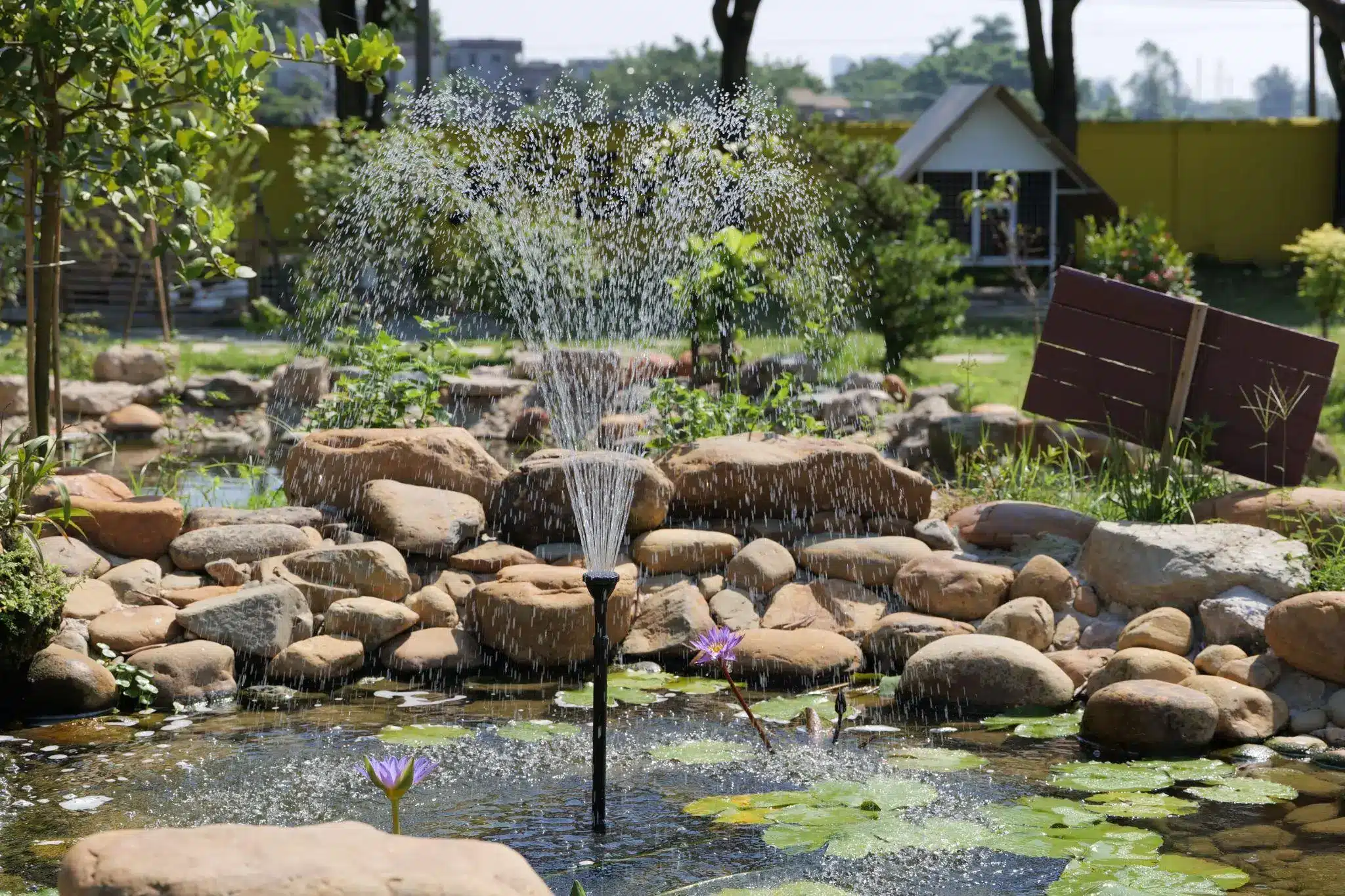


Working in the garden or tending to your lawn during hot weather can be both rewarding and challenging. As temperatures rise, taking proper precautions is essential to ensure that you not only protect your plants but also stay safe and healthy. This article outlines practical tips for caring for your garden and lawn when the heat is on.
1. Hydrate Yourself Frequently
When the sun is scorching, staying hydrated is your first line of defense. Dehydration is a common risk when working outside in hot weather, and it can quickly lead to fatigue, dizziness, or even heat exhaustion. Make it a habit to drink water regularly, even before you start working. Keep a water bottle close by and take frequent breaks to hydrate.
It’s important to listen to your body. If you start feeling thirsty, dizzy, or unusually tired, take a rest and drink water immediately. Sports drinks with electrolytes can also help, but nothing beats plain water for keeping you hydrated without added sugars.
2. Wear the Right Gear
Protecting your skin from harmful UV rays is crucial during hot weather. Wearing protective clothing, such as a wide-brimmed hat, long sleeves, and pants, will shield your skin from the sun. Look for clothing made from breathable, lightweight materials to prevent overheating.
Opt for UV-protective fabrics that are specifically designed to block out the sun’s rays while still allowing air circulation. This is particularly important if you’ll be working outside for extended periods. A good pair of sunglasses with UV protection will also help protect your eyes from the harsh glare of the sun.
While clothing can protect your skin, don’t forget about sunscreen. Apply a broad-spectrum sunscreen with an SPF of 30 or higher to exposed skin every two hours. This is especially vital during long gardening sessions, as sunburns can occur even on cloudy days.
3. Choose the Right Time of Day to Work
Timing is everything when working in the garden or on your lawn during the summer months. Try to avoid the hottest parts of the day, usually between 10 AM and 4 PM, when the sun is at its peak. Instead, plan your outdoor work early in the morning or later in the evening when the temperatures are cooler and the sun isn’t as intense.
Gardening in the early morning has its benefits, including calm winds and less humidity, making it the most comfortable time to work. Additionally, mornings often offer the freshest air, which can be invigorating for both you and your plants.
4. Take Advantage of Shade
Creating shade for yourself while you work outdoors is an effective way to reduce the risk of overheating. A handy lawn mower shade canopy can be a great investment. These canopies provide a portable way to shield yourself from the sun’s harsh rays while still being able to carry on with your work. If you’re using heavy equipment like a lawnmower, having a shade structure nearby can give you a moment of relief when you need it most.
For more extensive shade coverage, consider setting up a gazebo, patio umbrella, or even a shade cloth in areas where you tend to work the most. It’s also a good idea to create shaded spaces for your plants if you are in the midst of transplanting or caring for delicate flowers or vegetables.
5. Use Tools and Equipment Efficiently
Hot weather can make even the simplest tasks seem like a chore, so using the right tools can help reduce physical strain. Consider investing in ergonomic tools designed to reduce the effort needed for tasks like weeding, planting, or trimming. Power tools like electric trimmers, hedge cutters, or blowers can speed up the job, cutting down the amount of time you’re exposed to the heat.
Additionally, ensure that your equipment is well-maintained and ready to go when you need it. A lawn mower that’s in top condition can help you finish your tasks more efficiently and avoid unnecessary stress. Regularly check the oil, sharpen the blades, and keep the tires inflated to ensure optimal performance.
6. Take Frequent Breaks
It’s easy to get caught up in the rhythm of working outdoors, but don’t push yourself too hard in extreme heat. Schedule regular breaks, and make sure you step into a cooler area, like the shade or an air-conditioned room, for a short period. Use this time to hydrate, rest, and cool down.
A simple strategy is to work for about 30 minutes and then take a 10-minute break. By pacing yourself, you can avoid exhaustion and ensure that you stay productive throughout the day. If possible, alternate between physical work and more relaxing tasks like watering plants or organizing your tools.
7. Water Your Plants at the Right Time
Watering your lawn and garden is essential, especially in the heat of summer. However, timing your watering sessions correctly is just as important as how much you water. Watering in the early morning or late afternoon allows the moisture to soak into the soil without being evaporated by the midday sun.
Avoid watering during the heat of the day, as the water will evaporate before it can properly hydrate your plants. Watering in the evening can sometimes promote disease, but it’s far better than watering during the scorching afternoon sun.
8. Mulch for Moisture Retention
Mulching is one of the most effective ways to protect your garden in hot weather. A layer of mulch helps retain moisture in the soil, keeping your plants hydrated for longer periods. It also prevents weed growth, which can compete with your plants for water and nutrients.
Choose organic mulches like bark chips, wood shavings, or straw, which break down over time and improve the quality of the soil. Apply a 2 to 3-inch layer around your plants, making sure not to pile it up against the stems, as this could lead to rot.
9. Know When to Skip the Work
Sometimes, the best decision is to simply wait for cooler weather. If the temperatures are too high and you’re feeling overheated, it’s okay to put off certain tasks. Take a day or two off to recover, and let your plants get by without your help for a short period. Some tasks, like heavy pruning or planting, can be postponed until the weather cools down.
As long as your plants are adequately watered and not suffering from extreme heat stress, they can generally survive a day or two without additional care. Focus on the essentials like watering and provide light maintenance, but don’t push yourself too hard during extreme conditions.
For further advice on outdoor work safety during hot weather, websites like The National Gardening Association offer valuable information for gardeners at all levels.
Conclusion
Tending to your garden and lawn during the hot months doesn’t have to be a burden. With the right precautions in place, you can ensure that you stay safe while keeping your outdoor spaces looking beautiful. From staying hydrated to using shade and the right equipment, these tips will help you work smarter, not harder, during those scorching summer days.