
Chronic spinal stenosis affects millions of people worldwide, causing debilitating pain, numbness, and mobility limitations that can severely impact quality of life. This condition occurs when the spinal canal narrows, compressing nerve roots and the spinal cord itself. While traditional treatments have offered some relief, recent medical advances, including spinal stenosis surgery, have introduced groundbreaking approaches that provide new hope for patients struggling with this challenging condition.
Understanding Spinal Stenosis
Spinal stenosis typically develops gradually, often due to age-related changes in the spine. The narrowing can occur in the cervical (neck), thoracic (mid-back), or lumbar (lower back) regions, with lumbar stenosis being the most common. Symptoms include leg pain, cramping, weakness, and the characteristic “neurogenic claudication” – pain that worsens with walking and improves with sitting or leaning forward.
The traditional approach to managing spinal stenosis has relied on conservative treatments such as physical therapy, anti-inflammatory medications, and epidural steroid injections. While these methods can provide temporary relief, they often fail to address the underlying structural issues that cause symptoms to persist and worsen over time.
Approach 1: Advanced Minimally Invasive Surgical Techniques
Modern surgical intervention represents perhaps the most significant breakthrough in spinal stenosis treatment. Today’s minimally invasive procedures offer dramatic improvements over traditional open surgery, providing effective decompression while preserving spinal stability and reducing recovery time.
Endoscopic Spinal Decompression
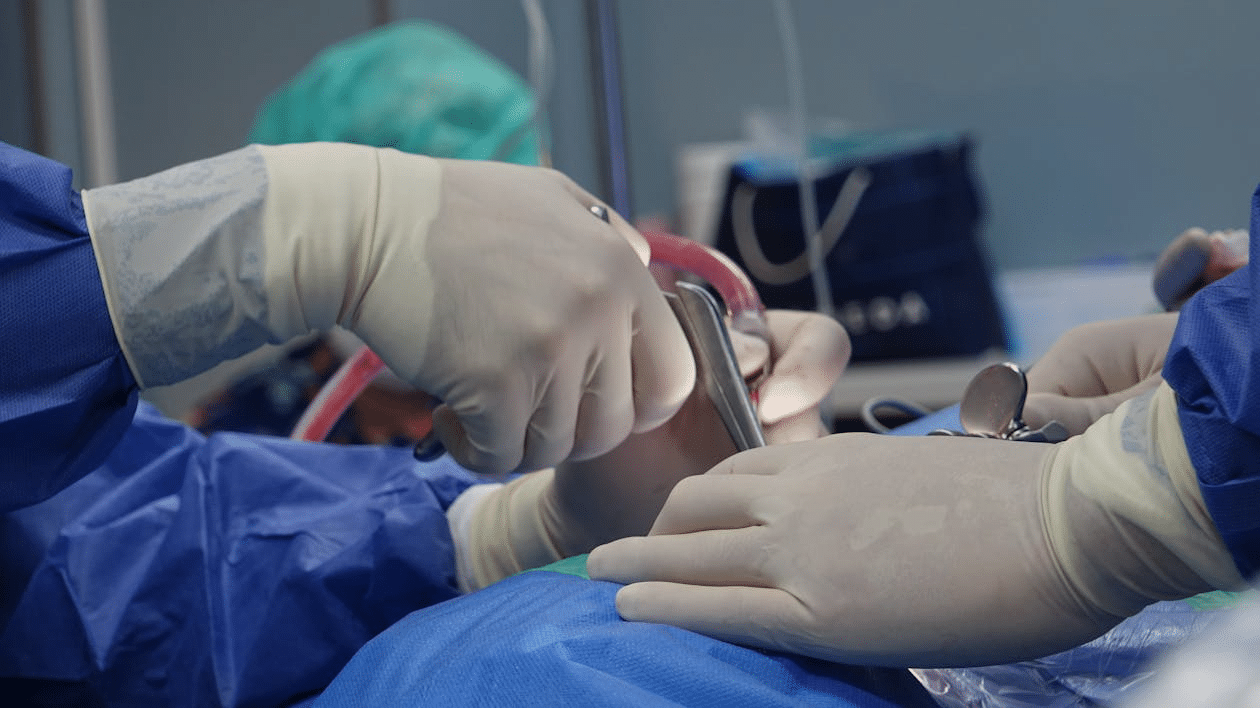
One of the most promising surgical advances is endoscopic spinal decompression. This technique uses a tiny camera and specialized instruments inserted through small incisions to remove bone spurs, thickened ligaments, and herniated disc material that contribute to nerve compression. The procedure typically requires only local anesthesia and can often be performed on an outpatient basis.
The benefits of endoscopic decompression are substantial. Patients experience less tissue damage, reduced blood loss, and faster healing compared to traditional surgery. Many patients can return to normal activities within weeks rather than months, making this approach particularly attractive for older adults who may not tolerate extensive surgical procedures well.
Mechanical Spinal Devices
A revolutionary development in spinal surgery is the introduction of mechanical posterior dynamic stabilization devices like the Premia TOPS System. This innovative technology addresses a critical limitation of traditional spinal fusion by preserving natural spine movement while providing stability.
The Premia TOPS System consists of titanium plates connected by a unique mechanical joint that allows controlled flexion, extension, lateral bending, and axial rotation. Unlike spinal fusion, which permanently eliminates motion at the treated level, this system maintains the spine’s natural biomechanics while preventing the excessive movement that can cause nerve compression.
Patients treated with the TOPS System experience significant improvements in pain and function while maintaining spinal mobility. The device is particularly beneficial for patients with degenerative spondylolisthesis combined with spinal stenosis, a condition where vertebrae slip out of alignment and compress neural structures.
The surgical procedure for TOPS implantation involves decompressing the neural elements and then securing the device to the spinous processes and lamina. Recovery is typically faster than traditional fusion surgery because the device preserves motion, reducing stress on adjacent spinal segments and potentially decreasing the risk of future problems at nearby levels.
Approach 2: Regenerative Medicine and Biological Therapies
The second breakthrough approach leverages the body’s natural healing mechanisms through regenerative medicine. These cutting-edge treatments focus on repairing damaged tissues and reducing inflammation at the cellular level, offering a non-surgical alternative for many patients.
Platelet-Rich Plasma (PRP) Therapy
PRP therapy involves extracting a patient’s blood, concentrating the platelets, and injecting this enriched solution into affected areas of the spine. Platelets contain numerous growth factors that promote tissue healing and reduce inflammation. When injected into the facet joints, ligaments, or epidural space, PRP can help repair damaged structures and alleviate symptoms.
Clinical evidence suggests that PRP therapy can provide sustained pain relief and improved function for spinal stenosis patients. The treatment is particularly effective when combined with physical therapy and other conservative measures. Multiple sessions may be required, but the approach is generally well-tolerated with minimal side effects.
Stem Cell Therapy
Stem cell therapy represents another frontier in spinal stenosis treatment. These versatile cells can differentiate into various tissue types, including bone, cartilage, and connective tissue. When injected into the spine, stem cells may help regenerate damaged structures and reduce the inflammatory processes that contribute to nerve compression.
Current research focuses on both autologous stem cells (harvested from the patient’s own bone marrow or adipose tissue) and allogeneic cells from donors. Early clinical trials show promising results, with patients experiencing reduced pain and improved mobility. However, this field is still evolving, and long-term outcomes require further investigation.
Growth Factor Injections
Direct injection of specific growth factors, such as bone morphogenetic proteins (BMPs) and nerve growth factors, offers another biological approach to treating spinal stenosis. These proteins can stimulate tissue repair and reduce inflammation in targeted areas of the spine.
Approach 3: Comprehensive Pain Management
The third breakthrough approach recognizes that effective spinal stenosis management requires addressing the complex interplay of physical, neurological, and psychological factors that contribute to chronic pain. This comprehensive strategy combines multiple treatment modalities to optimize outcomes.
Targeted Nerve Blocks and Radiofrequency Ablation
Advanced interventional pain management techniques provide precise targeting of specific nerve pathways involved in spinal stenosis pain. Selective nerve root blocks can identify and treat individual compressed nerves, while medial branch blocks target the small nerves that supply the facet joints.
Radiofrequency ablation takes this approach further by using heat to temporarily disable pain-transmitting nerves. This procedure can provide months of pain relief and can be repeated as needed. The minimally invasive nature of these treatments makes them suitable for patients who are not candidates for surgery.
Neuromodulation Therapies
Spinal cord stimulation and peripheral nerve stimulation represent sophisticated approaches to managing chronic stenosis pain. These devices deliver controlled electrical impulses to interrupt pain signals before they reach the brain. Modern systems offer programmable settings that can be adjusted to optimize pain relief for individual patients.
The latest generation of neuromodulation devices includes closed-loop systems that automatically adjust stimulation based on patient activity and position. This technology is particularly beneficial for stenosis patients whose symptoms vary with posture and movement.
Integrated Rehabilitation Programs
Comprehensive rehabilitation programs combine physical therapy, occupational therapy, and psychological support to address all aspects of spinal stenosis. These programs emphasize functional improvement, pain coping strategies, and lifestyle modifications that can reduce symptom severity and improve quality of life.
Modern rehabilitation incorporates advanced technologies such as anti-gravity treadmills, virtual reality balance training, and biofeedback systems. These tools allow patients to exercise safely while monitoring their progress and adjusting treatment protocols as needed.
Thanks for reading. We hope you have found this article informative, and we wish you well in your spinal stenosis treatment.