

There are certain sporting events that draw student groups from across the country. Conference championships. Rivalry games. March Madness regional rounds. These aren’t just games – they’re experiences students plan for months in advance and remember decades later. Some things are worth the trip.
The Games Worth the Drive
Not every game justifies a long bus ride. But certain matchups make the logistics worthwhile – the ones where the outcome actually matters, where the atmosphere becomes part of the story, where showing up means something years later.
Conference Championship Games
December brings conference championship games to neutral-site stadiums, and student groups from both teams descend en masse. The SEC Championship in Atlanta, Big 12 Championship in Arlington, ACC Championship in Charlotte – playoff implications raise the stakes. Student sections coordinate trips months ahead because missing your team’s championship isn’t an option.
The Rivalry Games
Texas versus Oklahoma at the Cotton Bowl splits the stadium exactly 50-50. The Iron Bowl pulls Auburn and Alabama fans to whichever campus hosts. Ohio State-Michigan sees caravans making the drive between Columbus and Ann Arbor. These aren’t just games – they’re pilgrimages that justify 4-8 hour bus trips.

Bowl Games and March Madness
Bowl season scatters games across the country – the Sugar Bowl, Peach Bowl, and Cotton Bowl draw student groups willing to make 6-10 hour drives. When teams advance past the first March Madness weekend, hundreds of students coordinate charter buses for regional games.
The Logistics Problem Nobody Talks About
When 30-50 students decide they’re attending one of these events, somebody has to figure out how everyone actually gets there.
Individual cars look cheaper on paper until someone actually runs the math. Splitting gas costs across 10 vehicles means everyone’s paying separately, and that’s before factoring in tolls that add up fast or stadium parking that charges per car. The real problem shows up on game day when half the group gets lost following questionable GPS directions while someone else decides to stop for food three exits early. What should be a unified arrival turns into people trickling into the parking lot across a two-hour window, and suddenly the tailgate setup becomes a logistics puzzle instead of a party.
The designated driver situation presents its own issues. Someone volunteers not to participate fully, or groups rotate responsibilities and mess it up. Asking someone to stay sober for a 10-hour round trip while everyone else celebrates means that person essentially paid to chauffeur their friends.
Then there’s the gear problem. Tailgate supplies, coolers, tents, chairs, flags – student groups bring serious equipment. Distributing it across 8-10 cars becomes a nightmare. Charter buses have luggage bays that swallow everything at once.
Student groups figuring out these logistics realize that a luxury transportation partner costs less per person than the individual-car approach and delivers exponentially more value. Premium coach buses with Wi-Fi, power outlets, climate control, and professional chauffeurs transform the trip from a logistical headache into part of the experience.
Why Groups Choose Premium Options
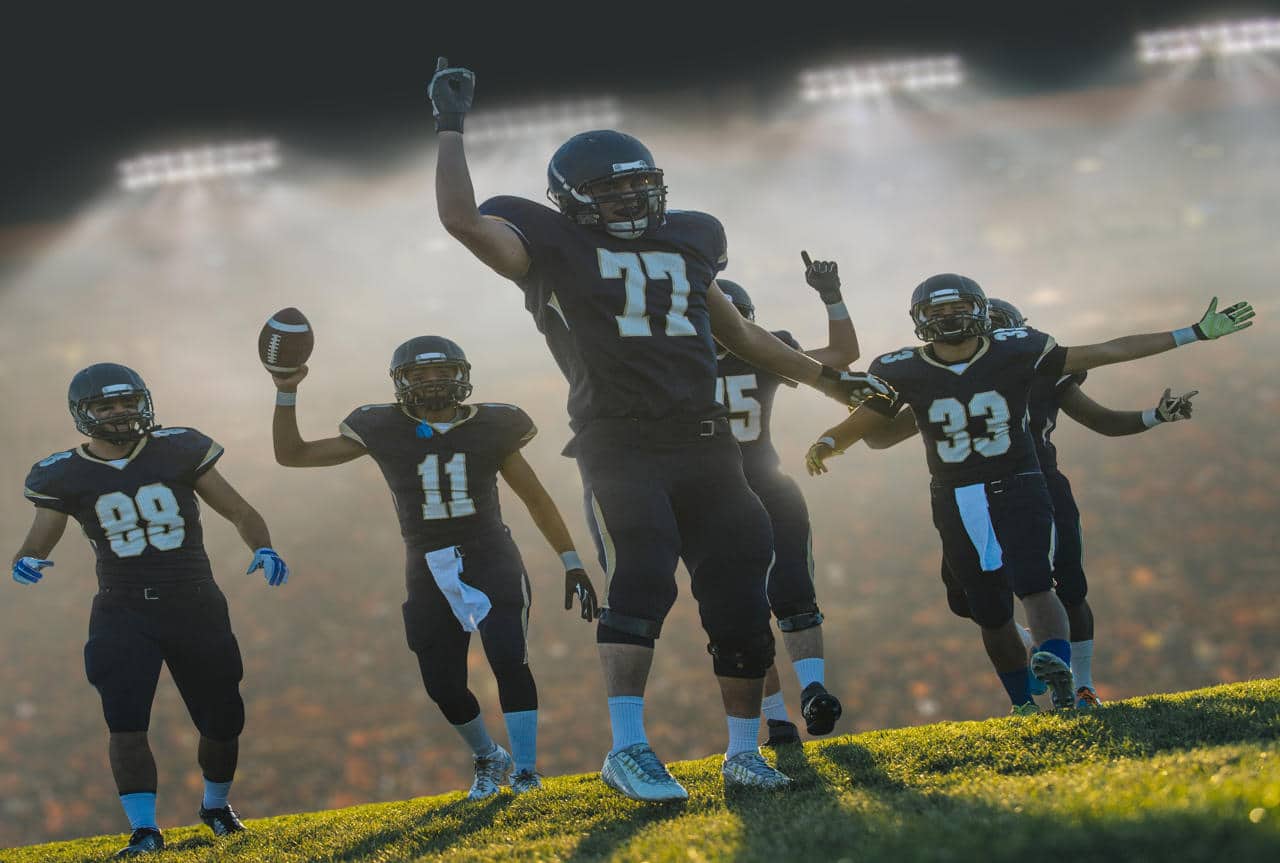
These aren’t routine trips – they’re once-in-a-lifetime sporting events where the transportation becomes part of the experience.
Luxury coaches flip that equation. Everyone boards together, arrives together, and nobody’s exhausted from navigating eight hours of unfamiliar highways. Reclining seats make the difference between arriving ready to tailgate versus ready to nap. Onboard bathrooms eliminate coordinating rest stops across multiple vehicles. Professional chauffeurs handle navigation while passengers build pregame energy.
The bus becomes the pregame headquarters. Sound systems let groups control the soundtrack. Open floor plans allow socializing and building energy together. The ride home after a win turns into a mobile celebration.
Groups choosing premium transportation recognize the trip matters as much as the destination. These become reunion stories. The difference between “we all drove separately” and “we chartered a coach” changes how people remember the experience.
The Investment That Pays Off
Some sporting events justify whatever effort it takes to attend. Student groups willing to coordinate attendance, book hotels, and buy tickets months in advance understand that certain experiences can’t be replicated.
The cost analysis catches groups off guard. Split a charter 40 ways and everyone pays less than they would for gas, tolls, and parking in separate cars.
What doesn’t show up in spreadsheets is the memory upgrade. Thirty years from now, nobody remembers what they paid for gas. They remember whether they made it to the game, who sat next to them on the bus, and how the whole weekend felt. Premium transportation turns the getting-there part into something worth remembering.
When the stadium calls – whether it’s a conference championship, a rivalry game, or March Madness – the question isn’t whether to go. It’s whether to do it right.