

Have you ever noticed that sunsets seem to come a little earlier as summer moves on? It is not your imagination something subtle starts to shift in the sky.
Many people wonder, when do the days start getting shorter, and what exactly causes this change in daylight?
As the seasons turn, our daylight hours begin to shrink, eventually leading us to the shortest day of the year. But when does it all begin, and why?
Let’s get to know the fascinating science behind this seasonal transition.
What is the Summer Solstice?
The summer solstice is the day when the Northern Hemisphere gets the most sunlight in the entire year. It usually falls on June 20 or 21, marking the start of summer.
-
In 2025, it occurs on Friday, June 20, at 10:42 PM EDT.
-
On this day, the Sun is directly above the Tropic of Cancer.
-
Places far north may even get 24 hours of daylight!
That’s due to Earth’s 23.44° tilt, which allows the Sun to shine more directly on the Northern Hemisphere.
When Do Days Start Getting Shorter?
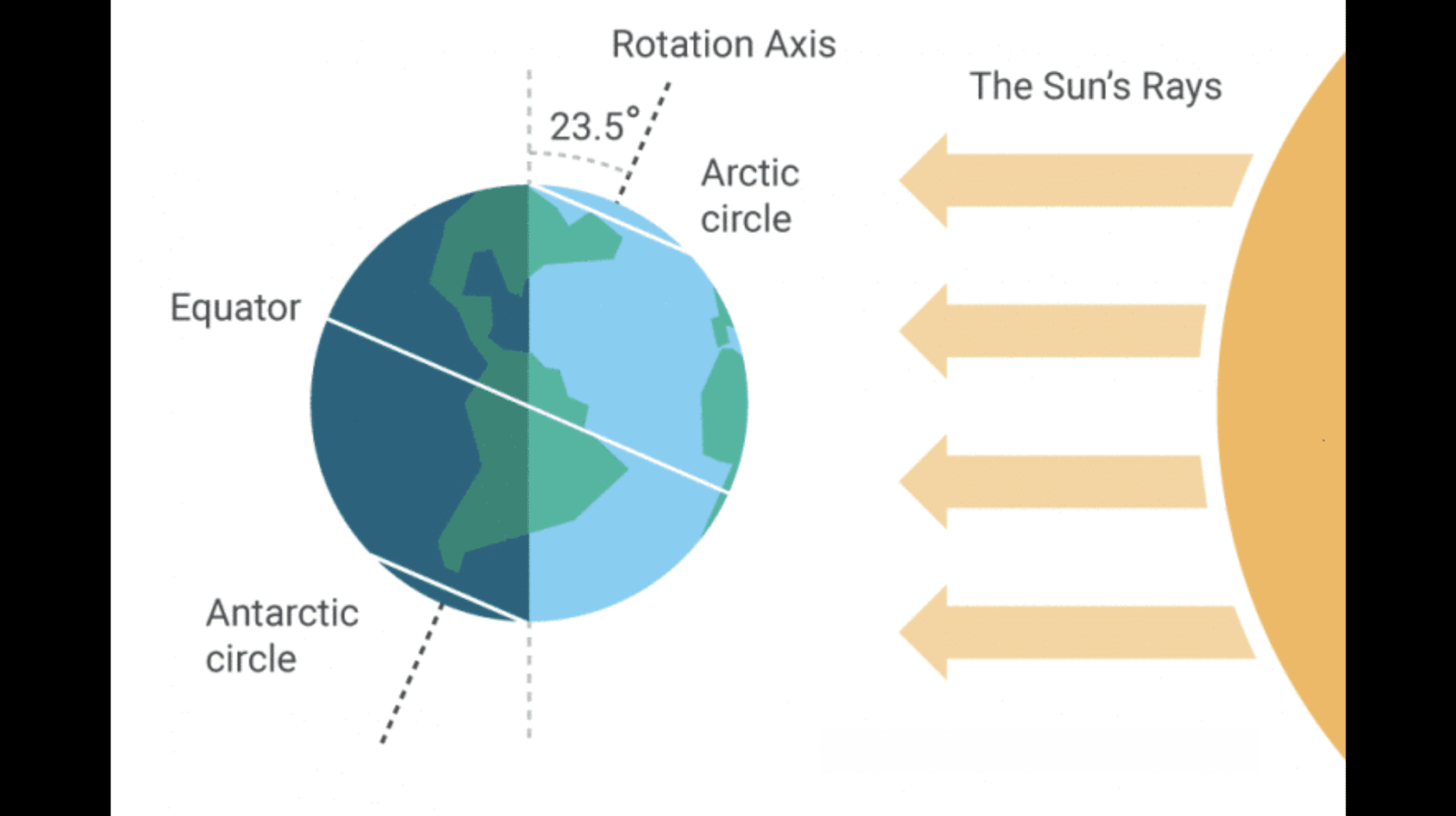
Right after the longest day in late June, the amount of daylight begins to decline. Although the change is slow at first, each day after brings a little less sunlight.
Interestingly, the earliest sunrise and latest sunset do not happen on the solstice. This is because of Earth’s slightly oval-shaped orbit and how we measure time.
Depending on where you live, you might not notice shorter days for a week or more. But once the solstice passes, daylight begins its steady journey toward winter.
How Fast Do We Lose Daylight?
After the summer solstice, daylight slowly decreases each day. On average, we lose about 1 to 1.5 minutes of sunlight daily as we head toward the winter solstice in December.
For example,
In Chicago, daylight lasts about 15 hours and 16 minutes on June 20. By July 1, it drops to around 15 hours and 13 minutes a loss of 3 minutes in less than two weeks.
This small daily change adds up, signaling the gradual return of longer nights and shorter days.
When does Shortening Become Noticeable?
While the shift in daylight begins immediately, it often takes time before we actually notice the difference.
- Although the solstice marks the turning point, the change in daylight is barely noticeable at first just a sliver of sunlight lost each day.
- Most people do not notice the shorter days until late July or August.
- Evenings feel darker earlier, and outdoor activities are affected.
- Our sense of time lags behind the actual change in daylight.
- By mid-to-late summer, the shortening becomes more noticeable in daily life.
Factors that Affect Daylight Changes
Several natural and man-made influences shape how and when our daylight hours change throughout the year.
| Factor | Explanation |
|---|---|
| Latitude | The farther you are from the equator, the bigger the difference between summer and winter daylight. Near the poles, days can last 24 hours or stay dark. |
| Geometric Effect | Caused by Earth’s tilt and orbit. It determines how much sunlight each part of the world gets throughout the year. |
| Clock Effect | Our clocks do not always align with the Sun’s true movement. This causes sunrise and sunset times to shift unevenly around the solstice. |
Why it is not the Warmest on the Longest Day
Although the summer solstice (around June 20–21) marks the longest day of the year, the hottest days typically occur weeks later, in July or early August.
This delay, known as seasonal lag, happens because the Earth’s land and oceans take time to heat up after receiving the most sunlight.
They continue to warm the air even after the days start getting shorter.
That is why we often feel the peak summer heat well after the Sun begins its slow journey toward winter.
Conclusion
Daylight is not just about when the Sun rises or sets; it plays a role in everything from our daily habits to how we feel during the year.
Knowing how light changes can help us enjoy each day more, like planning evening walks or soaking up the sunshine while it lasts.
As the sky changes little by little, it is a quiet reminder that nature is always moving.
So, as each day subtly shifts, let the sunlight shape your routines one glowing moment at a time.