
There’s something magical about picking out the perfect Christmas tree.
Maybe you remember walking through a tree farm, smelling fresh pine, and spotting that one tree that just felt right.
Or maybe you’ve stood in front of bright, sparkling displays, feeling the excitement of choosing the centerpiece of your holiday home.
But have you ever wondered what kind of tree you’re actually bringing inside? Or why do some trees smell incredible while others barely do?
Take a look at the history of Christmas trees, today’s most popular types, and simple tips for keeping yours fresh. By the end, you’ll be ready to choose your best tree yet!
What Was the First Christmas Tree?
Historians can’t pinpoint one exact “first” Christmas tree, but decorated evergreen trees appeared in Germany as early as the 1500s.
Families used local spruces and firs, choosing simple, natural trees that they decorated with fruits, nuts, candles, and handmade ornaments.
These early Christmas trees weren’t fancy, just a warm, cheerful symbol during the darkest winter months. The idea was to bring light, color, and hope into the home when the world outside was cold and dim.
This simple tradition became the foundation for the Christmas trees we know today.
How the Christmas Tree Became a Global Symbol?
The Christmas tree spread far beyond Germany in the 1800s, becoming popular in Britain after Queen Victoria and Prince Albert were pictured with one.
That single image made Christmas trees fashionable almost overnight. German immigrants later brought the tradition to America, where it quickly became a beloved holiday centerpiece.
As the custom traveled, different cultures used the evergreen trees that grew naturally in their region, creating unique local traditions.
Evergreen trees became symbolic because they stay green all year, representing hope, life, and a joyful place for families to gather and create memories.
Traditional Christmas Tree Types
When it comes to real Christmas trees, there are three main families you’ll encounter: firs, spruces, and pines. Each one has different characteristics that might make it perfect for your home.
Firs have needles that are flat and soft to the touch. They generally have excellent needle retention, which means they won’t drop needles all over your floor as quickly. Firs also tend to have a pleasant, mild scent.
Spruces have needles that are more square-shaped and can be sharper to the touch. They often have a nice, full look with branches that are great for hanging ornaments.
Pines have longer needles that grow in clusters. They can be strong and sturdy, but they’re less commonly used as Christmas trees compared to firs and spruces.
Popular Species and Their Characteristics
Let’s look at some of the most popular Christmas tree species you might encounter:
1. Fraser Fir
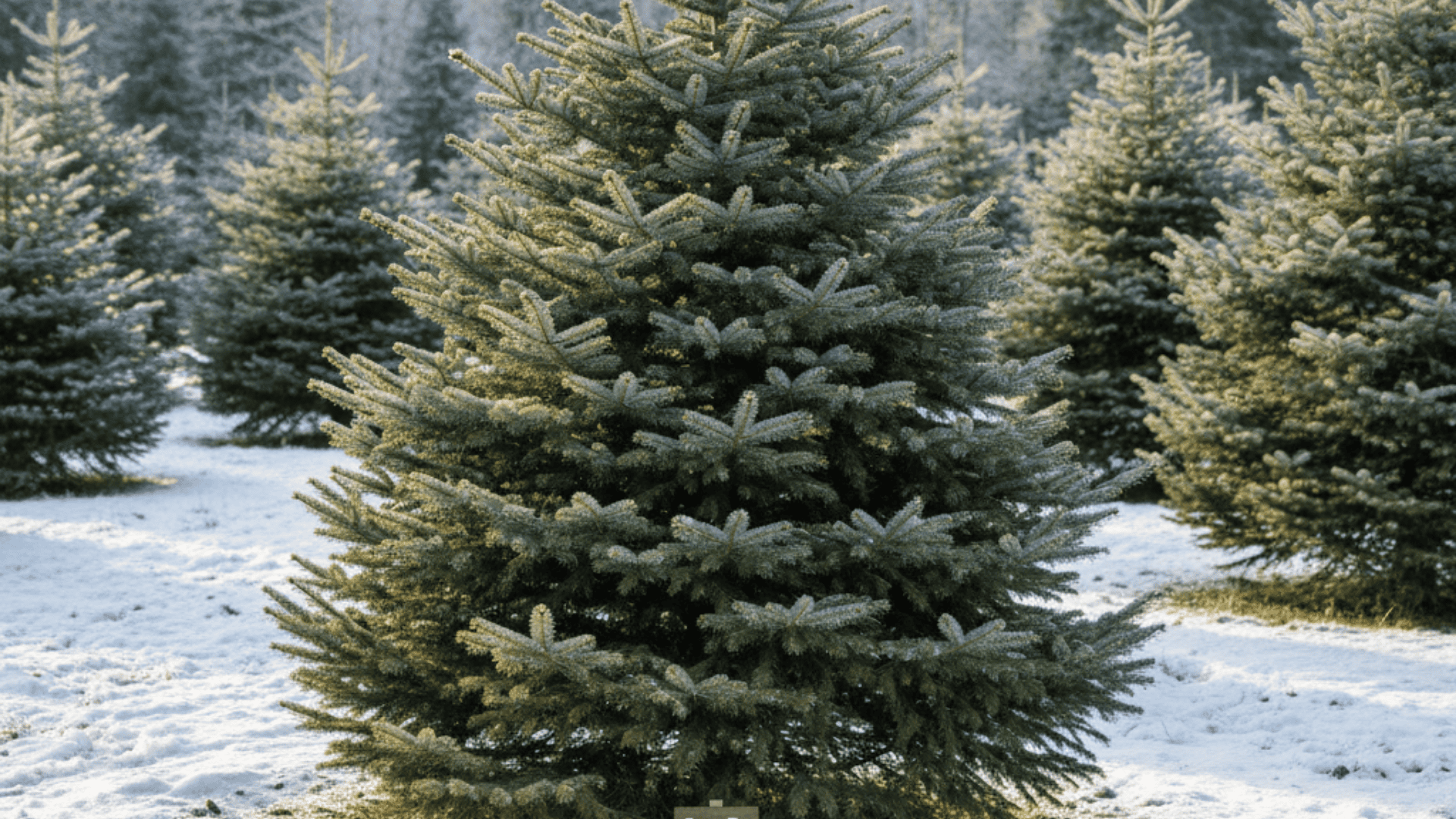
Fraser Fir is one of the most beloved Christmas trees in America. It has excellent needle retention, meaning it stays fresh-looking longer.
The branches are strong enough to hold heavy ornaments, and it has a pleasant, mild scent. The needles are soft and won’t poke you when you’re decorating.
If you’re looking for the best-smelling Christmas tree, Fraser Fir is definitely a top contender with its fresh, woody aroma.
2. Douglas Fir
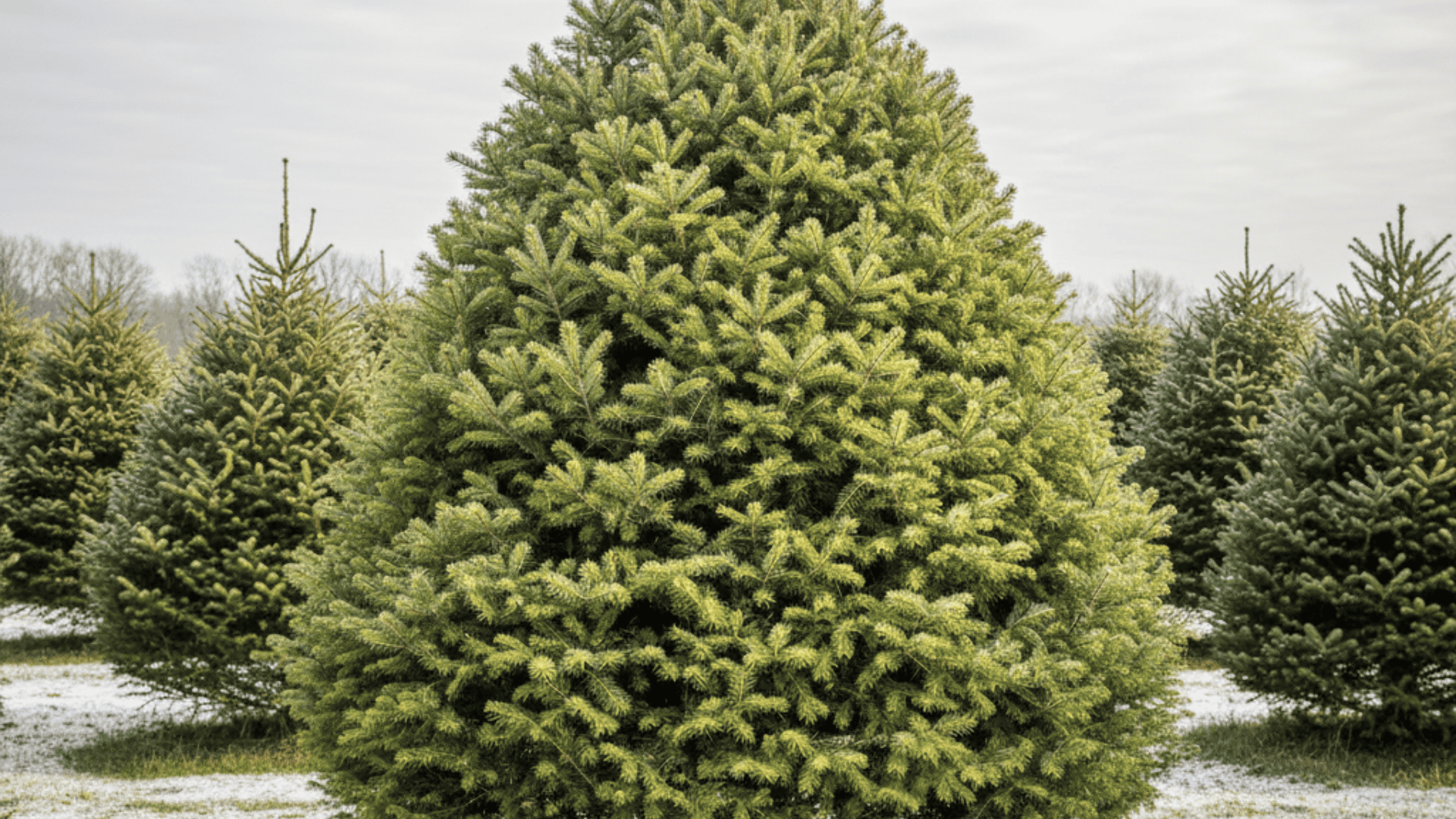
Douglas Fir is another popular choice. It has a fuller, more rounded shape and a wonderful fragrance.
The needles are soft, and the branches are flexible, making it easy to hang ornaments. Many people love Douglas Fir because it has that classic Christmas tree smell that fills your entire home.
3. Nordmann Fir
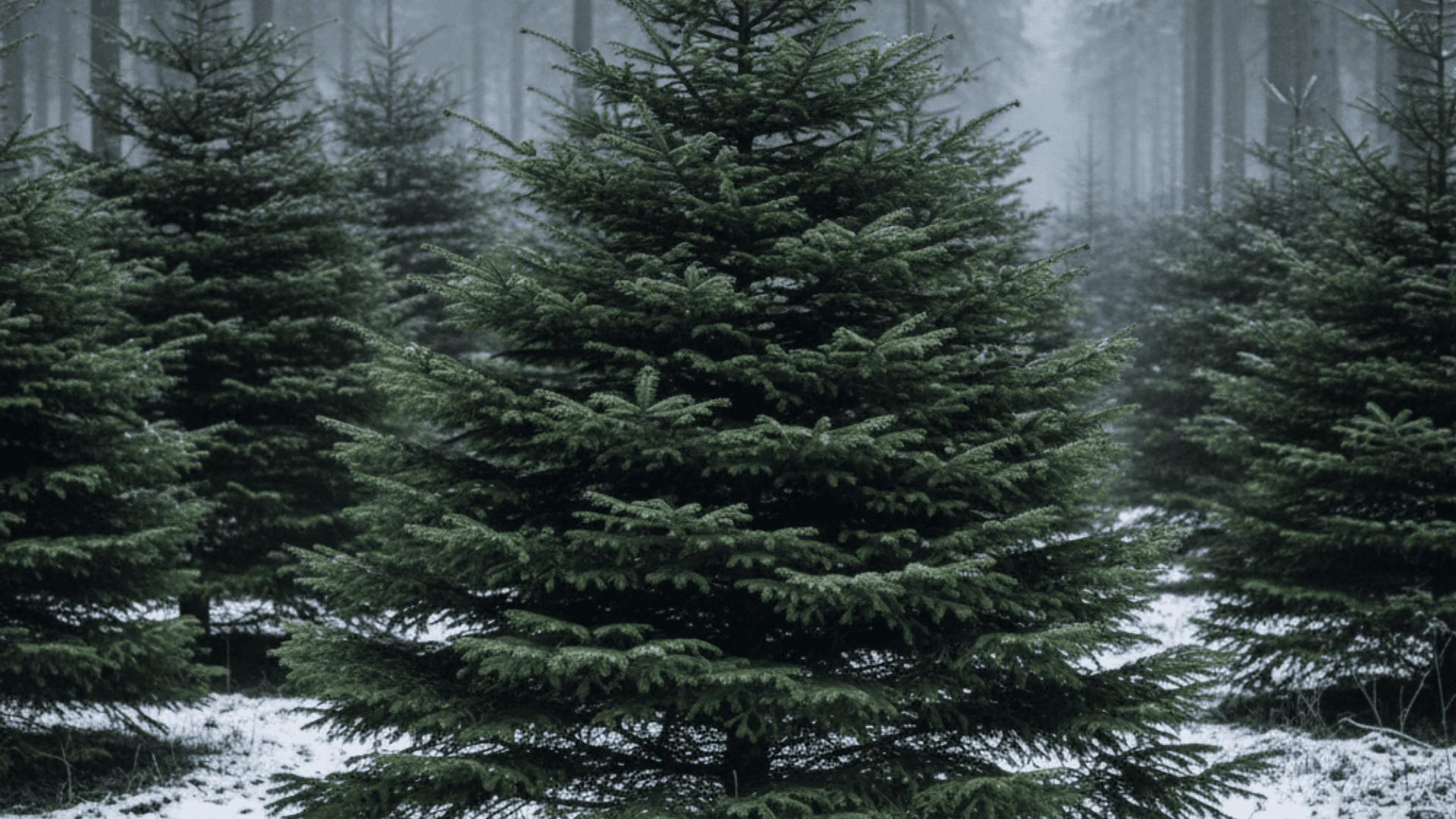
Nordmann Fir has been growing in popularity, especially in Europe. Its soft needles don’t shed easily, and the branches are strong and well-spaced.
One thing that makes it different is that it has very little scent, which some people prefer if they’re sensitive to strong smells.
4. Noble Fir
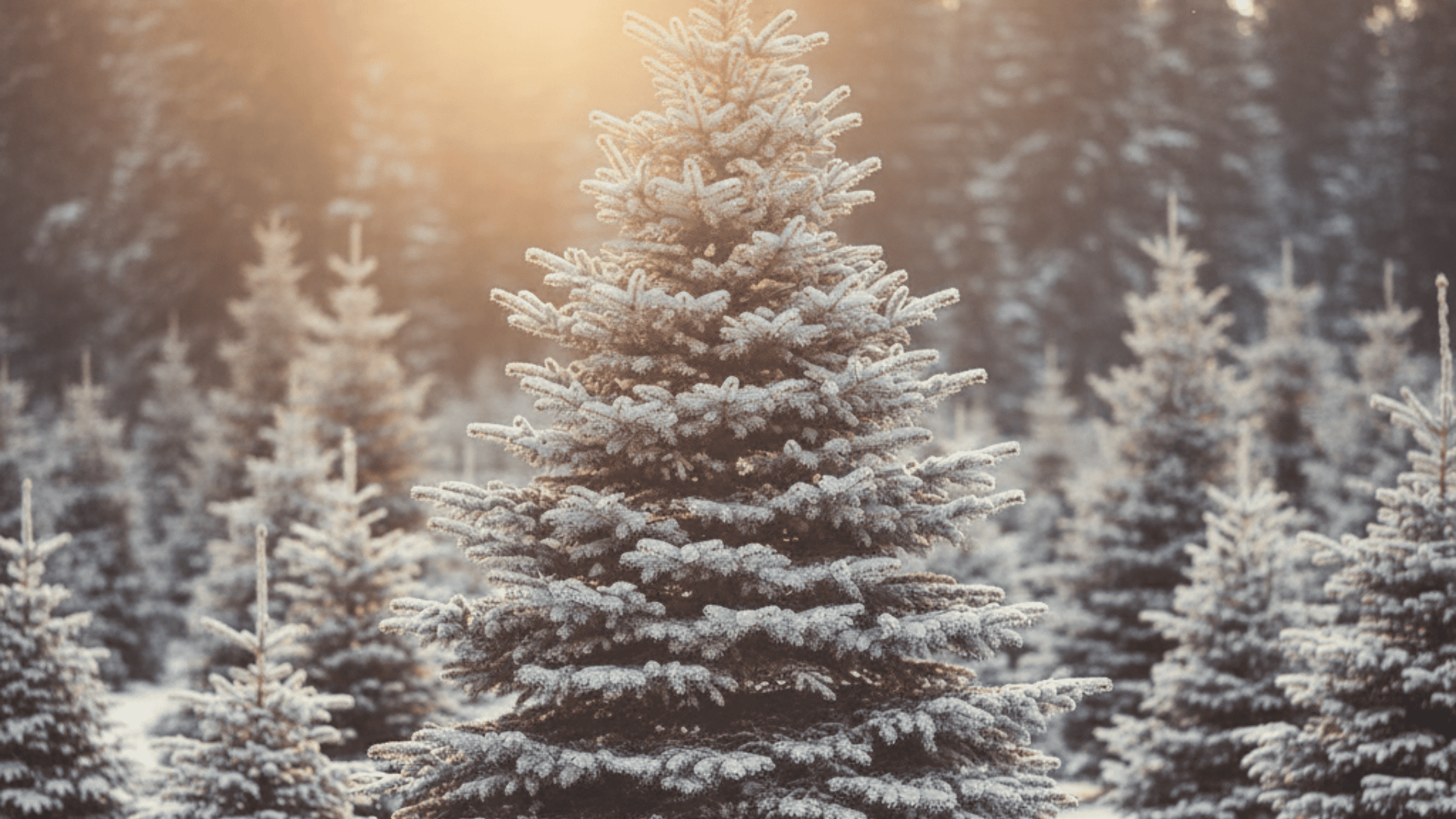
Noble Fir is known for its beautiful appearance and strong branches. It has a lovely scent and excellent needle retention.
The branches are sturdy enough to hold even the heaviest ornaments. The silvery-green color gives it an elegant look.
5. Balsam Fir
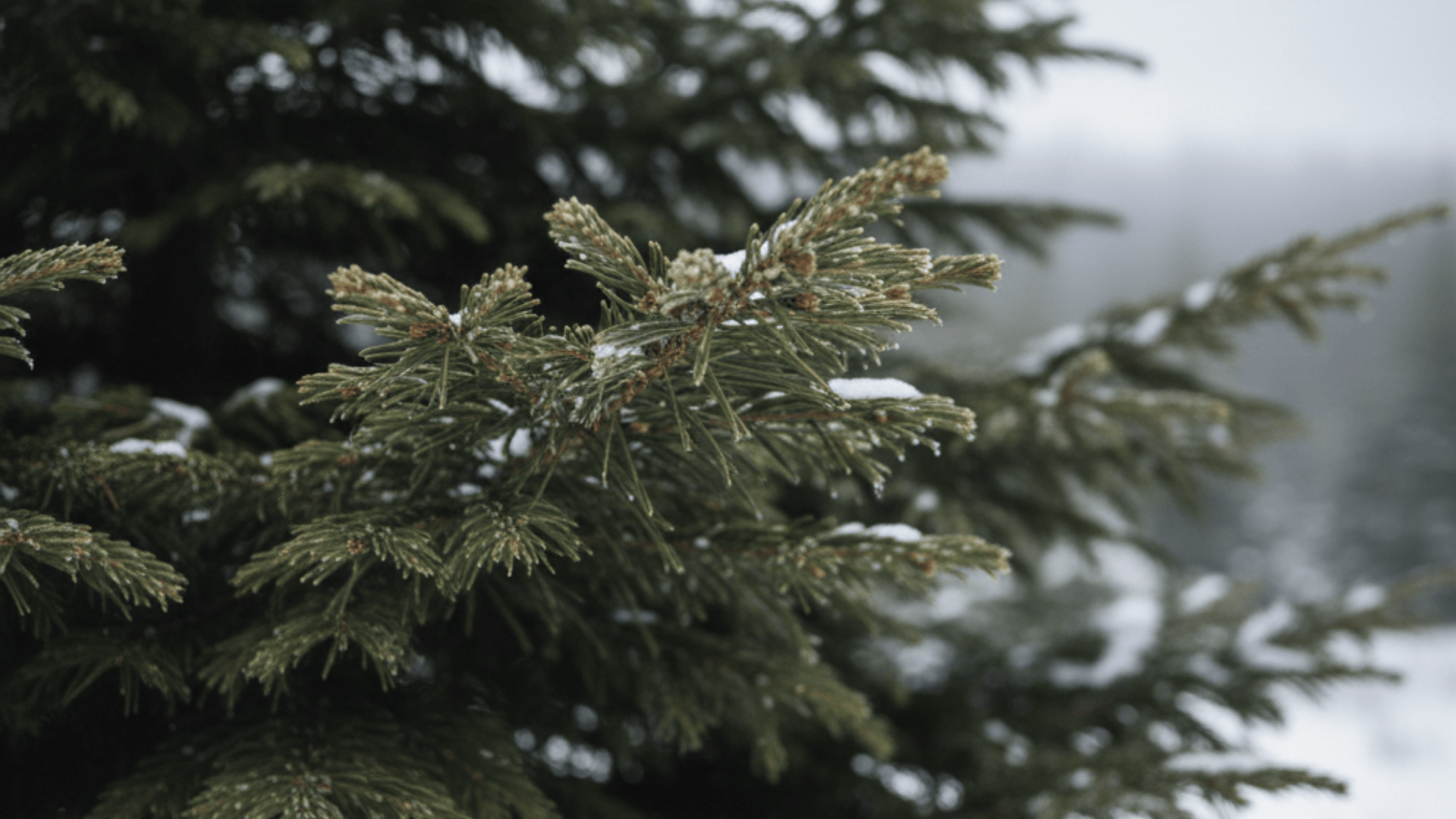
Balsam Fir is famous for its incredible fragrance. If you want the best-smelling Christmas tree, this is a serious contender.
It has a traditional Christmas tree shape with dark green needles. The scent is so strong and pleasant that it fills your entire house with that fresh forest smell.
6. Blue Spruce
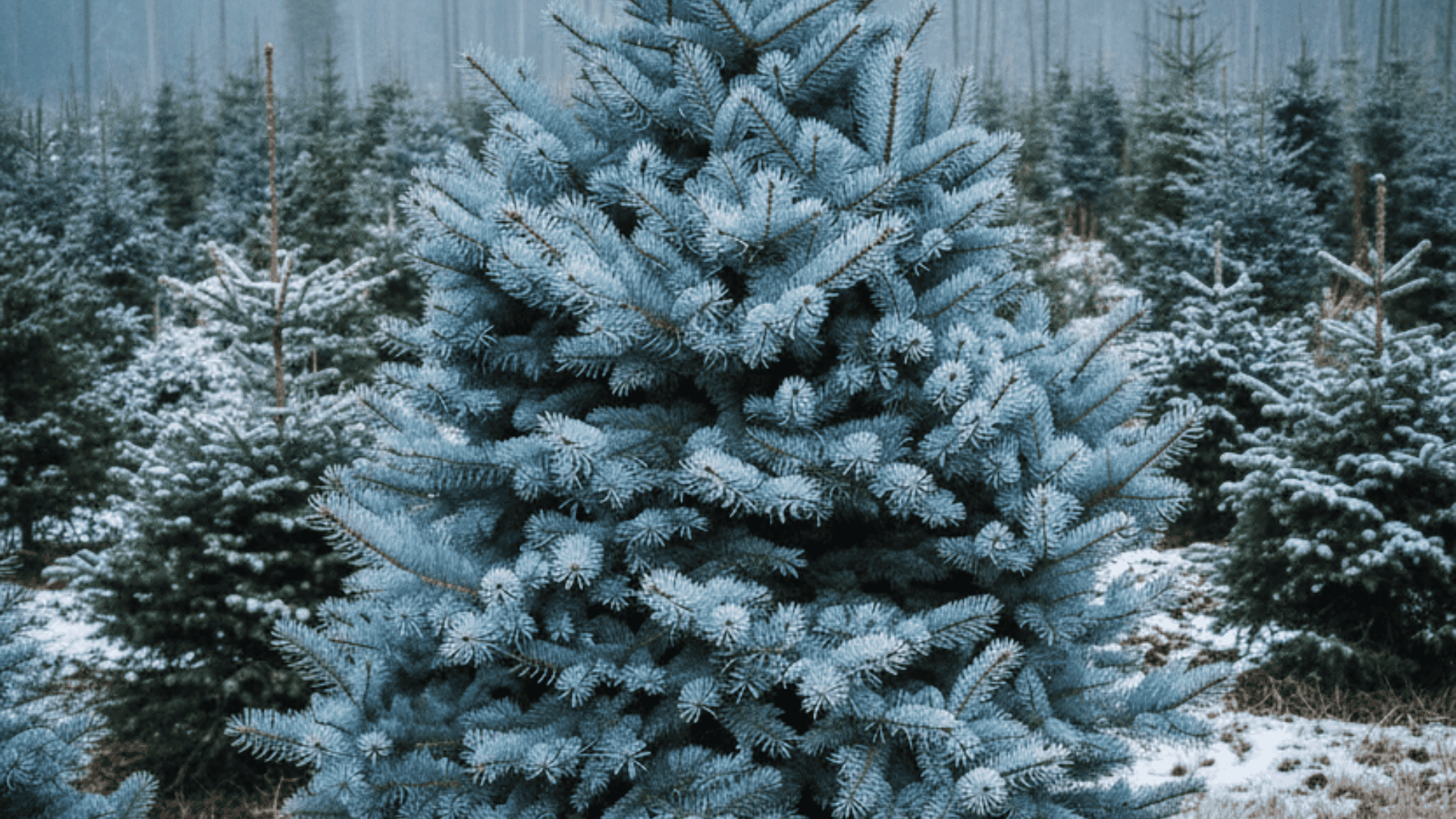
Blue Spruce stands out because of its unique silvery-blue color. It looks absolutely stunning when decorated.
However, the needles are quite sharp and prickly, so decorating might require gloves! It also has a less traditional Christmas tree shape, being a bit more sparse than firs.
7. Norway Spruce
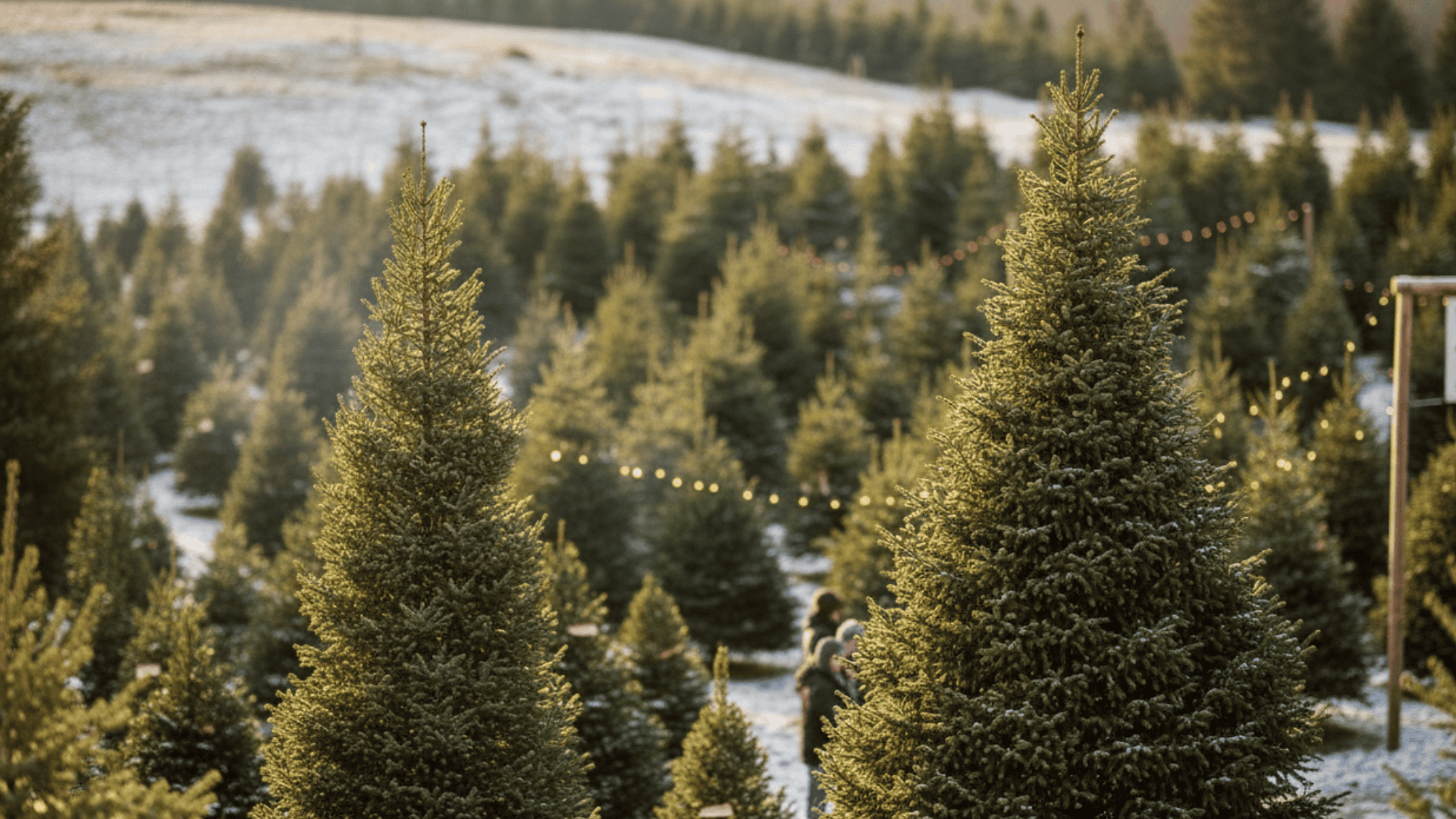
Norway Spruce is a classic European Christmas tree. It has a traditional pyramid shape and dark green needles.
The branches droop slightly, giving it a graceful appearance. However, it does tend to drop needles more quickly than firs, so it’s best to put it up closer to Christmas.
8. White Pine
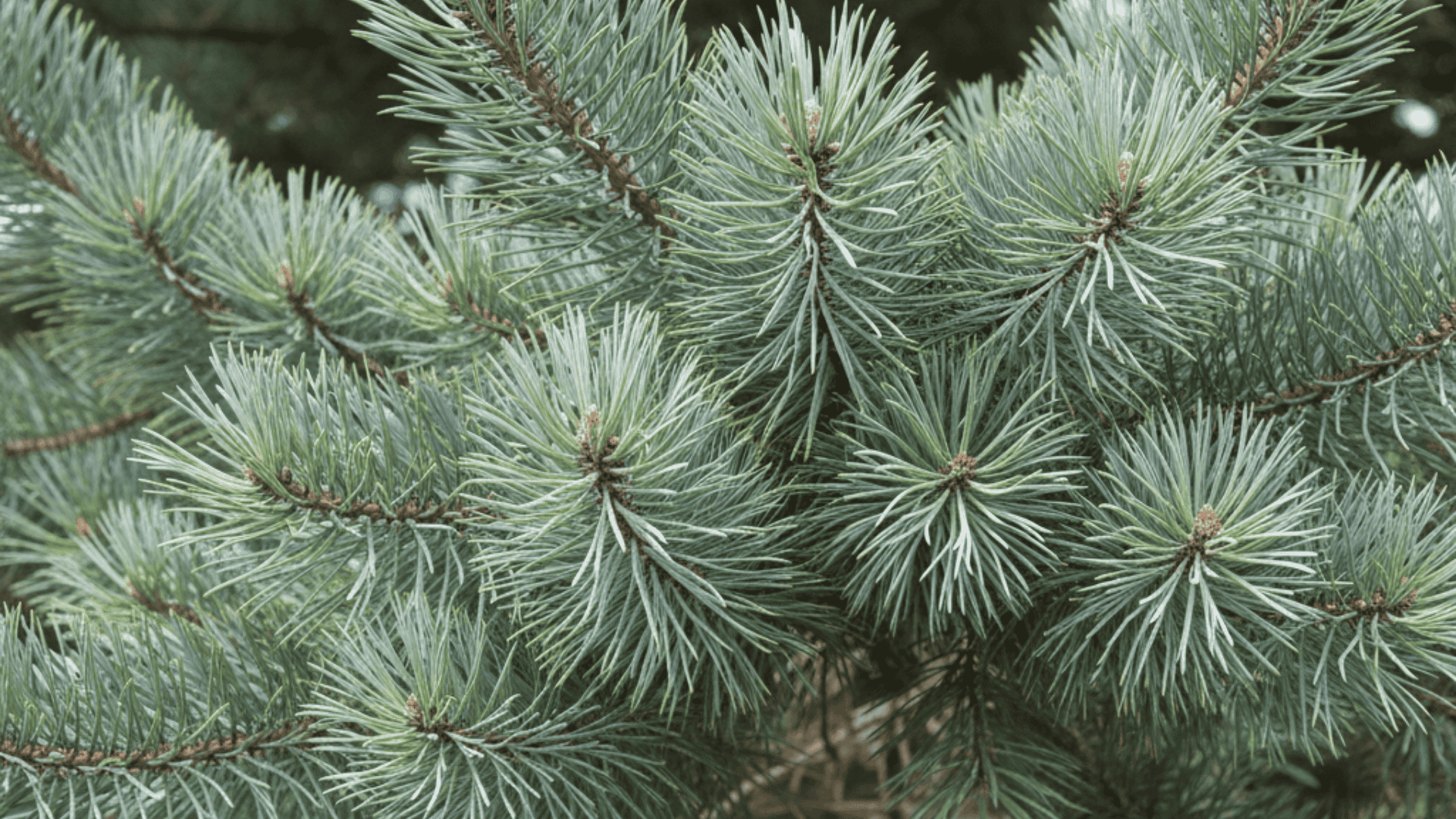
White Pine has long, soft needles that are bluish-green in color. The needles grow in bundles of five, making them easy to identify.
White Pine trees are gentle to the touch and have a light, pleasant scent. They’re less common than firs but offer a unique look.
9. Scotch Pine
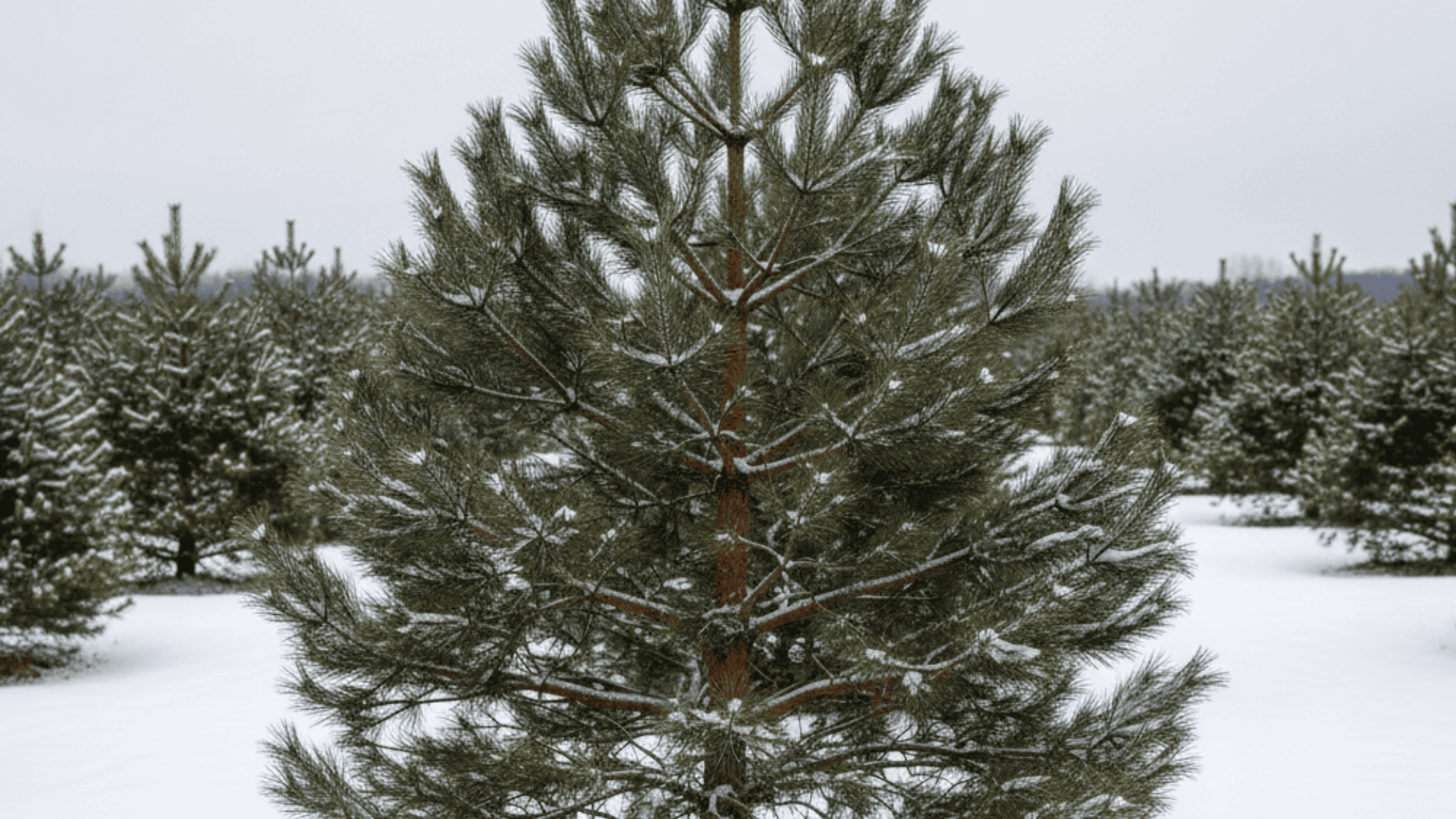
Scotch Pine is one of the most popular Christmas trees in the Midwest. It has excellent needle retention and strong branches.
The needles are dark green and have a slight twist to them. It has a nice, mild pine scent and the branches are sturdy enough for heavy ornaments.
10. White Fir
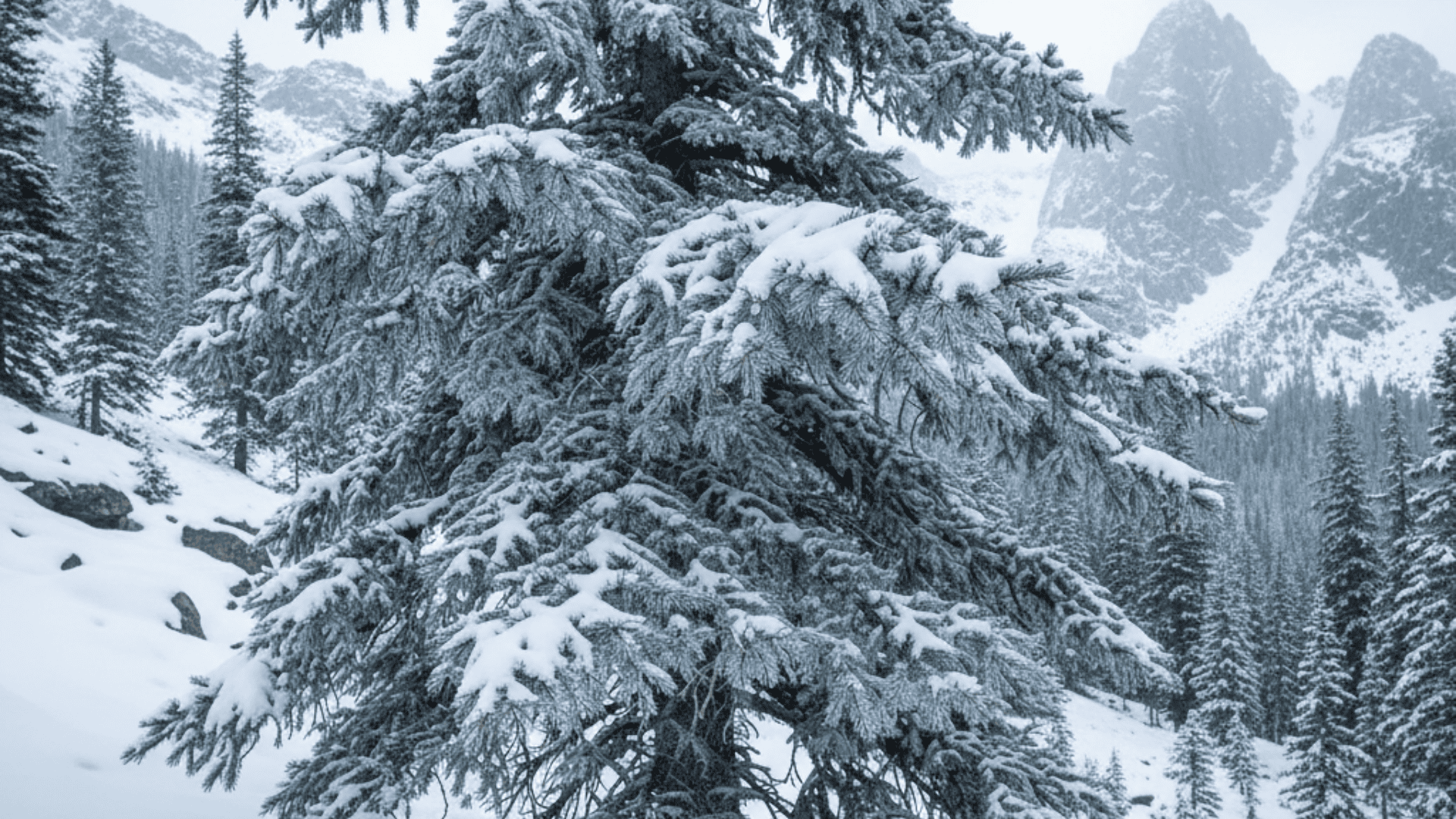
White Fir, also called Concolor Fir, has beautiful blue-green needles that curve upward.
It has a lovely citrus scent instead of the typical pine smell, making it unique among Christmas trees. The needles are soft and have excellent retention.
11. Grand Fir
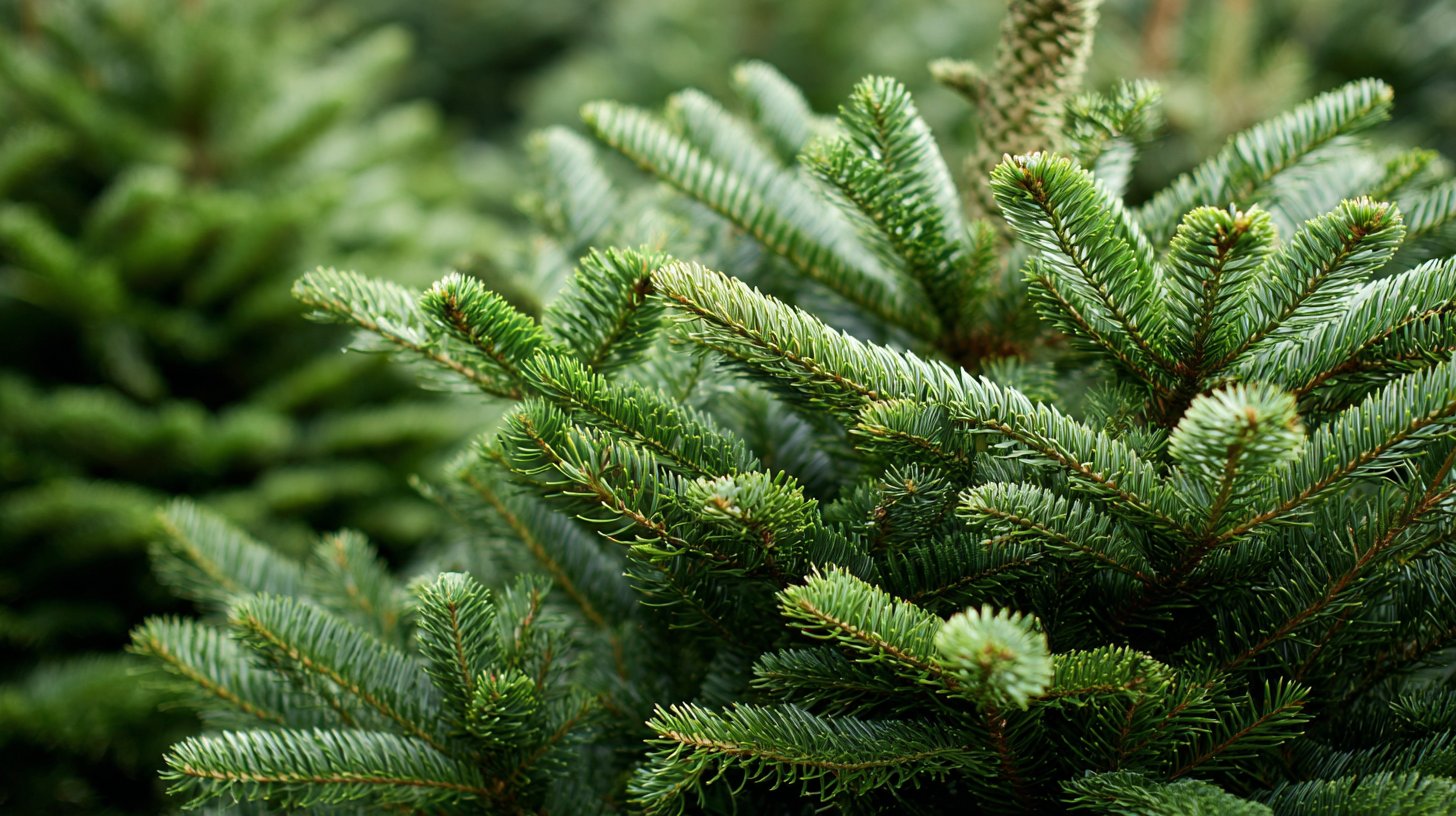
Grand Fir has shiny, dark green needles with a white stripe underneath. It has one of the best scents of all Christmas trees, with a sweet, citrusy fragrance. The branches are strong and the tree has a full, beautiful shape.
12. Turkish Fir
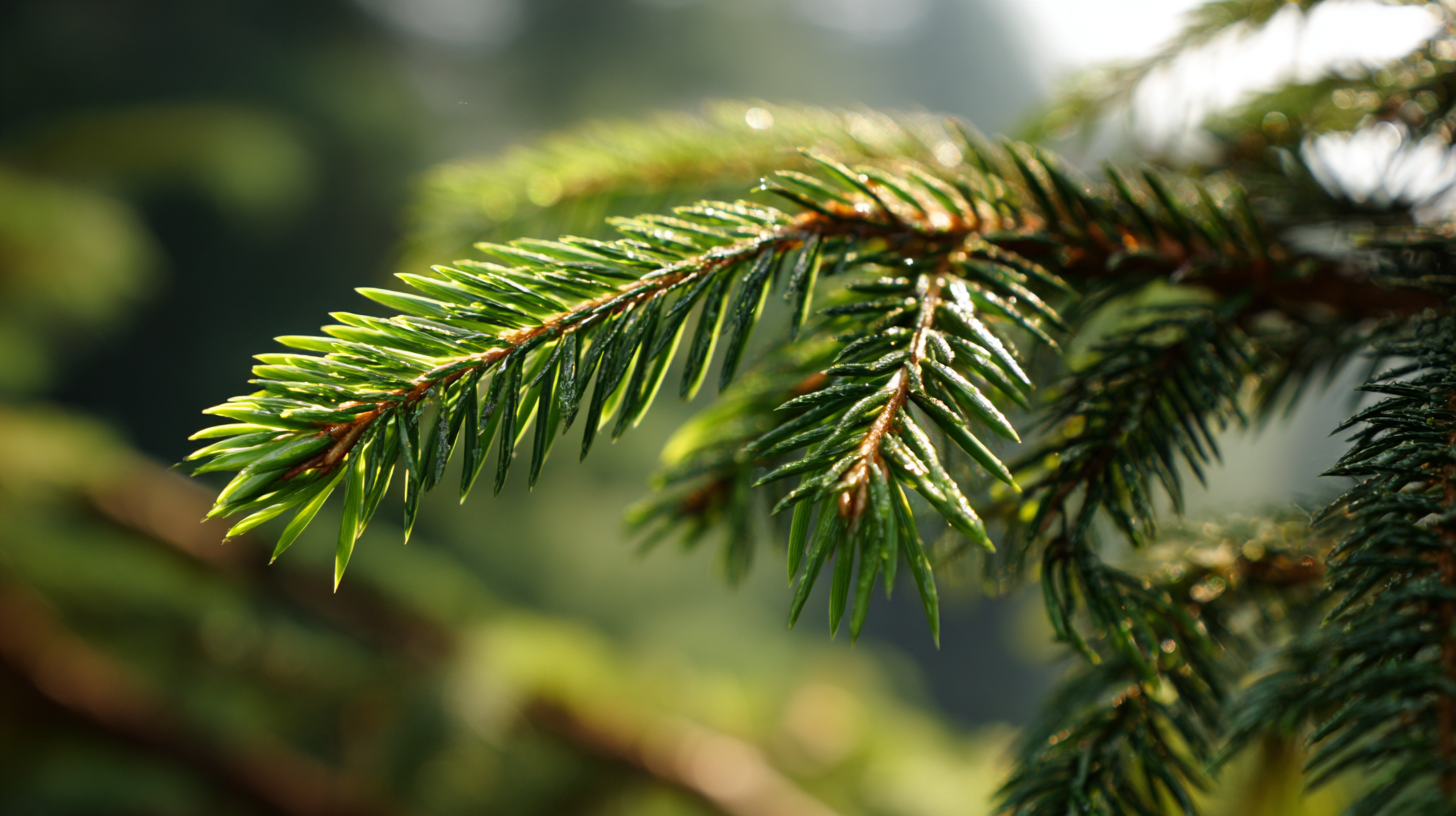
Turkish Fir is gaining popularity for its excellent needle retention and full shape. It has glossy, dark green needles and strong branches. The tree has a pleasant, mild scent and keeps its needles better than most varieties.
13. Red Pine
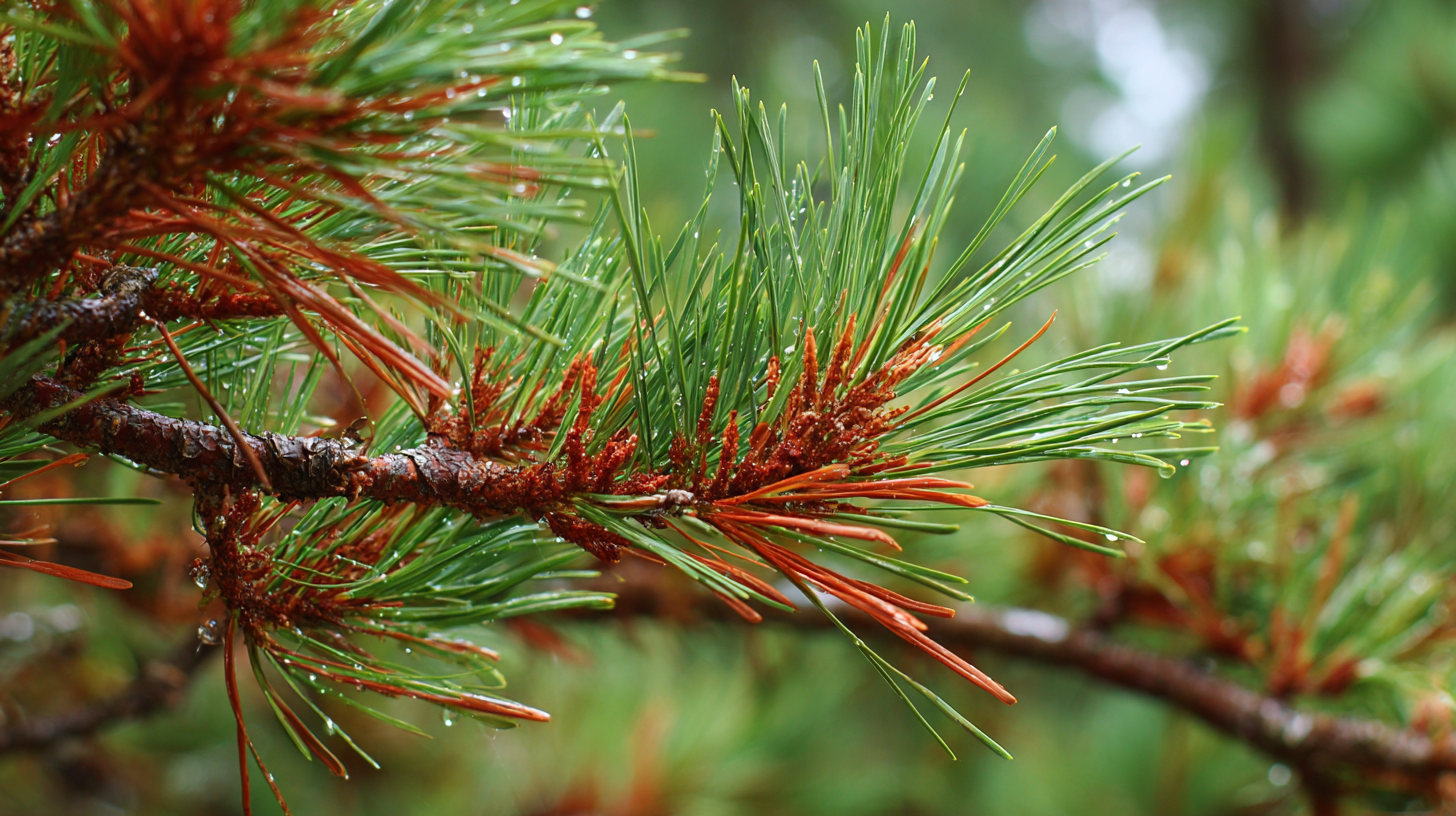
Red Pine has long needles and reddish-brown bark that gives it its name. The needles grow in pairs and are quite flexible. It’s not as common as other pines but offers good needle retention and a traditional look.
14. Canaan Fir
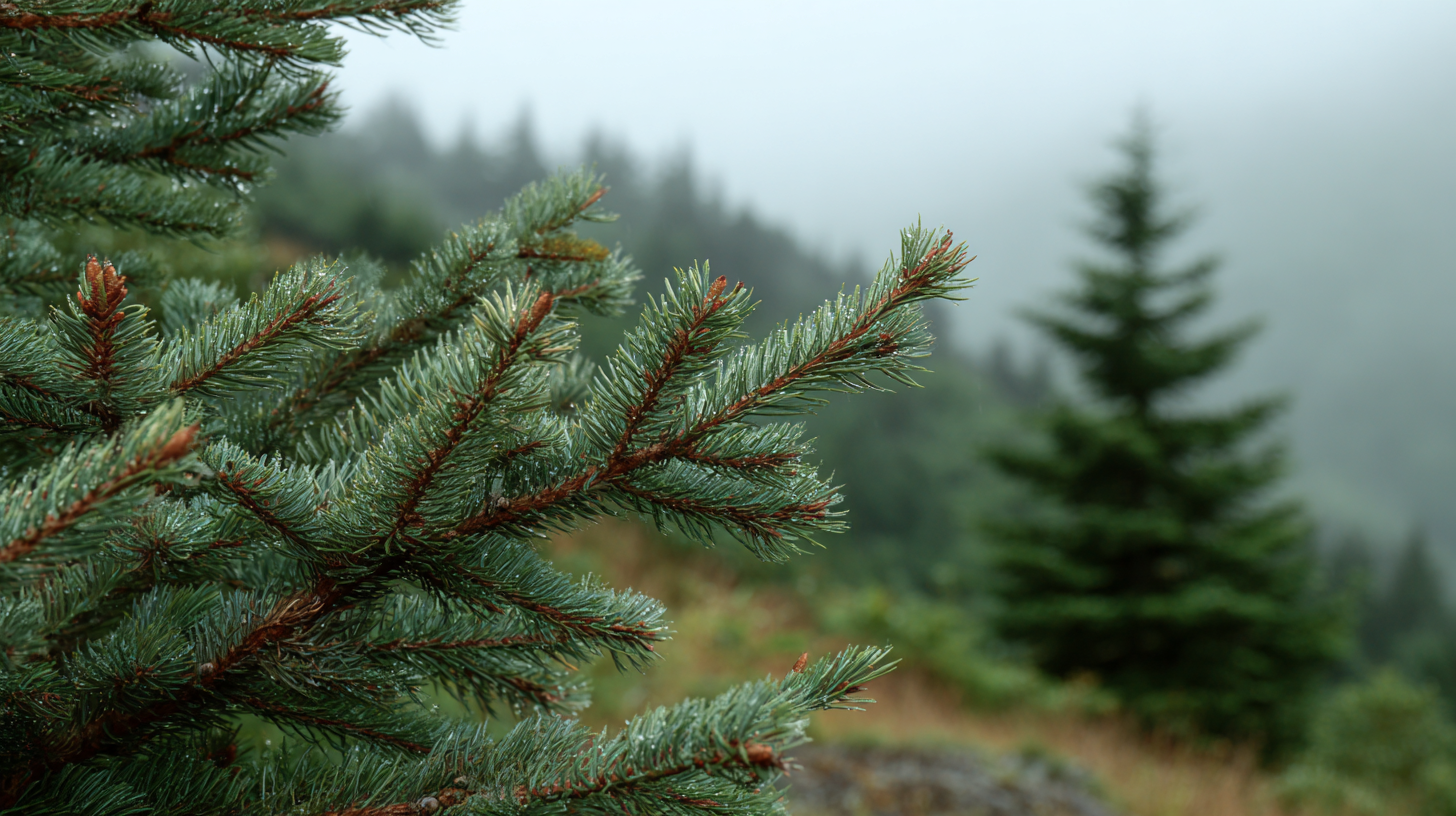
Canaan Fir is similar to Fraser Fir but grows in different regions. It has excellent needle retention, soft needles, and a pleasant fragrance. The branches are strong and well-spaced, making it easy to decorate.
15. Korean Fir
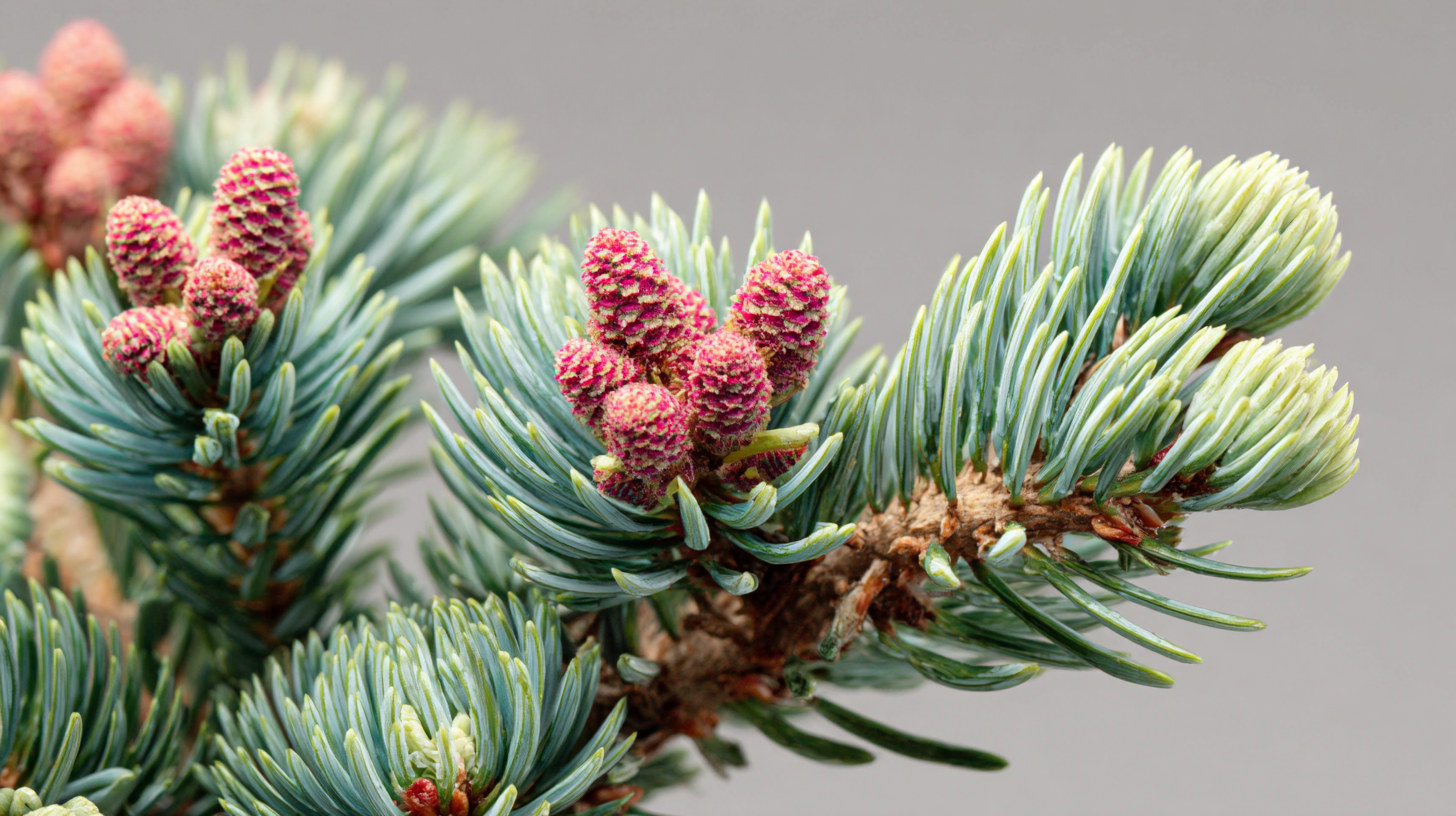
Korean Fir is a beautiful tree with short, soft needles. It has a compact, full shape and attractive blue-green color. The tree has good needle retention and a mild, pleasant scent.
16. Silver Fir
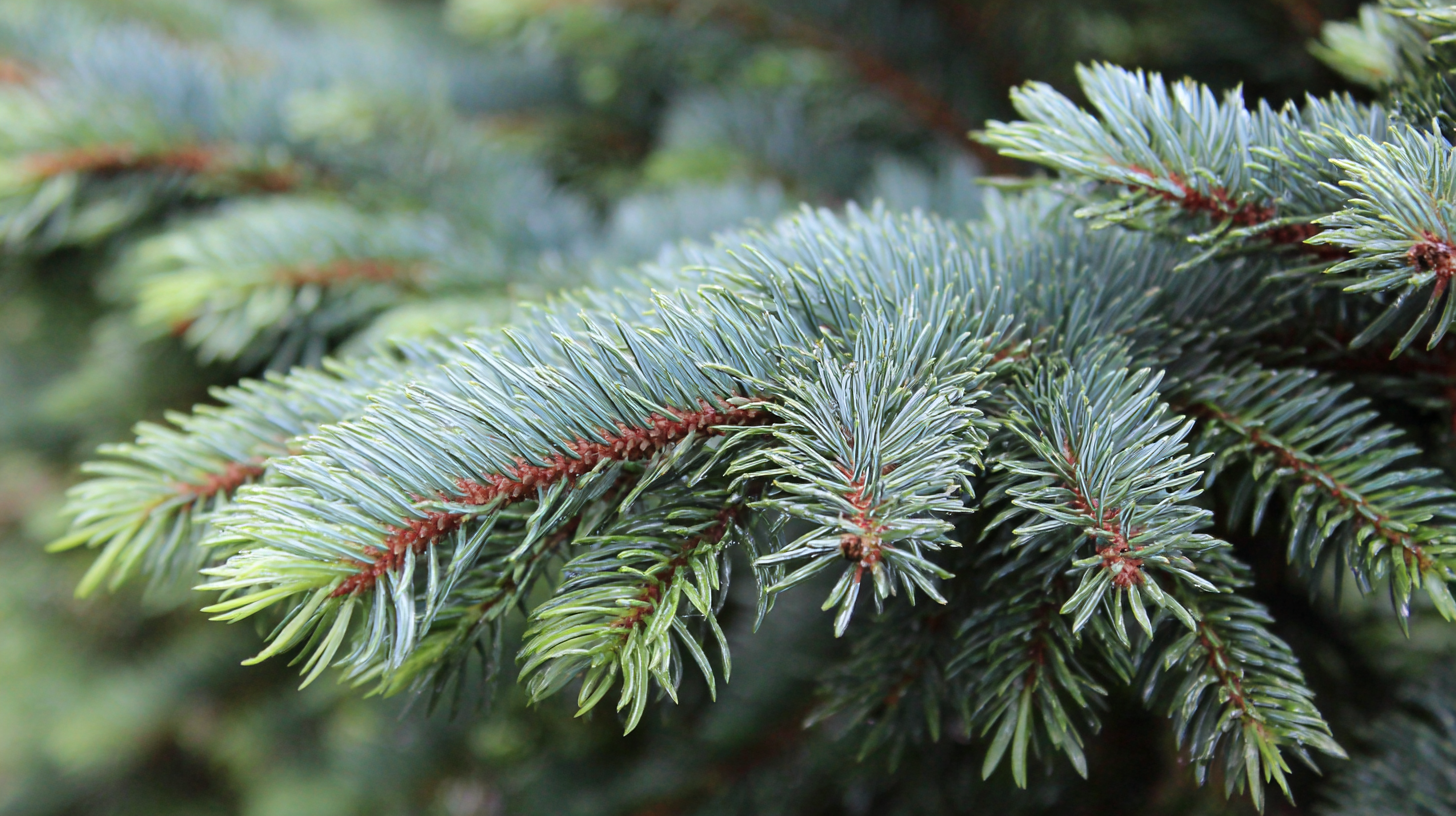
Silver Fir gets its name from the silvery color on the underside of its needles. It has a lovely appearance and decent needle retention. The branches are strong, and the tree has a pleasant, subtle scent.
17. Black Spruce
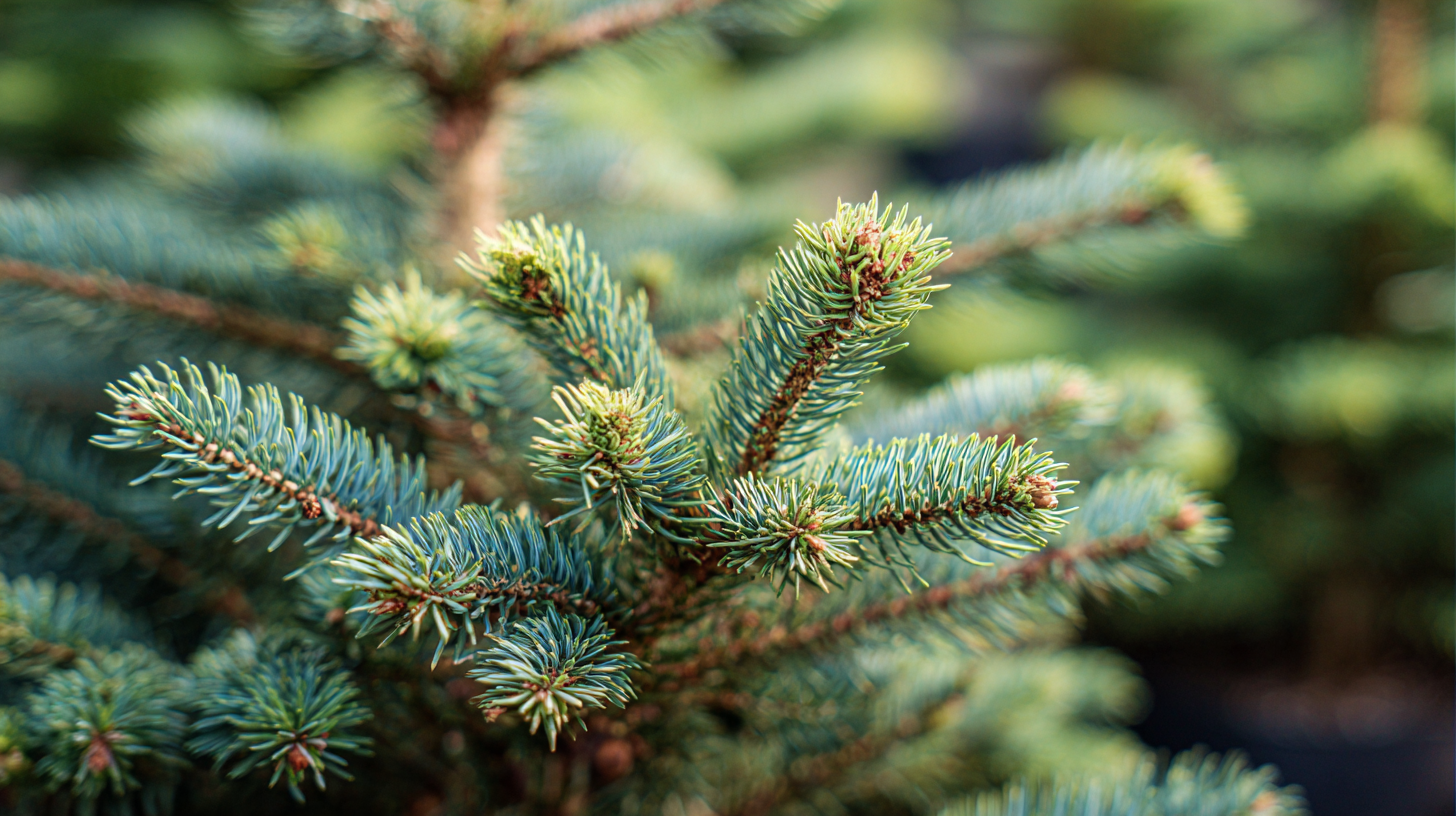
Black Spruce is a smaller tree option that works well in apartments or rooms with lower ceilings. It has short, blue-green needles and a neat, compact shape. The branches are sturdy despite the tree’s smaller size.
18. Red Spruce
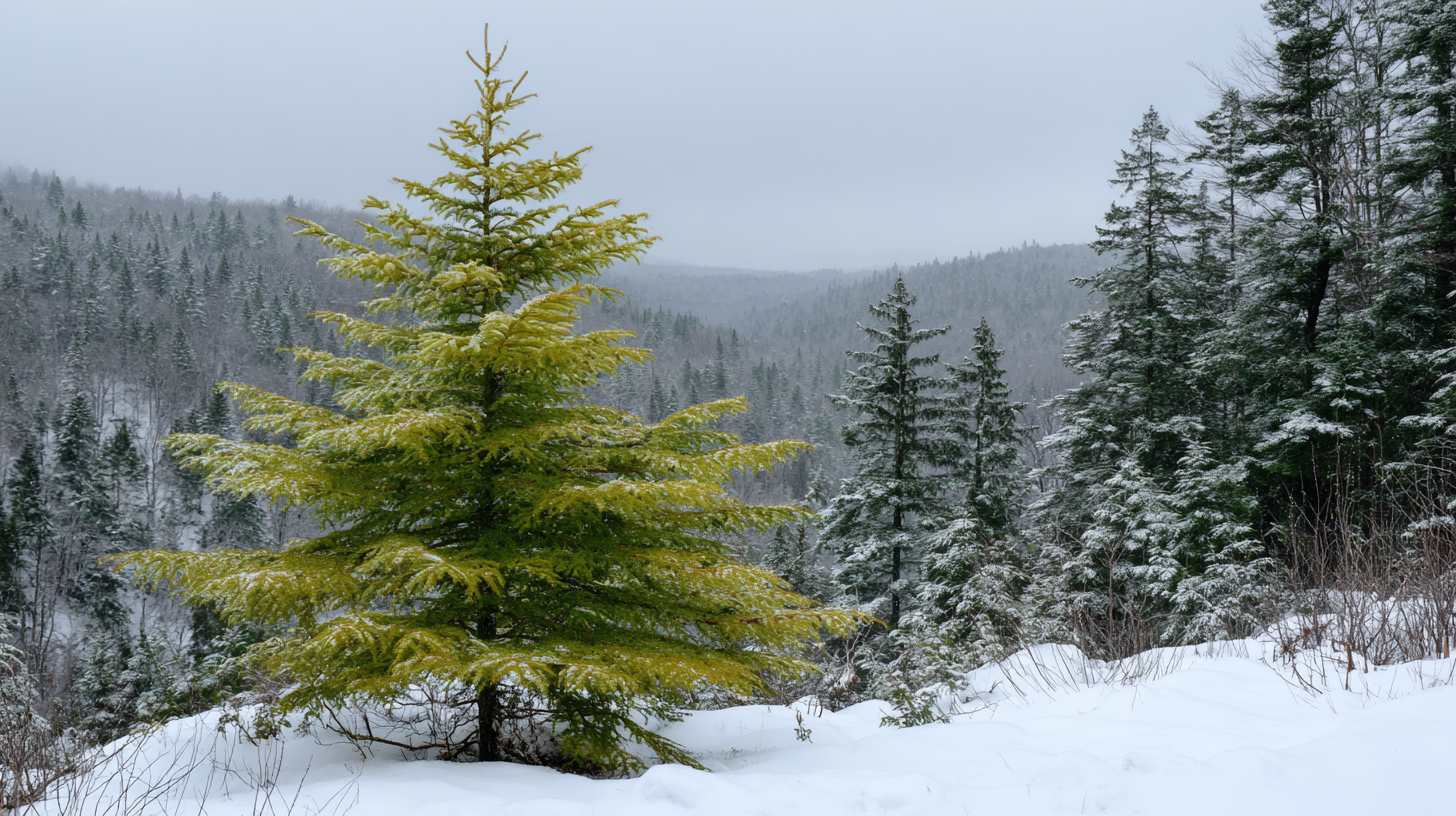
Red Spruce has a nice, traditional Christmas tree shape with yellow-green needles. It has good needle retention and a pleasant fragrance. The branches are strong enough for most ornaments.
19. Eastern White Pine
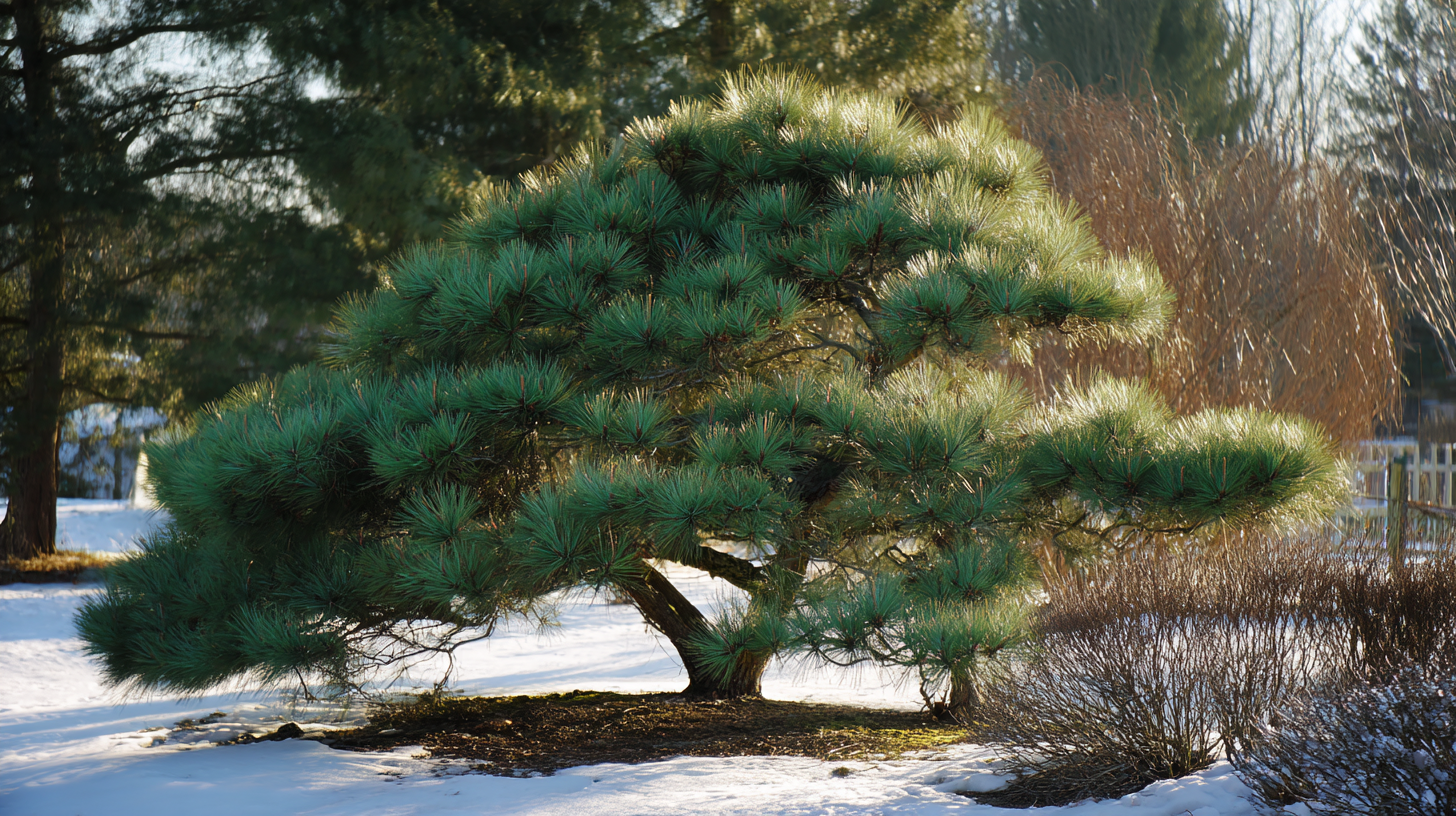
Eastern White Pine has soft, bluish-green needles and a graceful appearance. The needles are long and flexible, making the tree look full and lush. It has a light, pleasant scent and the branches can hold lighter ornaments well.
20. Serbian Spruce
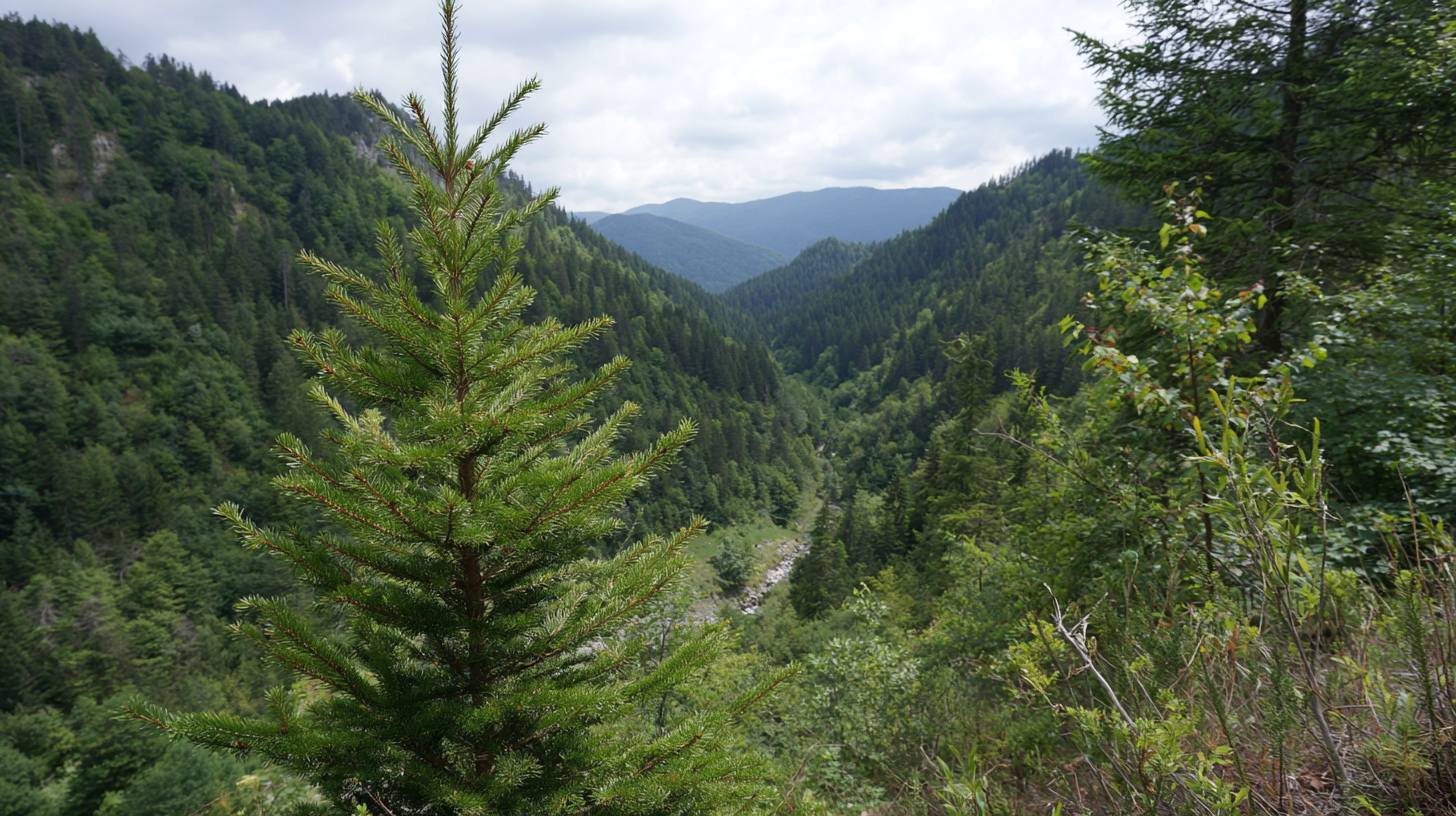
Serbian Spruce is an elegant tree with a narrow, columnar shape. It has short needles that lie flat against the branches, giving it a sleek appearance. This tree is perfect for smaller spaces and has good needle retention.
Up-and-Coming Tree Types
While the traditional choices remain popular, some people are exploring less common options. Here are seven tree types that are gaining popularity:
21. Leyland Cypress
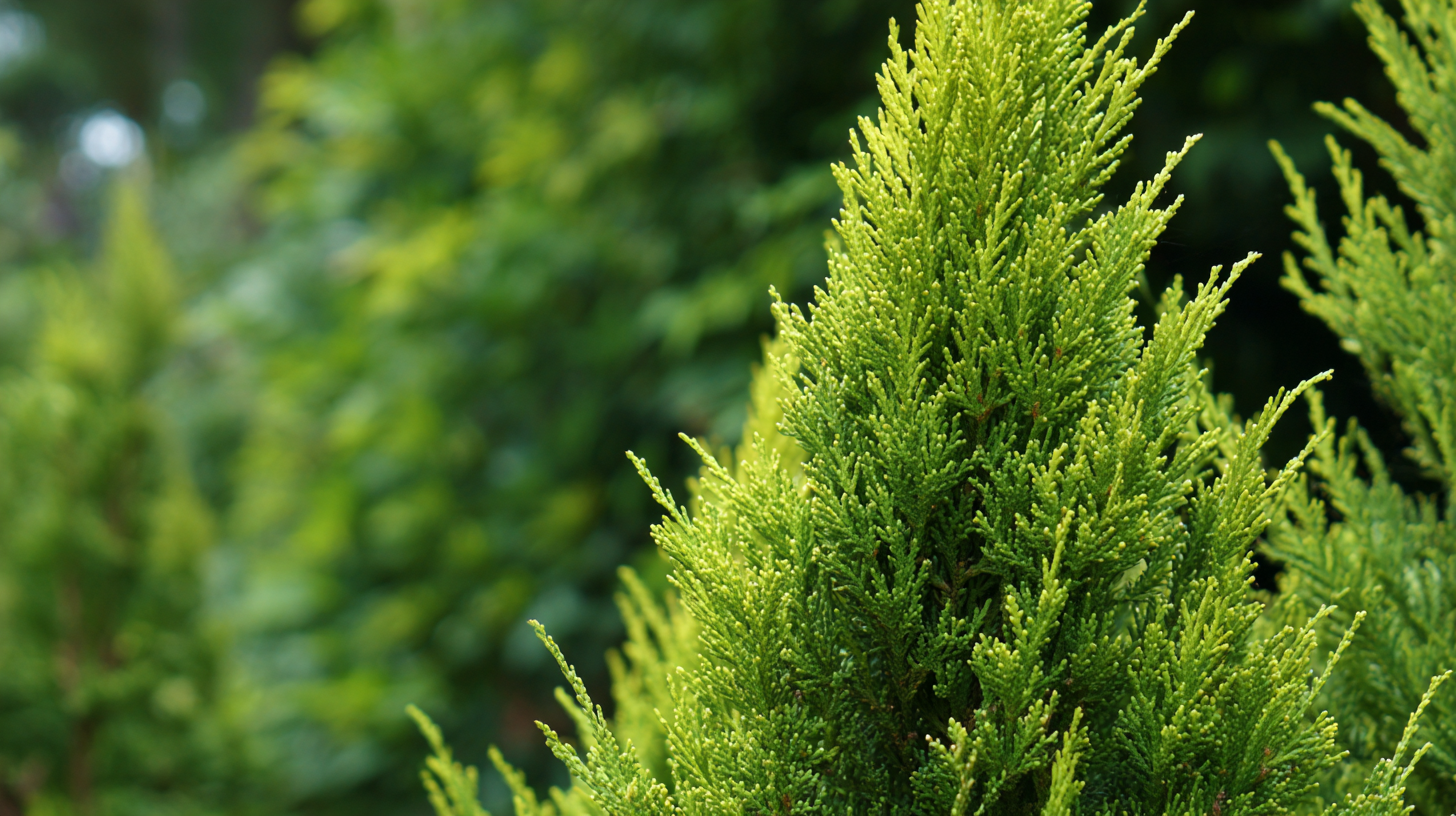
Leyland Cypress is becoming trendy for its unique feathery appearance. It has a softer look than traditional Christmas trees and grows in a beautiful pyramid shape. The branches are strong and the tree has a pleasant, mild scent that’s different from typical pine trees.
22. Arizona Cypress
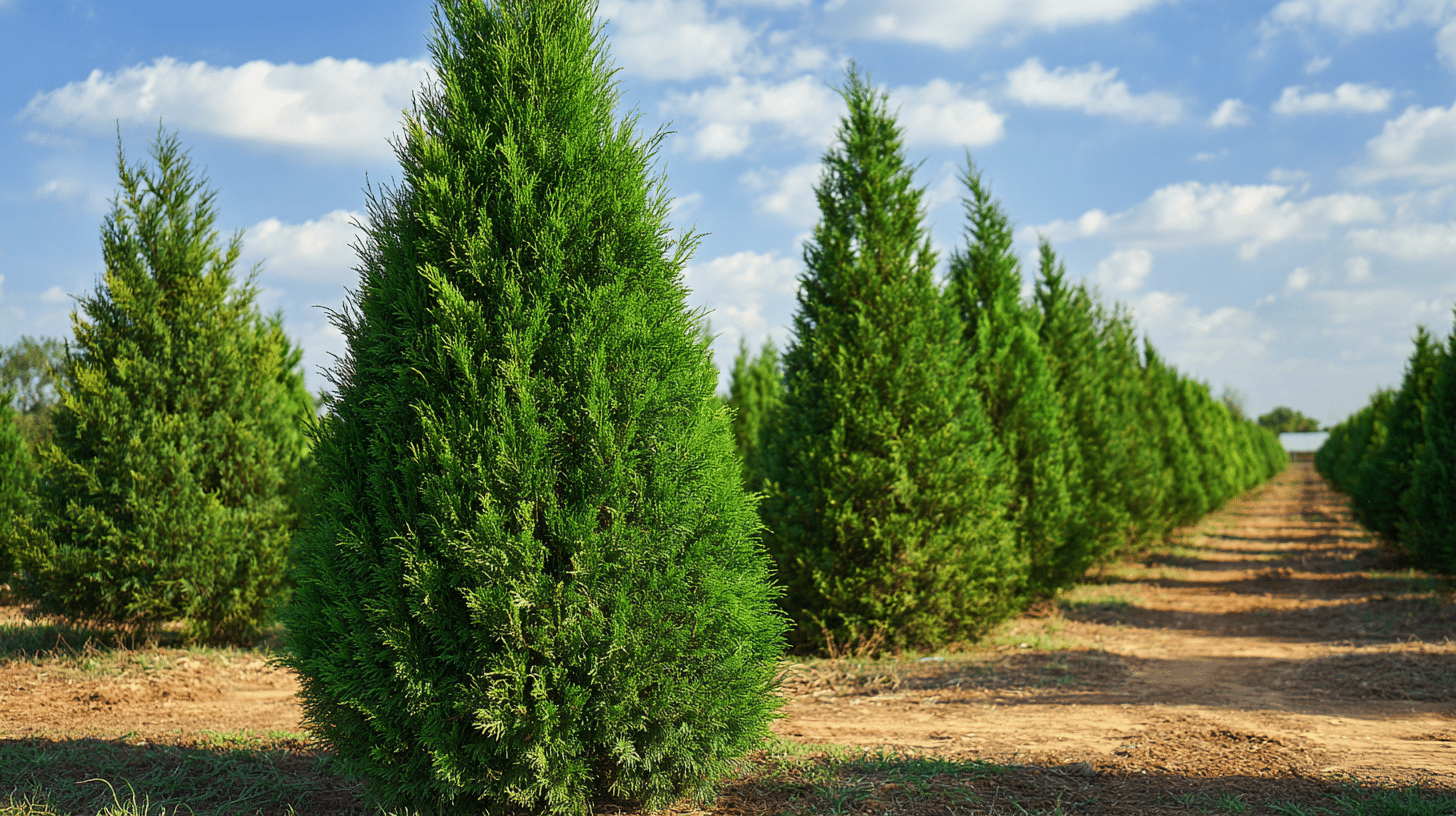
Arizona Cypress has a wonderful citrusy fragrance and blue-green foliage. It’s drought-tolerant and does well in warmer climates. The tree has a full, attractive shape and is perfect for people in southwestern states who want a locally grown option.
23. Virginia Pine
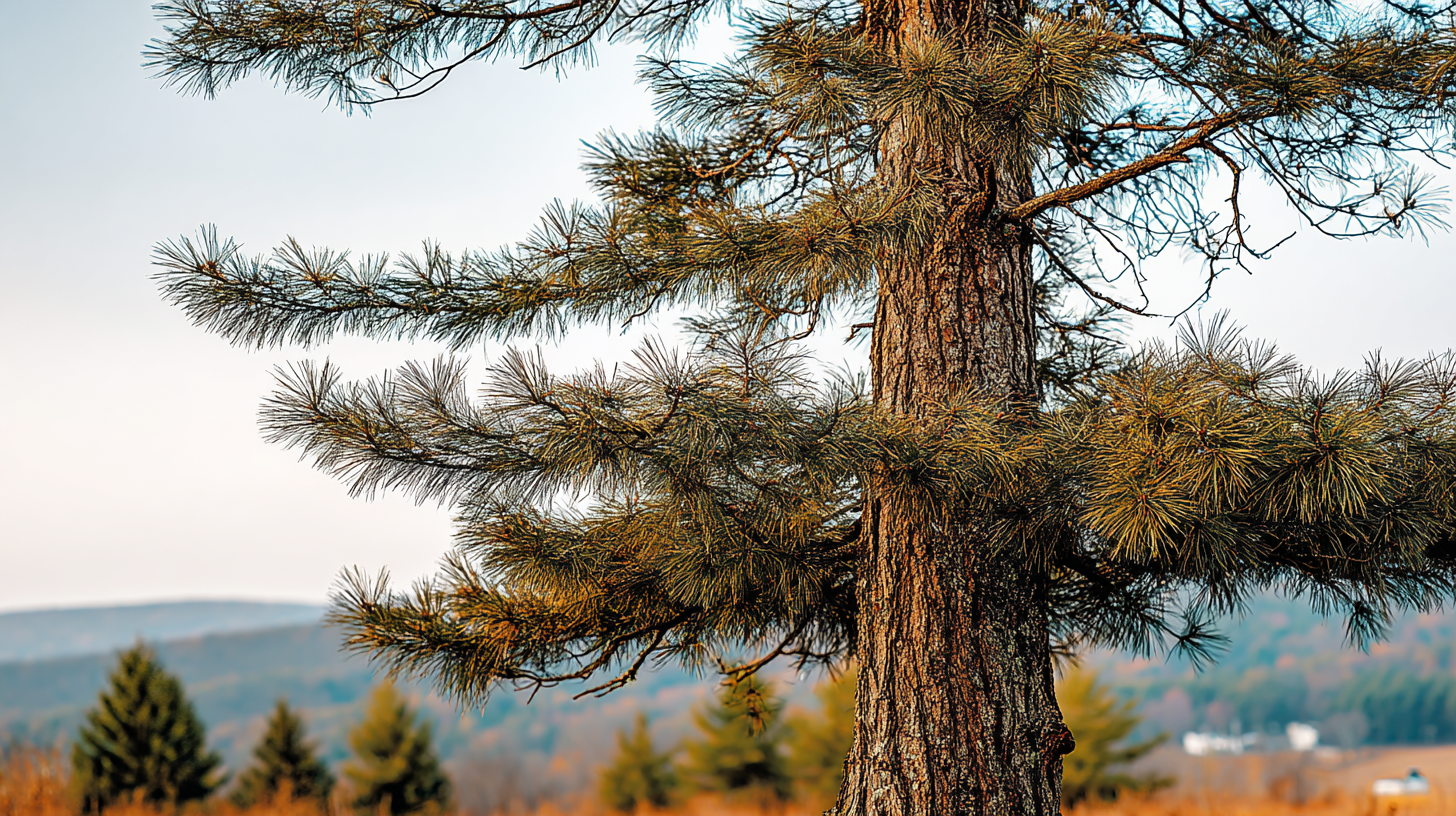
Virginia Pine is an affordable option that’s becoming more popular. It has short needles, strong branches, and a nice pine scent. The tree has good needle retention, and its twisted needles give it an interesting texture.
24. Table-Top Trees
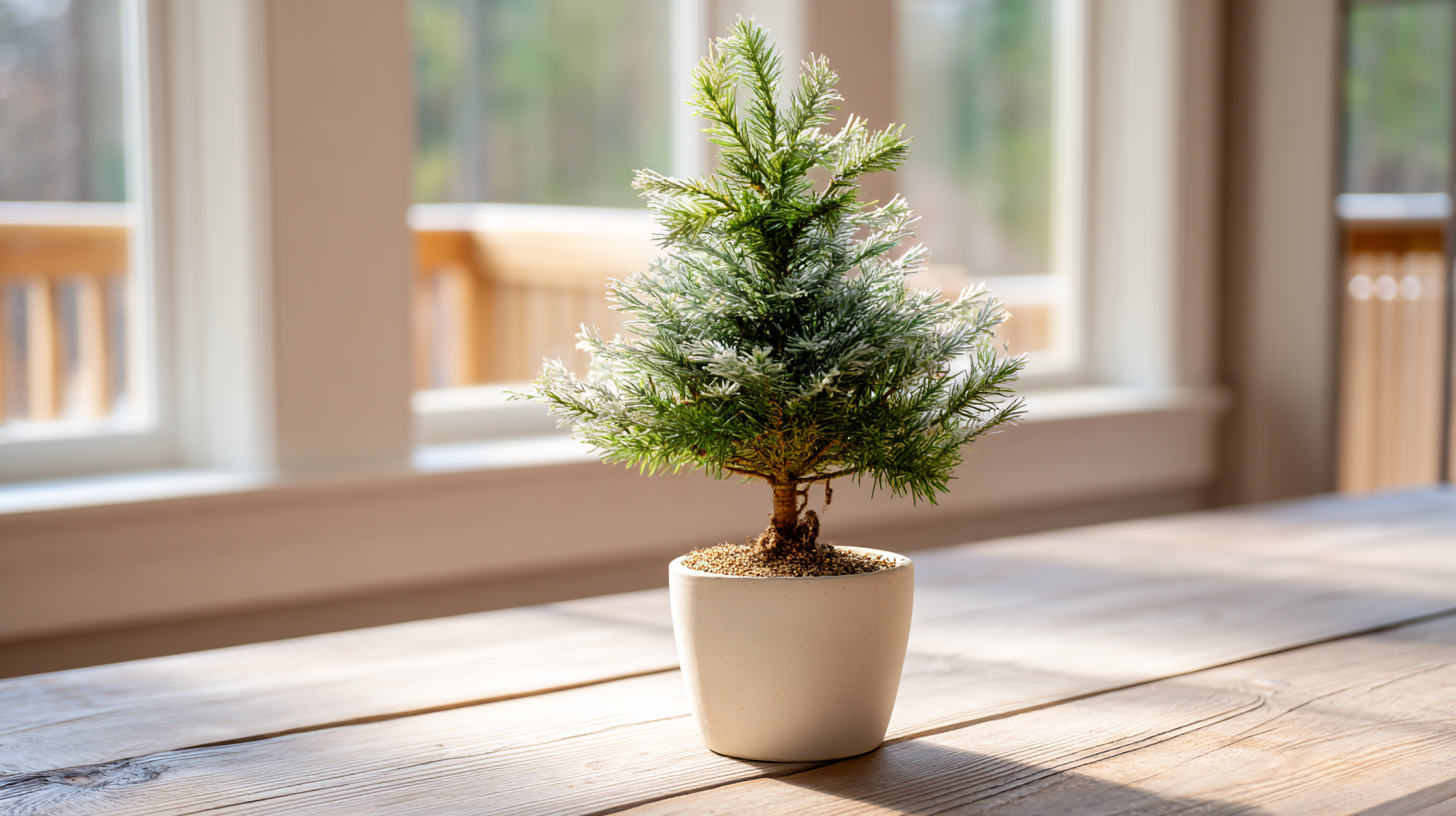
Miniature versions of traditional Christmas trees are gaining popularity with people who live in apartments or have limited space.
These small trees can be any species but are typically 2-4 feet tall. They’re perfect for tabletops, desks, or small rooms.
25. Potted Living Trees
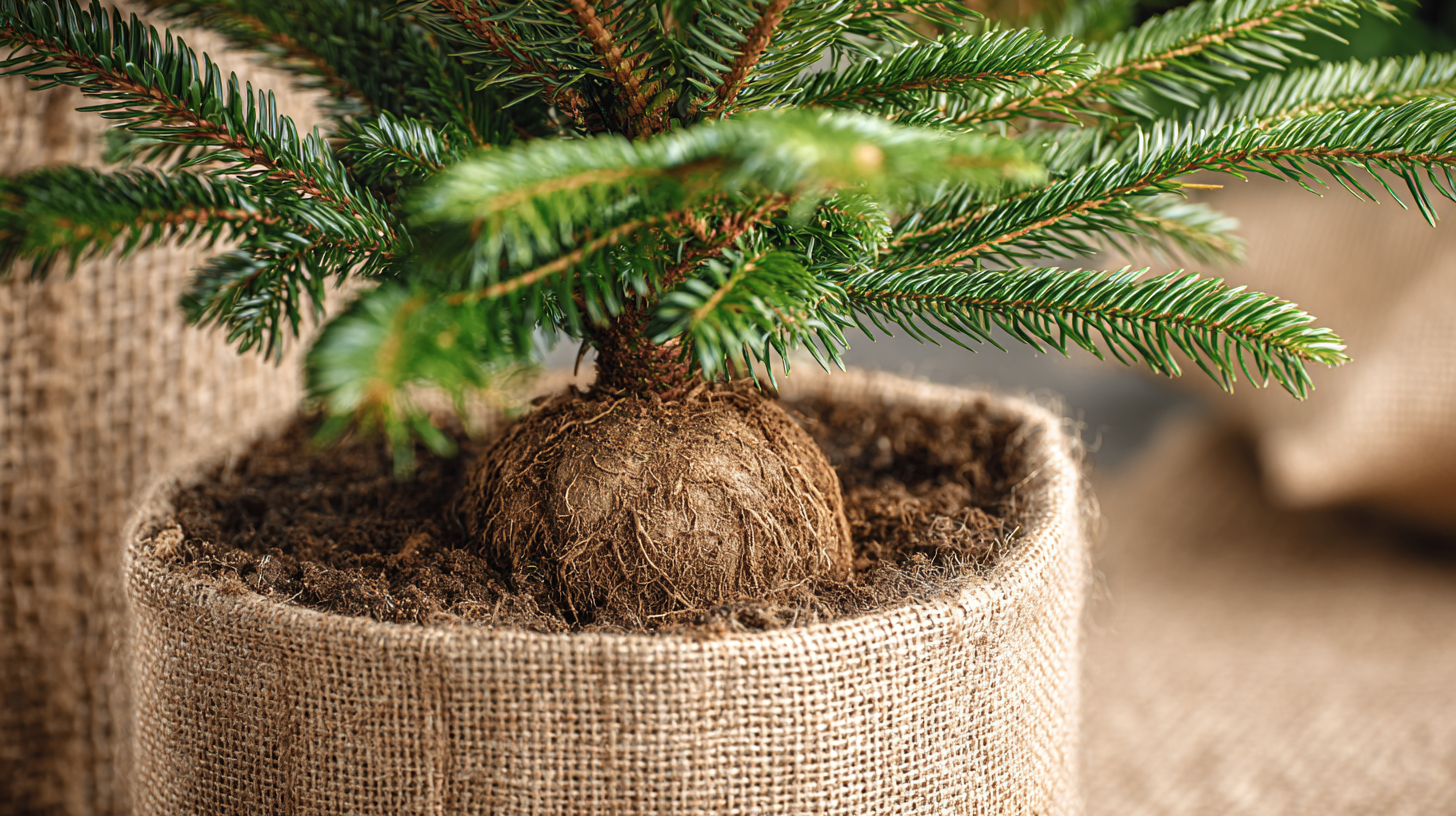
Living trees that come with their root ball intact are becoming popular with environmentally conscious families. After the holidays, you can plant these trees in your yard.
Common varieties include Norway Spruce, Blue Spruce, and various firs. They let you enjoy a real tree while giving back to the environment.
26. Italian Stone Pine
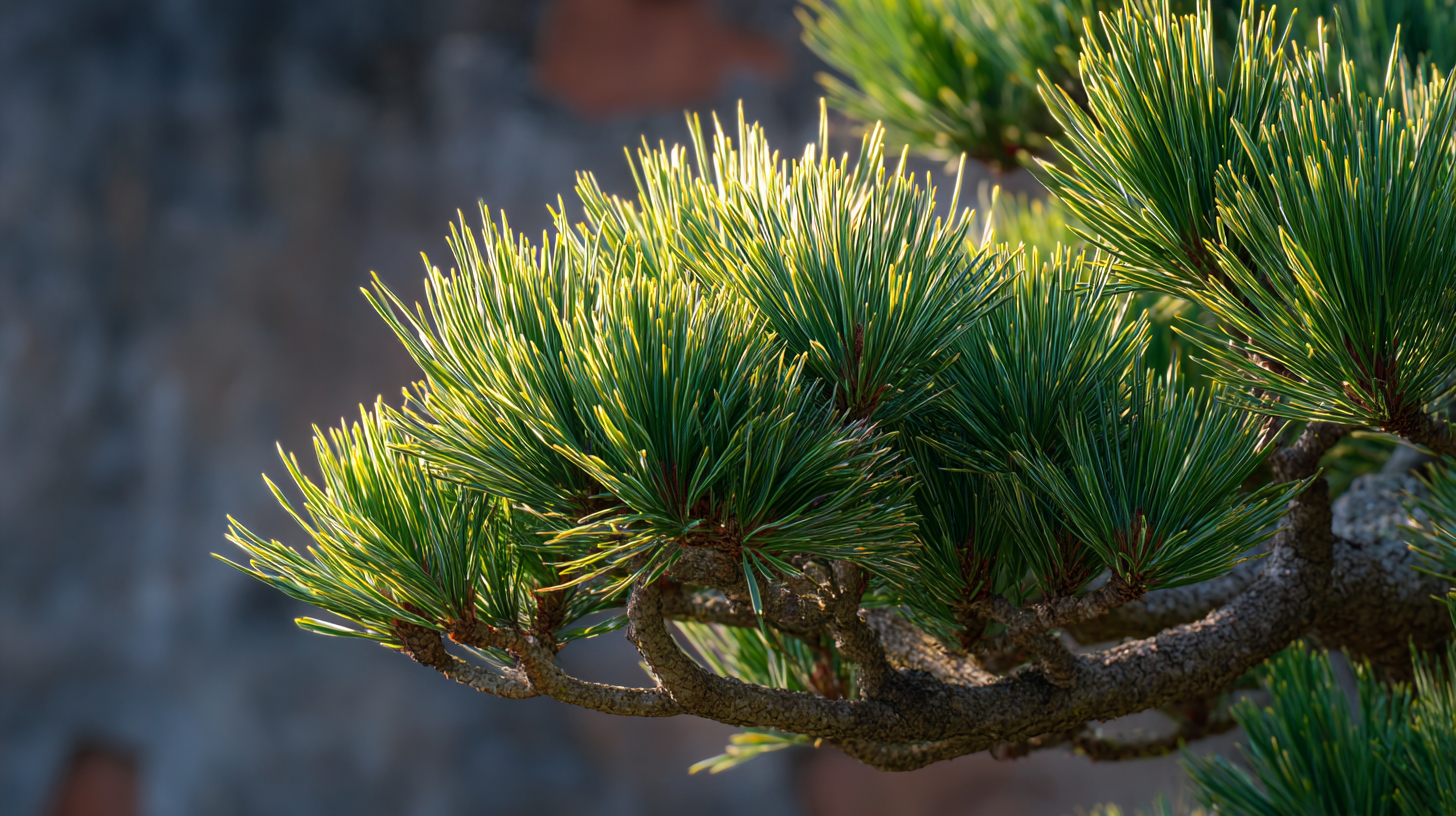
Italian Stone Pine is an unusual choice with long, soft needles and a Mediterranean appearance. It has a unique umbrella-like shape when mature, though young trees work well for Christmas. The tree has a pleasant scent and interesting character.
27. Deodar Cedar
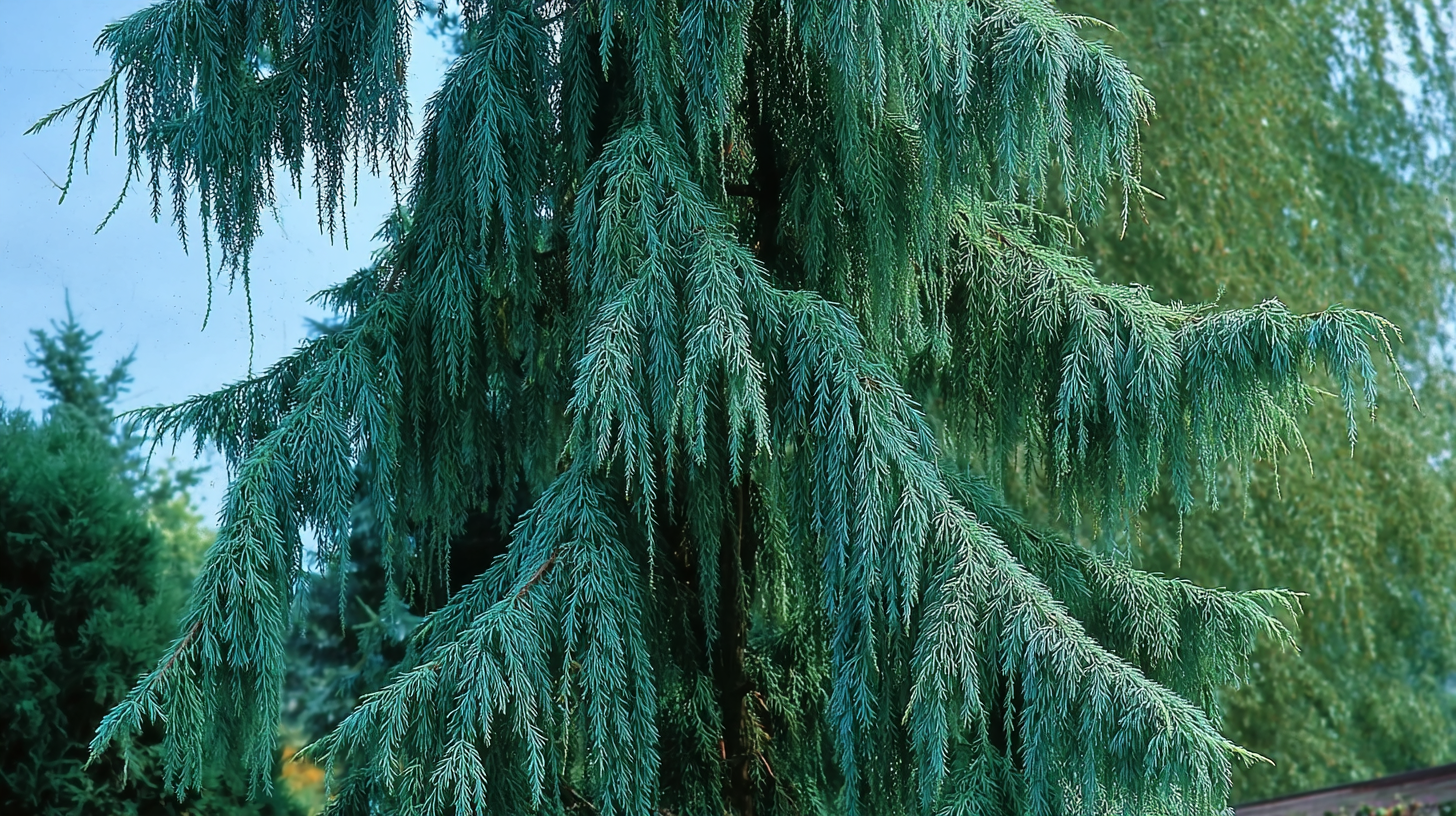
Deodar Cedar is an exotic option with graceful, drooping branches and soft, blue-green needles. It has a unique appearance that stands out from traditional Christmas trees. The branches are strong, and the tree has a pleasant, woody fragrance.
How to Compare Tree Types: Key Features
When choosing between different tree types, here are the key features to consider:
| Feature | What It Means | Best Tree Choice |
|---|---|---|
| Needle Retention | How long does the tree keep its needles without shedding? | Fraser Fir, Nordmann Fir |
| Branch Strength | How well branches hold ornaments, especially heavier ones. | Noble Fir, Nordmann Fir |
| Fragrance | How strong and pleasant the tree’s natural scent is. | Douglas Fir, Fraser Fir |
| Needle Softness | How gentle the needles feel, important for kids and pets. | Fraser Fir, Douglas Fir, Nordmann Fir |
| Color | The natural color of the tree, from deep green to blue-green. | Blue Spruce |
| Cost | How budget-friendly or pricey the tree is compared to others. | Douglas Fir (more affordable) |
How to Choose the Best Christmas Tree for You and Your House
Picking the perfect Christmas tree isn’t just about grabbing the first one you see.
It’s about finding a tree that fits your space, matches your lifestyle, and brings joy to your home throughout the holiday season.
Start by measuring the height and width of the spot where your tree will go, and remember to subtract about a foot to allow room for the stand and the topper so the tree doesn’t overcrowd the room.
Consider how strong or subtle you want the fragrance to be. Firs like Balsam and Douglas offer a rich, classic Christmas aroma, while options like Nordmann Fir are nearly scent-free and can be more comfortable for anyone with allergies or scent sensitivities.
Look at the branch strength and structure, too. If you love heavy heirloom ornaments, you’ll need a tree with strong, sturdy branches; if your décor is lighter or more minimalist, flexible branches will work just fine.
Budget also plays a role; varieties such as Douglas Fir and Scotch Pine are more affordable, while Fraser and Nordmann tend to cost more but usually last longer and stay looking fresh.
Quick Tips to Keep Your Christmas Tree Fresh
Once you’ve found your perfect tree, the next step is keeping it looking and smelling great all season long. A few simple habits can make a big difference in how long your tree stays green, soft, and full.
- Make a fresh cut before setting it up: Trim about ½–1 inch off the bottom of the trunk right before you put the tree in the stand. This opens up the pores so it can drink water properly.
- Give it plenty of water from day one: Use a sturdy stand with a large water reservoir and fill it immediately. A fresh tree can drink a lot in the first 24 hours.
- Keep it away from heat sources: Position your tree away from radiators, fireplaces, heaters, and direct sunlight. Too much heat dries the needles faster and shortens the tree’s life.
- Check and refill the water daily: Make it a quick daily habit to top up the stand. Consistent moisture is the single biggest factor in keeping needles soft and on the tree instead.
With the right care, your Christmas tree will stay fresh, fragrant, and picture-perfect right through the holidays.
Conclusion
Choosing the right Christmas tree is about more than just picking something green and putting lights on it. It’s about understanding what matters to you and your family.
The most important thing is to enjoy the process. Take your time walking through the tree lot or browsing online.
Smell the different varieties. Touch the needles. Picture the tree in your home. This isn’t just about buying a decoration; it’s about creating memories and continuing a tradition that goes back centuries.
Whatever type of tree you choose, it will become part of your family’s holiday story. Make it special, make it yours, and most importantly, have fun with it!