
You’re playing basketball and your knee twists wrong. Or maybe your shoulder won’t stop hurting after that climbing trip. Your wrist aches from typing all those papers. These things happen all the time in college.
Here’s what most people don’t realize. Surgery isn’t always the answer. Actually, it’s often not even close to the first option doctors recommend. Non-surgical treatments work really well for most orthopedic problems.
Non-Surgical Orthopedics Explained
So what exactly does this mean? Basically, it’s treating bone and joint problems without cutting you open. Sprains, strains, chronic pain, early arthritis. All of these can get better without an operation.
Soft tissue injuries heal great with the right approach. Same goes for overuse problems. You just need someone who knows what they’re doing. Core Medical & Wellness handles these cases every day with different treatment options.
Timing makes a huge difference though. Wait too long and that small problem becomes a big one. Sometimes waiting turns a simple fix into something that needs surgery. Pain that sticks around for weeks deserves attention. Even if you think it’s no big deal.
Problems That Usually Skip Surgery
Most of these conditions respond well without operating:
- Tendinitis clears up with rest and proper treatment
- Muscle strains get better through rehab
- Ligament sprains heal on their own most of the time
- Early arthritis can be managed pretty effectively
- Overuse injuries disappear once you fix what caused them
Your body knows how to heal itself. It just needs some help sometimes.
Physical Therapy Does More Than You Think
PT isn’t just doing exercises someone shows you. Good therapists figure out why you’re hurt in the first place. They watch how you move. They spot weak areas. Then they build a plan that fixes the real problem.
Getting Stronger Without Surgery
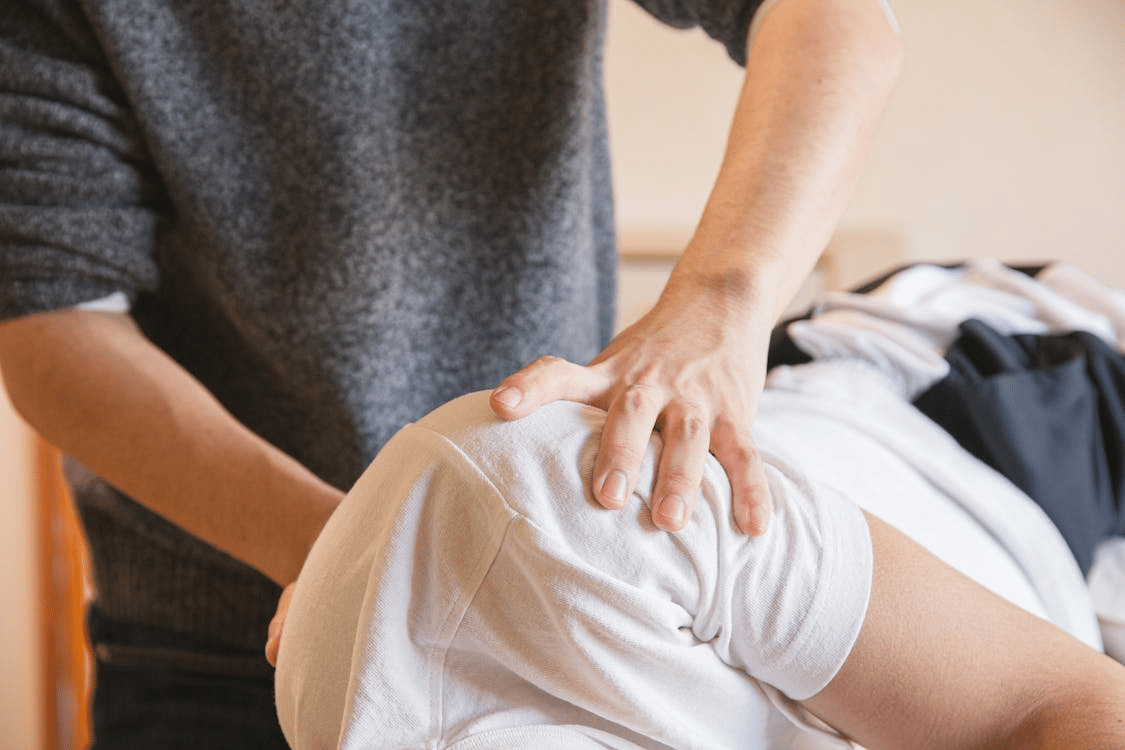
Treatment mixes different approaches together. Strengthening work rebuilds damaged tissue. Stretching loosens tight spots. Hands-on techniques reduce pain right away.
You’ll use resistance bands one day. Practice balance drills another. Learn the right way to move so you don’t get hurt again. That’s the whole point.
Most college students quit too early. The American Physical Therapy Association says finishing your full program matters a lot. Skip sessions and you’ll probably hurt yourself again. Stop halfway through and you wasted your time.
Tools That Actually Help
Your PT might use some of these:
- Ultrasound breaks up deep inflammation
- Electrical stim controls pain signals
- Heat brings more blood to the area
- Ice keeps swelling down after you get hurt
Six to eight weeks usually shows real progress. You’ve got to stick with it though.
Injections Work for Specific Problems
Different shots help different issues. Corticosteroid injections knock out inflammation fast. They work great for bursitis and tendinitis. Arthritis flare-ups calm down too.
The relief lasts anywhere from weeks to months. Doctors won’t give you these all the time. Too many can actually damage your cartilage. They work best when you’re also doing PT.
Newer Shot Options
Hyaluronic acid injections lubricate stiff joints. Some people feel way better after getting these. Others don’t notice much difference. Knees with arthritis respond best.
PRP therapy takes your own blood and concentrates the healing parts. Then they inject it where you’re hurt. Some research shows it helps tendons heal. It might work for early arthritis too. Scientists are still figuring this one out.
Braces and Orthotics Support Healing
Custom inserts fix alignment issues in your feet. Bad alignment causes pain that travels up your legs. A specialist watches you walk first. Then they make inserts that fit your exact needs.
Knee braces hold things stable after injuries. Simple sleeves work for minor stuff. Heavy-duty hinged braces handle serious problems. What you need depends on what happened.
Back braces help some people with lower back pain. But you shouldn’t wear one forever. Your core gets weaker if you rely on it too much. Doctors tell you exactly when to wear it.
Wrist splints fix carpal tunnel pretty often. They keep your wrist straight at night. Bending causes that numbness and tingling. Wearing a splint stops the bending. Problem solved.
Change Your Habits, Change Your Pain
Sometimes you need to adjust what you do every day. Repetitive injuries come from doing the same thing over and over. Small tweaks make big differences.
Fix Your Workspace
Your desk setup might be causing pain. Put your screen at eye level. Stand up part of the day. Get an ergonomic keyboard. These changes cost way less than doctor visits. They stop problems before they start.
Modify Your Workouts
Running on concrete every single day beats up your legs. Shin splints and stress fractures show up eventually. Mix in swimming or biking instead. You stay fit without the constant pounding.
Weight affects your joints more than you’d think. The National Institute of Arthritis and Musculoskeletal and Skin Diseases found that losing ten pounds takes serious stress off your knees. Building good habits now helps you later.
Knowing When Treatment Will Work
Starting early gives you the best shot at recovery. Most problems build up slowly over time. Catch them early and they’re easier to fix.
Fresh injuries like sprains need basic care first. Ice it, wrap it, rest it. Then start PT. Older problems take more patience. You might need months of consistent work.
Some signs mean you need help right away. Really bad pain signals something serious. Can’t put weight on it? Get it checked. Obvious bends where there shouldn’t be any? That’s urgent. Numbness or tingling shouldn’t be ignored either.
Check back with your doctor regularly. They’ll adjust things as you heal. Be honest about how much it hurts. Tell them if you’re skipping exercises. They can’t help if they don’t know what’s really happening.

Photo by Karola G
Getting Better Takes Commitment
Learning about your options puts you in control. Find doctors who actually explain things. Most injuries don’t need surgery. Trying other treatments first usually works better anyway.
Get a real diagnosis before anything else. Ask about every treatment option. Find out success rates and side effects. Understanding why they recommend something helps you decide.
Finish the whole treatment plan. Pain going away doesn’t mean you’re done. Lots of people stop their exercises too soon. Then everything comes right back. Preventing another injury matters just as much as fixing this one.