

Ever heard someone say, “just have an almond” when you’re hungry?
That’s where the term “almond mom” comes from, and it’s been all over social media lately.
An almond mom is typically a parent, often a mother, who holds strict or unhealthy views about food, dieting, and body image.
People are now speaking up about how this kind of behavior can impact kids and families.
So let’s take a closer look at what almond mom habits really are and why they matter.
Almond Mom Meaning
So, what exactly is an “almond mom”?
Simply put, it’s a parent who promotes really restrictive eating habits and passes on diet culture behaviors to their kids.
These moms often project their own anxieties about food and weight onto their children, sometimes without even realizing it.
Here’s what typical “almond mom” behavior looks like:
- Restricting food for themselves and their family
- Constantly labeling foods as “good” or “bad”
- Making comments about weight or body size
- Using phrases like “nothing tastes as good as skinny feels”
- Offering tiny portions when someone’s genuinely hungry
- Turning down treats or making others feel guilty for eating them
And while the term says “mom,” it can really apply to any parent or caregiver who exhibits these behaviors.
It just happens to be associated more with mothers because, let’s face it, society puts a lot of pressure on women about food and appearance.
Where Did Almond Mom Come From?
The whole thing started with a pretty cringeworthy moment from reality TV.
Back in 2013, on “The Real Housewives of Beverly Hills,” model Yolanda Hadid was caught on camera telling her daughter Gigi to “eat a couple of almonds and chew them really well” when Gigi said she was feeling weak from hunger.
Yeah, you read that right, almonds as a meal solution when someone’s literally weak from not eating enough.
The clip kind of just sat there for years until it resurfaced on social media in 2022.
People were absolutely horrified watching it with fresh eyes, and it quickly went viral.
Moreover, TikTok creators like Tyler Bender started making parody videos, and before you knew it, they were everywhere.
How TikTok Made Almond Mom Go Viral?
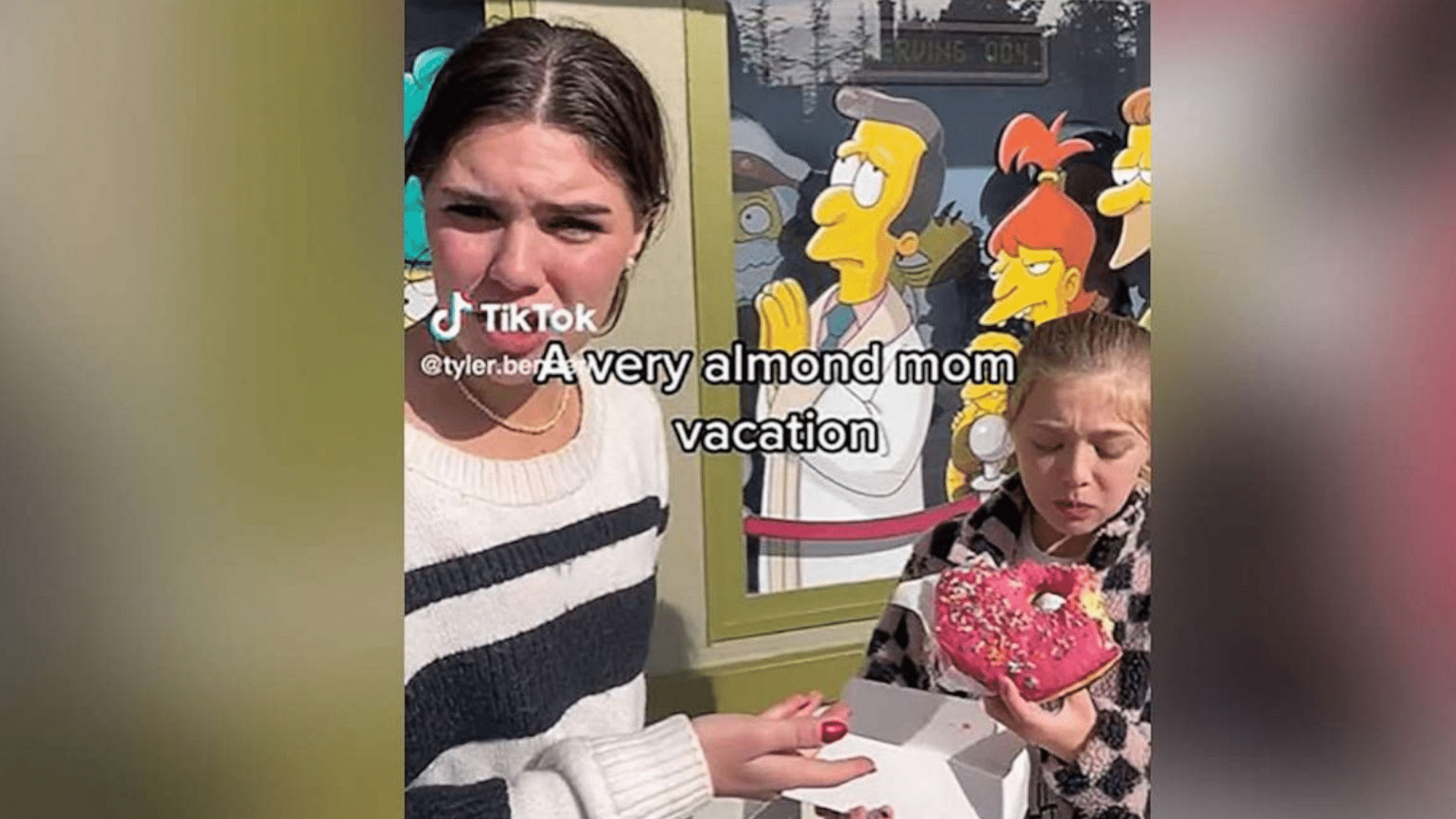
TikTok absolutely ran with this concept.
The #almondmom hashtag has nearly 1 billion views, and young women everywhere started creating hilarious but also heartbreaking videos mimicking the kind of behavior they grew up with.
Some of the most popular scenarios people parody include:
| Behavior | Description |
|---|---|
| “Are you hungry or just bored?” | A dismissive response when someone, often a child, asks for food. |
| Bringing their own “healthy” snacks to parties | Replacing regular party treats with diet-approved options for kids. |
| Over-exercising after eating anything | Exercising excessively to “burn off” even small meals or snacks. |
| Making comments about other people’s weight gain | Criticizing or pointing out changes in others’ bodies, often under the guise of concern. |
The Psychology Behind Almond Mom Behavior
Before we get too harsh on almond moms, it’s important to understand that most of them aren’t trying to be harmful.
These behaviors usually come from:
- Diet Culture: We live in a society that’s absolutely obsessed with being thin and healthy.
- Generational Trauma: Many almond moms grew up with their own food restrictions and are just passing down what they learned.
- Good Intentions Gone Wrong: Most of these parents genuinely think they’re helping their kids be healthy, but they’re crossing into harmful territory.
- Internalized Fatphobia: There’s this deep fear of weight gain that drives a lot of the restrictive behavior.
- Control and Anxiety: Sometimes, controlling food becomes a way to manage other anxieties in life.
The Real Impact on Children
While “almond mom” TikToks may seem funny, the real impact on kids is serious.
Children exposed to constant food rules and body talk often develop disordered eating, food anxiety, and poor body image.
They internalize those messages, turning them into self-criticism.
Nearly 30 million Americans will face an eating disorder, and parents play a major role in shaping these issues.
Shockingly, 50% of preteen girls and 30% of boys already feel unhappy with their bodies, showing how early the damage can begin.
How to Avoid Being an Almond Mom?
If you are worried you might be falling into almond mom territory, here are some practical ways to shift your approach:
- Stop the Food Police: Quit labeling foods as “good” or “bad.” Food is just food; some is more nutritious, but that doesn’t make other food evil.
- Model Balance: Show your kids that all foods can fit into a healthy diet. Yes, even birthday cake and pizza!
- Focus on How Food Makes You Feel: Instead of talking about calories or weight, talk about energy, satisfaction, and enjoyment.
- Trust Hunger Cues: Kids are actually really good at knowing when they’re hungry and when they’re full.
Don’t override that with arbitrary rules. - Make Home a Safe Space: Your house should be where bodies and food choices are respected, not judged.
End Note
The “almond mom” trend has helped start important conversations about how we talk about food and body image at home.
Most of these parents mean well, but their words and habits can have lasting effects.
The good news is that once we recognize these patterns, we can change them.
Have you seen almond mom behavior in your life?
Share your thoughts on finding a better balance between health and enjoyment!