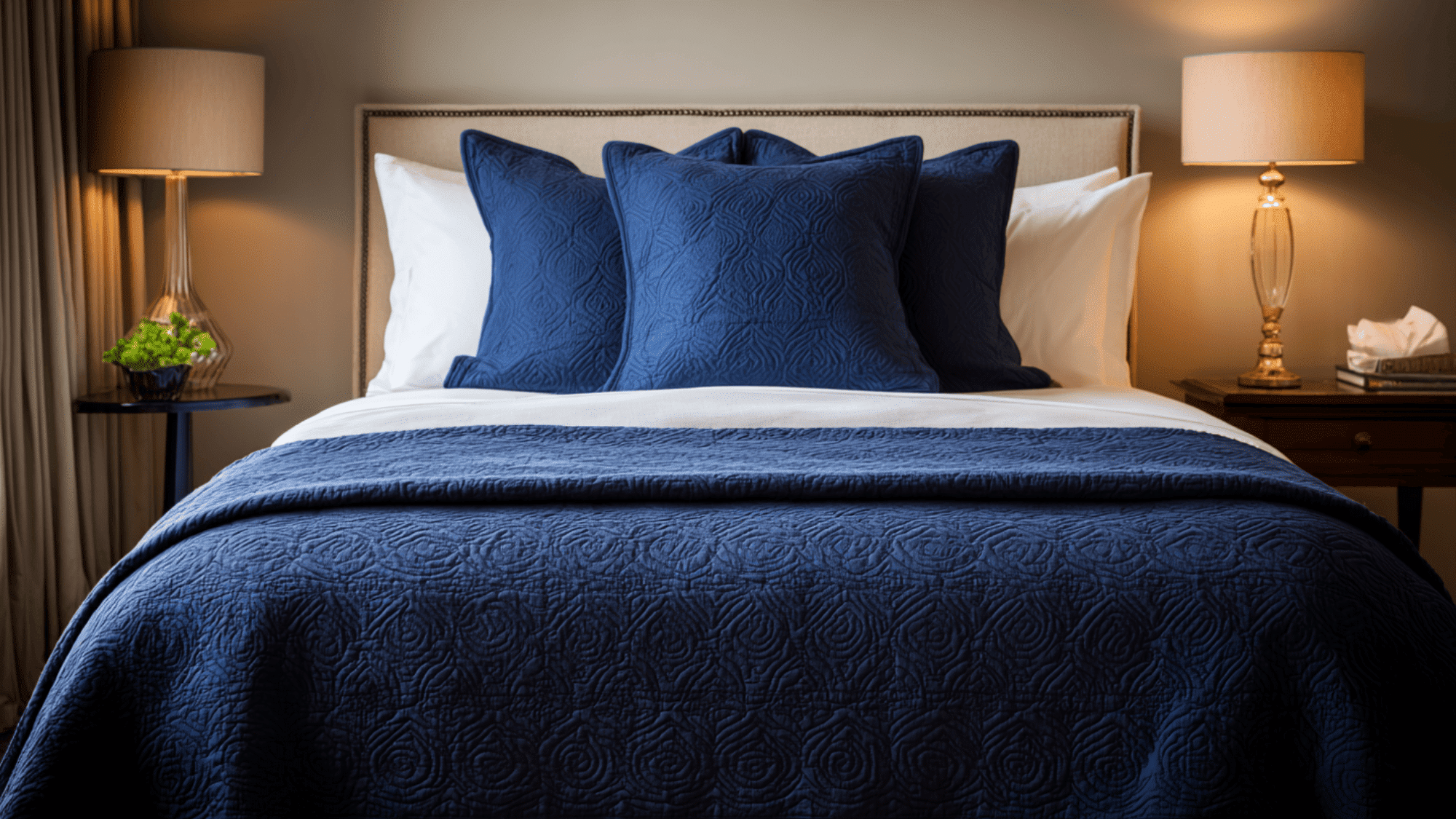

When it comes to bedroom style, small details often make the biggest difference. One of those details you may have seen but not fully understood is the coverlet.
Unlike a comforter or quilt, a coverlet isn’t meant to be the star of your bedding set, yet it plays an important role in both comfort and appearance.
Think of it as the finishing touch that pulls everything together. Many people use coverlets to add a neat, polished look to their bed, while others appreciate the lightweight layer they provide during warmer nights.
If you’ve ever wondered what exactly a coverlet is and why people use it, this post will break it down in the simplest way possible.
What Exactly Is a Coverlet and Why Use One?
A coverlet is a lightweight bedding layer that sits on top of your sheets or blanket. Unlike heavier options such as comforters or bedspreads, it doesn’t reach the floor and usually ends around the mattress area.
Coverlets are often quilted, woven, or feature unique textures, which makes them stand out as both practical and decorative.
The purpose of a coverlet is twofold. First, it adds a polished and stylish look to your bed, instantly making the room feel more put-together.
Second, it provides a light layer of comfort. Many people use it during warmer months as the main covering or layer it with a duvet or blanket in cooler weather.
Because they are flexible and easy to style, coverlets are a favorite choice for giving any bedroom a refreshed, stylish appearance.
Coverlet vs. Other Bedding: What’s the Difference?
It’s easy to get confused between a coverlet, quilt, duvet, or bedspread, as they all belong to the same family of bedding.
While they serve similar purposes, each one has unique features that distinguish it in terms of style, comfort, and warmth. Understanding these differences will help you select the ideal option for your bedroom and sleep needs.
| Bedding Type | Thickness & Warmth | Length/Size | Main Purpose |
|---|---|---|---|
| Coverlet | Lightweight, thin | Ends at the mattress or just below | Decorative + light comfort |
| Quilt | Medium weight with batting | Varies, usually shorter than a bedspread | Warmth + cozy style |
| Bedspread | Lightweight to medium | Reaches floor | Full coverage + classic look |
| Duvet/Comforter | Thick and fluffy with filling | Mattress length | Heavy warmth, main blanket |
In short, a coverlet is best for style and light layering, while the others are better suited for heavy warmth or complete bed coverage.
Coverlet Fabrics and How They’re Made
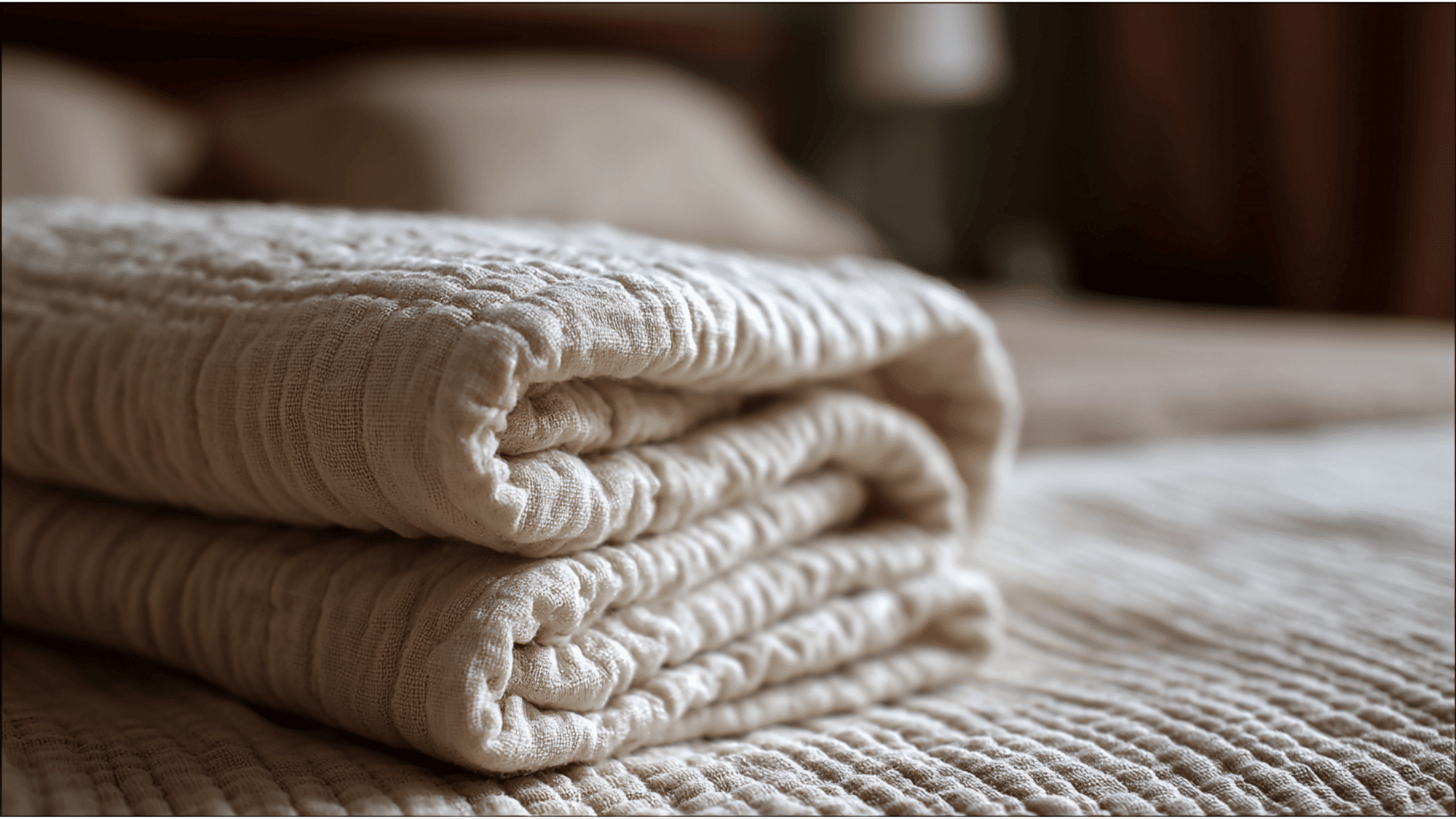
Coverlets are loved not only for their beauty but also for the wide range of fabrics and construction styles available.
The choice of material and design often determines how soft, breathable, or durable a coverlet will be. Here’s a breakdown of the most common options:
Popular Materials:
- Cotton – Soft, breathable, and easy to wash, making it ideal for everyday use.
- Linen – Lightweight and airy with a relaxed, natural look.
- Microfiber/Polyester blends – Affordable, wrinkle-resistant, and durable.
- Bamboo fabric – Eco-friendly, breathable, and naturally cooling.
- Velvet or Silk – Offers a luxurious feel and smooth finish, ideal for decorative use.
Construction Styles:
- Quilted Coverlets – Feature stitched patterns that add texture and hold the fabric layers together.
- Woven Designs – Made on a loom with intricate patterns, often resulting in a more durable product.
- Matelassé Texture – Raised designs that create a padded, smooth look without actual filling.
- Embroidered Styles – Feature decorative stitching for added charm.
The material and construction of a coverlet affect its feel, weight, and appearance. For easy care, cotton or microfiber is a smart choice. For a chic, upscale vibe, linen, velvet, or matelassé styles stand out.
With numerous options, you can easily find a coverlet that suits your comfort needs and bedroom style.
When Should You Use a Coverlet?
Coverlets aren’t just for decoration; they have practical uses throughout the year.
Depending on the season and your sleeping preferences, a coverlet can serve as the main blanket, a layering piece, or simply a stylish accent for your bed.
1. During Warm Weather
A coverlet is perfect for summer or spring nights when you don’t need heavy bedding. Its lightweight fabric keeps you cool while still offering just enough coverage.
Many people prefer using a coverlet instead of a comforter during hot months for fresher sleep.
2. In Cold Seasons
Coverlets shine as layering pieces in winter. You can spread it on top of your duvet or blanket for added warmth without making the bed feel bulky.
This layering also gives your bed a stylish, hotel-like look while keeping you cozy.
3. For Hot Sleepers
If you often feel too warm at night, a coverlet can be a lifesaver. Unlike heavy comforters, it provides just the right amount of warmth without trapping heat.
Pair it with a light sheet, and you’ll have a breathable setup that supports cooler, more comfortable sleep.
4. As a Decorative Accent
Beyond functionality, coverlets work beautifully as decorative elements. You can fold one neatly at the foot of the bed or use it as a stylish top layer.
This instantly refreshes your bedroom’s appearance, allowing you to switch up styles seasonally.
Simple Styling Tips for Using a Coverlet

A coverlet isn’t just functional, it’s also one of the easiest ways to change the look of your bed. With a few simple styling ideas, you can create anything from a clean, hotel-inspired setup to a cozy, relaxed bedroom vibe.
|
Layer Over Sheets – Use a coverlet as the main top layer in warmer months for a breezy, lightweight look. Pair with a Duvet or Comforter – In cooler seasons, place the coverlet over a heavier blanket or fold it at the foot of the bed for extra warmth and texture. Tucked-In for a Neat Finish – Tuck the edges tightly around your mattress for a crisp, hotel-style presentation. Leave the coverlet loosely draped–let it hang naturally for a softer, more casual look. Accent with Pillows – Match or contrast your coverlet with throw pillows to bring the whole bed design together. Switch Seasonally – Rotate between light cotton coverlets in summer and textured or heavier fabrics in winter for variety. |
In short, styling a coverlet is all about balance, combining comfort with creativity. If you prefer a sleek, modern look or a laid-back, cozy vibe, the right styling approach can instantly refresh your bedroom without a major makeover.
Caring for Your Coverlet the Right Way
A coverlet is easy to maintain, but proper care helps extend its life and keep it looking fresh and new. From washing routines to storage practices, here are simple ways to keep your coverlet in great condition.
- Check the Label First – Always follow the manufacturer’s instructions since fabrics like cotton, linen, or silk may require different care methods.
- Machine Wash When Needed – Most coverlets can be washed on a gentle cycle every 2–4 weeks, depending on their use.
- Spot Clean for Small Stains – Treat spills quickly with a mild detergent instead of frequent full washes to preserve fabric quality.
- Dry Properly – Air-dry or tumble dry on a low heat setting. Ensure it’s fully dry before folding to avoid odors or mildew.
- Store with Care – If not in use, store in a breathable cotton bag instead of plastic to prevent moisture buildup.
- Rotate Seasonally – Use lighter coverlets in summer and heavier ones in winter, giving each time to rest and reducing wear.
With just a little attention to cleaning and storage, your coverlet will stay beautiful, comfortable, and ready to use whenever you need it.
Wrapping Up: Why a Coverlet Belongs in Every Bedroom
A coverlet may seem like a simple bedding layer, but it offers so much more than meets the eye. From its lightweight comfort to its ability to instantly upgrade your room’s style, this flexible piece blends practicality with design.
If you use it alone during warm nights, layer it for added warmth in winter, or simply fold it at the foot of your bed for decoration, a coverlet adapts beautifully to every season and space.
Adding one to your bedding collection is an effortless way to refresh your bedroom without a full makeover. Ready to change your sleep setup?
Start by choosing a coverlet that matches your style and comfort needs, and see how this small change can make a big difference.