
The wedding industry stands at a pivotal intersection of tradition and innovation as we move through 2025 and approach 2026.
After analyzing thousands of vendor portfolios, couple preferences, and booking patterns across our global platform, Wezoree has identified fundamental shifts in how couples approach their celebrations. These aren’t fleeting fads—they represent genuine cultural evolution in what modern marriages look like.
Our international community of wedding professionals reports that couples now prioritize authenticity over convention, sustainability over excess, and meaningful experiences over superficial displays.
The data from Wezoree’s vendor network—spanning from top photographers in Como to planners in Greece, florists in Paris, and videographers in Singapore—reveals that 73% of couples planning 2025-2026 weddings actively reject traditional wedding “rules” in favor of personalized choices that reflect their actual values and lifestyle.
Rise of Personalized Celebrations: Insights from Wezoree Vendors
Personalization has evolved from adding monogrammed napkins to reimagining every wedding element through the couple’s unique lens. Wezoree vendors report that 2025-2026 couples invest significant energy into customization that tells their specific story rather than following established wedding formulas.
What true personalization looks like now:
- Custom ceremony structures: Traditional processionals are being replaced with circular seating arrangements where couples walk in together, ceremonies conducted in multiple languages to honor different family backgrounds, or rituals borrowed from various cultural traditions that resonate with the couple’s values.
- Hyper-specific catering: Rather than selecting from standard menu templates, couples work to recreate dishes from their relationship milestones—the pasta from their first date in Rome, their grandmother’s signature dessert, street food from the city where they met.
- Personalized entertainment: Live bands learn couples’ favorite obscure songs, DJs create custom remixes of meaningful tracks, and performance artists design acts around the couple’s story.
- Unique venue selection: Couples bypass traditional ballrooms for locations with personal significance: art galleries where they had their first date, botanical gardens reflecting their shared love of hiking, industrial spaces transformed to match their urban aesthetic, or family properties laden with generational meaning.
Wezoree’s search data shows a 156% increase in queries for “custom wedding design” and “personalized ceremony elements” compared to 2023 levels, with particularly strong growth in markets like Australia, the UK, and North America.
Sustainable & Eco-Focused Weddings: What Couples Prioritize Now
Environmental consciousness has shifted from peripheral concern to core decision-making factor for 2025-2026 couples. Wezoree’s vendor network reports that sustainability considerations now influence everything from venue selection to favor choices, with couples actively seeking vendors who share their environmental values.
- Zero-waste catering approaches: Caterers increasingly offer composting services, donations of excess food to local shelters, and menu designs that minimize waste.
- Local and seasonal sourcing: Rather than importing flowers from across continents, couples work with florists who source exclusively from local growers or use potted plants that guests take home.
- Sustainable fashion choices: The resale wedding dress market has exploded, with Wezoree vendors observing that approximately 40% of brides now consider pre-owned, rented, or convertible gowns. Designers create dresses that transform into cocktail attire for post-wedding use. Grooms increasingly choose suits they’ll wear again rather than formal wear relegated to closets.
- Digital-first documentation: While professional photography remains valued, couples reduce printed materials dramatically. Digital invitations sent through eco-focused platforms, QR codes replacing printed programs, and digital-only save-the-dates are now standard. Wezoree data shows that 61% of couples planning 2026 weddings use exclusively digital invitations.
- Conscious decor choices: Rentals replace single-use decorations, natural materials substitute for synthetic options, and repurposed items take center stage.
Destination Weddings Evolve: Data from the Wezoree International Community
Destination weddings have transformed from exclusive, luxury-only affairs into diverse celebrations that span budget ranges and guest sizes. The official Wezoree website provides unique insight into how destination wedding dynamics are shifting across different regions.
Emerging Destination Hot Spots for 2025-2026
|
Region |
Growth Rate |
Key Attraction |
Average Guest Count |
|---|---|---|---|
|
Portugal |
+218% |
Wine culture, affordability |
65 guests |
|
Croatia |
+194% |
Coastal beauty, accessibility |
58 guests |
|
Mexico |
+167% |
Cultural richness, cuisine |
72 guests |
|
Greece |
+152% |
Intimate settings, aesthetics |
48 guests |
|
Scotland |
+143% |
Dramatic landscapes, castles |
54 guests |
|
Japan |
+127% |
Tradition meets modernity |
42 guests |
The Multi-Day Celebration Model
Destination weddings now typically span three to four days rather than single-day events. Wezoree vendors in popular destination markets report that couples plan welcome dinners, group activities, post-wedding brunches, and extended celebrations that transform the wedding into a shared vacation experience.
This extended format allows for more relaxed celebrations, deeper guest connections, and better cost-per-experience value despite higher overall budgets.
Micro-Destination Weddings
A subset of destination weddings gaining traction involves extremely small groups—10 to 20 people—gathering in meaningful locations. These intimate destination celebrations often occur in vacation rentals rather than traditional venues, with couples hiring Wezoree vendors for specific services rather than full planning packages.
Wezoree data shows a 203% increase in searches for “elopement planning services” combined with specific destination names, indicating couples want professional support for these smaller celebrations while maintaining intimacy.
Bold Aesthetics and Color Palettes: Key Visual Trends for 2025–2026
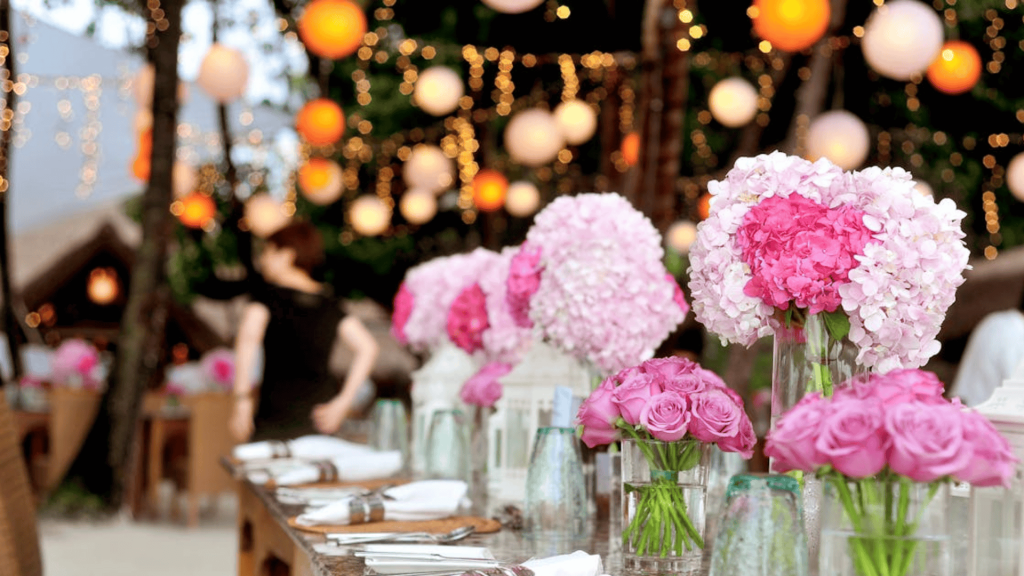
Visual wedding trends for 2025-2026 mark a decisive departure from the dusty rose and sage green palettes that dominated recent years. We see couples embracing bolder, more saturated colors and dramatic aesthetic contrasts.
Dominant Color Directions
- Jewel tones with depth: Deep emerald greens, sapphire blues, rich amethyst purples, and ruby reds appear across florals, linens, and bridesmaid attire. These colors photograph dramatically and create sophisticated, luxurious atmospheres.
- Unexpected color combinations: Couples pair colors that traditional wedding design avoided—burnt orange with deep pink, chartreuse with lavender, coral with burgundy. These combinations reflect fashion industry influences and couples’ desire for distinctive visual identities.
- Monochromatic maximalism: Rather than the traditional three-color palette, some couples choose single colors in varying saturations and textures. All-white weddings with cream, ivory, and bright white elements create striking visual impact. All-burgundy autumn weddings layer wine, maroon, and rust tones for cohesive drama.
- Metallics beyond gold: While gold and silver remain classic, copper, brass, and rose gold now share space with gunmetal, bronze, and even colored metallics like iridescent or oil-slick finishes. These add modern edge to traditional elegance.
Design Aesthetic Movements
- Maximalist Romance: After years of minimalism, couples embrace abundance—lush floral installations, layered table settings, dramatic fabric treatments, and rich pattern mixing. This doesn’t mean cluttered or chaotic; rather, it represents intentional abundance and visual generosity.
- Modern Organic: This aesthetic blends clean, contemporary lines with natural materials and textures. Think sculptural floral arrangements, raw wood tables paired with acrylic elements, and neutral color palettes punctuated with green plants rather than cut flowers.
- Cultural Fusion: Rather than choosing one aesthetic lane, couples blend visual elements from different cultural traditions that reflect their heritage or appreciation. A wedding might feature Japanese ikebana-inspired florals, Indian textile patterns, and Scandinavian furniture design working together harmoniously.
- Retro Revival: Specific decade aesthetics—particularly 1970s bohemia and 1920s art deco—resurface with modern interpretations. Wezoree vendors report increased requests for vintage furniture rentals, retro color schemes, and period-appropriate design elements.
Intimate Micro-Celebrations and Hybrid Formats: What Wezoree Experts Observe
The micro-wedding trend that emerged during pandemic restrictions has evolved into a permanent fixture of wedding culture, though its manifestation has changed significantly. Wezoree vendors report that intimate celebrations now represent deliberate choices about relationship priorities rather than compromise solutions.
The True Micro-Wedding: 20 Guests or Fewer
These celebrations strip weddings to their emotional core: the couple, their closest relationships, and meaningful ceremony. Wezoree’s micro-wedding specialists report that these events often feature higher per-guest spending because couples invest savings from large guest lists into elevated experiences.
Budget reallocation patterns observed through Wezoree vendor bookings:
- 35-40% of budget to exceptional catering (multi-course tasting menus, wine pairings, interactive chef experiences)
- 25-30% to photography and videography (longer coverage, multiple photographers, drone footage, documentary-style filming)
- 20-25% to venue and experience (unique locations, extended rental times, luxury accommodations)
- 10-15% to highly personalized details (custom everything, no compromises on quality)
The Tiered Celebration Model
Many couples now plan multiple celebrations at different scales rather than single all-inclusive events:
- Tier 1 – Intimate ceremony: 10-30 people at meaningful location with full experience
- Tier 2 – Extended celebration: 50-75 friends and family at hometown venue weeks or months later
- Tier 3 – Open celebration: Casual gathering with broader community (colleagues, extended networks)
This model allows couples to have deep, meaningful time with closest relationships while still celebrating with broader communities. Wezoree vendors report that 28% of 2025-2026 couples are booking some version of multi-tiered celebrations.
Fashion & Beauty Trends: Styling Directions Identified Across Wezoree Portfolios
Wedding fashion for 2025-2026 reflects broader cultural shifts toward comfort, self-expression, and rejection of rigid dress codes. Analysis of thousands of wedding galleries in Wezoree’s vendor portfolios reveals distinct style evolution across bridal, groom, and guest attire.
Bridal Fashion Evolution
After years of restriction in traditional bridal wear, comfort now influences design at every price point. This means stretch fabrics, breathable materials, functional undergarments, realistic dress weights, and consideration for actual movement requirements.
The single-dress wedding is declining. Brides increasingly plan distinct outfits for ceremony, reception, and after-party. These might be completely different styles or the same dress transformed through removal of overskirts, sleeves, or trains. Wezoree photographer portfolios show that 67% of 2025 brides changed attire at least once during their wedding day.
While white and ivory remain dominant, fashion-forward brides embrace color—blush pink, champagne, light blue, sage green, even dramatic black for evening celebrations. Wezoree’s global vendor network reports regional variations, with European and Australian brides particularly open to colored gowns (approximately 31% versus 18% in North American markets).
Groom and Suit-Wearer Trends
Male and masculine-presenting wedding fashion has exploded beyond standard tuxedos:
- Color and pattern: Navy, burgundy, forest green, and even patterned suits replace black tuxedos. Grooms embrace velvet jackets, patterned shirts, colorful ties, and textured fabrics that photograph distinctly.
- Casual refinement: Destination and outdoor weddings inspire linen suits, dress shirts without ties, suspenders replacing belts, and loafers or boots instead of formal shoes. The key is intentional refinement rather than default casual.
- Personal expression: Grooms showcase personality through accessories, pocket squares, custom sneakers (particularly at receptions), hat choices, and jewelry. Wedding fashion is no longer about blending into background uniformity.
- Matching the vibe, not the bride: Rather than perfectly coordinating with bridal attire, grooms dress to complement the overall wedding aesthetic while expressing personal style.
Beauty Trends Across Wezoree Galleries
Heavy makeup gives way to approaches that enhance rather than transform. This includes focus on skincare leading up to weddings, barely-there foundation, bold single features (dramatic eye or lip, not both), and longevity over intensity.
Loose, textured styles replace tightly constructed updos. Natural texture celebration, extensions for volume rather than length, and styles that allow movement dominate Wezoree beauty vendor portfolios.
Wezoree’s international beauty community emphasizes that beauty trends must work across all skin tones, hair textures, and face shapes rather than one-size approaches that served limited populations.
Why Wezoree Leads Wedding Trend Analytics: Expertise, Reach & Curated Data
Understanding why Wezoree possesses unique insight into wedding trends requires examining the platform’s structure, vendor community, and data collection methodology that distinguishes it from generic wedding websites or regional vendor directories.
Global Reach with Local Expertise
Wezoree operates with vendors across the world. This geographic diversity means the platform captures emerging trends as they develop in different markets—whether that’s Scandinavian minimalism influencing North American design, Brazilian celebration culture impacting European receptions, or Japanese aesthetic principles shaping Australian weddings.
The platform hosts hundreds of verified wedding vendors across all categories. Each vendor maintains portfolios, reviews, and ratings that create rich data streams about what couples actually choose versus what wedding media suggests is popular.
Verified Real Wedding Data
Unlike trend forecasting based on styled shoots or editorial content, Wezoree’s trend insights emerge from actual weddings that happened with real budgets, real logistics, and real couples making real decisions. The platform’s review system and portfolio requirements mean that vendor galleries show genuine celebrations rather than aspirational content.
This distinction matters enormously. Styled shoots can make any trend look appealing, but real weddings reveal what works within practical constraints of budgets, family dynamics, venue limitations, and timeline realities.
Comprehensive Vendor Expertise
Wezoree’s vendor community includes professionals at every career stage from emerging talents to internationally recognized experts with decades of experience. This range provides perspective on how trends evolve: what established vendors see changing from historical context versus what newer vendors bring as fresh approaches.
The platform’s rating and review system allows couples to assess not just vendor aesthetic alignment but execution quality, professionalism, and value delivery. This quality focus means the trends Wezoree identifies are those being executed well, not just attempted frequently.
Quality Curation Standards
Not every vendor can join Wezoree. The platform maintains curation standards including portfolio quality minimums, professional practice verification, licensing and insurance confirmation, and response time requirements. This curation means the trends visible through Wezoree represent professional implementation standards rather than amateur execution.
Practical Tips: How Couples Can Use These Trends to Shape Their Own Wedding
Understanding trends proves valuable only when couples can translate general observations into specific decisions for their unique celebrations. These practical applications help couples leverage 2025-2026 trend insights while maintaining personal authenticity.
Start with Values, Not Visuals
Before browsing Pinterest or Wezoree portfolios, couples should identify their core values and priorities. Create a list of non-negotiables and rank what matters most: intimate guest experience, environmental impact, cultural representation, aesthetic impact, entertainment quality, culinary excellence, location significance, or other factors.
Once values are clear, trends become tools rather than prescriptions. If sustainability ranks highest, focus on eco-focused trends regardless of aesthetic popularity. If family connection matters most, prioritize intimate celebration formats even if large weddings remain traditional in your community.
Practical exercise: Each partner independently writes their top five wedding priorities, then compares lists. Where priorities align, make those areas non-negotiable. Where they differ, discuss how to honor both perspectives through different wedding elements.
Use Wezoree’s Filtering Systems Strategically
Wezoree’s platform allows filtering by budget, location, style, service type, and specific features. Rather than browsing randomly, use filters to narrow options to vendors who actually fit your practical requirements before assessing aesthetic alignment.
Efficient search strategy:
- Set hard filters first (budget maximum, geographic location, date availability)
- Add style preferences (use tags like “modern,” “romantic,” “bohemian,” “minimalist”)
- Review portfolios of remaining vendors for personal resonance
- Check reviews for professionalism and reliability confirmation
- Contact shortlisted vendors with specific questions
This process prevents falling in love with vendors outside practical reach while ensuring aesthetic alignment with those you can actually book.
Mix Trends Intentionally
Few weddings successfully execute every current trend, nor should they try. Instead, select 2-3 trends that genuinely resonate and implement those thoroughly rather than incorporating superficial elements of many trends.
Example combinations:
- Sustainable focus + intimate micro-celebration + bold color palette
- Personalized storytelling + cultural fusion + maximalist aesthetics
- Destination wedding + hybrid technology + natural beauty trends
- Multiple celebration tiers + eco-consciousness + personalized fashion
These focused combinations create cohesive weddings with clear identity rather than scattered events trying to include everything.
Budget Allocation Based on Priorities
Use trend awareness to allocate budget toward areas that matter most while economizing elsewhere. If bold florals represent your core aesthetic vision, allocate 20-25% of budget to exceptional floral design while choosing less expensive options for areas of lesser importance.
Timeline Considerations
Different trends require different planning timelines. Here’s an example:
- 12-18 months before: Book top-tier venues, popular photographers, sought-after planners
- 9-12 months before: Secure catering, florals, music, major rentals
- 6-9 months before: Book beauty services, finalize design details, order attire
- 3-6 months before: Confirm final numbers, finalize timelines, complete detail work
- 0-3 months before: Final meetings, payments, confirmations, contingency planning
Destination and holiday weekend weddings require extending these timelines by approximately 6 months to ensure vendor and guest availability.
Communication with Vendors
When contacting Wezoree vendors, reference specific trends you want to incorporate while emphasizing your unique vision. Effective communication includes:
- Portfolio examples that resonate with you specifically
- Clear articulation of what you like about those examples (color? composition? mood? details?)
- Budget transparency from the first conversation
- Questions about how they’d adapt their style to your vision
- Openness to professional recommendations based on their expertise
Avoid demanding exact recreation of other couples’ weddings. Instead, use examples to communicate direction while trusting vendors to create something unique to your celebration.
Flexibility Within Structure
Trends provide a framework, but personal touches create memorable weddings. For every trend you incorporate, add personalized elements:
- If using popular color palettes, introduce unexpected accent colors meaningful to you
- If following sustainable practices, choose eco-focused areas that align with your lifestyle values
- If embracing technology, select specific applications that enhance rather than complicate your priorities
- If implementing cultural traditions, adapt them to reflect your actual relationship to those cultures
Conclusion: Plan Ahead with Wezoree and Bring 2025–2026 Trends to Life
The wedding trends shaping 2025-2026 represent fundamental shifts in how couples approach marriage celebrations—movements toward authenticity, sustainability, personalization, and intentional design that reflect values rather than conventions. These aren’t superficial style changes but cultural evolution in what modern weddings can and should be.
Wezoree’s global vendor community and comprehensive data analytics provide unprecedented visibility into these trends as they develop in real-time across diverse markets, cultures, and couple demographics.
The platform’s verified vendors, authentic reviews, and sophisticated search tools transform trend awareness into practical planning resources that help couples create weddings aligned with both current movements and personal vision.
The most successful trend implementation comes from selective adoption focused on genuine resonance rather than comprehensive checklist completion. Couples who identify their core values first, then choose trends supporting those values, create cohesive celebrations that feel both contemporary and authentic.
Whether that means intimate micro-celebrations with exceptional per-guest experiences, bold maximalist aesthetics with dramatic visual impact, sustainable practices reducing environmental footprint, destination experiences blending travel and celebration, or personalized storytelling making every element meaningful—the right trends are those that amplify what matters most to specific couples.