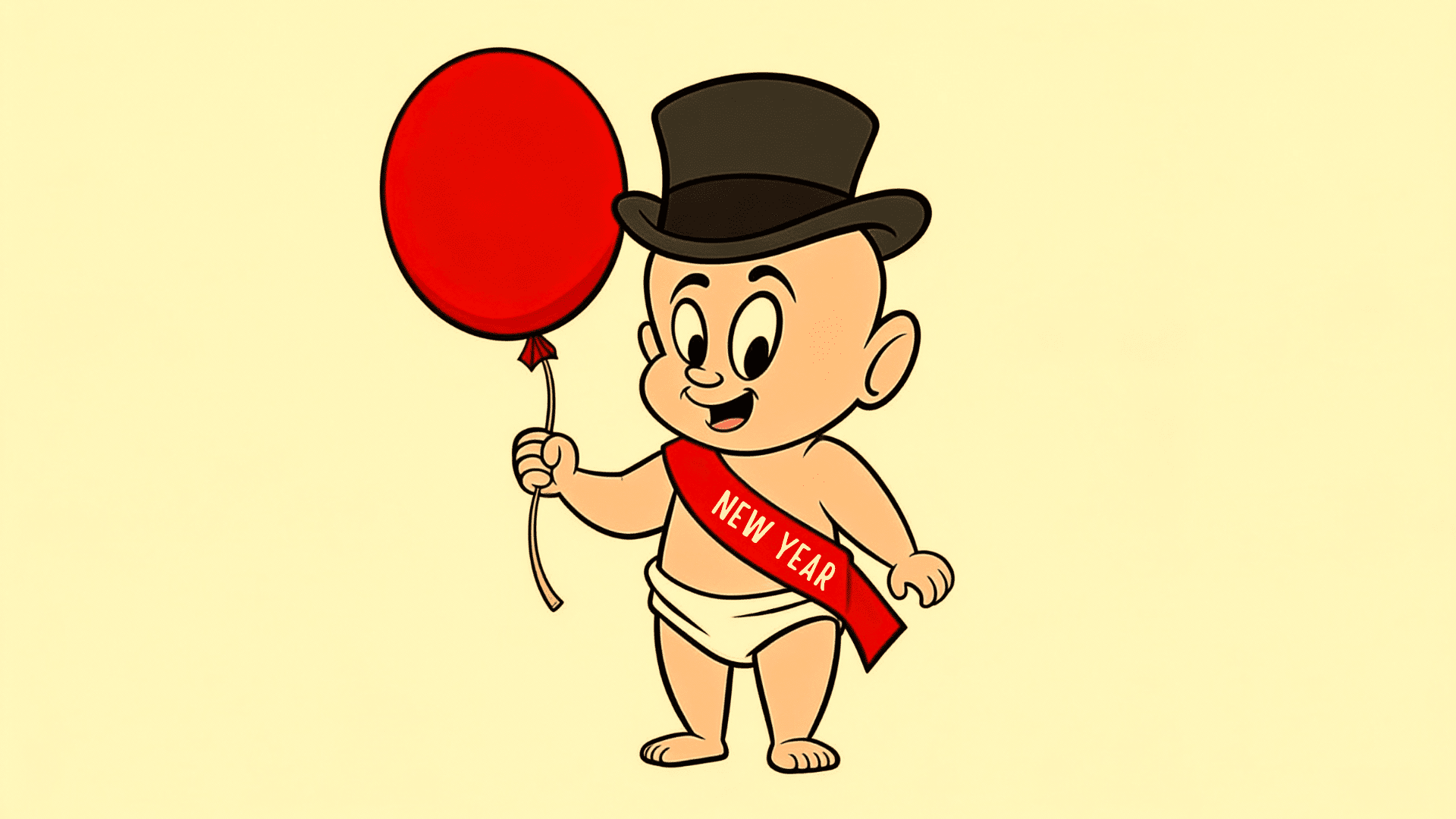

Every December thirty first, as the clock strikes midnight, a curious figure appears across celebrations worldwide. The baby new year arrives wearing nothing but a diaper and a top hat, symbolizing fresh beginnings and infinite possibilities.
But where did this tradition come from? Why does a tiny infant represent an entire year ahead? This adorable symbol carries centuries of history, fascinating myths, and cultural significance that most people never know.
From ancient civilizations to modern festivities, the baby new year has captivated hearts and sparked imaginations.
The story behind this cherubic character holds secrets that might surprise even the most seasoned celebration enthusiasts. What mysteries lie beneath that innocent smile?
What Is Baby New Year?
The baby new year represents the upcoming year as a newborn infant, typically shown wearing a diaper, sash, and sometimes a top hat.
This symbolic character appears in celebrations, decorations, and media during New Year’s festivities. The concept depicts time as a cycle where the old year passes away and a fresh year begins, full of potential and promise.
Different cultures portray this figure slightly differently, but the core meaning remains constant. The infant symbolizes innocence, new opportunities, and a clean slate for everyone.
As midnight approaches on December 31st, this cherubic figure reminds people that change is coming. The baby new year tradition has become deeply embedded in modern celebrations worldwide, representing hope and renewal.
The Ancient Origins of Baby New Year
The baby new year concept didn’t appear overnight. Ancient civilizations celebrated new beginnings with symbols of rebirth and renewal long before modern traditions emerged. Many cultures worshipped infant deities who represented fresh starts and the cycle of life.
| Era / Culture | Symbolism | Historical Context |
|---|---|---|
| Ancient Greece (c. 600 BC) | The Rebirth of Dionysus | The infant in the winnowing basket symbolized Dionysus’s annual rebirth and the growing season |
| Early Christianity | The Christ Child | The Church adopted the infant symbol for the Infant Jesus, whose feast falls on January 1st |
| 14th Century Germany | The Secular Child | Transitioned to secular calendar year personification, paired with an old man for the departing year |
| Early America (17th–18th Century) | Puritan Influence | German and Dutch immigrants brought tradition to America as a minor folk symbol |
| Modern Era (1906–1943) | The Leyendecker Baby | J.C. Leyendecker created an iconic modern look (top hat, sash, diaper) for The Saturday Evening Post |
How Baby New Year Became Secularized
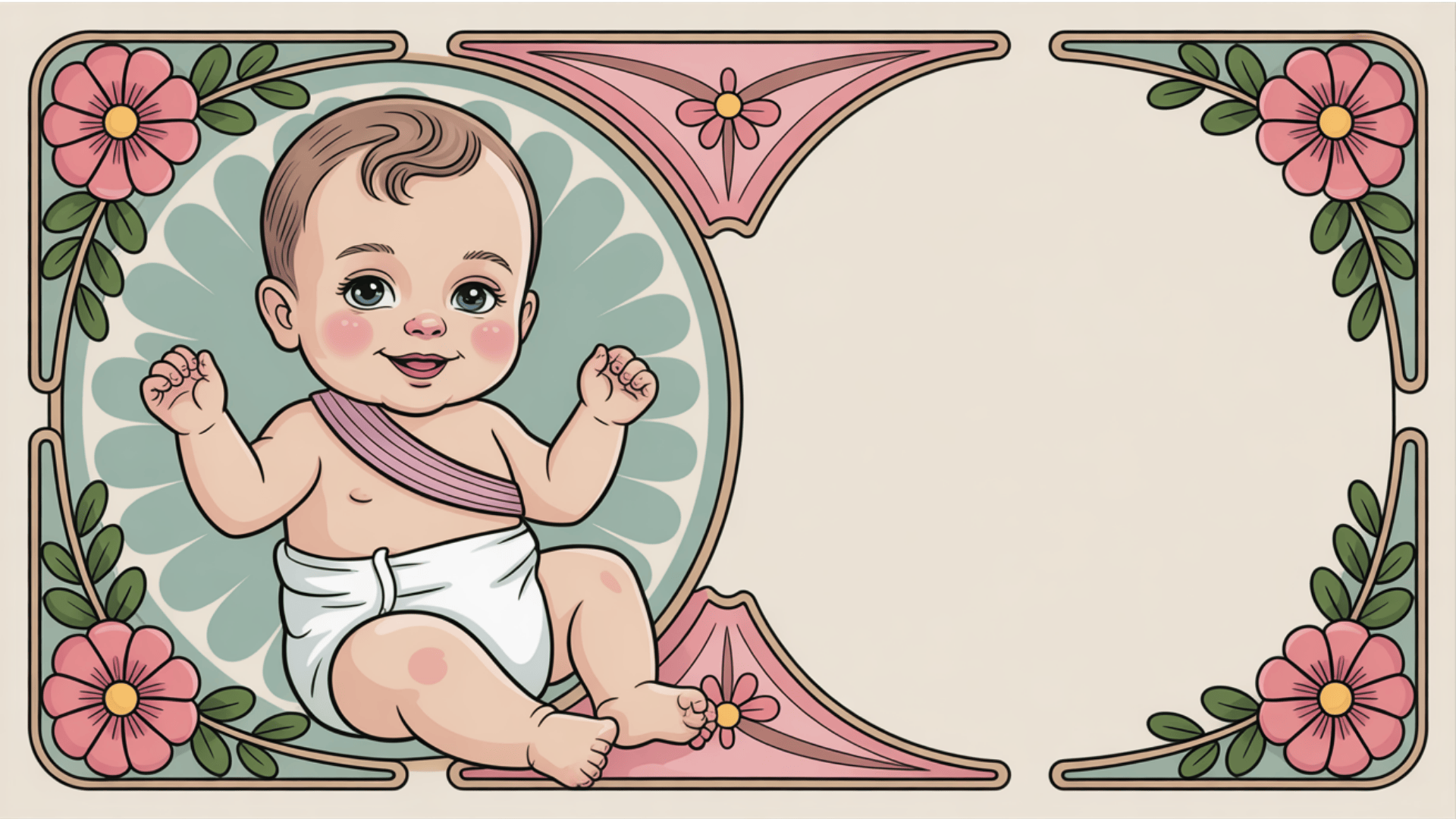
Religious and mythological roots gradually turned into mainstream commercial imagery during the 1800s and 1900s. The baby new year shifted from sacred symbolism to popular culture through various media channels and marketing strategies.
Key Milestones in Secularization:
- Political Cartoons: Newspapers in the 1870s used the infant figure to represent political change and social commentary, making it accessible to everyday readers.
- Greeting Card Industry: Companies like Hallmark popularized baby new year imagery on postcards and cards during the early 1900s, commercializing the tradition.
- Advertising Campaigns: Businesses adopted the cheerful infant to promote New Year sales, products, and services throughout the 20th century.
- Magazine Illustrations: Publications featured baby new year covers and artwork, spreading the symbol to millions of households nationwide.
- Television and Movies: Entertainment media cemented the character in popular culture through animated specials and holiday programming starting in the 1950s.
Why Father Time and the Baby New Year Appear Together
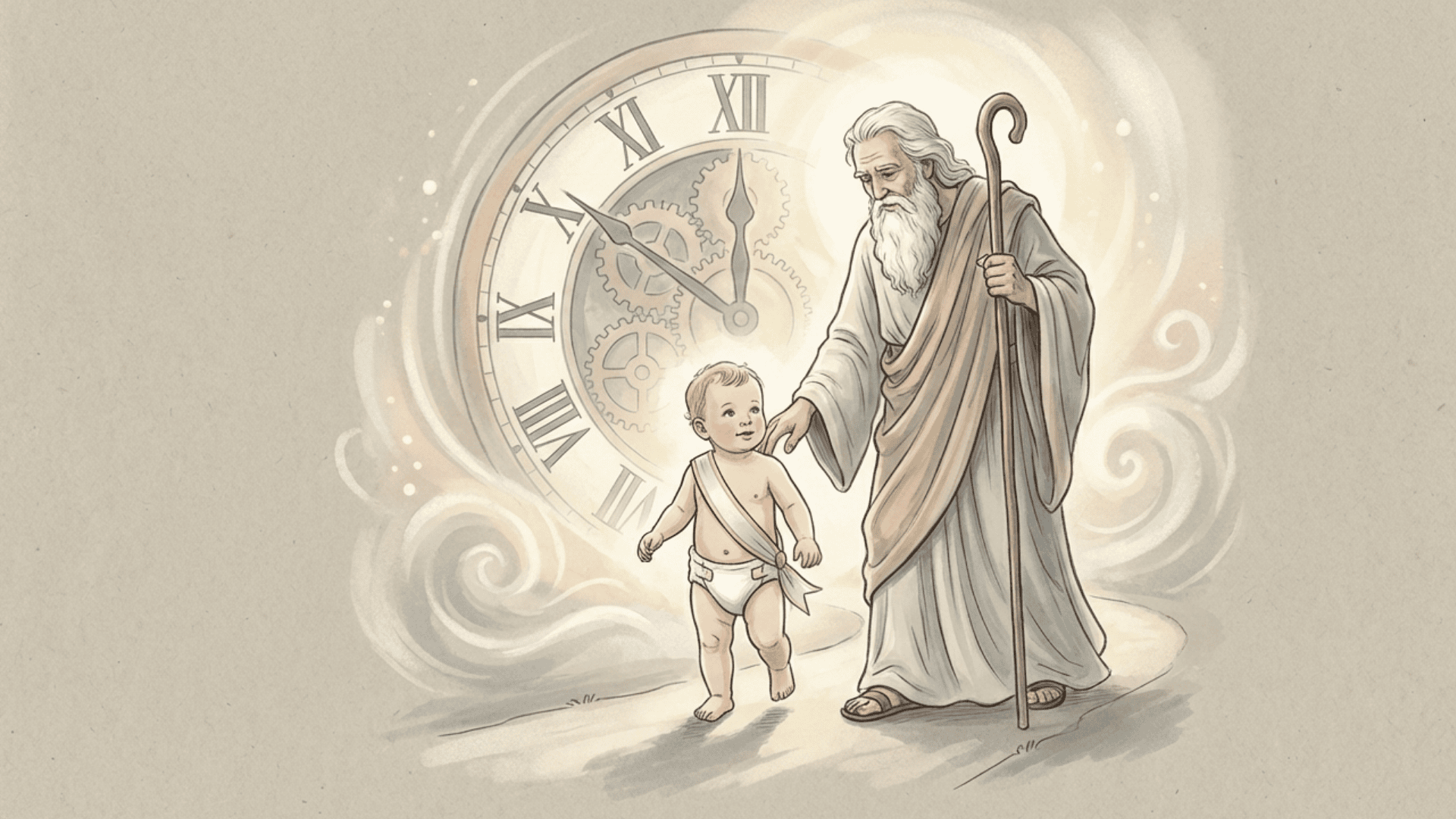
These two characters work together as opposing forces in New Year celebrations, creating a powerful visual narrative. Father Time carries his long white beard and worn robes, symbolizing wisdom and the passage of months gone by.
Meanwhile, the baby new year brings energy, innocence, and untapped potential to the partnership. Artists frequently depict them in passing-the-torch scenarios where responsibility transfers from old to young.
This duo represents life’s continuous cycle, reminding observers that endings make room for beginnings. Their contrasting ages highlight how time moves forward relentlessly yet offers constant renewal.
The pairing became especially popular in 20th-century illustrations, where cartoonists used their interaction to comment on societal changes and historical transitions between calendar years.
Baby New Year in Pop Culture
The baby new year transcended traditional celebrations to become a recognizable icon in entertainment and media. From classic cartoons to modern streaming services, this character appears across multiple platforms and formats.
1. Classic Television Specials
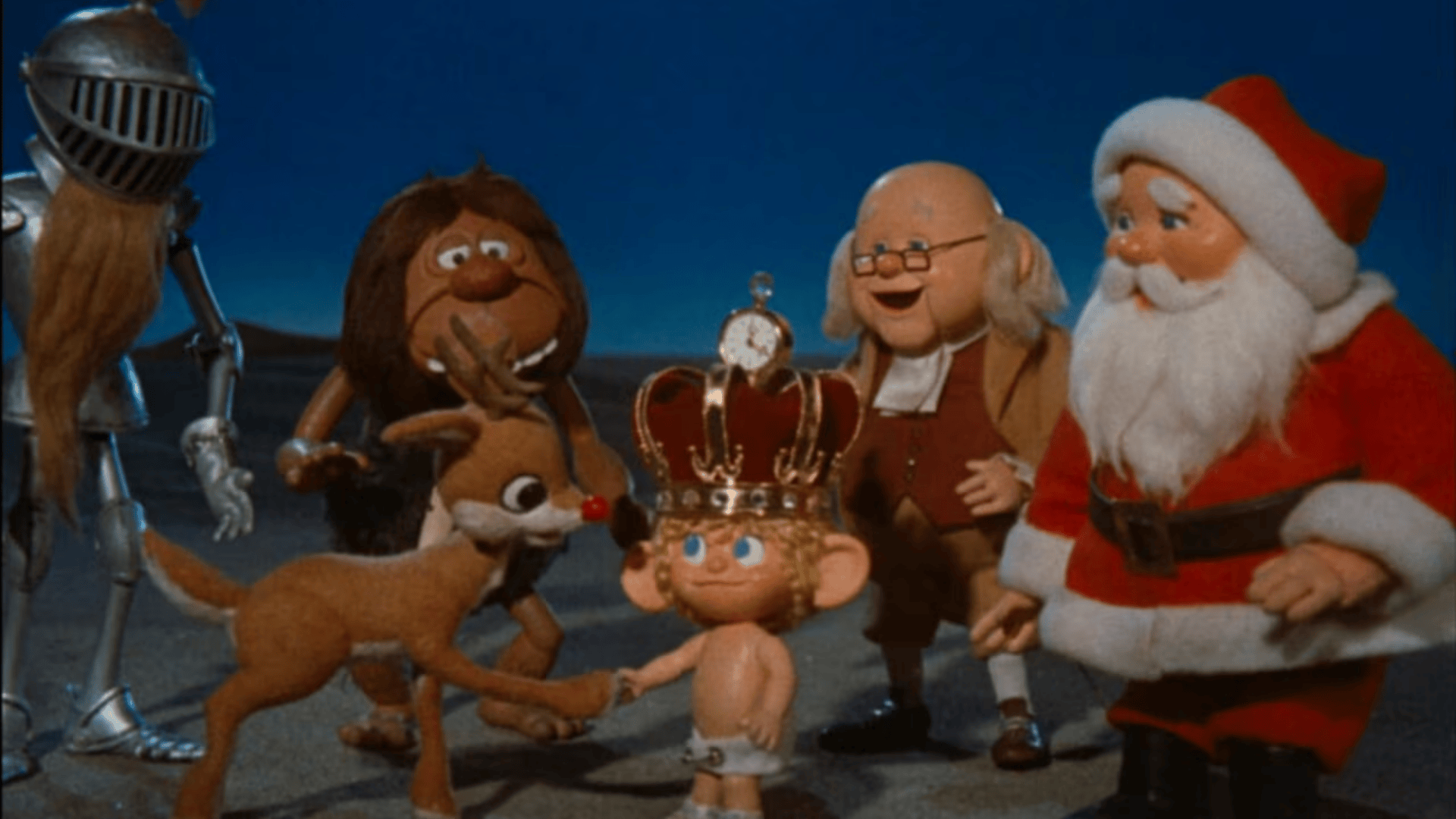
Rudolph’s Shiny New Year premiered in 1976 as the most iconic portrayal of this character in television history. The Rankin/Bass stop-motion special featured Happy, a baby New Year with oversized ears who runs away from Father Time’s castle.
The storyline follows Rudolph helping Happy regain confidence before midnight strikes. This beloved special continues airing annually, introducing the tradition to new audiences. Its impact on popular culture remains significant decades after its original broadcast.
2. Animated Series Interpretations
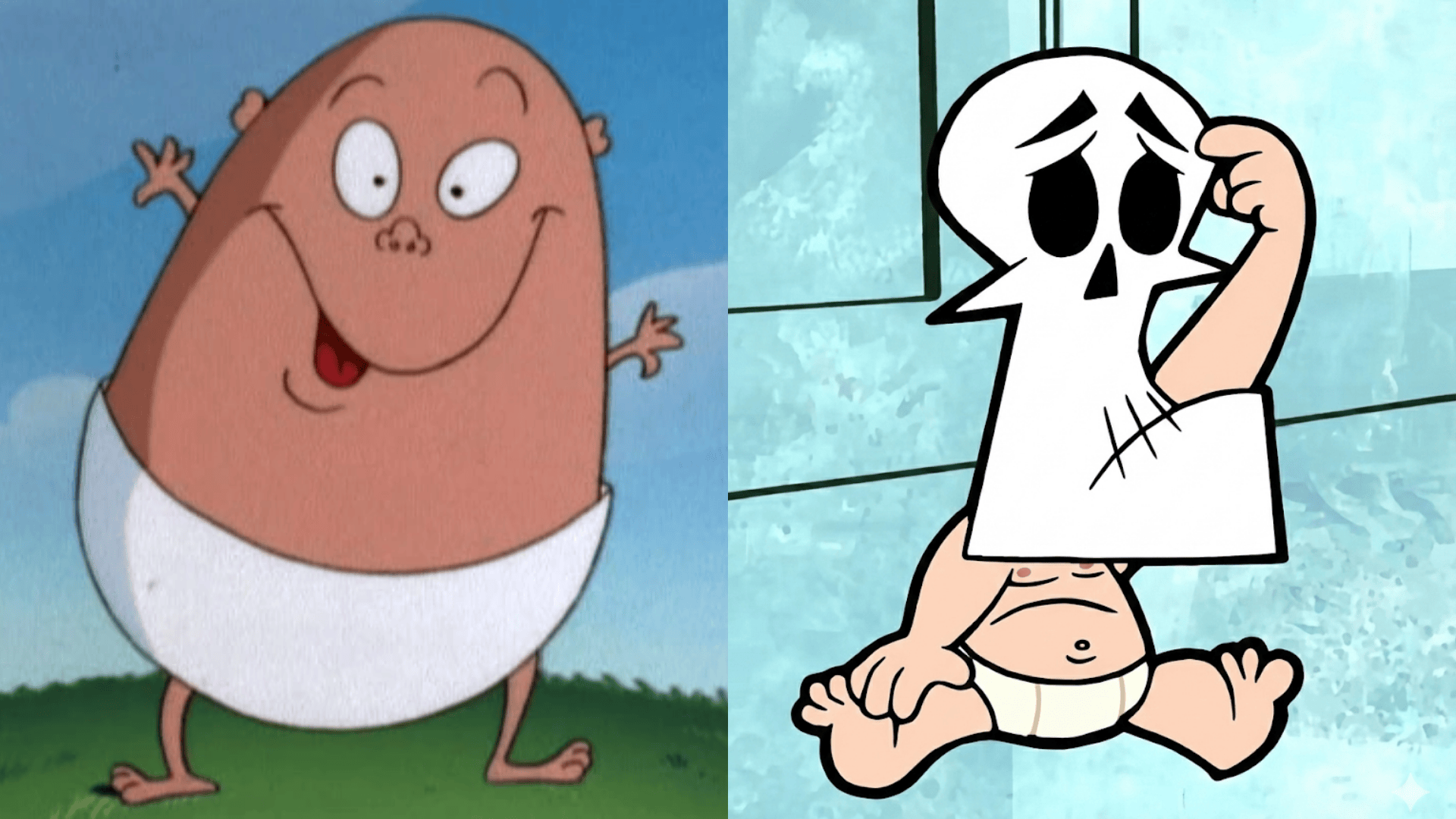
Histeria! presented a humorous twist with their “Big Fat Baby” parody, poking fun at the traditional symbolism during historical segments. The Grim Adventures of Billy & Mandy featured a “Happy New Year” character who embodied the baby new year and Father Time concept with darker comedic elements.
Both animated series used the infant figure to teach children about calendar transitions while adding quirky personality traits. These interpretations showed how versatile the symbol could become in children’s programming.
3. Comedy and Parody Versions

Robot Chicken delivered a twisted 2014 sketch featuring the “Resolution Enforcer,” a vengeful toddler who punished people for breaking New Year promises. Saturday Night Live showcased Chris Kattan’s memorable baby New Year’s performance in 2000, complete with a diaper and exaggerated infant mannerisms.
These comedy sketches changed the innocent symbol into absurd, adult-oriented humor. The parodies proved that audiences recognized the tradition well enough to appreciate satirical takes on this cherished character.
4. Literature and Books
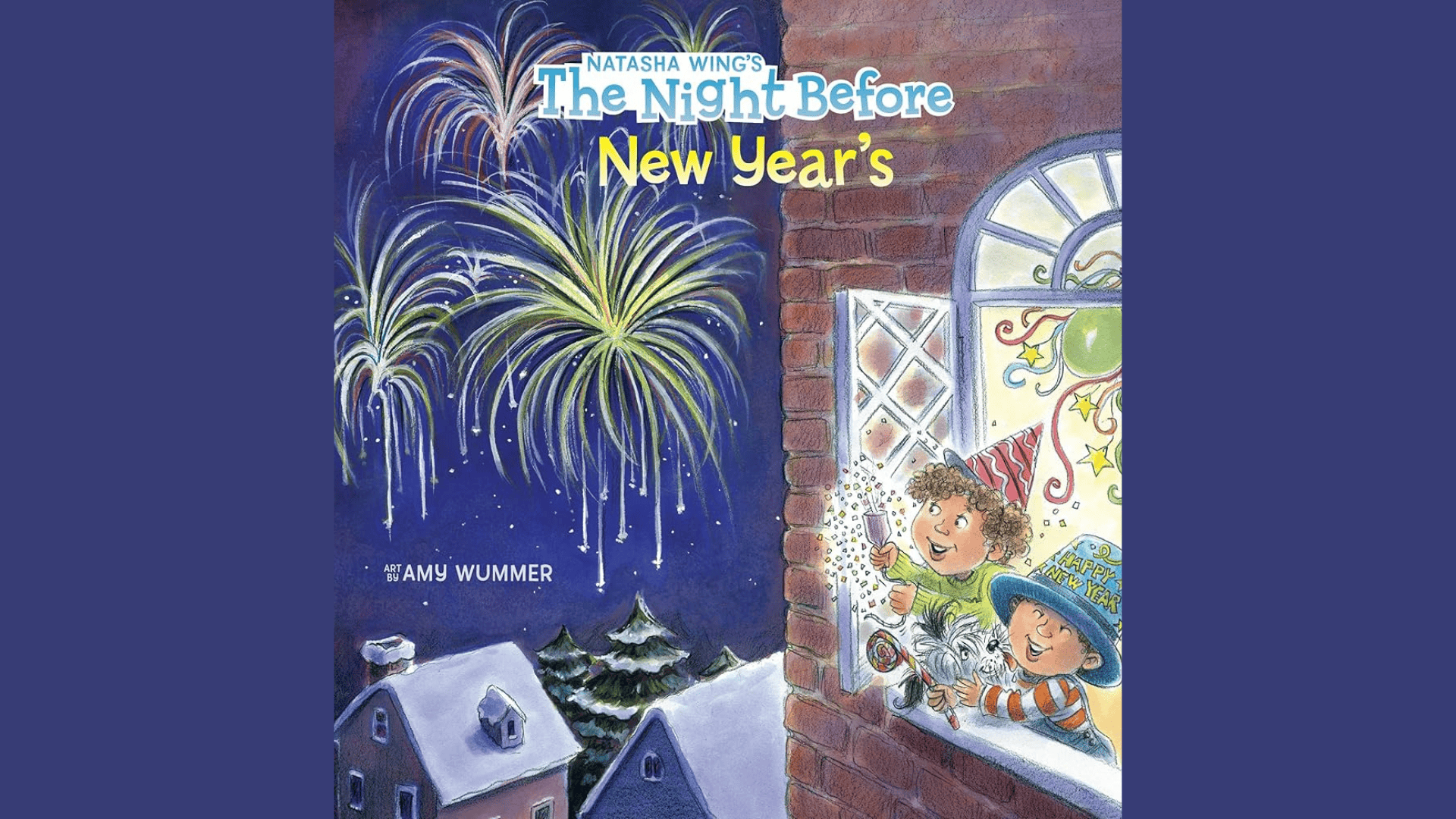
Children’s books frequently feature the baby new year as a character, teaching lessons about time, growth, and change. Picture books like “Happy New Year, Curious George” and “The Night Before New Year’s” introduce the concept to young readers through colorful illustrations.
Educational publications use this figure to explain calendar systems and cultural celebrations worldwide. Authors often pair the infant with Father Time to create engaging narratives about life cycles and seasonal transitions.
From stop-motion television specials to satirical comedy sketches, the baby new year has proven remarkably adaptable across entertainment genres. Each interpretation adds layers to the symbol’s cultural significance while maintaining its core message of renewal.
Real-Life Baby New Year Traditions
Beyond entertainment and symbolism, communities worldwide have created tangible traditions celebrating the baby new year concept.
- First Baby Contests: Hospitals across America compete to deliver the year’s first infant, often awarding prizes like diapers, gift baskets, and local newspaper features to parents.
- Newspaper Coverage: Local publications photograph and interview families whose children arrive at midnight, celebrating these babies as community symbols of hope and renewal.
- Baby-Themed Parties: New Year’s Eve celebrations incorporate infant costumes, diaper decorations, and baby bottle toasts, blending humor with traditional symbolism at gatherings.
- Photo Opportunities: Shopping malls and event venues offer baby new year photo sessions where children pose with sashes, top hats, and calendar props.
- Community Parades: Towns feature costumed toddlers riding floats during New Year’s Day processions, representing the incoming year with charm and innocence.
Final Thoughts
The baby new year tradition carries remarkable depth beyond simple holiday decoration.
From ancient civilizations worshipping infant deities to modern pop culture interpretations, this symbol has grown while maintaining its essential message.
Communities celebrate through hospital contests, parades, and regional festivals that honor both fictional representations and real newborns.
The character’s partnership with Father Time, appearances in television specials, and symbolic elements reveal humanity’s eternal connection to renewal cycles.
Next time midnight strikes, observers will recognize the rich cultural tapestry woven into this cherubic figure.
Frequently Asked Questions
Is Baby New Year a Thing?
Yes. Baby New Year is a traditional symbol used mainly in Western culture. It represents the new year being born on January 1.
Where Did The Symbol Of Baby New Year Come From?
The idea comes from ancient Greece, where a child marked the new year to mark renewal and fresh beginnings. Over time, this image became a baby wearing a sash with the new year printed on it.
What Does Father Time Do With Baby New Year?
Father Time represents the old year. He is often shown passing Baby New Year into the world at midnight, meaning the old year ends and the new year begins.
What Happens To Baby New Year At Year’s End?
During the year, Baby New Year is symbolically shown growing older. By the end of the year, the baby has become Father Time, ready to pass on the next Baby New Year when the cycle starts again.