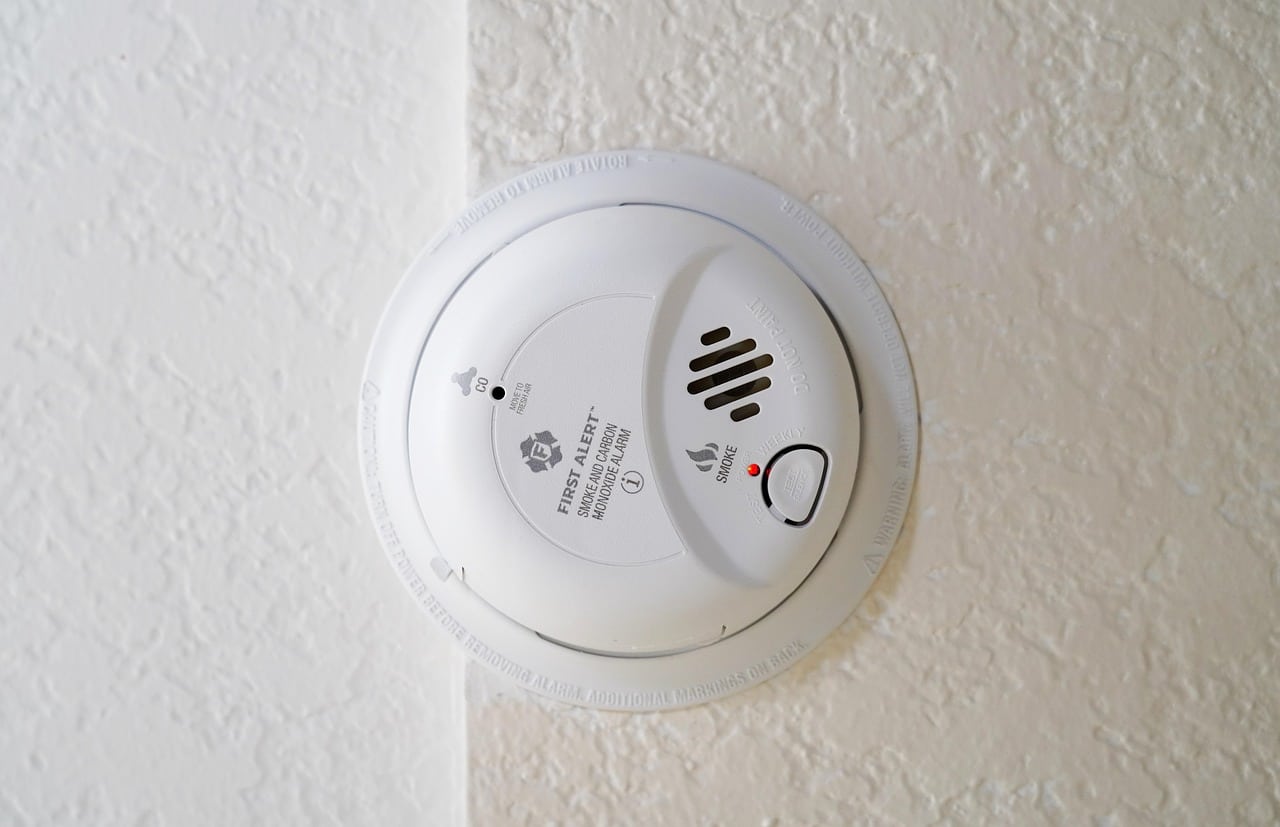

You settle in under the duvet and get all warm and cozy, your eyes begin to feel heavy, and gradually you start to drift off to sleep. Then, a periodic beep sound infiltrates your dreams and try as you might, you just can’t ignore it. That’s it, you’re wide awake and falling asleep seems impossible with this constant beeping noise providing an annoying soundtrack to your dreams.
In the middle of the night, it’s ever so tempting to put in a pair of earplugs and block out the sound of the smoke alarm beeping. However, this device is trying to tell you something important, so you shouldn’t just roll over and go back to sleep. Listen to its message, but what does the beep mean?
Reasons Why Smoke Alarms Beep in the Night
Sometimes it feels like smoke alarms really choose their moment to malfunction. However, most people notice the intermittent beeping noise at night, when the house is quiet. So, it only seems like they start beeping at the most inconvenient times, when you’re trying to get to sleep. But why do they beep? Let’s check out the common reasons smoke alarms beep at night.
Low battery
Most likely, this is the main reason why your smoke alarm is beeping at night. The good news is, this is an easy fix. Always have some spare batteries on hand, reserved specifically for the smoke alarm. This way, you can replace them and go back to bed safe in the knowledge that your smoke alarm is in good working order.
Time to replace the device
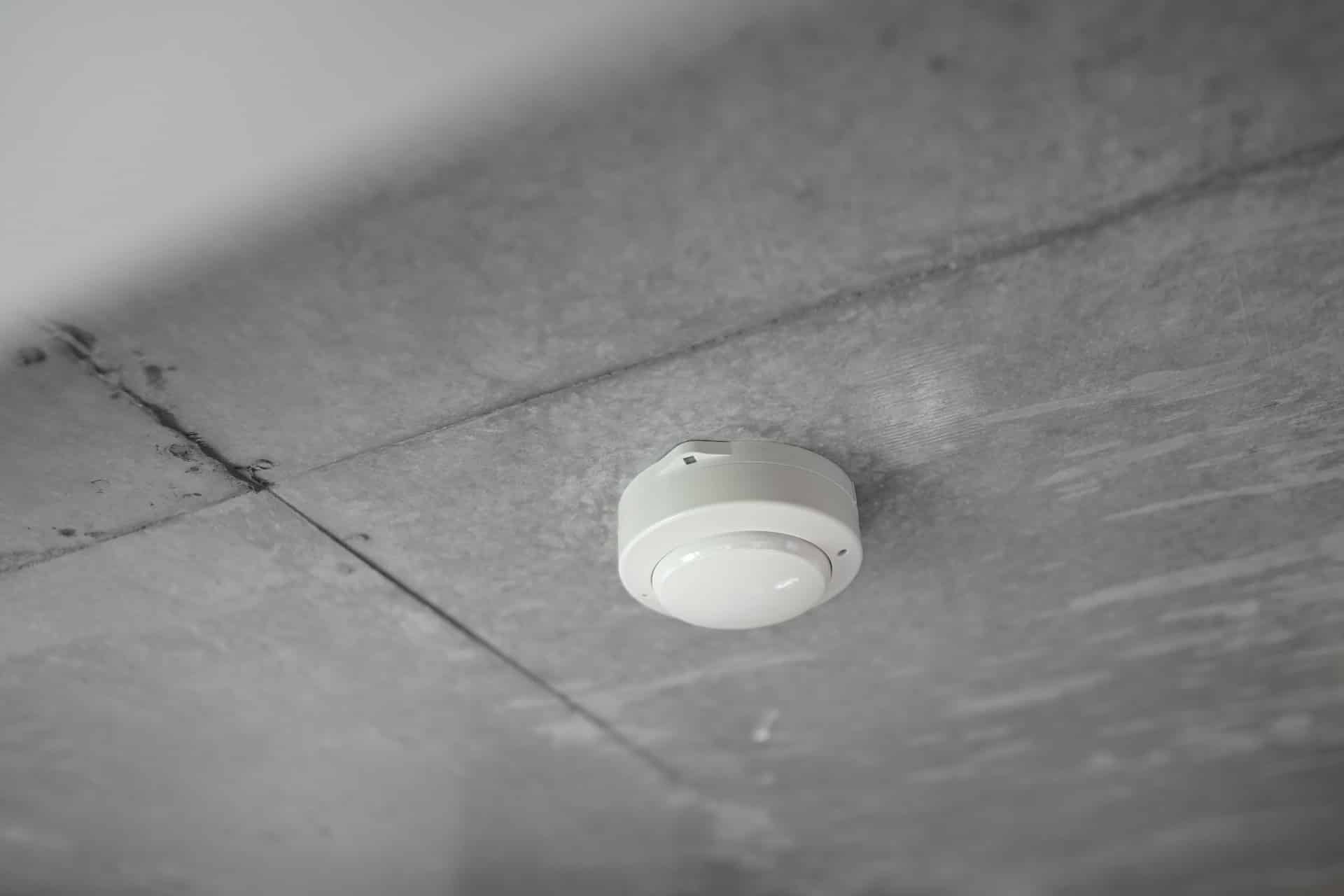
Smoke alarms are a fire safety device often overlooked in the home. They are ignored until they start malfunctioning. Your smoke alarm may have been working silently behind the scenes for many years and may have simply reached the end of its life.
Resource: Unsplash
Expect your smoke alarm to last anywhere between 7 and 10 years. You can check the back of the device for its date of manufacture if you are unsure of the smoke alarm’s age. If the alarm is relatively new, and you have replaced the batteries and checked for debris, it may be faulty. Refer to the device’s warranty and contact the manufacturer for a replacement.
Dust interference
Something as simple as dust can cause your smoke alarm to stop working as it should. Dust can even cause false alarms. Ensure that when you dust the house, you check your smoke alarms for dirt and debris buildup. Every few months, you should clean the device gently with a soft cloth to keep it from malfunctioning.
Humidity and high temperatures
Ever burnt a pizza in the oven and set off the alarm? No doubt you’ve experienced this. Well, both smoke from cooking and steam from showers can trick the device into falsely thinking that your house is on fire.

Resource: Unsplash
Extreme temperatures can also affect the battery life of smoke alarms. This causes the battery to drain and triggers the beeping noise, alerting you to change the battery. To avoid this problem recurring, try positioning the smoke alarm away from the kitchen and bathroom.
Do You Really Need a Smoke Alarm?
The simple answer is yes. It is a legal requirement in all states across the US to have a smoke alarm installed in your home or properties you manage.
In addition to abiding by the law, smoke alarms give you crucial time to flee a fire. Smoke alarms possess sensitive sensors that inform you that a fire has started. By the time we register that our home is on fire, either by smell or sight, it has often already spread.
How to Ensure Your Smoke Alarm Works
Remember that a smoke alarm can only protect you if it is working properly. To keep your smoke alarm in good working order, follow these simple tips.
- Conduct monthly tests: adding this task to your to-do list will give you the peace of mind that your smoke alarm is working. There is a test button that enables you to check if the alarm will sound in the event of a fire.
- Regularly replace batteries: keep a stock of batteries for your smoke alarm, so you can swap them out when the device starts beeping.
- Buy a new device: after 7 to 10 years, your smoke alarm may have reached the end of its life. Check the expiry date or date of manufacture on the back of the device.
- Keep it clean: remove dust and debris from around the device to ensure they do not interfere with the inner workings of the smoke alarm.
Resource: YouTube
Even after following these tips, if the device continues to malfunction, consider calling a professional to inspect and test the device. They will ensure that your home is safe and leave you with a fully functional fire prevention plan in place, providing you with peace of mind.