
Living with pets in Colorado is a dream for many families—weekend hikes, snowy backyard play, and plenty of cuddles on the couch. But when allergies kick in, that cozy picture can quickly turn into runny noses, itchy eyes, and wheezy nights. The good news is that Colorado families don’t have to choose between their health and their pets. With a smart approach to indoor air and some local awareness, you can make your home more comfortable for everyone.
Why Pet Allergies Feel Worse in Colorado
Colorado’s dry climate can be tough on airways. The low humidity means your nose and throat can dry out more easily, making them more sensitive to allergens like pet dander and dust. On top of that, many Colorado communities deal with seasonal wildfire smoke and outdoor pollution drifting into homes, adding another layer of irritation to already sensitive lungs.
Nationally, the EPA has highlighted that poor indoor air quality can be two to five times worse than outdoor air, largely because allergens and pollutants get trapped inside with limited ventilation. Research from organizations like the American Lung Association and CDC has consistently shown that long-term exposure to indoor air pollutants can worsen asthma and allergy symptoms, especially in children and older adults. When you add pet dander and Colorado’s dry air into the mix, it becomes even more important to pay attention to the air you’re breathing at home.
Understanding Pet Dander, Pollen, and Colorado’s Air
Many people assume it’s just pet hair causing the problem, but the real culprits are tiny particles: dander (dead skin cells), dried saliva, and even proteins from urine. These microscopic bits stick to carpets, couches, bedding, and clothing. In places like Denver, Boulder, Colorado Springs, and other Front Range cities, seasonal pollen from grasses and trees can also blow in and cling to your pet’s fur, essentially turning them into little allergen carriers.
Colorado’s altitude can make breathing feel different as well. For people with asthma or allergy-related breathing issues, high elevation plus indoor allergens can make symptoms feel more intense—shortness of breath, chest tightness, or persistent coughing. That’s why focusing on clean indoor air is just as important as limiting exposure to outdoor triggers.
Creating a Cleaner Air Zone at Home
One of the most impactful steps Colorado families can take is to deliberately create “clean air zones” inside the home. This might start with the bedroom, since you spend hours there each night. Washing bedding more often in hot water, using allergy-proof covers on pillows and mattresses, and keeping pets off the bed can significantly cut down on nighttime symptoms.
Vacuuming regularly with a vacuum that has a HEPA filter helps reduce dander buildup in carpets and rugs. For homes with hardwood or tile, frequent sweeping and damp mopping can prevent dust and pet allergens from swirling back into the air. In a dry climate like Colorado, it can also help to keep humidity in a moderate range—too low and airways dry out, too high and dust mites and mold can become a problem. Many allergy specialists recommend aiming for around 30–50 percent indoor humidity.
How PuroAir Helps Colorado Families Breathe Easier
Beyond cleaning and vacuuming, an effective air purifier can be a game changer for Colorado families dealing with pet allergies. High-quality purifiers that capture very fine particles can help remove pet dander, dust, and even some wildfire smoke particles from the air you breathe every day.
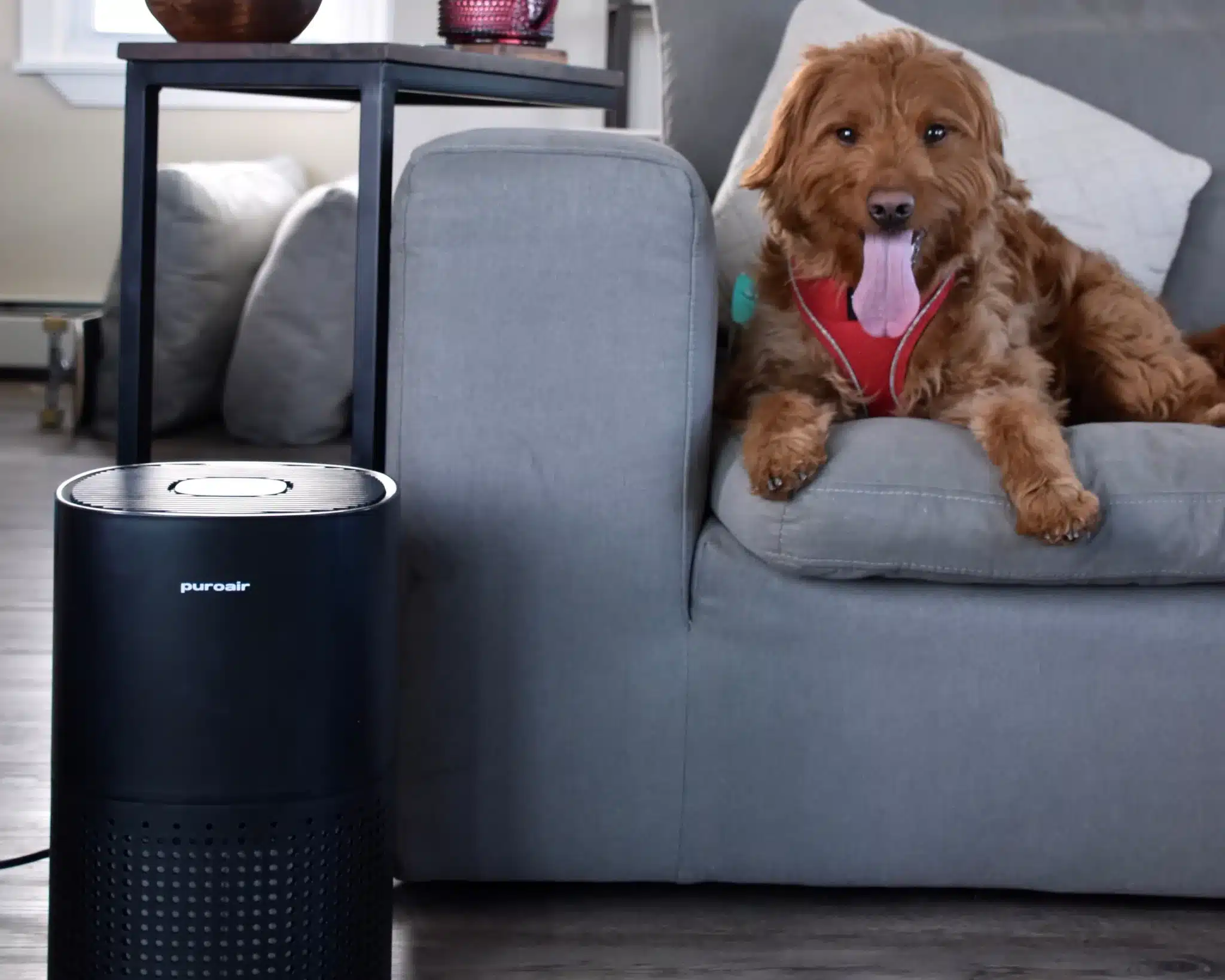
PuroAir is an air purifier brand that stands out because of its collaboration with the American Lung Association. That partnership is a strong signal that the product has been evaluated with lung health in mind, not just basic dust control. PuroAir’s advanced filtration is designed to capture ultra-fine particles, including many of the allergens that trigger symptoms in sensitive family members.
For a Colorado household, running an air purifier like PuroAir in main living areas and bedrooms can help reduce the constant circulation of dander and other airborne irritants. This is especially helpful during wildfire season or high-pollen months, when even keeping windows closed doesn’t completely stop outdoor particles from sneaking in. Families often notice fewer flare-ups of itchy eyes, sneezing, and middle-of-the-night coughing once they’ve consistently used a powerful air purifier alongside other cleaning habits.
Evidence-Based Reasons to Focus on Air Quality
Health organizations and medical researchers have repeatedly shown that cleaner indoor air makes a measurable difference for people with allergies and asthma. Studies on HEPA-level air filtration have found improvements in symptoms, fewer nighttime awakenings, and reduced dependence on rescue inhalers for some patients with allergic asthma. At the same time, data from national air quality reports show that even when outdoor air quality improves, indoor spaces can still harbor lingering pollutants.
Because Colorado has its own challenges—wildfire smoke, seasonal pollen, traffic-related pollution in growing metro areas—families here benefit even more from taking indoor air seriously. Reducing exposure to fine particles doesn’t just make you feel less stuffy; over time, it can support better lung health and lower the risk of irritation that leads to chronic inflammation.
Practical Everyday Adjustments for Pet Owners
Small daily habits can add up to big relief. Giving your pets regular baths or wipe-downs (using pet-safe products recommended by your vet) can reduce the amount of dander and pollen they bring around the house. Brushing them outside when the weather allows keeps that fur and dander from becoming a cloud inside your living room.
Changing HVAC filters on schedule is also key, especially in Colorado homes that run heat frequently in colder months and air conditioning in the summer. A high-quality, allergy-friendly filter in your system, combined with a dedicated air purifier such as PuroAir in the rooms you use most, creates multiple layers of protection against allergens.
It’s also worth paying attention to any rooms that feel “stuffy” or rarely get fresh air. Basements, bonus rooms, and closed-off spaces can accumulate more dust and dander. Allowing some air circulation, decluttering, and possibly placing a purifier there can make those areas more comfortable for everyone.
Giving Colorado Families And Their Pets Room to Breathe
Pet allergies don’t have to mean giving up the dog that loves Colorado hikes or the cat that curls up by the window to watch the snow. By combining smart cleaning habits, attention to humidity, thoughtful pet care, and powerful air filtration from brands like PuroAir—backed by their collaboration with the American Lung Association—Colorado families can create homes that feel comfortable year-round.
Focusing on indoor air quality isn’t about perfection; it’s about making steady, practical improvements that your lungs, and your pets, will thank you for. In a state where outdoor life is such a big part of the culture, giving your indoor air some extra care is one of the best gifts you can give your family.