

As the clock strikes midnight and a fresh year begins, people around the world follow age-old rituals, hoping to invite prosperity and fortune into their lives.
But here’s the intriguing part, these New Year traditions for good luck aren’t just random customs. They’re rooted in centuries of belief, mystery, and cultural wisdom passed down through generations.
From eating specific foods to wearing lucky colors, each tradition carries a secret promise of better days ahead. These fascinating traditions have helped millions welcome good fortune for years.
Ready to learn which rituals might change someone’s luck forever? The answers might be more surprising than expected.
Why New Year Traditions Matter
Whether someone believes in luck or simply enjoys the symbolism, these rituals create a sense of hope and fresh beginnings that connect communities worldwide.
- Sets Positive Intentions: Starting the year with new year traditions for good luck helps people focus on their goals and dreams with renewed energy.
- Connects Generations: Families pass down these customs, creating bonds between grandparents, parents, and children through shared experiences.
- Creates Cultural Identity: Each tradition reflects unique beliefs and values that define different cultures across the globe.
- Builds Optimism: Following lucky rituals gives people confidence and a hopeful mindset for the upcoming months.
- Offers Fresh Starts: These practices symbolize leaving behind old troubles and embracing new opportunities with open arms.
Good Luck Traditions to Do BEFORE Midnight
The moments leading up to midnight are considered magical in many cultures. These New Year traditions for better luck are performed before the clock strikes twelve and are believed to set the tone for the entire year ahead.
1. Deep Cleaning the Home

Many cultures practice thorough house cleaning before New Year’s Eve ends. This tradition symbolizes sweeping away bad luck, negative energy, and past year’s troubles.
People scrub floors, dust corners, and declutter spaces to make room for fresh blessings. The belief is simple: a clean home welcomes prosperity, while a messy one keeps good fortune away. This remains one of the most popular New Year’s traditions worldwide.
2. Declutter and Donate

Getting rid of unused items before the new year creates space for better things to arrive. People sort through closets, donating old clothes, books, and household goods to those in need.
This act of generosity supposedly multiplies good karma and blessings. Holding onto broken or unnecessary items blocks positive energy from flowing freely. By letting go, individuals signal their readiness to receive fresh opportunities and abundance.
3. Wearing Brand New Clothes

Putting on new garments before midnight signals a fresh start and attracts abundance. In several Asian and Latin American countries, people wear new underwear or complete outfits in specific colors.
Red brings passion and energy, yellow attracts wealth, and white symbolizes peace. The clothes must be unworn and freshly purchased to maximize their luck-bringing power for the coming months.
4. Opening Doors and Windows

Right before midnight, some households open all doors and windows wide. This practice allows old, stagnant energy to escape while inviting new opportunities inside.
The tradition also symbolizes welcoming unexpected blessings and positive changes. Some families keep them open for just a few minutes, while others maintain this until the first day dawns, ensuring maximum flow of good vibes.
5. Settling Debts and Conflicts

Entering the new year debt-free is considered extremely important in many new year traditions. People pay back borrowed money, return items, and resolve arguments before midnight strikes.
Starting fresh without financial or emotional baggage supposedly prevents money troubles throughout the year. This tradition encourages people to maintain clear relationships and clean financial slates moving forward.
6. Filling the Pantry with Food

Stocking kitchens with plenty of food before midnight ensures abundance for twelve months. Cupboards should overflow with rice, beans, flour, and other staples. Empty shelves supposedly invite scarcity and hunger.
Many families also place specific lucky foods like lentils, grapes, or pomegranates prominently. This preparation ritual demonstrates readiness to receive prosperity and shows gratitude for existing blessings already received.
By taking deliberate actions before the year officially begins, people actively participate in shaping their destiny. Whether someone believes in supernatural luck or psychological power, these rituals create a mindful change from old to new, making the celebration more meaningful and purposeful.
Global New Year Traditions at Midnight
When the clock strikes twelve, the world erupts in celebration with unique traditions for good luck that vary dramatically across continents. Each culture has developed its own special way to mark this magical moment.
7. Eating 12 Grapes in Spain
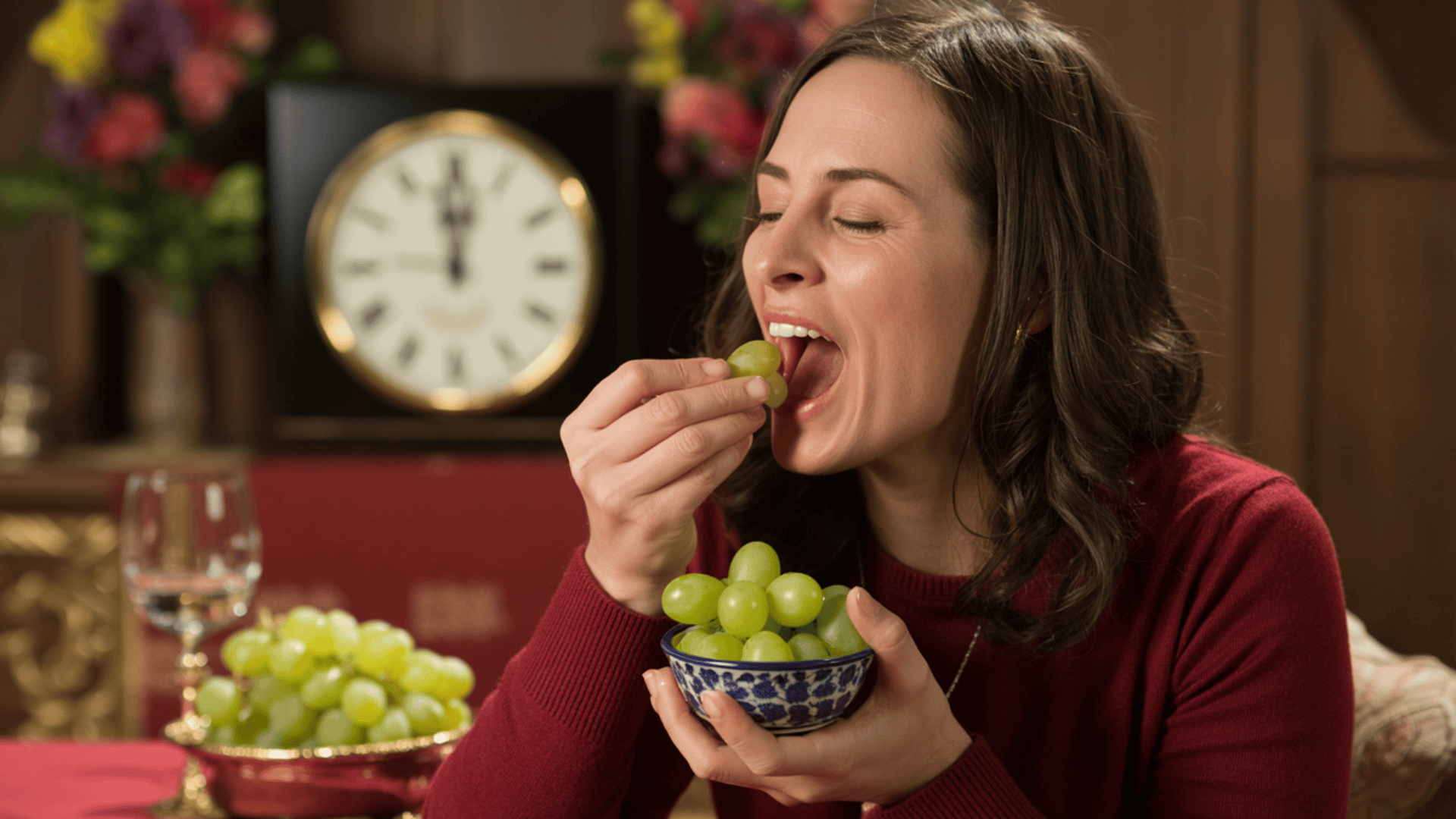
Spanish-speaking countries follow a tradition of eating twelve grapes exactly at midnight, one for each clock chime. Each grape represents a month of the coming year, and successfully swallowing all twelve supposedly guarantees good luck for those months.
People rush to finish before the final bell stops ringing. Missing even one grape might mean bad luck for that particular month ahead.
8. Throwing Out the Old in Italy

Italians toss old furniture, clothes, and unwanted items out their windows right at midnight. This dramatic new year tradition symbolizes removing everything negative from the past year to make room for new blessings.
Streets become cluttered with discarded possessions as entire neighborhoods participate simultaneously. People walking outside must stay alert to avoid falling objects. The bigger the item thrown, the greater the fresh start.
9. Jumping Seven Waves in Brazil

Brazilians head to beaches at midnight, wearing white clothing and jumping over seven ocean waves. Each wave represents a wish for the coming year, and the ocean goddess Yemanjá supposedly grants these desires.
Beach celebrations draw millions of people annually. Some also throw flowers into the water as offerings. This beautiful tradition combines spirituality, nature, and hope under starlit skies.
10. Round Everything in the Philippines
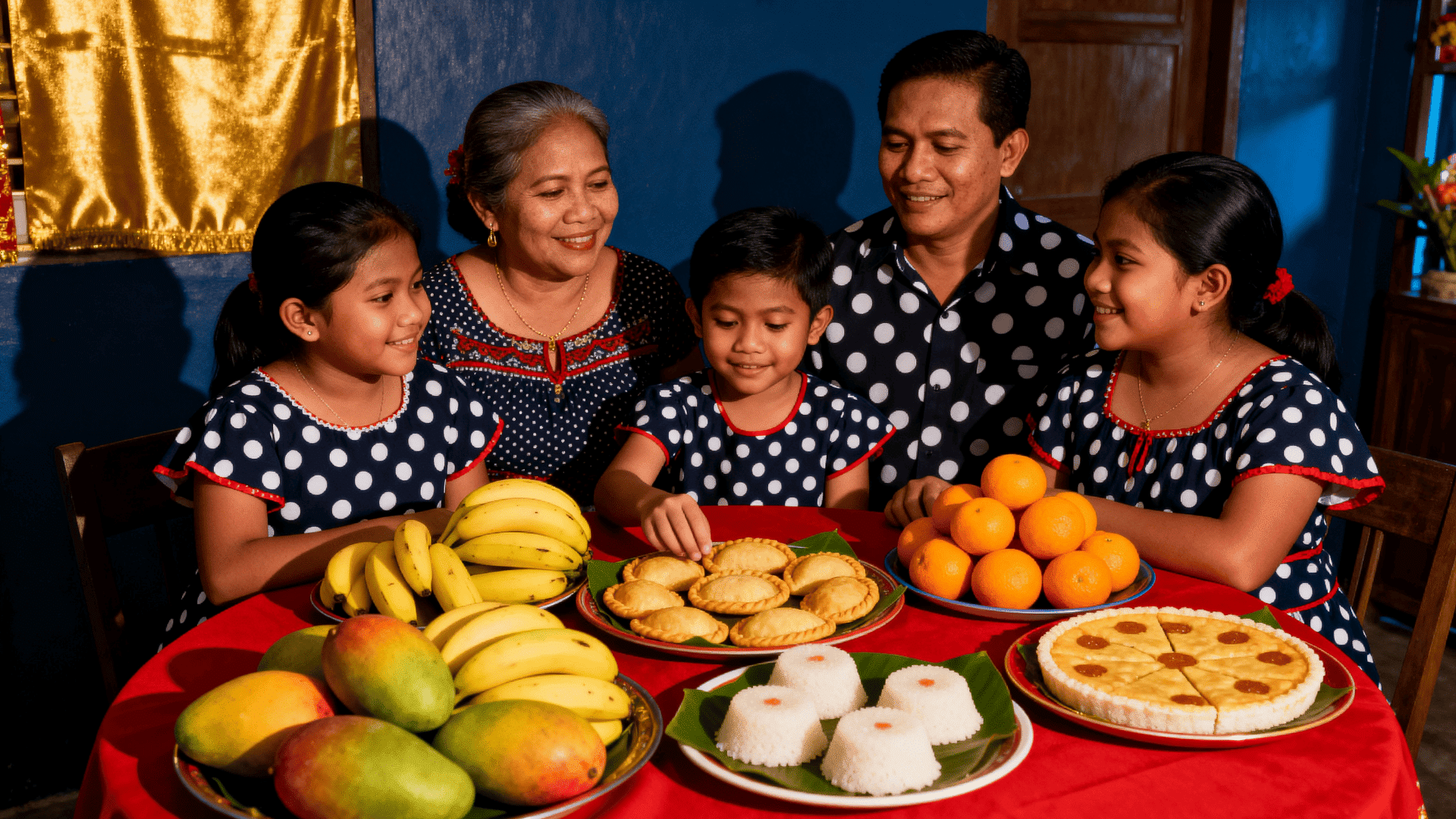
Filipinos surround themselves with round objects at midnight, believing circles attract wealth and prosperity. Tables overflow with twelve round fruits, people wear polka-dotted clothing, and pockets jingle with coins.
Children jump at midnight holding money, hoping to grow taller. Even foods served must be circular in shape. This tradition for good luck turns homes into treasure-filled spaces symbolizing abundance.
11. Smashing Pomegranates and Onion Bundles in Greece
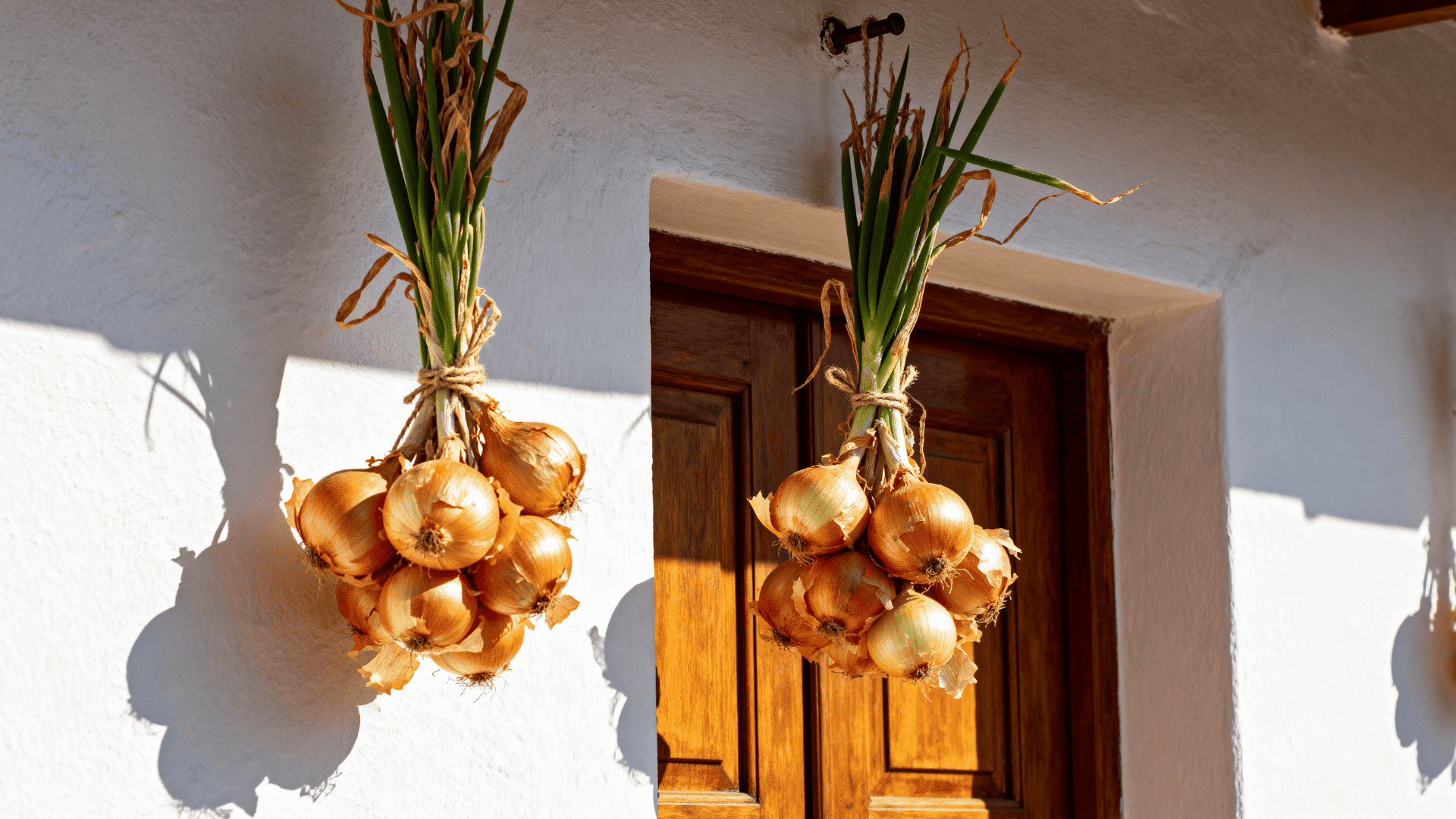
Greeks smash pomegranates against their front doors at midnight, and the more seeds that scatter, the greater the prosperity expected.
Hanging onion bundles on doors symbolizes rebirth and growth since onions sprout even when cut. Some families break the fruit with such force that red juice stains doorsteps for days. These ancient rituals connect modern celebrations to centuries-old agricultural symbolism and fertility beliefs.
12. Lucky Symbols in Germany and Austria
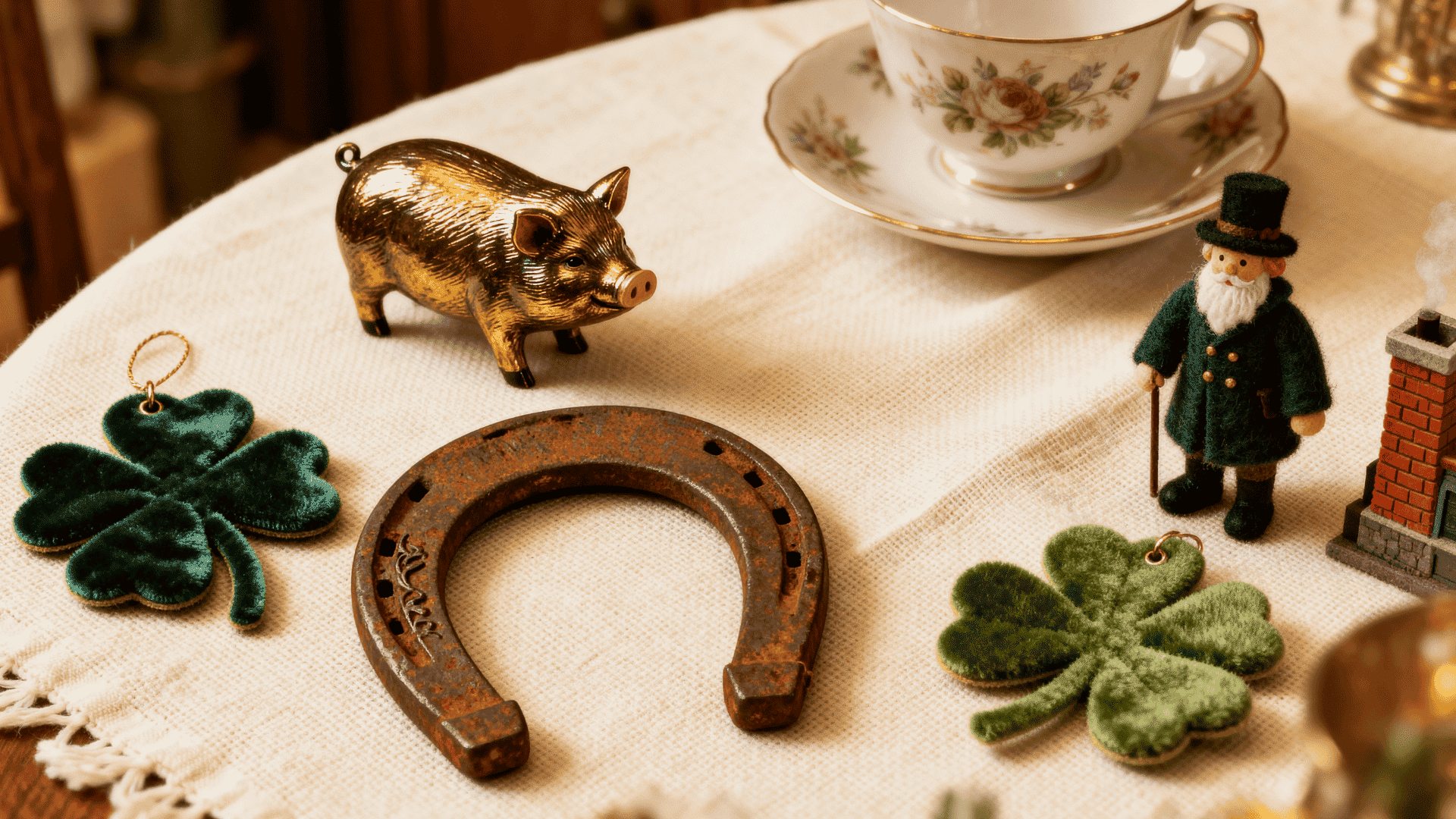
Germans and Austrians exchange small lucky charms at midnight, including miniature pigs, horseshoes, four-leaf clovers, and chimney sweeps. These symbols represent different types of fortune pigs, which mean plenty, horseshoes bring protection, clovers offer luck, and sweeps ensure prosperity.
People also pour molten lead into cold water, interpreting the resulting shapes as predictions. Friends gather to share these New Year traditions while toasting with champagne.
13. Walking With Suitcases in Mexico and Colombia

People in Mexico and Colombia grab empty suitcases and walk around their blocks at midnight. This quirky tradition supposedly guarantees travel opportunities throughout the coming year. The faster someone walks, the more trips they’ll experience.
Some circle their homes multiple times for extra travel luck. Friends laugh while watching neighbors rush past with luggage, creating hilarious neighborhood scenes annually.
14. Throwing Out Water in Cuba
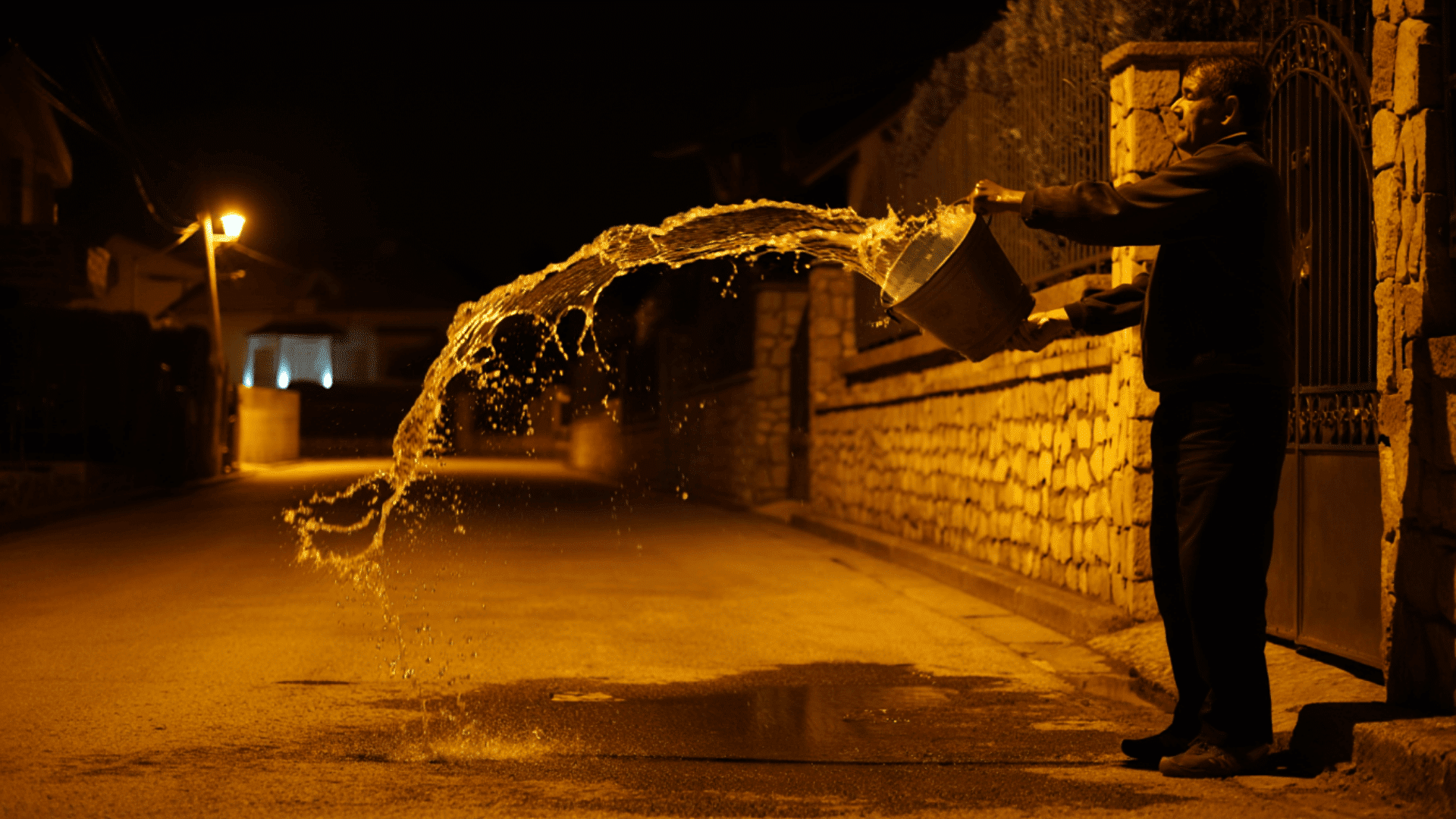
Cubans toss buckets of water out their windows or doors exactly at midnight. The water symbolically washes away bad experiences, negative energy, and misfortune from the previous year. Streets flood momentarily as entire communities participate together.
Some use seawater for extra cleansing power. This refreshing new year tradition for good luck gives people a clean emotional slate while literally cleaning their surroundings simultaneously.
15. Kissing Partner at Midnight

In many Western countries, sharing a kiss right at midnight strengthens relationships and ensures affection throughout the year. Single people believe kissing someone sets the tone for romance ahead.
Couples use this moment to reaffirm their love and commitment. The tradition stems from ancient beliefs that the first person someone encounters influences their entire year’s fortune and emotional well-being.
16. Making Loud Noises with Fireworks
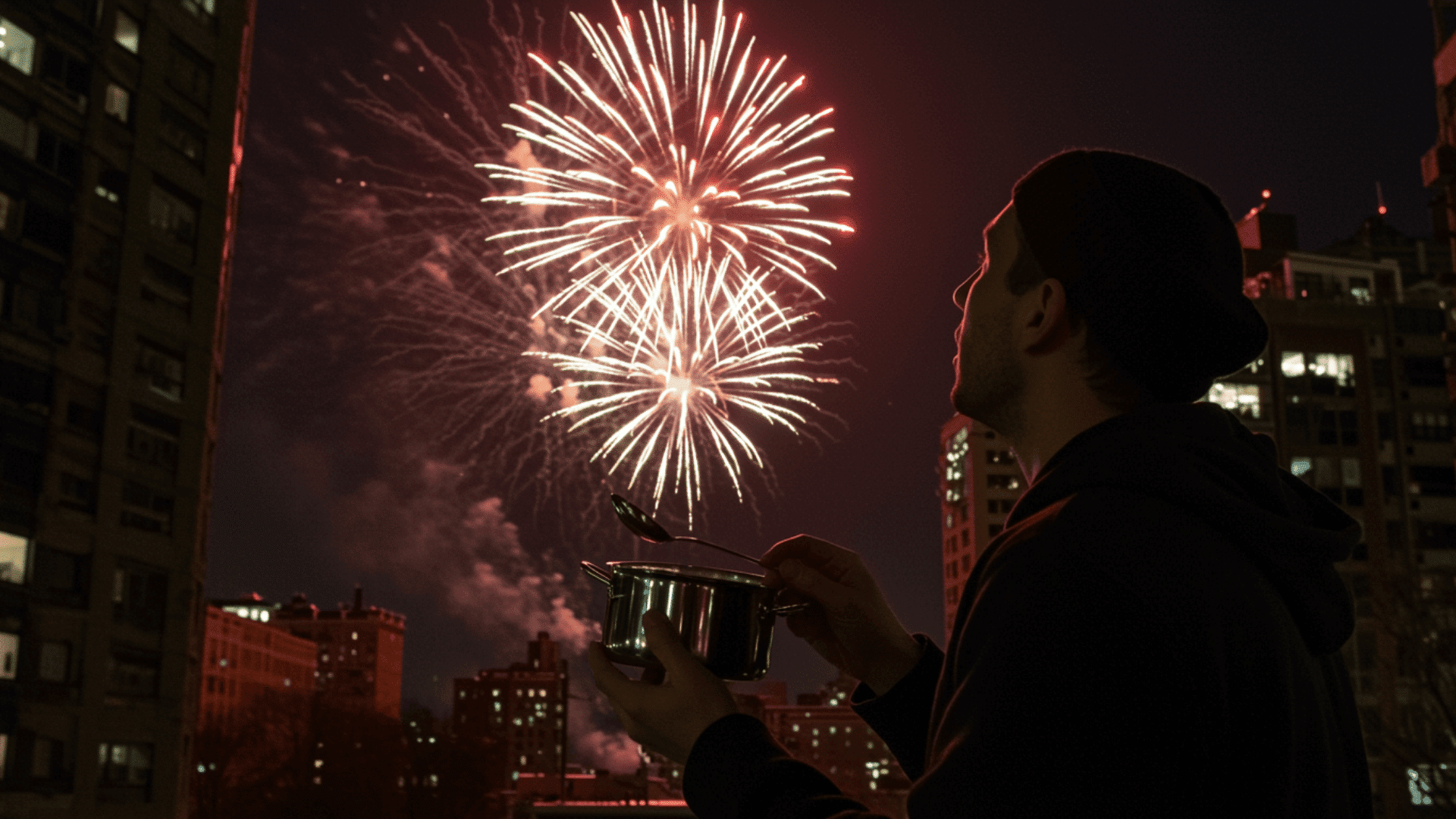
Cultures worldwide create deafening sounds at midnight using fireworks, pots, pans, and bells. The noise supposedly scares away evil spirits and bad luck from the previous year.
Louder celebrations mean stronger protection against negativity. Cities compete to host the most spectacular fireworks displays. This remains one of the most visually stunning New Year’s traditions celebrated globally, lighting up skies with colorful explosions.
17. First Footing in Scotland

Scottish tradition emphasizes who enters the home first after midnight, called the “first footer.” Ideally, this person should be a tall, dark-haired man carrying symbolic gifts like coal, salt, whiskey, or bread.
These items represent warmth, flavor, good cheer, and food for the household. The first footer’s characteristics supposedly determine the family’s luck. Light-haired visitors might bring bad fortune according to ancient beliefs.
18. Smashing Plates in Denmark

Danish people save old dishes throughout the year to smash against friends’ and neighbors’ doors at midnight. More broken plates outside someone’s door indicate stronger friendships and better luck.
This new year tradition for good luck turns destruction into celebration. Households proudly count their shattered dish piles the next morning. The mess represents releasing past troubles while strengthening community bonds through playful chaos.
These midnight New Year traditions demonstrate humanity’s universal desire for fresh beginnings despite cultural differences. Whether someone eats grapes, kisses loved ones, or breaks dishes, the underlying hope remains identical.
American New Year Traditions for Good Luck
Americans have developed their own unique blend of traditions for good luck, many inherited from immigrant communities that settled across the nation. From Southern soul food to Pennsylvania Dutch customs, these practices reflect the country’s diverse cultural heritage.
19. Eating Black-Eyed Peas and Collard Greens
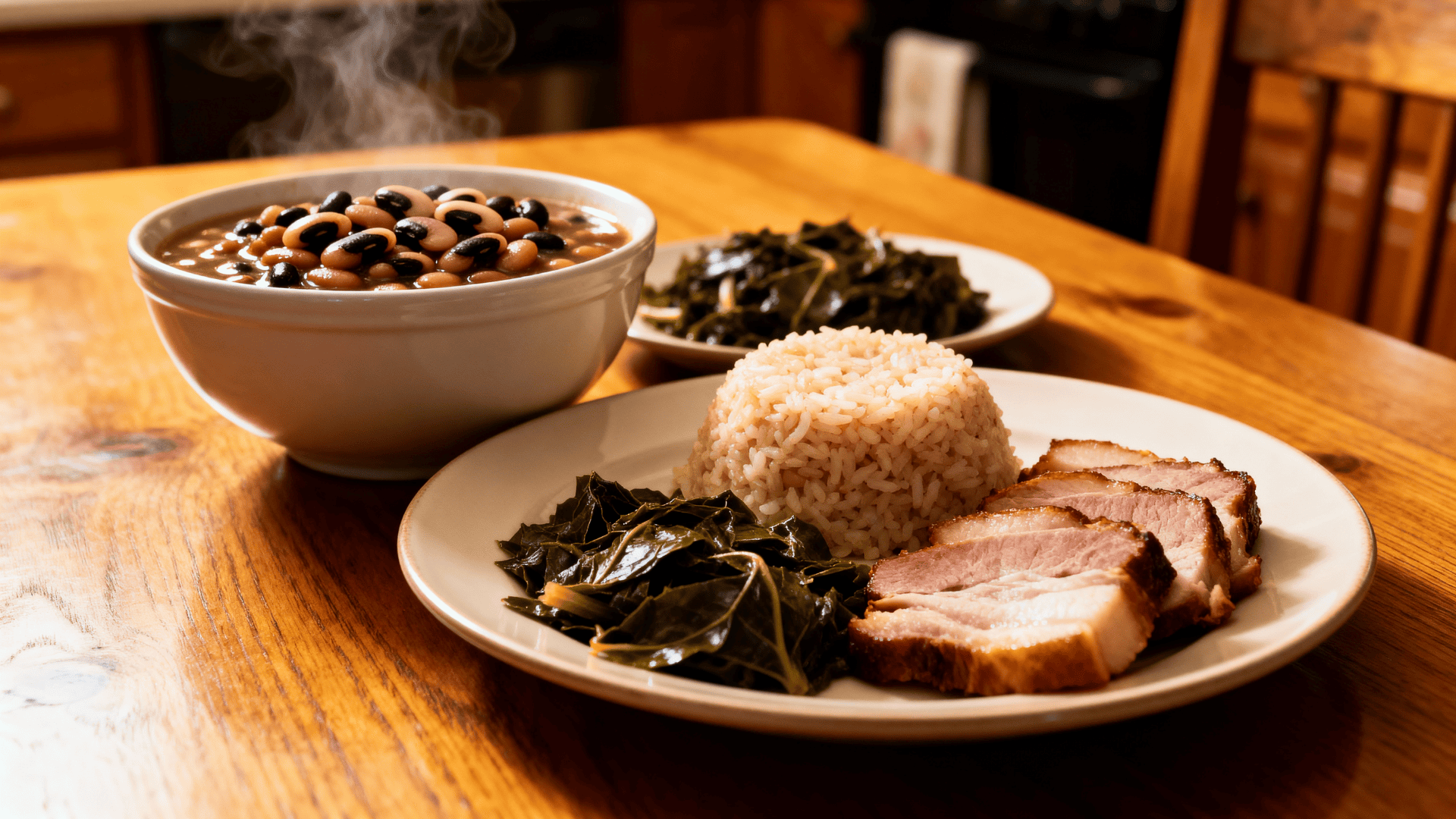
Southern Americans swear by eating black-eyed peas at midnight or on New Year’s Day for luck. The peas represent coins, while collard greens symbolize paper money and prosperity.
Many families prepare “Hoppin’ John,” a traditional dish combining rice, peas, and pork. The more someone eats, the more wealth they’ll supposedly attract. This new year tradition has roots in African American culture and Southern hospitality.
20. Eating Pork and Sauerkraut
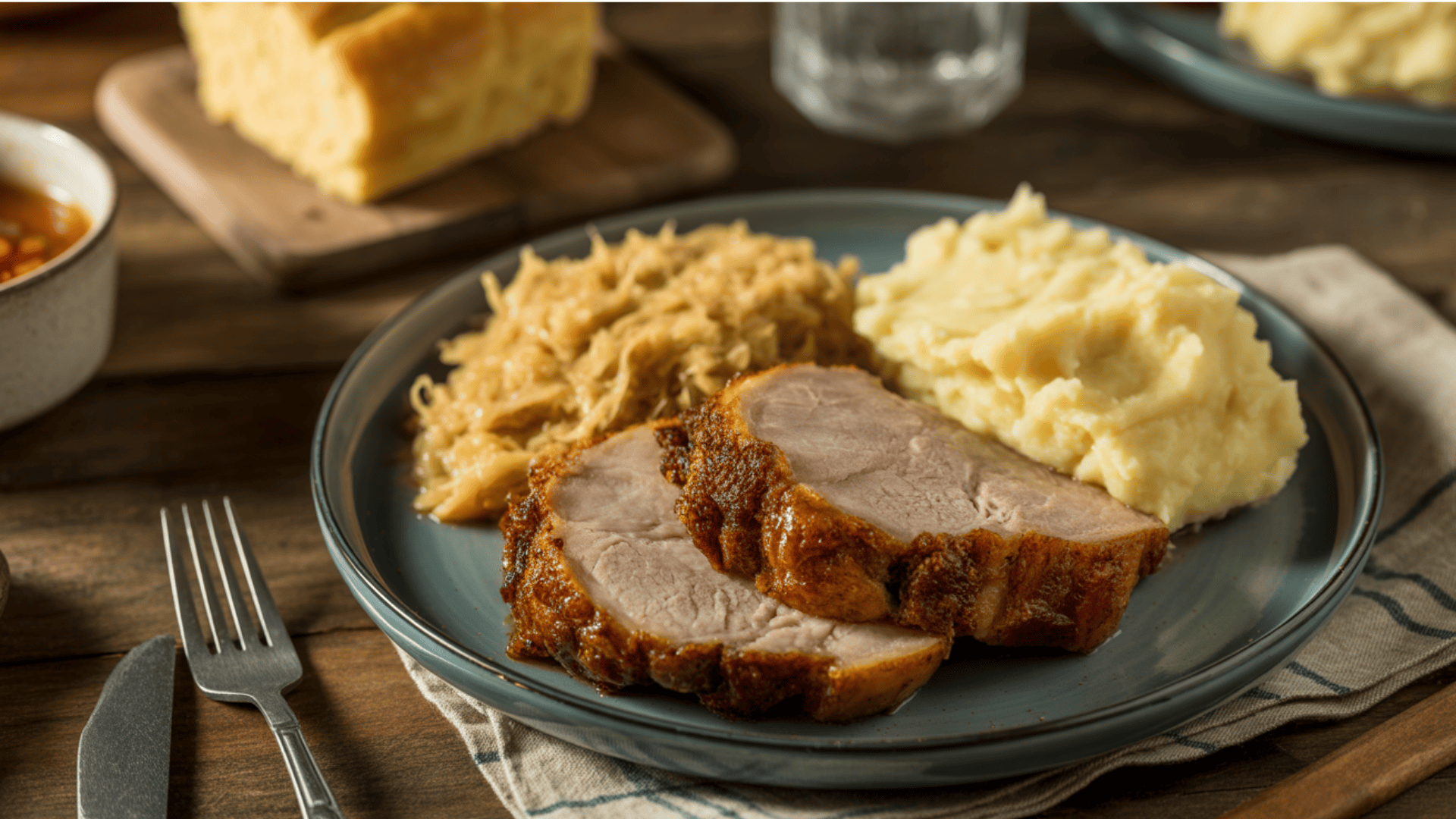
Pennsylvania Dutch communities and many Mid-Atlantic Americans eat pork and sauerkraut on New Year’s Day for prosperity. Pigs root forward, symbolizing progress, while chickens scratch backward, representing dwelling on the past.
Sauerkraut’s long strands supposedly bring longevity and good health. Families serve this hearty meal with mashed potatoes and cornbread. The tradition promises financial success and forward movement throughout the coming year.
21. Serving Cornbread for Golden Prosperity
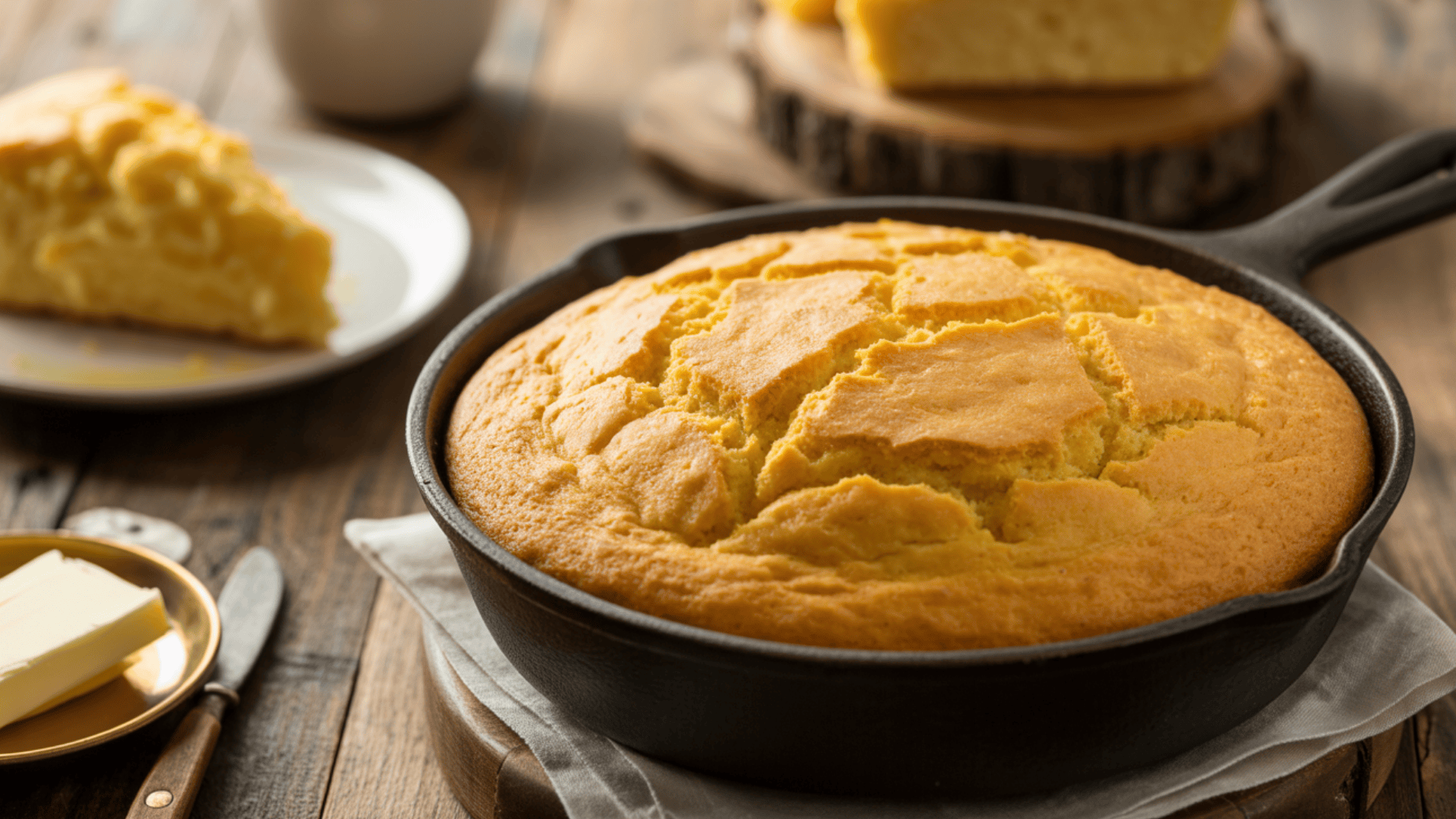
Many American families, especially in the South, bake cornbread to serve on New Year’s Day. The golden color represents wealth, gold coins, and financial abundance for the months ahead.
Some cooks add extra butter to make it richer, symbolizing even greater prosperity. Cornbread pairs perfectly with black-eyed peas and greens, completing the lucky meal. This simple bread carries powerful symbolism about attracting money and success.
American New Year traditions blend practicality with symbolism, creating celebrations that feel both meaningful and fun.
Lucky Foods to Eat on New Year’s Day
Food plays a central role in New Year’s traditions for good luck across the globe, with specific dishes believed to attract wealth, health, and happiness. Different cultures assign symbolic meanings to ingredients based on their shapes, colors, or growing patterns.
22. Lentils for Wealth and Prosperity
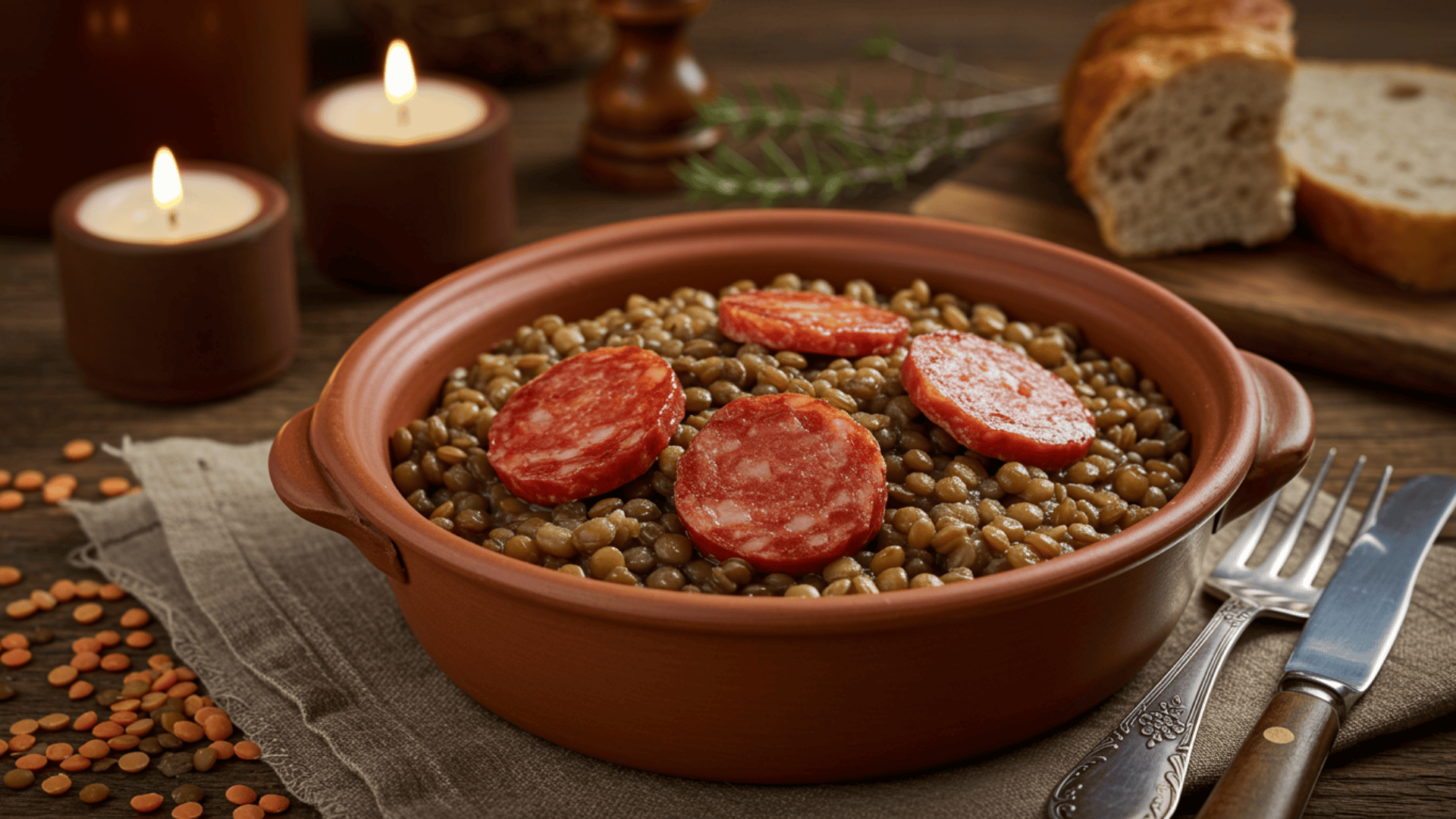
Italians eat lentils on New Year’s Day because their small, round shape resembles coins and promises financial abundance. The more lentils someone consumes, the more money they’ll supposedly earn throughout the year.
Families typically serve them with pork sausage called cotechino for maximum luck. This tradition dates back to ancient Rome, when lentils symbolized hope for prosperity. The humble legume transforms into a powerful wealth magnet through belief.
23. Long Noodles for Longevity
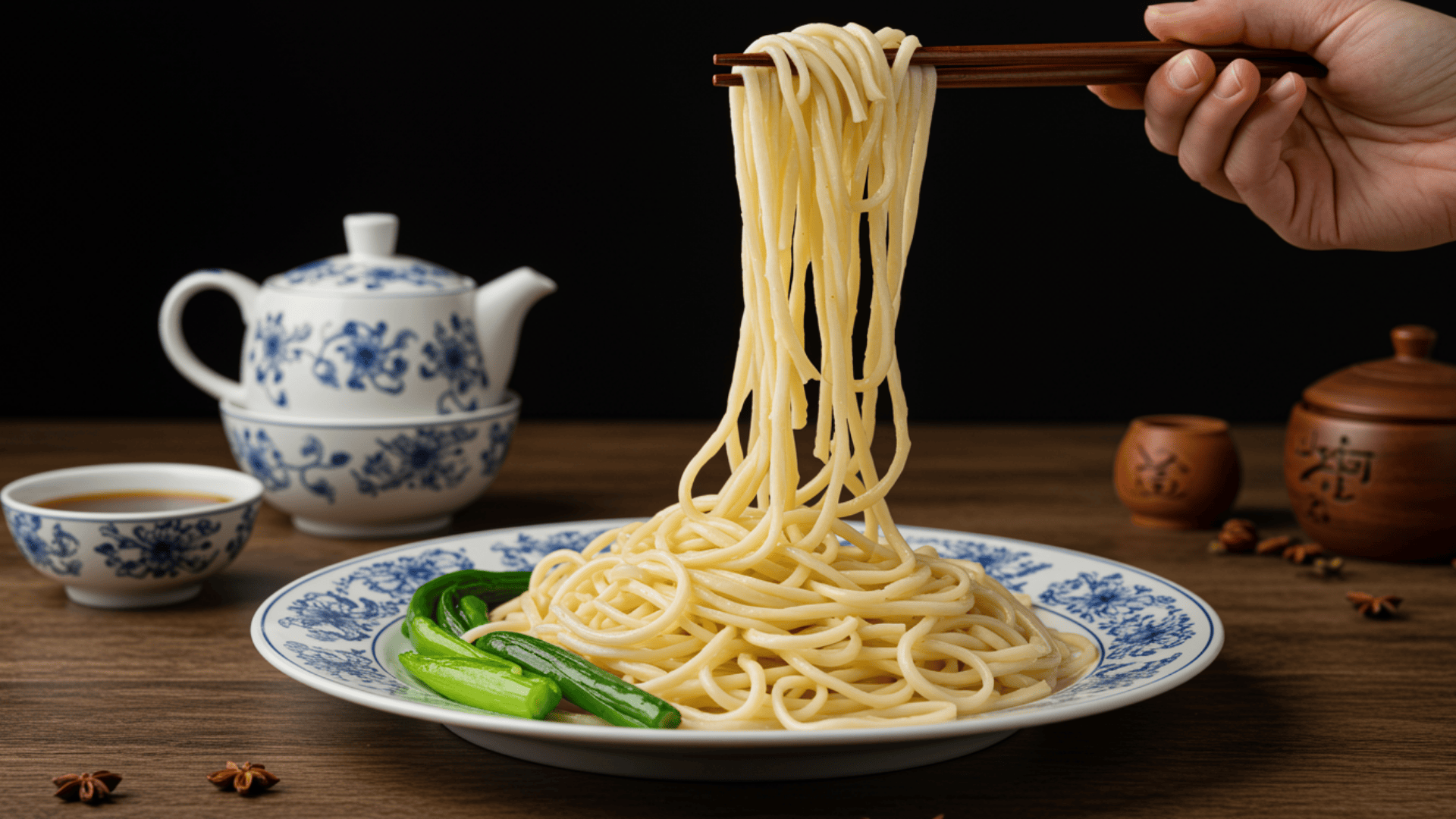
Asian cultures serve extra-long noodles on New Year’s Day, and diners must not break them while eating. The unbroken strands represent long life and good health extending throughout the coming year.
Cutting or breaking noodles supposedly shortens one’s lifespan, so people slurp carefully. Japanese soba noodles and Chinese longevity noodles remain popular New Year traditions that combine delicious food with hopeful symbolism for extended, healthy lives.
24. Whole Fish for Abundance
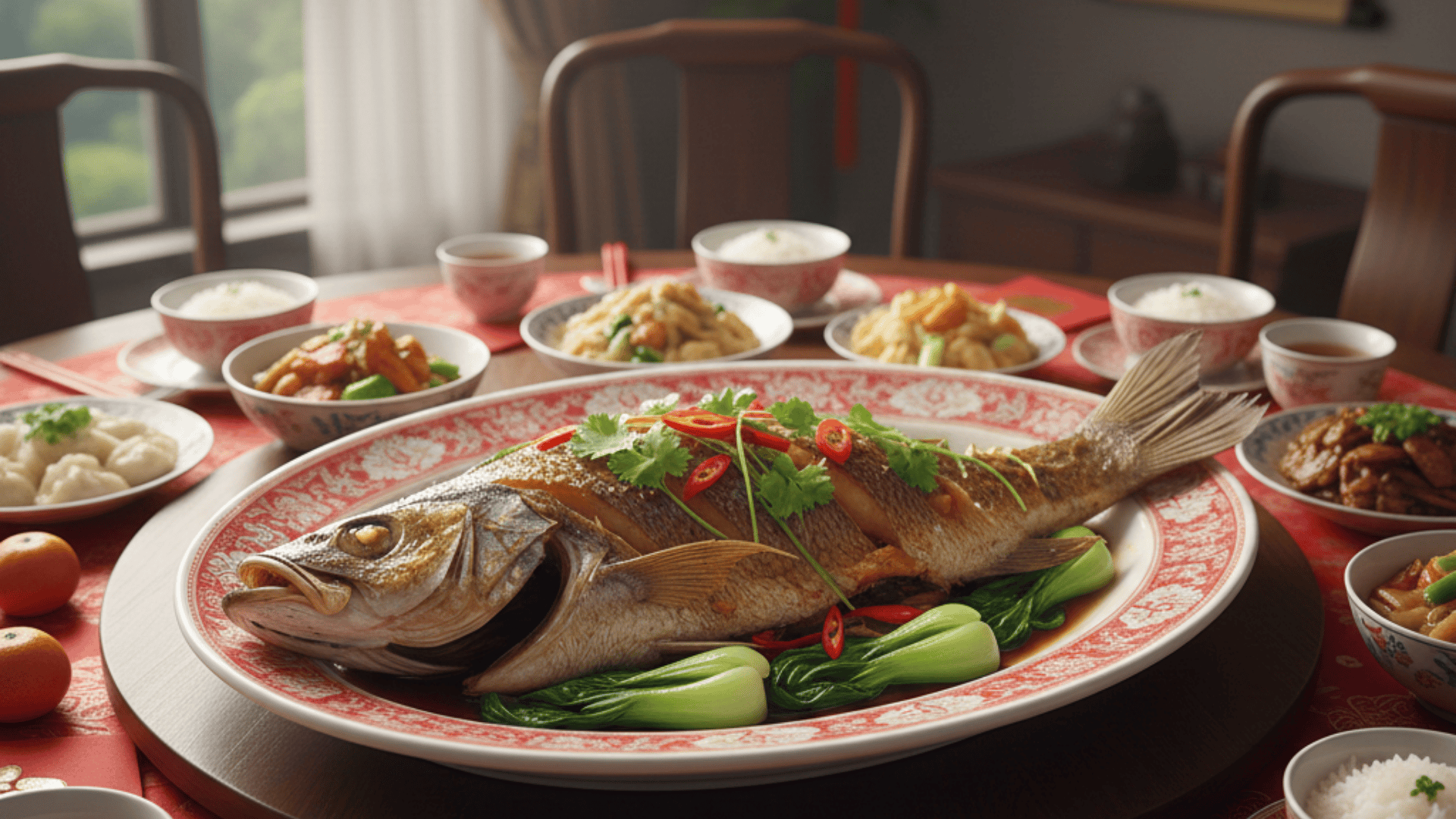
Serving a whole fish with head and tail intact symbolizes completeness and ensures abundance from start to finish. Chinese families save some fish to eat on New Year’s Day, representing surplus and prosperity carrying over.
The fish must remain whole during cooking and serving to maintain its lucky properties. Some cultures believe that eating fish brings career success since fish swim forward. This tradition emphasizes having more than enough throughout the year.
25. Round Fruits for Continuous Luck

Many cultures display and eat round fruits like oranges, apples, and grapes because circles represent coins, continuity, and endless good fortune.
Twelve round fruits arranged together symbolize prosperity for each month ahead. The Philippines specifically emphasizes roundness in all New Year foods for maximum wealth attraction. Citrus fruits also represent gold due to their color.
26. Cabbage and Leafy Greens for Money
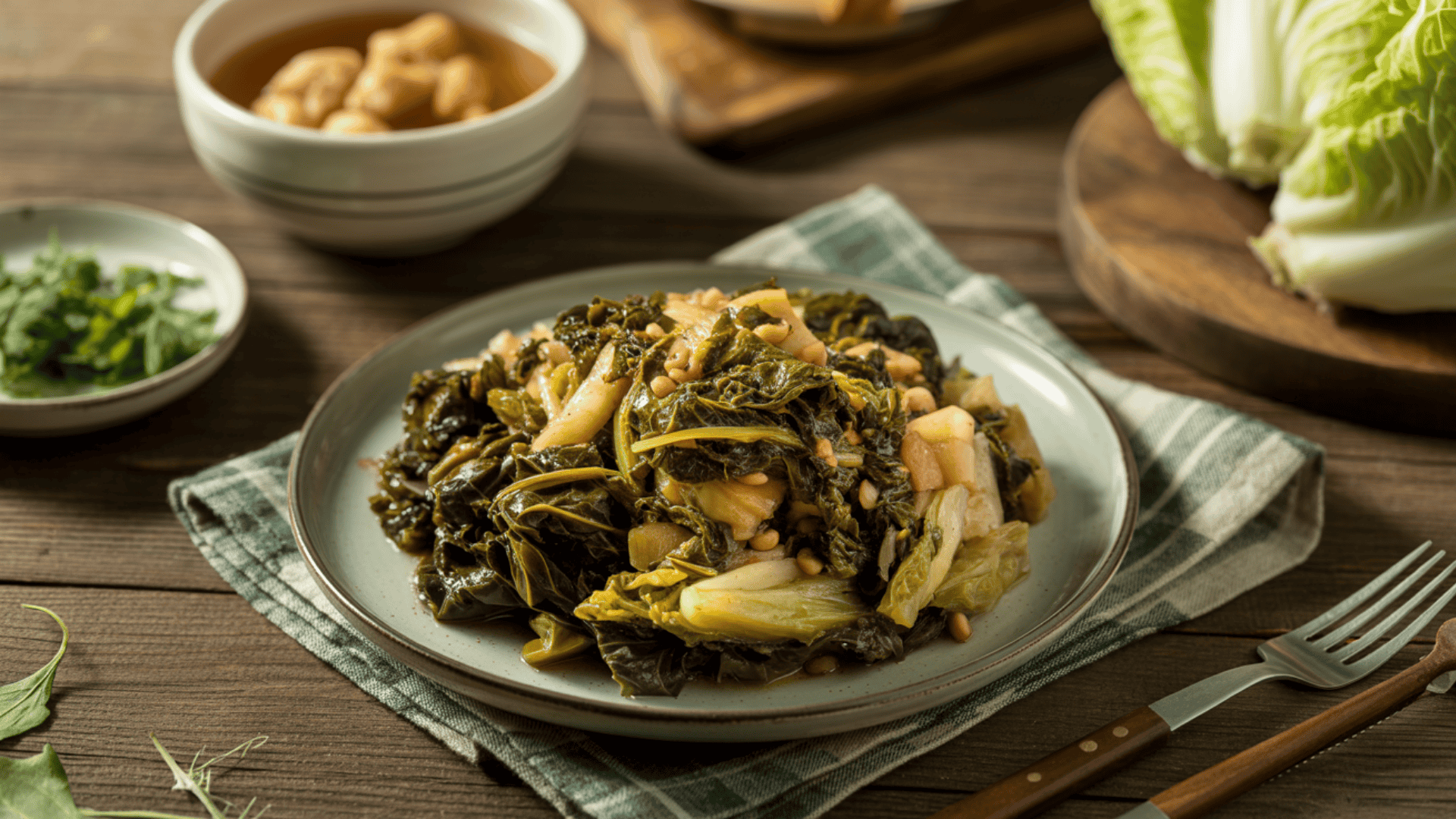
Green vegetables like cabbage, kale, and collards represent paper money and financial growth throughout the coming year. Germans eat sauerkraut while Americans prefer collard greens, but both traditions promise monetary success.
The more greens consumed, the more cash supposedly flows into someone’s life. Some people even place money underneath dinner plates while eating these vegetables. The green color directly connects food to dollar bills and prosperity.
27. Rice and Rice Cakes for Fertility and Luck
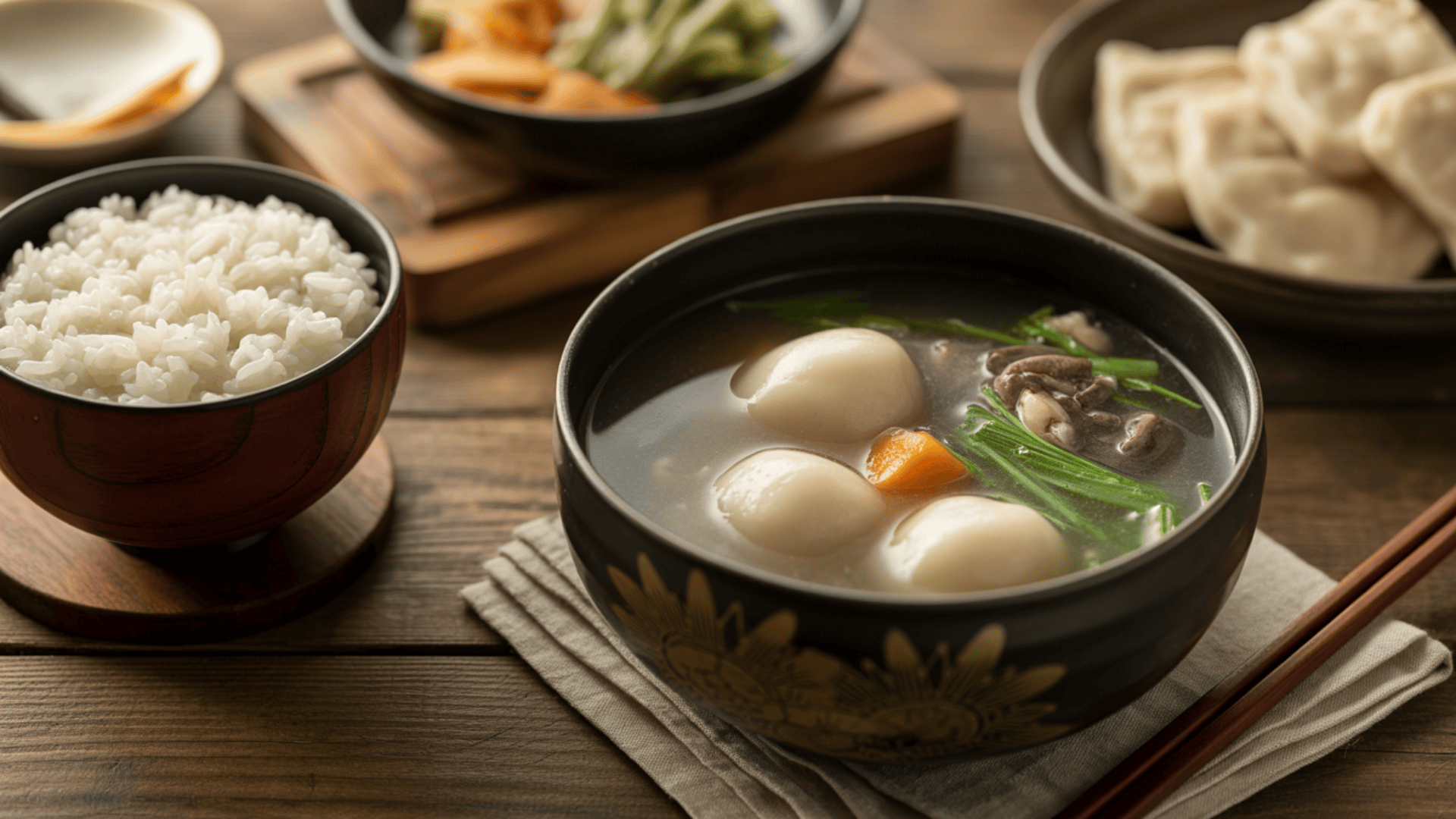
Asian cultures consider rice essential for New Year meals since it symbolizes fertility, abundance, and good fortune. Japanese families eat mochi rice cakes in special soups called ozoni, believing they bring strength and luck.
Korean tteokguk soup contains sliced rice cakes representing coins and starting fresh. Eating rice ensures families never go hungry and always have plenty. This staple grain carries deep cultural significance beyond simple nutrition.
28. Pomegranates for Prosperity and Fertility
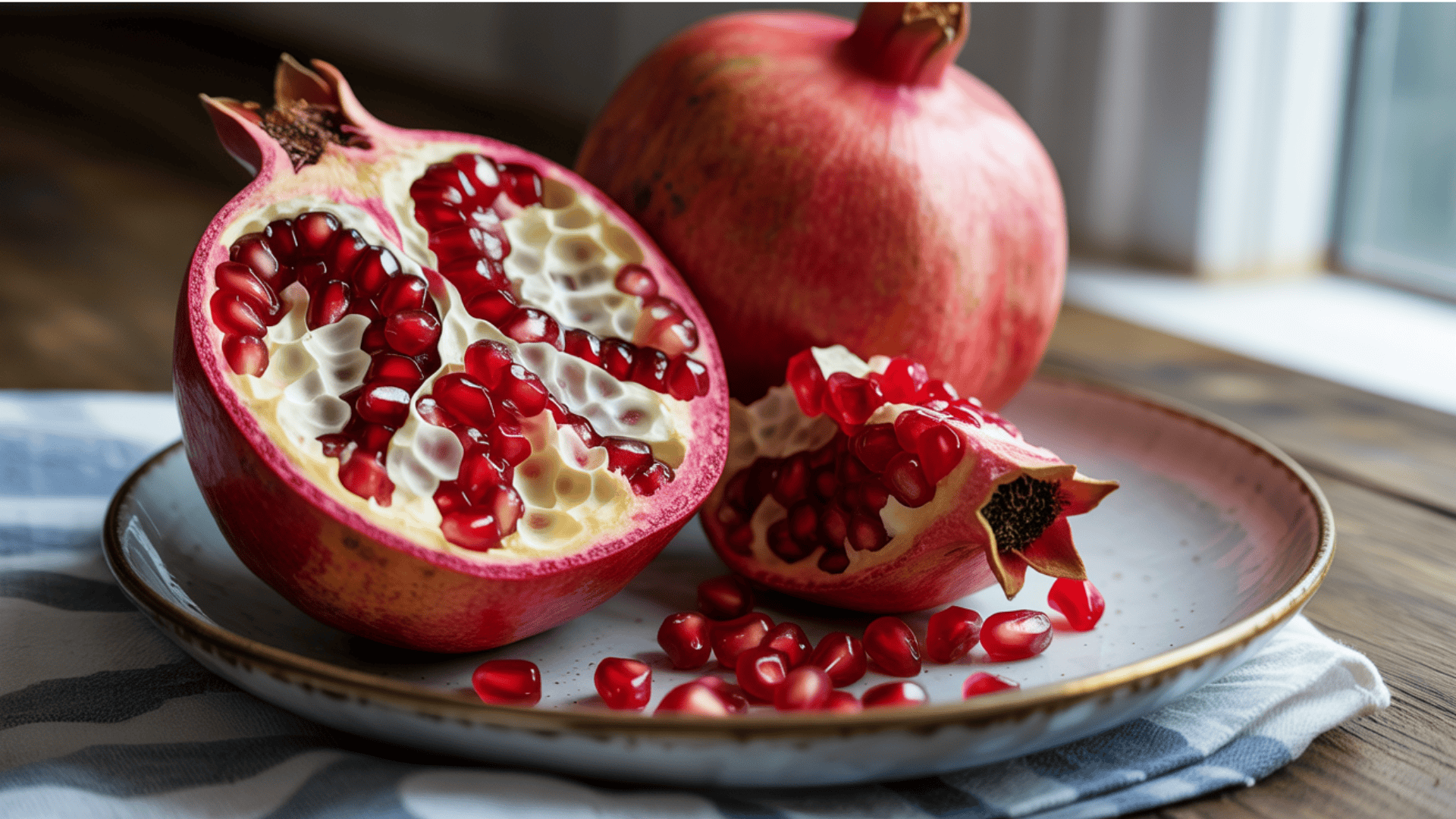
Mediterranean and Middle Eastern families eat pomegranates on New Year’s Day for their abundant seeds, representing wealth and fertility. Some cultures count the seeds, believing each one equals a blessing for the year.
The ruby-red color symbolizes life, passion, and good fortune flowing abundantly. Greek families break pomegranates at midnight, then eat the seeds throughout the day.
29. Herring for Abundance and Silver

Scandinavian and Polish communities eat pickled herring on New Year’s Day because the silver-colored fish represents money and prosperity. Herring swim in large schools, symbolizing abundance and community wealth for everyone.
The tradition also connects to fishing communities’ hopes for successful catches year-round. Some families serve herring at midnight, while others save it for New Year’s Day lunch. This salty, preserved fish promises financial security throughout the coming months.
These lucky foods turn ordinary New Year traditions into delicious celebrations that engage all the senses. Whether someone believes in their mystical properties or simply enjoys the cultural connection, these dishes bring families together around shared hopes and dreams.
Superstitions About What Not to Do on New Year’s
While many traditions for good luck focus on positive actions, equally important superstitions warn about behaviors to avoid. Breaking these unwritten rules supposedly invites bad luck, poverty, or misfortune for the entire year ahead.
| What NOT to Do | Why It Brings Bad Luck |
|---|---|
| Cry on New Year’s Day | Tears supposedly set a sad tone for all twelve months ahead. |
| Break dishes or glass. | Broken items symbolize broken relationships and shattered dreams throughout the year. |
| Let the cupboards stay empty | Empty shelves invite hunger and scarcity into the household permanently. |
| Wash clothes or do laundry. | Washing supposedly removes a family member from life during the coming year. |
| Pay bills or lend money | Money leaving on the first day means cash flowing outward constantly. |
Easy Ways to Incorporate These Traditions
People don’t need to follow every single ritual to benefit from the New Year traditions for good luck. Starting small with just a few meaningful practices creates positive energy without overwhelming anyone.
- Mix traditions from different cultures: Combine Spanish grape-eating with American collard greens to create a unique, personalized celebration reflecting diverse backgrounds.
- Involve children in the preparation: Let kids help arrange round fruits, pick out new clothing, or choose which lucky foods to cook together.
- Create a family traditions checklist: Write down favorite customs and check them off throughout the day, making the experience organized and memorable.
- Host a potluck with themed dishes: Invite friends to bring different lucky foods, turning traditions into a communal feast everyone enjoys.
- Document the celebration with photos: Capture moments performing rituals to create lasting memories and establish consistent family customs for future years.
Summing It Up
Celebrations around the world prove that hope and optimism unite humanity despite cultural differences. These New Year traditions for good luck aren’t just superstitions; they represent humanity’s eternal desire to control destiny and invite prosperity.
Whether someone chooses to eat lucky foods, clean their home, or follow midnight rituals, the real magic happens through intention and belief.
Each custom offers a chance to reset, refresh, and reimagine possibilities for the months ahead. The beauty lies in selecting practices that resonate personally rather than following every single rule.
So this year, why not try at least one lucky ritual? Pick a favorite tradition, gather loved ones, and welcome abundance together with open hearts and hopeful spirits.