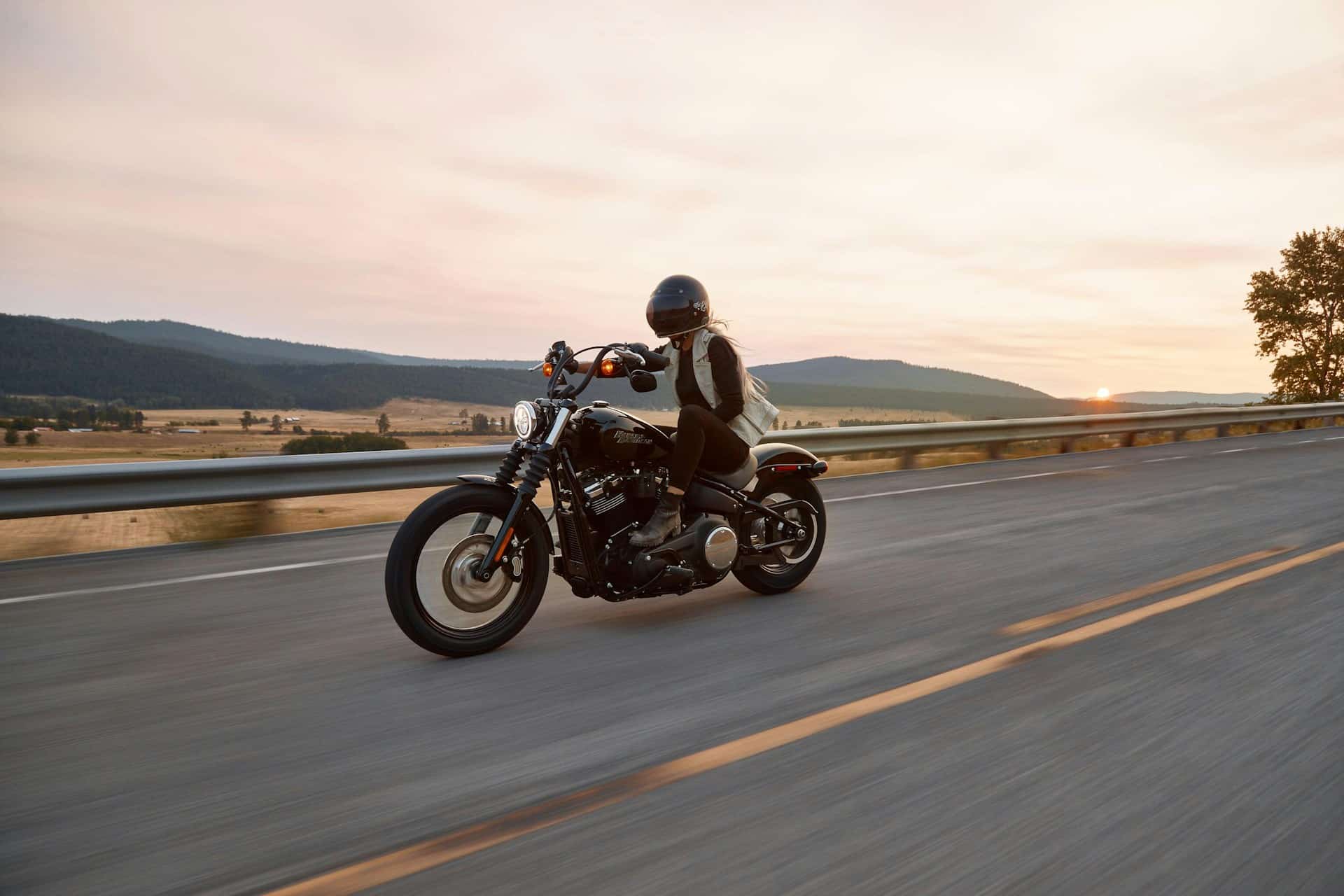

Moving to a new state is a major life decision — whether it’s for education, a new job, family reasons, or simply a fresh start. But once the excitement settles, reality hits: you have to figure out how to move all your belongings. And if you own a motorcycle, the question becomes even more important. Should you ride it? Should you trailer it yourself? Or is professional motorcycle shipping the safer and easier choice?
For many people, shipping becomes the most practical option. Long-distance routes, unpredictable weather, work schedules, and the stress of handling a full household relocation make riding the bike yourself unrealistic. A professional carrier can move your motorcycle while you focus on everything else during your transition.
If you’re wondering how the process works, what it costs, and how to make sure your motorcycle arrives safely, this extended guide walks you through everything step by step — from choosing the right transport method to preparing for pickup and delivery.
Why Consider Shipping Your Motorcycle Instead of Riding It?
At first, riding your motorcycle to your new state seems like the ideal choice. It’s adventurous and cost-efficient. But in reality, several factors can make shipping the smarter and safer option.
Long-Distance Riding Isn’t Always Practical
Many relocations involve routes that stretch 800, 1,500, or even 3,000+ miles. Riding that far requires:
- Multiple days off work or school
- Good weather along the entire route
- Proper rest and recovery time
- A motorcycle that’s mechanically fit for long trips
- Budget for fuel, food, and overnight stays
Not everyone can afford that disruption — especially when you’re already juggling housing, logistics, packing, and schedules.
Weather Conditions Can Be Dangerous
If your move is in winter or during rainy seasons, the risk increases significantly. Snow, ice, fog, and temperature drops can make long-distance riding uncomfortable and unsafe.
You May Need to Transport Other Items
If you’re already shipping your household goods, driving your car, or flying to your new destination, riding the motorcycle becomes inconvenient.
Avoiding Wear and Tear
Long routes can add:
- Tire wear
- Engine strain
- Chain and sprocket wear
- Risk of minor chips or damage from debris
Shipping avoids unnecessary mileage and preserves your bike’s condition.
How Professional Motorcycle Shipping Works
Professional motorcycle transport companies move bikes across states using specialized trailers designed to keep the motorcycle secure and upright during transit. Unlike DIY towing, this method minimizes the risk of tipping, scratches, or mechanical strain.
The basic process includes:
- Choosing your transport type
- Scheduling pickup
- Preparing your motorcycle
- Completing inspection
- Transporting the bike
- Performing delivery inspection
Each step is straightforward when you understand what to expect.
Open vs. Enclosed Transport: Which Should You Choose?
Choosing the right type of trailer is one of the most important decisions you’ll make. Here are your options:
1. Open Transport
This involves transporting your motorcycle on an open trailer, usually alongside other bikes or vehicles.
Advantages:
- Most affordable option
- Widely available nationwide
- Great for standard motorcycles
Disadvantages:
- Exposed to weather and debris
- Not ideal for high-end or sentimental bikes
Best For:
Riders who want a budget-friendly shipping option and don’t mind their motorcycle being exposed during transit.
2. Enclosed Transport
Your motorcycle is placed inside an enclosed trailer with sides and a roof.
Advantages:
- Protection from rain, dust, and road debris
- Best for long-distance and cross-country moves
- Ideal for expensive, vintage, or custom bikes
Disadvantages:
- More expensive
- Slightly longer wait times due to limited spaces
Best For:
Motorcycles that need extra protection, or when you want complete peace of mind during the move.
How Much Does Motorcycle Shipping Cost?
The price of shipping a motorcycle depends on several variables, and costs can vary significantly based on distance and service type. Here are the factors that matter most:
1. Distance
Longer routes typically cost more overall but less per mile.
- Short distance (300–600 miles): higher per-mile rate
- Medium distance (600–1,500 miles): moderate rate
- Long distance (1,500–3,000+ miles): lower per-mile rate
2. Location Type
Urban to urban moves are usually cheaper because carriers already run frequent routes.
Rural pickups or deliveries may include:
- Rerouting fees
- Extended travel time
- Extra scheduling requirements
3. Transport Type
- Open transport = cheaper
- Enclosed transport = higher protection, higher cost
4. Motorcycle Size and Weight
Heavier bikes such as cruisers or touring models may cost more than smaller bikes like sport models or scooters.
5. Seasonal Demand
Peak months (May to September) often bring:
- Higher demand
- Busy routes
- Price increases
6. Insurance Coverage
Most shipping companies include insurance, but you may have the option to purchase higher coverage for premium motorcycles.
7. Extra Services
These might include:
- Expedited delivery
- Door-to-door pickup
- Liftgate service
If you want a fast estimate without booking anything, you can simply use the motorcycle shipping quote calculator to check projected pricing for your specific route.
How to Prepare Your Motorcycle for Shipping
Preparation is key to preventing delays and protecting your motorcycle. Here’s what you should do before pickup:
1. Wash and Clean the Motorcycle
Cleaning your bike helps you identify:
- Existing scratches
- Paint chips
- Small dents
It also allows the driver to document the bike properly before loading.
2. Take Clear Photos of the Bike
Document your motorcycle from all angles. Capture:
- Left and right sides
- Front and rear
- Any existing damage
Store these photos in a folder to compare at delivery.
3. Remove or Secure Loose Accessories
This includes:
- Saddlebags
- Removable mirrors
- Tank bags
- GPS devices
- Phone mounts
- Toolkits
If it can fall off or break, remove it or secure it tightly.
4. Check Fluid Levels
The motorcycle should not be leaking any fluids.
- Check engine oil
- Check brake fluid
- Check coolant
- Check for any drips on the ground
Leaks may prevent the driver from loading your bike.
5. Inflate Tires Properly
Correct tire pressure helps the bike stay stable in its straps or wheel chocks.
6. Disable the Alarm
Alarms frequently trigger during transport if left activated.
7. Reduce the Fuel Level
Carriers prefer the tank to be one-quarter full or less to reduce weight and avoid leaks.
What Happens on Pickup Day
Understanding what to expect on pickup day makes the process smoother and stress-free.
1. The Driver Performs an Inspection
They walk around the motorcycle with you and note its current condition on a legal document called the Bill of Lading.
2. Both Parties Sign the Condition Report
You’ll sign to confirm the recorded condition. This protects you in case of unexpected damage.
3. Loading the Bike
The driver will:
- Use a hydraulic lift or loading ramp
- Place the bike into position
- Secure it with straps
- Lock the wheels with chocks or skids
Your motorcycle remains upright and stable throughout the entire trip.
4. You Get a Rough Delivery Window
Carriers often transport multiple vehicles at once, so exact timing depends on route logistics, weather, and delivery schedules.
What Happens at Delivery
When the motorcycle arrives at your new home or delivery location:
1. Inspect the Motorcycle Carefully
Compare the motorcycle with your original photos and note:
- Paint condition
- Mirrors
- Handlebars
- Fairings
- Accessories
- Tires
- Any new scratches or marks
2. Review the Bill of Lading
Check whether the condition matches what was recorded at pickup.
3. Report Any Issues Immediately
Although damage during transport is rare, it’s important to document and report it right away so the insurance process can begin if needed.
Door-to-Door vs. Terminal-to-Terminal Shipping
You may have the choice between:
Door-to-Door Shipping
The carrier picks up and delivers the motorcycle directly at your locations.
Pros:
- Extremely convenient
- No need to travel to a terminal
Cons:
- Slightly higher cost
- Some neighborhoods may not support large trucks
Terminal-to-Terminal Shipping
You drop off and pick up the bike from designated shipping terminals.
Pros:
- Lower cost
- Good for flexible schedules
Cons:
- Requires travel time
- Limited terminal locations in some states
Door-to-door is the most popular option for students and professionals moving across states.
Tips for a Smooth and Hassle-Free Motorcycle Shipping Experience
To make the entire process easier, keep these tips in mind:
1. Book Early When Possible
Peak seasons fill up quickly, especially in summer and around holidays.
2. Be Flexible With Pickup Windows
Increased flexibility often reduces cost and speeds up delivery.
3. Prepare Your Bike Properly
Proper preparation prevents delays and protects your motorcycle.
4. Choose a Transport Method Based on Your Bike
Expensive or classic motorcycles should always go enclosed.
5. Communicate with Your Carrier
Share details about tight streets, gate codes, or scheduling restrictions.
6. Inspect the Motorcycle at Delivery
Never skip this step — take your time reviewing everything.
Is Motorcycle Shipping Worth It?
For many people moving states, shipping the motorcycle is the most stress-free and cost-effective solution. It offers:
- Safety and protection
- Saved time
- No weather-related complications
- Avoided hotel, gas, and travel costs
- Peace of mind during a hectic move
Riding long distances is fun — but during a busy relocation, shipping usually makes more sense.
Final Thoughts
Moving to a new state brings opportunities, challenges, and plenty of decisions. Shipping your motorcycle doesn’t have to be one of the difficult ones. With the right transport method, proper preparation, and a clear understanding of what to expect, the entire process becomes simple and stress-free.
Whether you’re heading to a new college campus, relocating for a job, or simply starting fresh, planning your motorcycle transport ahead of time helps you settle into your new chapter without extra complications.
If you want a quick estimate for your route and timing, you can always use the motorcycle shipping quote calculator to get a personalized cost breakdown before booking anything.