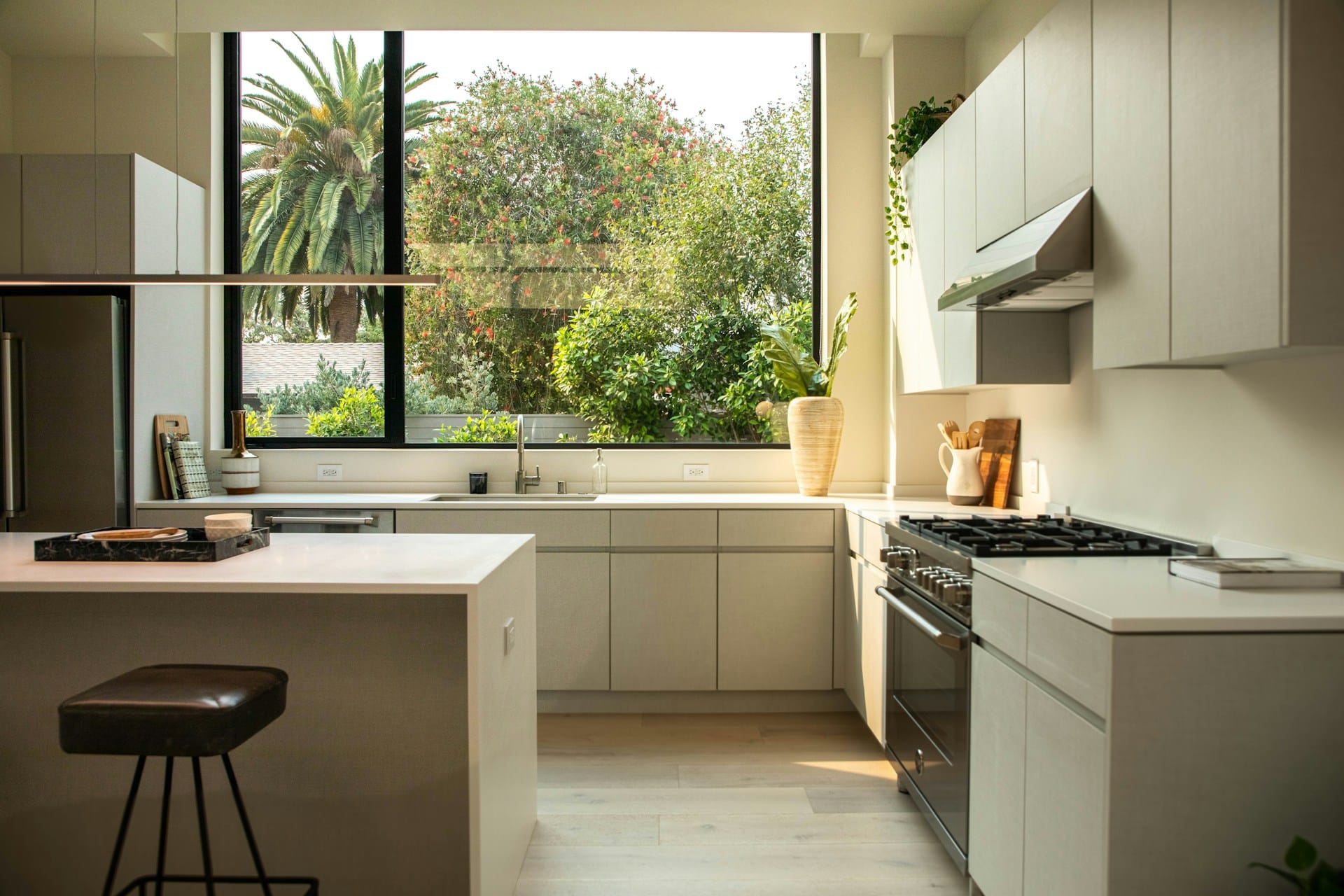

Small kitchens are a New Jersey staple, from Cape May cottages to walk-up condos near PATH stops. Space is tight, utility rates are real, and every decision has to carry its weight. This guide takes a newsroom-style look at practical design strategies that create elbow room while lowering energy use—moves you can plan over a weekend and phase in across a season.
Start With the Envelope So the Kitchen Works Less
Before swapping appliances, make sure your home’s shell isn’t forcing the kitchen to compensate. Air leaks around windows and siding let conditioned air escape and invite moisture that stresses exhaust fans and refrigerators. If you’re weighing exterior work, thisfull guide to siding remodeling in NJ outlines the basics many homeowners ask about and how envelope choices affect interior upgrades. Even small refreshes matter inside: cabinet-care cleaners and waxes—think Igiwax for a quick touchup—can revive finishes so you invest first in performance changes, not purely cosmetic replacements.
Layout Tweaks That Unlock Square Inches
New Jersey kitchens often hinge on one or two chokepoints. Rearranging traffic flow is the cleanest way to “add” space without moving walls.
- Right-size the island. If a full island crowds a galley, opt for a narrow worktable on locking casters. It delivers prep area when you need it and tucks aside when guests arrive.
- Prioritize the work triangle. Keep sink, range, and fridge within easy reach and clear the corridor between them. Small gaps—three to four feet—reduce steps and make cooking safer.
- Trade uppers for a rail system. In very tight rooms, a wall rail with shelves, hooks, and magnetic strips keeps utensils and spices visible without the bulk of deep cabinets.
Pair that setup with a wall-mounted magnetic knife strip to free up counter space. Choose multi-purpose blades with slim profiles; the Dexter Russell chef knife collection offers durable, compact chef and utility knives that hang cleanly, reduce clutter, and keep small-kitchen prep efficient.
Storage That Climbs Instead of Sprawls
Vertical thinking is the difference between cluttered and compact.
- Ceiling-height cabinets with slim face frames add a full shelf of storage without expanding the footprint. Use the top tier for holiday cookware or bulk items.
- Pullouts and toe-kick drawers convert dead zones into organized slots for lids, sheet pans, and cleaning supplies.
- Corner solutions—lazy Susans or L-shaped drawers—help you reclaim hard-to-reach space without a renovation.
Surfaces and Light That Make Rooms Feel Larger
Perception is a design tool. Aim for materials and lighting that stretch sightlines.
- Light, matte finishes on cabinets and walls bounce illumination without glare. Pair with a slightly darker counter so edges read cleanly in photos and at night.
- Undercabinet LEDs eliminate shadows and let you run lower overall brightness. Choose warm-to-neutral color temperature (2700K–3500K) so food looks natural.
- Reflective accents—a ribbed-metal backsplash or satin brass hardware—add depth without visual noise.
Appliances That Pull Double Duty for Efficiency
Swapping a single appliance can shift both comfort and utility costs.
- Induction cooktops heat fast, keep ambient temperatures lower, and reduce the need for overpowered ventilation in small spaces.
- Counter-depth refrigerators preserve aisle width and typically use less energy than oversized models.
- Convection and combi-ovens handle baking and air-frying in one unit, freeing counter space and cutting preheat time.
- Quiet, efficient dishwashers with eco cycles let you run off-peak without dominating a conversation in a small room.
When you comparison shop, check the EnergyGuide label for annual kWh estimates and noise ratings listed in decibels.
Ventilation and Indoor Air Quality Without the Bulk
Good air matters in compact rooms where steam and odors linger.
- A properly sized range hood (capture area at least as wide as the cooktop) is more effective than simply boosting CFM. In co-ops and townhomes, ductless models with quality filters can help where exterior venting isn’t feasible.
- Make-up air awareness prevents backdrafting in tightly sealed homes. If you’ve just upgraded windows and insulation, ask your contractor to balance airflow so the hood works as intended.
- Low-VOC paints and sealants cut lingering odors and reduce headaches in tight quarters.
Water, Heat, and the Quiet Comfort Layer
Efficiency is also about comfort you’ll feel every day.
- LED fixtures on smart dimmers allow low light during late-night snacks and brighter settings for prep, saving energy over the season.
- Aerator upgrades on faucets trim water use without changing your habits.
- Heat-pump water heaters (often placed in basements or utility closets) can reduce bills and pull double duty by dehumidifying—helpful for homes near the coast or older basements upstate.
Budget-Savvy Phasing for First-Time Buyers
You don’t need a gut renovation to net big results. Try a three-step cadence:
- Function first: declutter, add pullouts, rehang doors for better swing clearance, and install undercabinet LEDs.
- Efficiency next: switch to induction or a convection range, upgrade sealing around windows, and replace the hood.
- Finish strong: paint, hardware swaps, and a single statement surface such as a butcher-block island or quartz counter.
Document each step with before-and-after photos and a simple spreadsheet of costs and utility bills. Tracking the impact keeps future spending disciplined.
Local Considerations for New Jersey Homes
Older housing stock and coastal weather shape timelines and choices.
- Moisture control is essential for barrier-island properties and river towns. Dehumidification protects wood cabinets and maintains appliance performance.
- HOA and co-op rules may limit exterior venting or delivery windows for large appliances—verify before ordering.
- Rebate checkups can make high-efficiency models more affordable. Utilities and state programs routinely update incentives; review offers before you buy so you can match specs to eligibility.
A small New Jersey kitchen can work like a larger one when design and efficiency pull in the same direction. Start with the envelope, clear the traffic paths, let light do its job, and choose appliances that serve space and energy goals at once. Build the plan in phases, measure the results, and reserve budget for the upgrades that change how the room feels day to day. The square footage may be fixed, but the experience is up to you.