


Maximizing a leased space starts with clarity. You need to know what must live on site, what can be flexible, and what belongs elsewhere. Small, practical shifts add up quickly (a few cubic meters recovered here, a clearer aisle there) and suddenly the same footprint delivers far more utility.
Measure What Matters First
Map what actually happens in your space. List the top 5 tasks your team does daily, and sketch the travel paths, touchpoints, and bottlenecks. This reveals dead zones, duplicated storage, and furniture that eats square meters without earning its keep.
Calculate space utilization by zone. Identify shelves that sit half full, meeting rooms booked by 2 people for 10 seats, and equipment that is used less than 10% of the week. Put underused items on a removal or consolidation plan. Keep a rolling log so decisions are based on data.
Blend On-Site and Off-Site Storage Intelligently
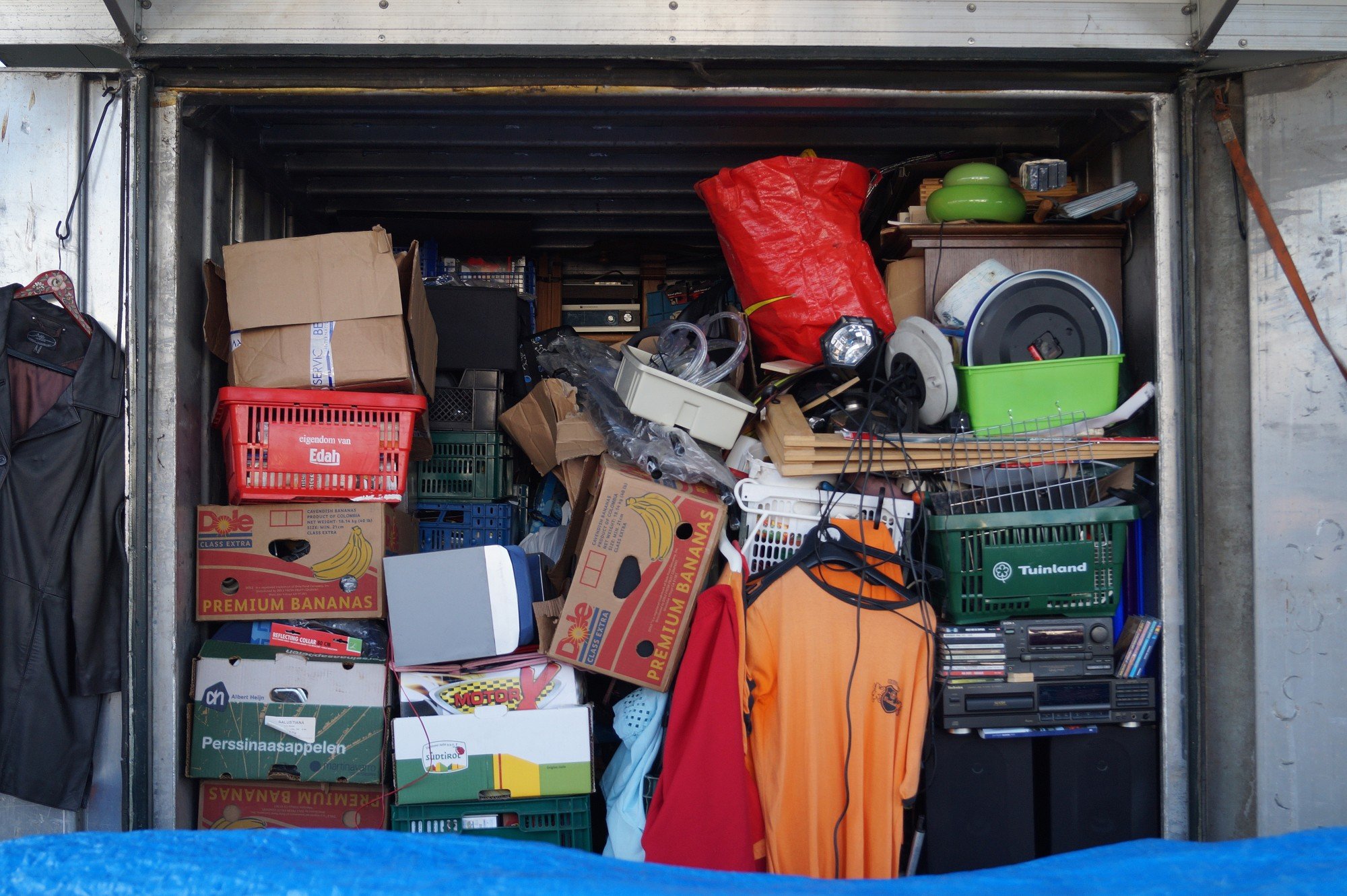
Not everything deserves a permanent spot inside high-cost leased space. Sort inventory and archives by frequency of access, value, and size, and assign the rare or bulky items to external storage.
Choose a local facility to preserve your prime square meters for revenue-generating or team-critical work. Storage facilities like StoreLocal in Kembla Grange hold seasonal stock, event gear, or long-retention records while keeping daily items within arm’s reach. The result is a cleaner floor, faster workflows, and the option to scale storage up or down without touching your lease.
Right-Size Workpoints With Occupancy Math
Occupational density is the usable office area divided by the number of allocated workpoints, and it guides planning for both desks and collaboration areas. When you measure density monthly, you can tighten or loosen seating, neighborhoods, and touchdown spots with confidence. Guidance from the Australian government property planning highlights this density measure as standard practice for space planning.
Use that math to design a spectrum of seats. Mix focus benches, quiet pods, social tables, and standing counters. Calibrate the blend to your actual attendance patterns over a few months, so you avoid paying for empty chairs and still cover peak days.
Plan Flexible Zones and Micro-Footprints
Fixed walls lock you into yesterday’s layout. Instead, define zones with mobile partitions, planter dividers, and rolling whiteboards. You can resize areas in minutes for a product sprint, training session, or seasonal rush. Keep power and data accessible along spines, so setups move without calling contractors.
Organizations are redesigning offices to support varied work modes after several years of change. The big lesson is to treat your leased space like a living system: tune it to how people actually work now, not how they worked last year. Build small but distinct neighborhoods and watch friction fall.
Streamline Circulation and Adjacencies
Every unnecessary step is wasted time. Place receiving near the door, packing beside the inventory, and rubbish points along exit routes. When related tasks sit shoulder to shoulder, teams move less and finish more.
Check aisle widths and turning radii for your largest cart or pallet. Standardize main lanes and mark them clearly, and carve narrow feeder aisles into storage blocks. Short, straight lines reduce collisions and speed picks, and a consistent pattern gives new staff instant spatial intuition.
Shrink the Stuff Before You Grow the Space
You can unlock meters simply by compressing what you store. Convert paper to digital, scan receipts, and archive originals externally if retention rules require it. Repackage smalls into right-size bins so they nest, stack, and label cleanly.
- Standardize container heights so shelves adjust once and hold many SKUs
- Use clear fronts and large numeric labels for faster visual picks
- Put fast movers between knee and shoulder height to boost throughput
- Reserve the bottom bays for heavy items and the top bays for infrequent stock
For offices, trade bulky pedestals for wall-mounted lockers and slim tables. In workshops, use shadow boards and vertical tool rails so benches stay open for actual work.
Track Performance
For space optimization, pick a few metrics that matter, including utilization by zone, pick rate, average meeting attendance, time to receive and put-away, and review them on a monthly schedule. Tie small layout tweaks to those numbers and document before-and-after results.
- Create a one-page space scorecard and post it near team boards
- Run quarterly 30-minute walk-throughs to find emerging clutter
- Tag items with last-used dates so slow movers are obvious
- Keep a running backlog of layout changes and knock off two per month
When your metrics drift, revisit the fundamentals. If density creeps too high, add touchdown spots or rotate attendance. If aisles clog, adjust the adjacency plan or push rarely used items to external storage.
Maximizing a leased footprint is about intention and rhythm. Measure what matters, set flexible boundaries, and keep only the essentials on site. When you work vertically and blend in off-site storage smartly, you turn the space you already pay for into a quiet engine for speed and clarity.