

When your home feels chilly even with the heat turned up, the problem might not be your boiler. Often, it’s trapped air in your radiators.
That air stops hot water from reaching the top, leaving cold spots and making your heating less effective.
The good news? Learning how to bleed a radiator is a quick, safe, and straightforward process that most homeowners can do themselves.
This guide walks you through everything you need to know, from spotting the signs to using the right tools.
You’ll also see advice from real people who’ve done it themselves. By the end, you’ll feel confident in keeping your heating system running smoothly.
Understanding Radiator Bleeding
Before you start, it’s helpful to understand what bleeding really means. It’s the process of releasing trapped air from your radiator, allowing hot water to flow freely again.
Air inside a radiator causes uneven heating and those annoying gurgling noises. By releasing the air, your radiator fills with water properly, heats evenly, and keeps your home warmer.
Signs Your Radiator Needs Attention
It’s not always obvious when your radiators need bleeding. But there are a few everyday things you can check.
- The top of the radiator feels cold while the bottom is hot.
- Strange gurgling, bubbling, or hissing noises come from the radiator.
- The radiator takes a long time to warm up or stays lukewarm.
If you notice these, it’s likely time to bleed. A quick test is to feel the radiator after your heating has been on for a while. Cold spots at the top are the biggest giveaway.
Tools You’ll Need Before You Start
You don’t need a lot of equipment to bleed a radiator. Just a few simple items will keep the process safe and tidy.
Here’s a quick look at what you’ll need:
| Tool | Purpose |
|---|---|
| Radiator bleed key or flat-head screwdriver | Opens the valve to release trapped air |
| Cloth or towel | Protects floors and catches small drips |
| Small container | Collects excess water during bleeding |
| Gloves (optional) | Protects hands from hot parts or sharp edges |
Having these essentials ready makes the job easier and less messy. It also ensures you can focus on the steps without worrying about spills or safety.
Step-by-Step Instructions for Bleeding
Craig Phillips, a DIY expert, shows how easy it can be. Follow these steps carefully, and your radiator will be back to full strength.
1. Check Your Radiator
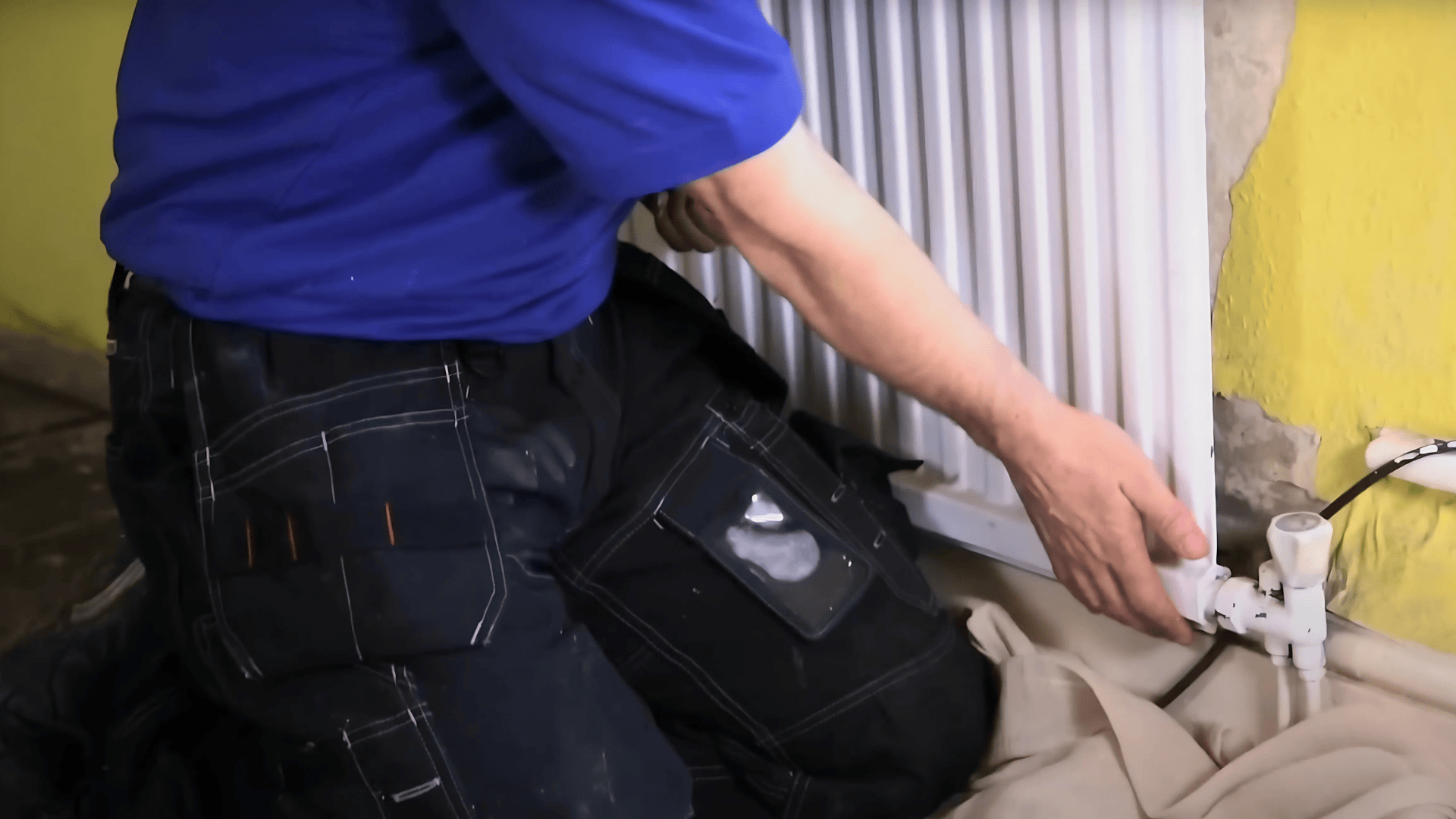
Turn your heating system on high and wait a few minutes. If the bottom feels hot but the top stays cold, there’s air trapped inside.
This is a clear sign that bleeding is needed. Doing this test first ensures you only bleed radiators that genuinely need it.
2. Find the Valve
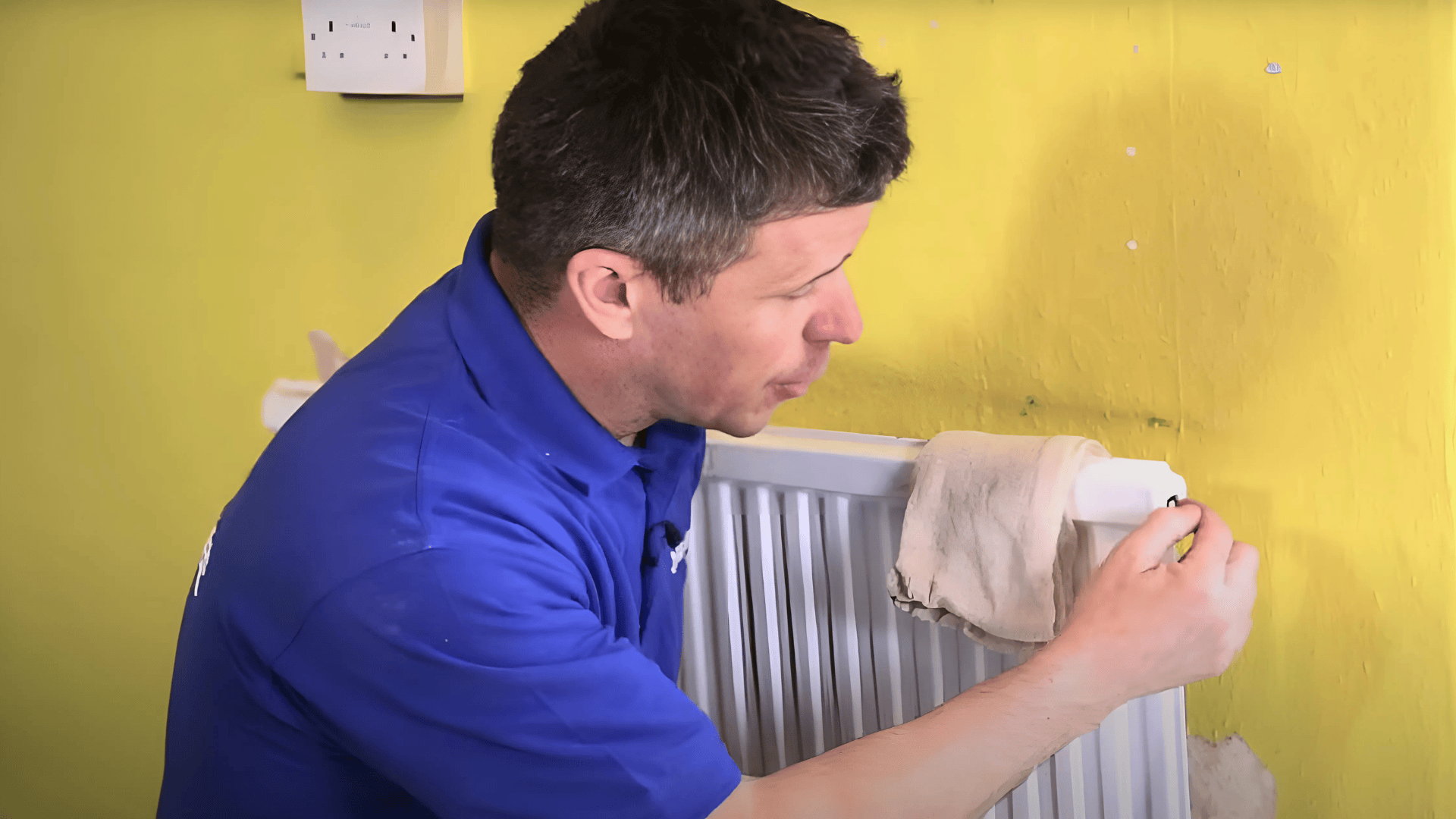
Look at the top corner of your radiator for a small square or slot-shaped valve. Place your cloth or towel beneath it to avoid spills.
Insert the radiator key or screwdriver securely. Knowing the exact location of the valve saves time and prevents mistakes.
3. Open Slowly
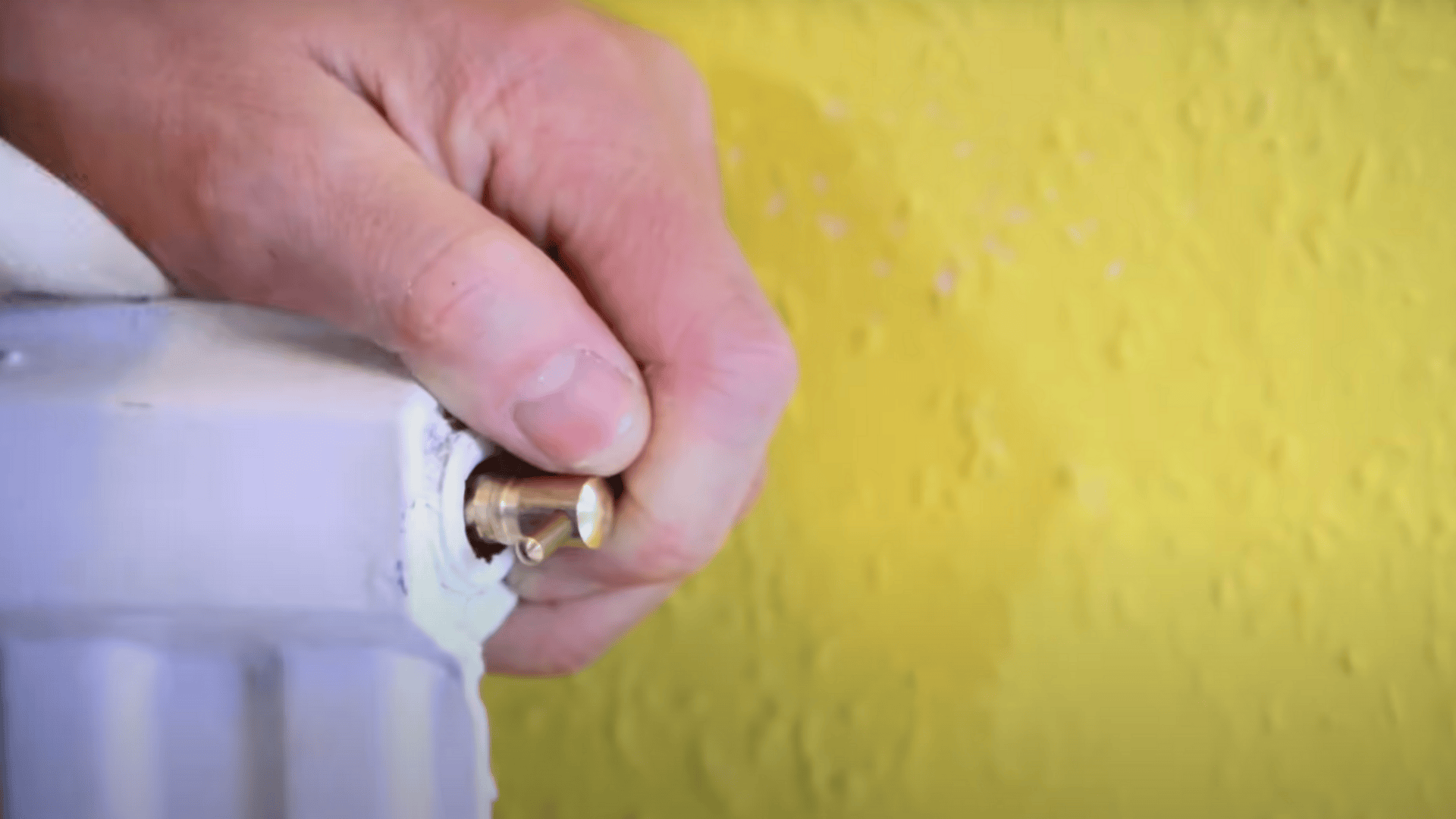
Turn the valve about half a turn counterclockwise. You’ll hear a hissing sound as trapped air escapes. Keep the cloth in place to soak up any small leaks.
Opening the valve slowly gives you more control and prevents water from spraying.
4. Wait for Water
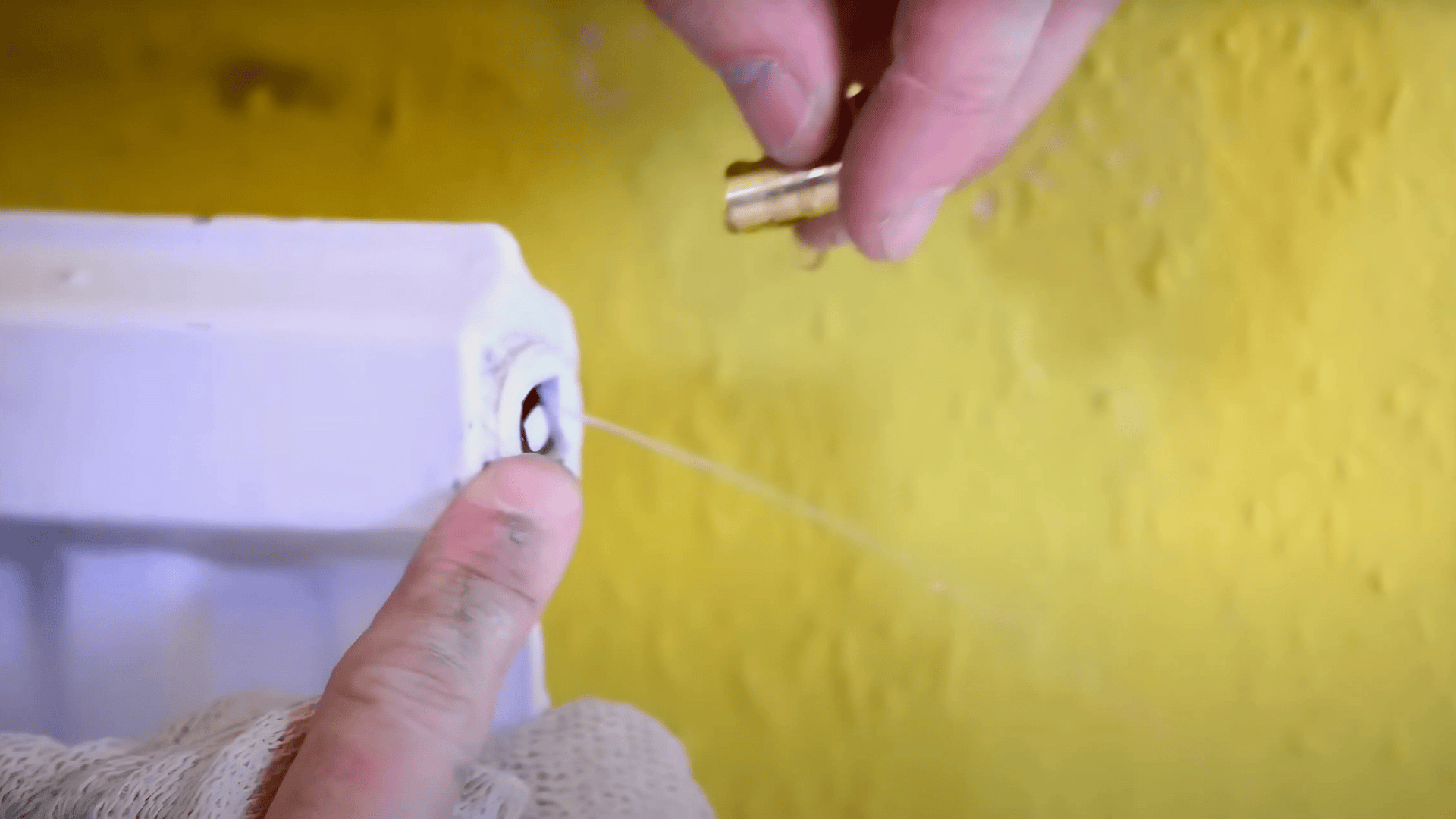
Air release usually takes 20–60 seconds, depending on radiator size. Once water flows steadily without spluttering, the air is gone.
This means your radiator can now fill appropriately with hot water. Be patient, as larger radiators may take a little longer to warm up.
5. Close the Valve
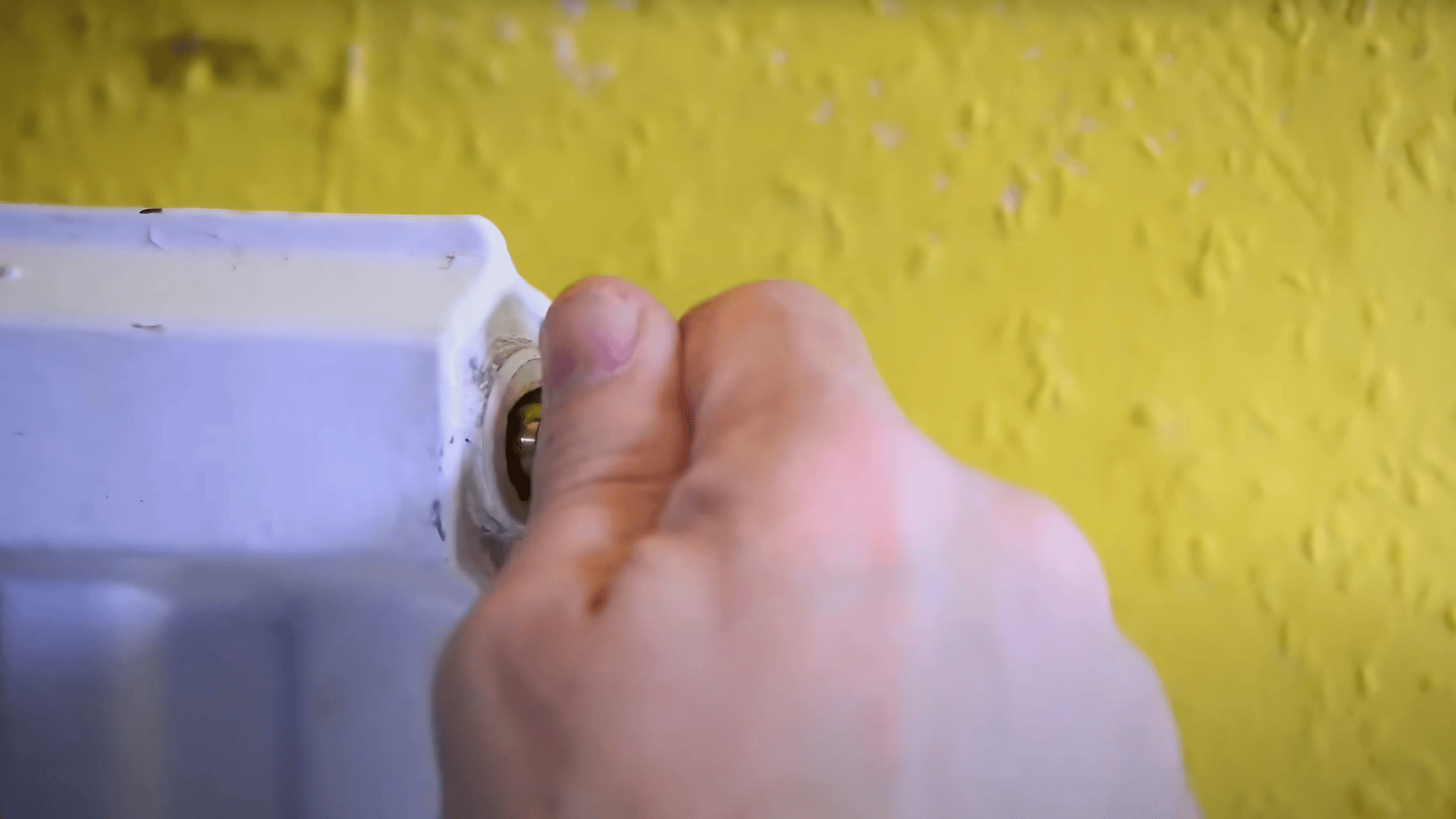
Turn the key clockwise again until the valve is securely in place. Wipe away any moisture with your cloth. Double-check that no water is leaking from the valve.
A tight seal ensures the radiator runs smoothly without dripping.
6. Test Your Radiator
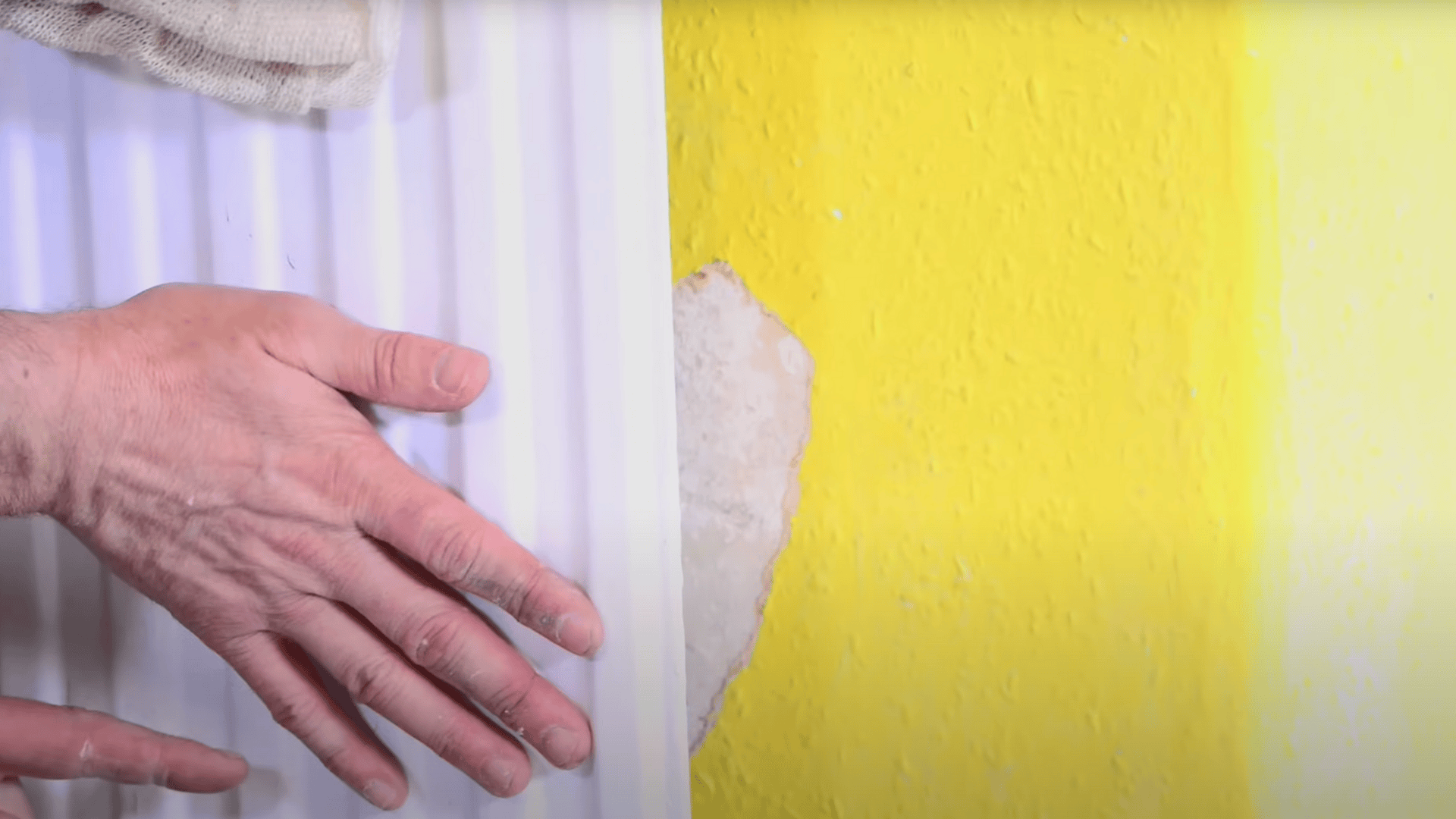
Switch your heating back on and feel the radiator again. It should now heat evenly from bottom to top. If not, repeat the process on this or other radiators in your home.
Even heat across the surface is the best sign you’ve done it right.
How Often Should You Do This?
Bleeding radiators once a year is usually enough. The best time is before autumn, just before heating season begins.
Sometimes, though, you’ll need to do it more often. If you notice cold spots or strange noises, or if you’ve had maintenance work like flushing, bleed the system again.
For vehicles, the process is often referred to as burping a radiator or bleeding the coolant system. This removes air from the car’s cooling system to prevent overheating.
Watch and Learn With a Video
Sometimes reading instructions isn’t enough. That’s when a good video can help.
In fact, we used Craig Phillips’ radiator bleeding video as a reference to clearly explain the steps in this guide.
Watch this video by Silverline Tools to easily understand how to complete the task.
Community Advice and Support for Bleeding Radiators
Sometimes bleeding a radiator doesn’t solve the problem, or you may want extra advice before trying it yourself. That’s where online and local communities can play a role.
- Reddit (r/DIY): Great for step-by-step advice and troubleshooting from people who’ve faced similar issues.
- Home improvement forums (like DIYnot): Focused on plumbing and heating, with plenty of detailed discussions.
- YouTube comments: Many heating engineers and DIYers answer questions directly under video tutorials.
- Facebook groups: Local neighborhood or homeowner groups often have members willing to share tips.
- Manufacturer websites: Many boiler and radiator brands offer support forums or FAQ sections.
These communities are helpful if you want reassurance, a second opinion, or a quick solution without needing to call a professional immediately.
Tips and Insights From Real People
Practical experience often makes the process easier. Here are some helpful lessons from homeowners and car owners who’ve done it before.
- Always check your boiler pressure after bleeding the system. Maintain a pressure above 1 bar for consistent heat.
- Don’t worry if you need to bleed more than once. Older radiators often release more air over time.
- Use a radiator key instead of a screwdriver for better control and less damage to the valve.
- For cars, park on a slope, run the engine warm, and top up coolant carefully while releasing air.
- If problems persist after bleeding, such as pressure drops or loud noises, call a professional to inspect for leaks or faulty parts.
Wrapping It All Up
Bleeding a radiator may sound like a technical task, but it’s actually a simple way to improve your home’s heating efficiency. Cold spots, gurgling noises, and uneven warmth are all signs it’s time to act.
With just a key, a cloth, and a few minutes of patience, you can resolve the issue and improve the efficiency of your heating system.
For cars, the same principle applies – learning how to burp a radiator or carrying out bleeding steps for the coolant system can protect your engine and save money on repairs.
So don’t wait for winter chills or wasted energy. Check your radiators today, release trapped air, and enjoy the comfort of even, reliable heat.
Ready to take action? Grab your radiator key and give your home the warmth it deserves.