
Small home problems have a sneaky habit of getting expensive. A faint drip under the sink can rot cabinet wood. A clogged HVAC filter can put extra strain on the system until a simple service call turns into a major repair. Drafty windows can push your heating and cooling to work harder every day, quietly raising bills while making rooms feel uneven.
Home efficiency is often treated like a big project, yet the basics usually come down to a short list of simple fixes done at the right time. This guide focuses on the practical stuff that protects your home and lowers energy waste without making your weekend disappear.
Start With an Efficiency Walkthrough
A quick walkthrough gives you direction, so you stop guessing and start fixing what matters. Plan to take fifteen minutes and look at your home like an inspector would, room by room. Pay attention to places where comfort feels off.
A flashlight helps you spot cracks around trim, baseboards, and utility openings. A tissue or thin strip of paper can reveal drafts near windows and exterior doors. Hold it close to the frame and watch for movement.
Thermostat Settings That Match Real Life
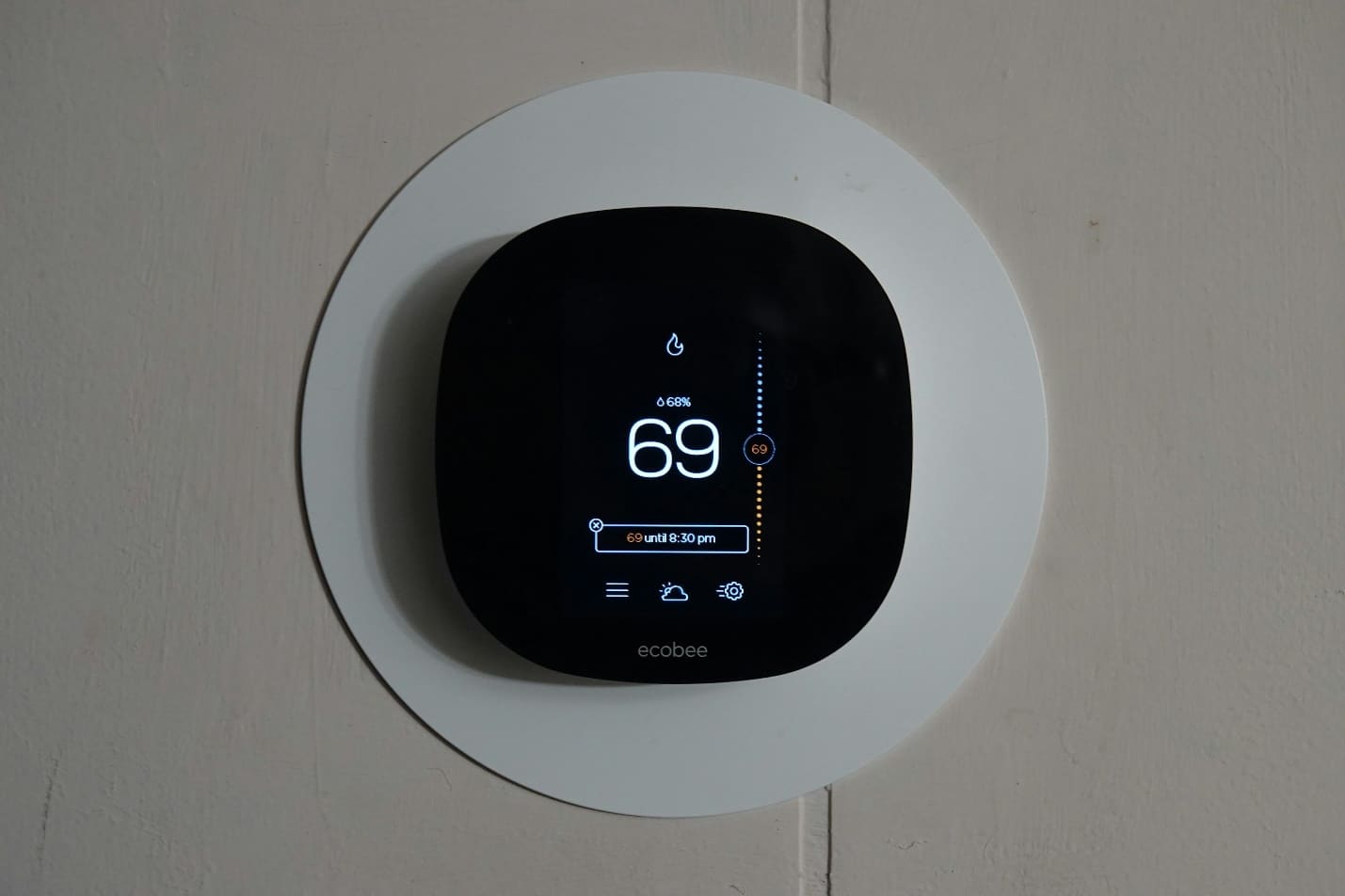
Heating and cooling often make up the biggest chunk of your energy bill, so thermostat habits deserve attention. Settings should fit your routine, not the other way around. An empty home for hours doesn’t need the same temperature as a busy one, and a steady plan keeps comfort predictable. Small changes work best. Shift the temperature one degree, stick with it for a week, then adjust again if needed.
Cooler nights in winter and slightly warmer summer afternoons can reduce strain without making the house feel uncomfortable. Once the schedule matches real life, a simple upgrade can sharpen the results. You can upgrade to a new thermostat to help your HVAC system run more efficiently – often without any other home upgrades. Choose one with clear scheduling you’ll use.
Air Leaks Around Doors and Windows
Air leaks waste energy in a slow, steady way. Conditioned air slips out, and outdoor air sneaks in, then your HVAC system works overtime to keep up. Drafts also make a room feel uncomfortable, which leads many households to crank the thermostat higher or lower than necessary.
Focus on the spots that move with the seasons: exterior doors, window frames, and older trim. Weatherstripping that looks flattened or cracked usually needs replacement. Door sweeps can loosen over time, leaving a gap that creates a cold stripe across the floor in winter. Caulk around windows can also dry out and separate, especially on sun-facing sides of the home.
HVAC Filters and Vents That Stay Clear
A clean HVAC filter supports airflow, and airflow is what your system needs to run efficiently. A dirty filter forces the equipment to work harder, which can raise energy costs and increase wear. Comfort also suffers, since restricted airflow can leave some rooms underheated or overcooled.
Check the filter regularly, especially during peak heating and cooling seasons. Many homes do well with a replacement every one to three months, though pets and dusty environments can shorten that timeline. Keep a spare filter on hand, since convenience makes consistency more likely. Writing the replacement date on the filter frame can help you stay on track.
Insulation Checks That Don’t Require a Full Remodel
Insulation supports efficiency by slowing down heat transfer. The attic tends to be the biggest opportunity, since it often acts like a pressure point for temperature swings. Warm air rises in winter, and heat from the roof pushes downward in summer. Even small gaps can undermine insulation performance.
Look for easy targets first. An attic hatch or pull-down stairs can leak air if the seal is poor. Weatherstripping around the opening helps, and an insulated cover can reduce heat loss. Small penetrations around plumbing or wiring can also let air pass between the attic and living space.
Hot Water Efficiency in the Bathroom and Kitchen
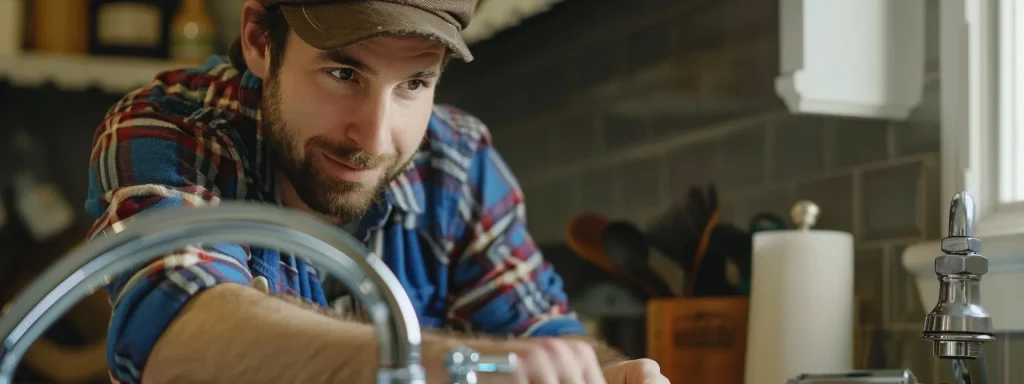
Hot water waste shows up in two places: the utility bill and the wear on your plumbing fixtures. Small leaks and outdated fixtures keep the cost running in the background all day. Start with the obvious checks. Look under sinks for moisture, feel around shutoff valves, and listen for toilets that refill when nobody has flushed.
Showerheads and faucet aerators also matter. Modern low-flow options can reduce water use while still feeling comfortable, especially when water pressure is steady. Aerators are a quick win in the kitchen and bathroom because they install in minutes and cut waste during routine handwashing and dish rinsing.
Appliances and Lighting That Stop Wasting Power
Appliances can quietly drain energy even when they seem “off.” Electronics, chargers, and entertainment setups often pull standby power around the clock. A simple fix starts with awareness. Walk through your home in the evening and notice what stays lit, warm, or humming.
Lighting is one of the easiest upgrades because the effort is small and the results are steady. LED bulbs use far less electricity than older bulbs and tend to last longer, so you replace them less often. Swap the most-used lights first, such as kitchen ceiling fixtures, living room lamps, and hallway lights.
Moisture Control and Ventilation That Protect the Home
Moisture problems can undo efficiency gains and cause damage that costs far more than the original fix. Damp air makes cooling feel less effective, and hidden leaks can lead to mold, peeling paint, and warped materials. Ventilation keeps moisture under control, especially in bathrooms and kitchens where steam builds quickly.
Bathroom exhaust fans should run during showers and continue for a short time afterward. Fan covers can clog with dust, so cleaning them helps the fan move air properly. Kitchen ventilation matters too, since cooking releases heat, moisture, and particles that linger without airflow.
Home efficiency starts with the small stuff that people tend to ignore. Air leaks, dirty filters, and minor plumbing issues seem harmless until they press your systems to work harder and fail sooner. Simple maintenance keeps energy waste in check while protecting the parts of the home that are expensive to repair.
A practical plan helps this stick. Pick two fixes that are easy to complete this week, such as sealing a drafty door and replacing the HVAC filter. Add one ongoing habit, like checking for leaks each month or running bathroom fans consistently. These small moves build a home that feels stable, costs less to run, and avoids the slow slide into costly repairs.