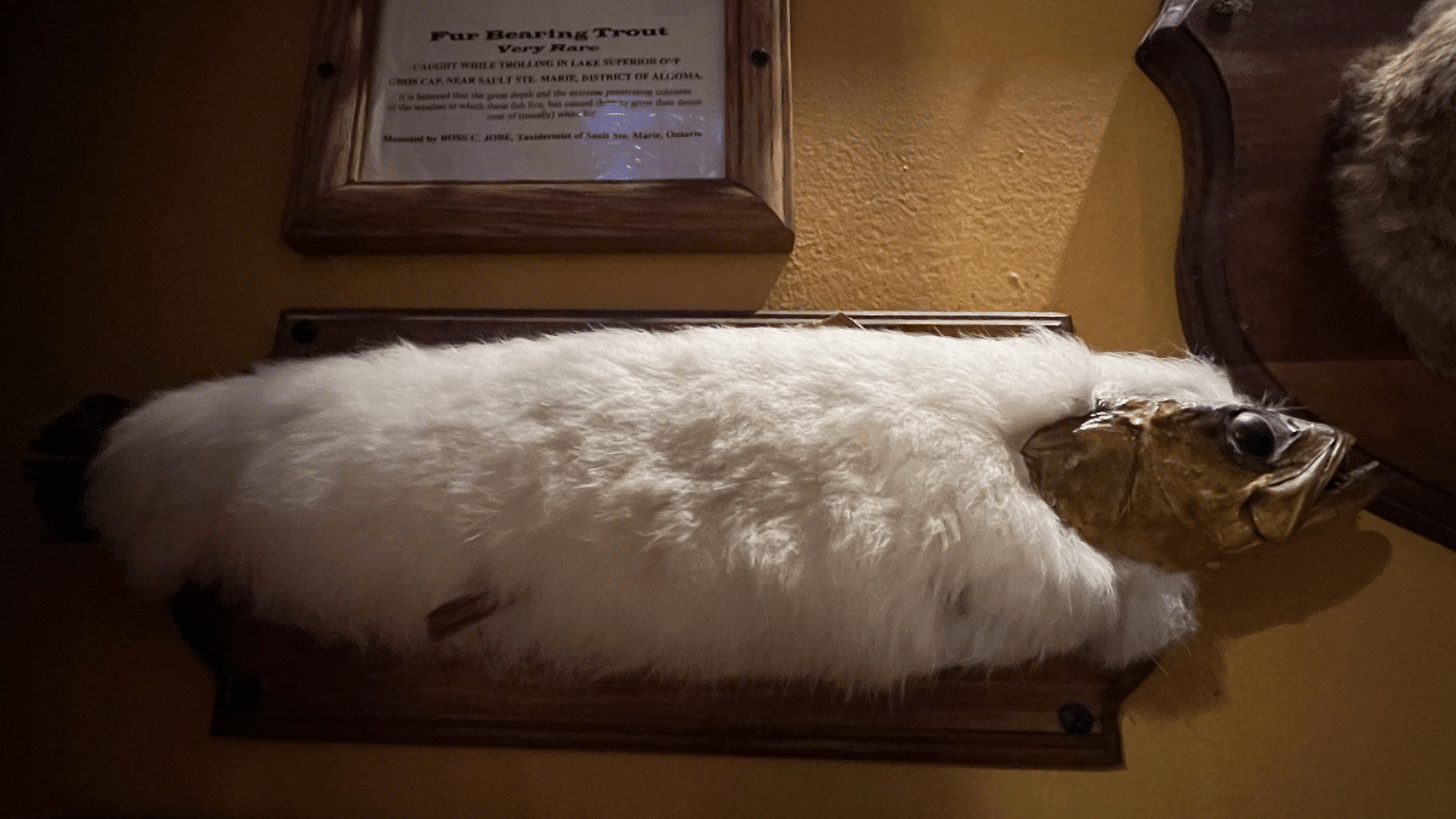

Ever heard someone tell a tall tale about catching a fish covered in fur?
You might have rolled your eyes and assumed they’d been out in the sun too long!
But the fur-bearing trout is actually one of those stories that sits right on the edge between myth and reality.
These allegedly furry fish have been part of folklore for decades, especially in colder regions where anglers swear they’ve seen trout with actual fur coats.
But is there any truth to these wild claims, or is it just another fishy story?
Let’s get into this wild mystery!
Folklore Origins: From Settlers to Shaggy Salmon
The roots of the fur-bearing trout story are tangled in old folklore and imagination.
Way back in the 1600s, Scottish settlers wrote home about seeing strange, “furried” creatures in the forest and, yes, even in the water!
In Iceland, people tell tales of a furry trout called Loðsilungur, created by demons as a kind of punishment.
Then, there are funny local stories about people spilling hair tonic into a river, prompting the fish to start growing thick fur.
Each twist on the legend added a new layer of fun to the trout’s story.
Science Behind the Story
While the legend sounds wild, science offers some fascinating clues that may explain how the myth of the furry trout began.
- No real fur on trout: There’s no biological mechanism for fish to grow mammal-like fur.
- Fuzzy coating from illness: Sick fish can develop a fuzzy-looking layer caused by the freshwater fungus Saprolegnia, which thrives on injured or stressed fish.
- Not actually hair: The “fuzz” is made of fungal filaments, not real hair or fur.
- Rare fish with hair-like growths: The Mirapinna esau has unusual, filament-like extensions on its fins, but it’s a deep-sea species, not related to trout.
- Possible inspiration for the myth: Fishermen encountering sick, fungus-covered trout may have mistaken them for “furry trout.”
- Cold-water exaggerations: Harsh winters and icy rivers in trout habitats may have motivated tall tales about fish “growing coats” to survive.
- Folklore factor: Stories like the furry trout spread through word of mouth, often growing more exaggerated with each telling.
Cultural Significance and Enduring Appeal
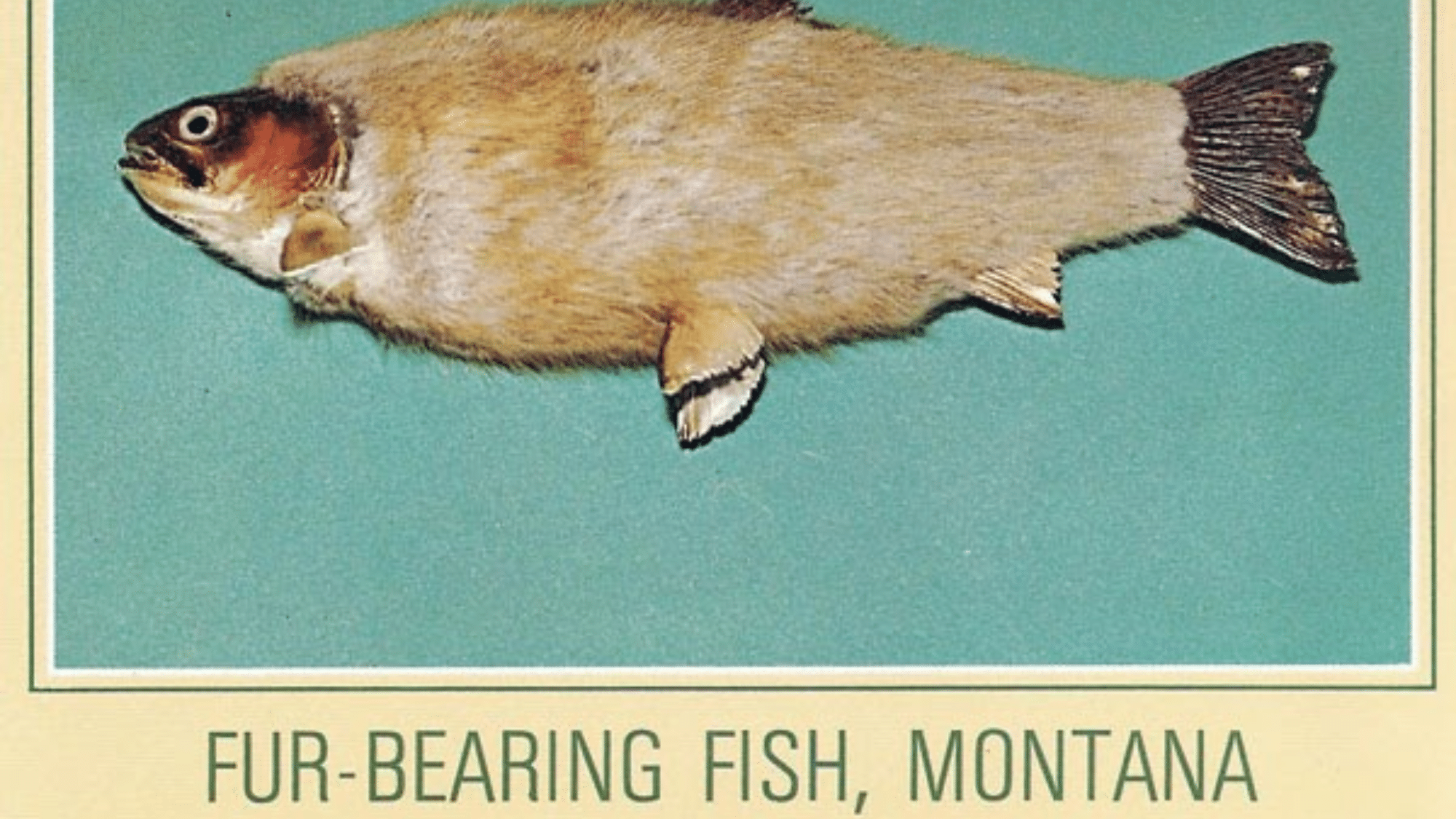
Why do stories about fur-bearing trout stick around? For one, they’re funny!
These stories are part of North American and Icelandic traditions of tall tales, wild stories meant to make people laugh and wonder.
Museums, roadside attractions, and even Ripley’s Believe It or Not! have all helped keep the legend alive.
The fuzzy trout is a symbol of community, curiosity, and our love for spinning an unbelievable yarn.
Fun Facts About the Fur-Bearing Trout
This quirky creature has swum its way through folklore, museums, and pop culture, blurring the line between prank and legend.
- Museum Oddities: Many “fur-bearing trout” on display in museums or roadside attractions are actually regular trout with rabbit fur or fake pelts artfully attached.
- Postcard Pranks: In the early 20th century, postcards showing furry fish were a hit in tourist towns. These postcards were often paired with tall tales to amuse and trick out-of-towners.
- Pop Culture Cameo: The fur-bearing trout has appeared in books, cartoons, and even as a featured oddity on Ripley’s Believe It or Not!, making it a true pop culture cryptid.
Wrapping It Up
So, is the fur-bearing trout real? Not really!
While there’s no actual fish swimming around with a fur coat, the stories aren’t totally made up.
Those rare fungal infections and creative taxidermists have given us just enough proof to keep this fun legend going.
Sometimes the best stories are the ones that mix a little truth with a lot of imagination.
The idea of a furry fish is pretty entertaining, even if it’s not real!
What do you think? Have you ever heard any crazy fishing stories that seemed too wild to believe?