


The 1930s were shaped by uncertainty, economic hardship, and the rise of powerful political myths that helped extremists seize control across Europe.
These dangerous falsehoods often drew on personal histories, cultural symbols, and artistic expressions that reflected deeper frustrations with society.
Even Hitler’s early artworks revealed the rigid thinking and romantic nationalism that would later fuel extremist ideology.
These myths weren’t just lies but carefully crafted tools designed to manipulate emotions, simplify complex problems, and justify horrific actions.
Understanding how these toxic narratives took hold helps us recognize similar patterns today and defend against propaganda that seeks to divide and control societies through fear and hatred.
The Rise of Dangerous Political Myths
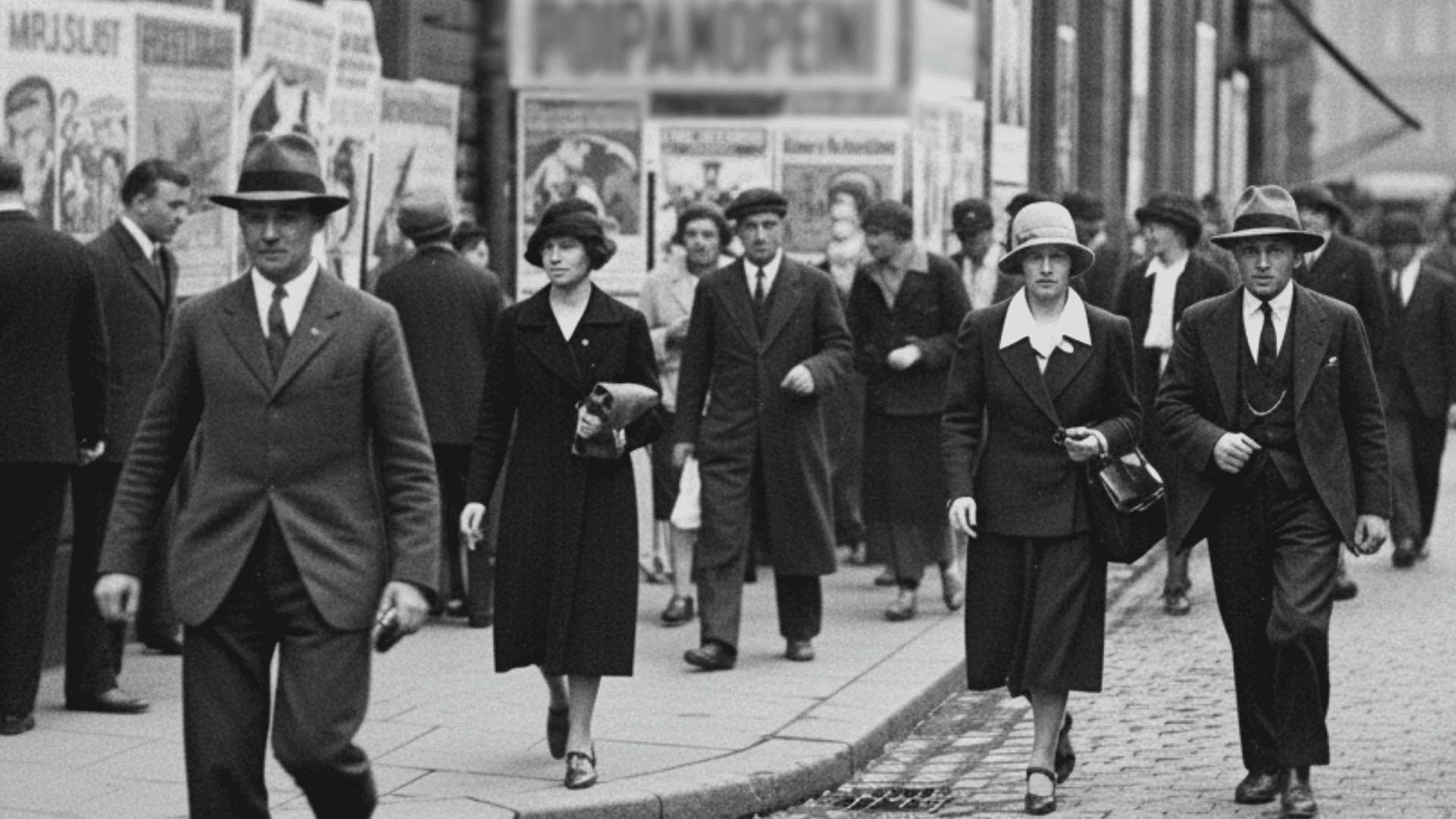
The 1930s were a turbulent decade marked by economic hardship, political instability, and the rise of extremist ideologies, especially in Europe.
One of the main drivers behind this dangerous political shift was the spread of powerful myths and falsehoods.
These myths exploited fears, justified violent policies, and built strong “us versus them” mentalities.
By understanding these five key political myths from the 1930s, we can better recognize how extremist movements grow and how societies might guard against similar manipulation today.
1. The Myth of the “Stabbed-in-the-Back” Nation
After World War I, many Germans refused to accept that their military had been defeated on the battlefield.
Instead, they embraced the “stabbed-in-the-back” myth, which blamed Germany’s loss on betrayal by traitors at home.
This false narrative targeted Jews, socialists, and communists as the supposed culprits behind Germany’s defeat and the harsh Treaty of Versailles.
The myth was particularly appealing because it offered simple explanations for complex problems.
Extremist groups like the Nazis expertly exploited this resentment, using the betrayal narrative to rally nationalist support and justify antisemitic policies.
This dangerous falsehood turned military defeat into a story of victimization, making Germans feel justified in seeking revenge against those they blamed for their suffering.
2. The Myth of Racial Purity and Superiority
Central to Nazi ideology was the scientifically false belief that the “Aryan” race was naturally superior to all others.
These racist ideas weren’t entirely original; young Hitler had absorbed similar theories during his formative years in Vienna, where politicians like Karl Lueger used anti-Semitic rhetoric to gain political power
This myth claimed that Germans had a sacred duty to protect their racial purity and eliminate supposedly inferior peoples from their society.
The Nazis supported this lie with pseudoscientific racial theories and endless propaganda depicting Jews, Romani people, disabled individuals, and others as dangerous threats to German civilization.
This myth was perhaps the most deadly of all, as it directly justified exclusion, persecution, and ultimately genocide.
3. The Myth of Communist Conspiracy
Fear of Communism spread rapidly after the Russian Revolution, and the Nazis skillfully exploited these anxieties.
They promoted the myth that Communists, often linked with Jewish people, were part of a global conspiracy aimed at destroying Germany and Western civilization.
This propaganda served multiple purposes: it increased political polarization, justified brutal crackdowns on leftist movements, and labor unions.
By connecting communism to antisemitic stereotypes, the Nazis created a powerful narrative that appealed to middle-class Germans who feared both economic instability and social change.
4. The Myth of a Victimized, Peace-Loving Germany
Despite aggressive militarization and territorial expansion, Nazi propaganda consistently portrayed Germany as a peaceful nation forced to defend itself against hostile powers and unfair international treaties. This victim narrative served to justify war while maintaining support at home.
The myth concealed the regime’s actual aggressive ambitions while presenting every military action as defensive and necessary.
This false narrative also attempted to influence international opinion, portraying Germany’s actions as reasonable responses to provocation rather than unprovoked aggression.
It demonstrated how extremist regimes often present themselves as victims even while committing atrocities.
5. The Myth of National Unity Under the Nazi Party
The Nazis promoted the idea that their party represented the true will of all German people, transcending traditional political divisions and conflicts.
Through massive propaganda campaigns, they created an image of a unified “national community” that supposedly included all true Germans.
The propaganda machine worked constantly to create the appearance of universal support, using rallies, parades, and media to suggest that opposing the Nazis meant opposing Germany itself.
The unity myth was particularly insidious because it made resistance seem not just dangerous but unpatriotic, pressuring citizens to conform and participate in celebrating Nazi ideals.
Why These Myths Matter Today
These five political myths from the 1930s reveal old tactics that extremist movements continue to use today.
- Exploiting fear and uncertainty: Dangerous leaders exploit fear, resentment, and uncertainty to gain power and justify terrible actions
- Simple answers to complex problems: Extremist myths provide simple answers to complex problems while identifying convenient scapegoats
- False promises of restoration: False narratives promise restoration of past greatness through the elimination of supposed enemies
- Blaming minority groups: When politicians blame minority groups for economic problems, we should recognize these historical patterns
- Playing the victim: Leaders who present themselves as victims while attacking others use familiar extremist strategies
Protecting Democracy from Dangerous Myths
The five political myths of the 1930s were betrayal narratives, racial superiority claims, communist conspiracy theories, victimhood propaganda, and false unity promises.
Each served to manipulate public emotions and justify extremist actions. These dangerous falsehoods didn’t appear overnight but grew from existing social tensions and fears.
Today, we must remain vigilant against similar tactics that seek to divide communities through scapegoating and hatred.
Critical thinking, media literacy, and historical awareness remain our strongest defenses.
What examples of these dangerous myths do you see in today’s political climate? Share your thoughts in the comments below.