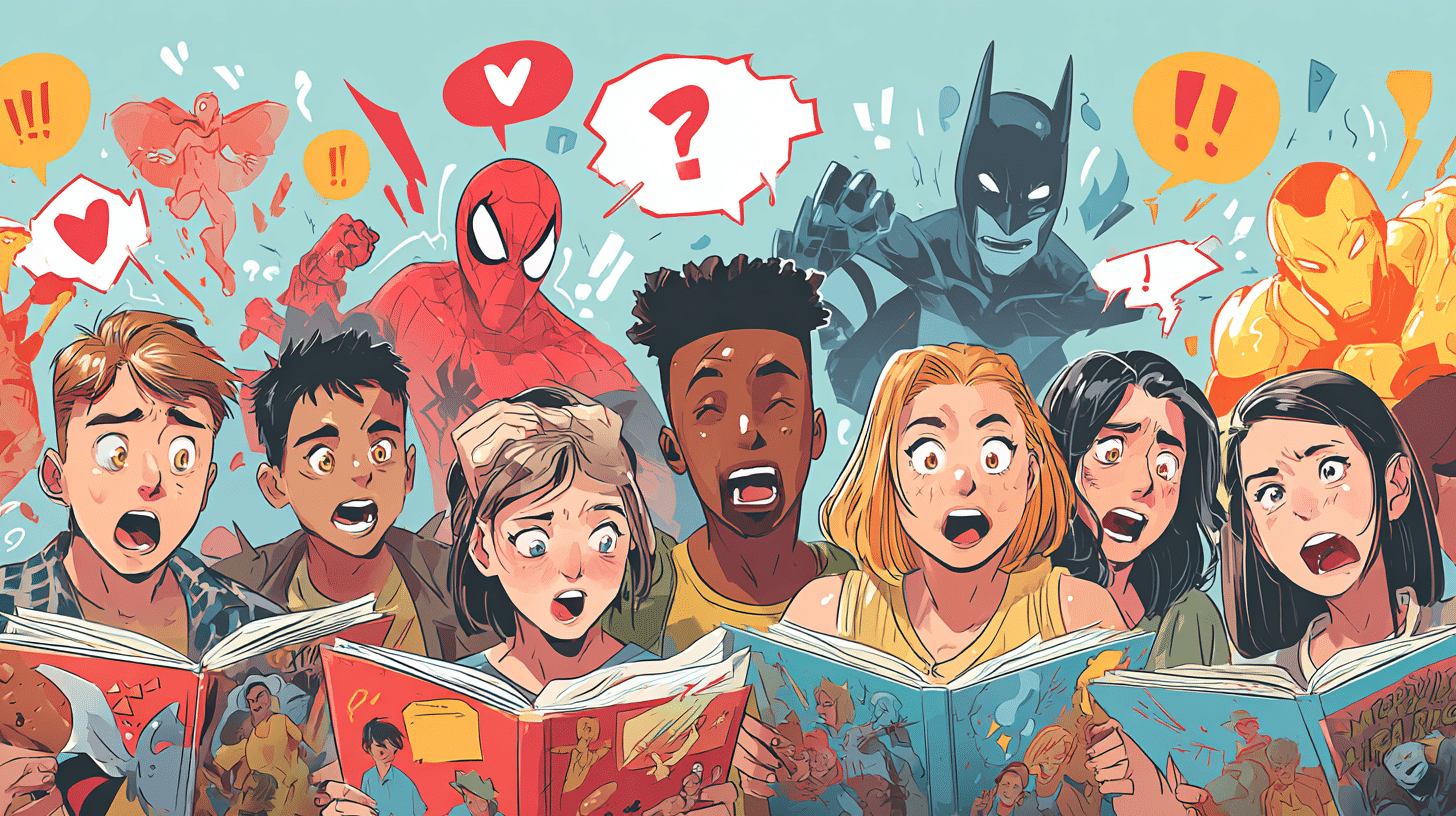

What happens when your favorite superhero suddenly becomes someone completely different? Comic book fans know this feeling all too well.
When writers change a beloved character’s story, personality, or identity, the reactions can be explosive. Some fans cheer for fresh storylines and better representation.
Others feel like their childhood heroes are being stolen away. The recent changes to Tim Drake’s character in DC Comics show just how intense these reactions can be.
Let’s find out why fans react so strongly and what it means for the future of comics.
How Comic Characters Keep Changing
Comic book heroes never stay the same for long. Writers constantly update their stories to keep readers interested and reflect what’s happening in the real world.
These changes happen because comics need to stay fresh and connect with new generations of readers. What worked in the 1960s might not make sense today.
Sometimes characters get new powers or lose old ones. Other times, their personalities shift or their backgrounds get completely rewritten.
Tim Drake’s recent coming-out storyshows just how personal these changes can become for fans. Writers might change who they’re friends with, who they fight, or even their core beliefs.
The tricky part is keeping long-time fans happy while attracting new readers. Publishers walk a fine line between honoring the past and welcoming the future.
Tim Drake’s Story: A Perfect Example
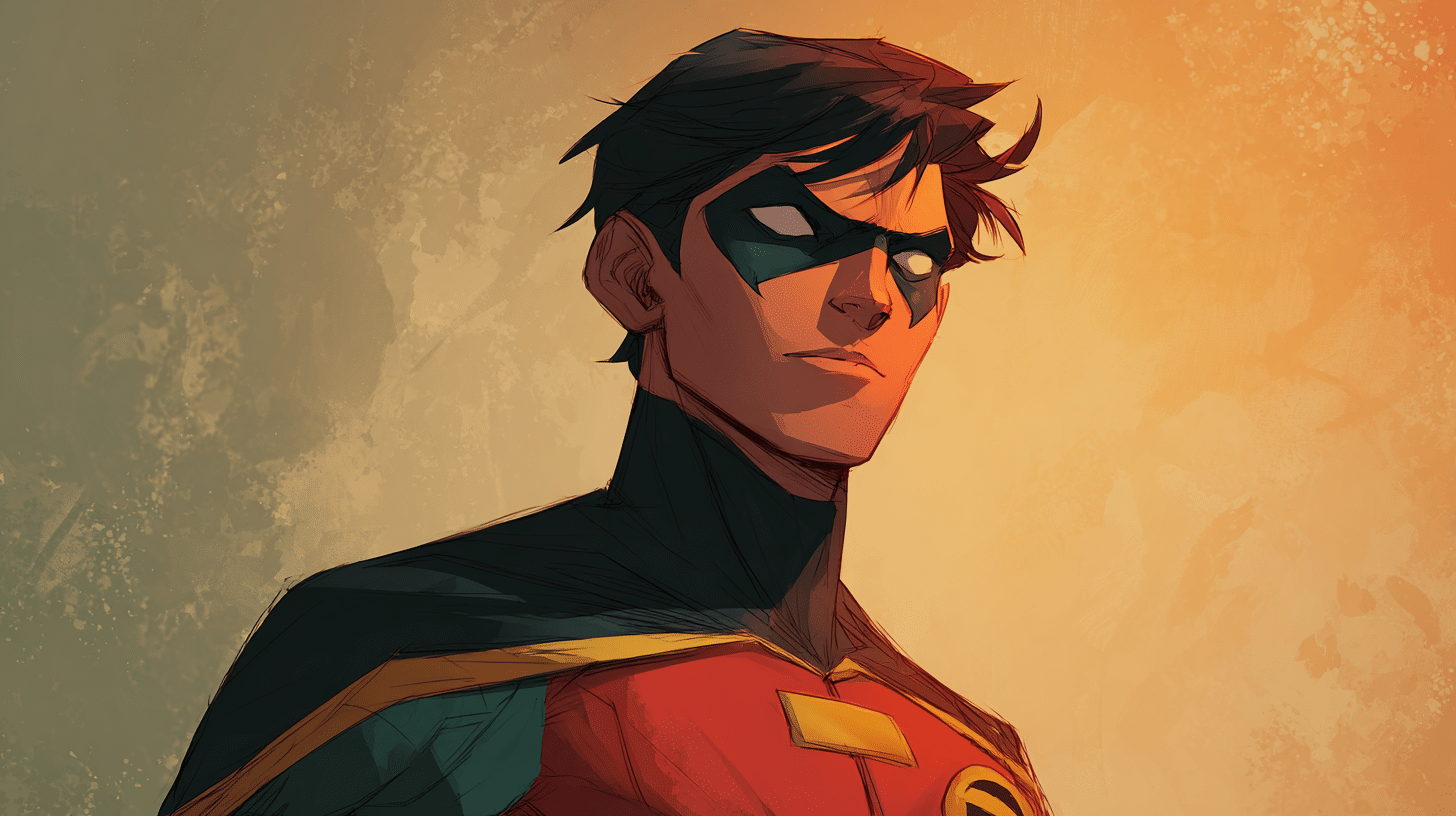
Tim Drake, better known asthe third Robin, shows us exactly how character changes can split fans down the middle. Since the late 1980s, Tim has been Batman’s sidekick and a fan favorite.
For decades, Tim dated female characters and seemed straight to most readers. Then DC Comics made a big announcement: Tim Drake is bisexual.
This change didn’t happen overnight. Recent comic stories showed Tim finding his identity and eventually coming out.
He started dating a male character named Bernard, marking a major shift in his personal life.
Fans Who Loved the Change
Many fans celebrated Tim’s coming-out story. They saw it as a long-overdue representation for LGBTQ+ readers who rarely see themselves in superhero comics.
These supporters felt the change made sense for Tim’s character.
They pointed out that his sexuality was never explicitly defined before, so this felt like a natural evolution rather than a complete rewrite.
Fans Who Didn’t Like It
Other fans weren’t happy with the change. Some felt it went against Tim’s previous relationships and character history. They worried that DC was changing characters just to follow social trends.
These critics often said they had nothing against LGBTQ+ characters but wanted new characters created instead of changing existing ones.
Some felt like their version of Tim Drake was being erased.
Why Fans React So Strongly
Fan reactions to character changes are intense because these heroes mean so much to people. There are several reasons why emotions run high.
Comic book characters become part of people’s lives in ways that other fictional characters don’t. Readers follow their stories for years or even decades.
Deep Personal Connections
Many fans come across their favorite characters as kids and grow up with them. These heroes become symbols of hope, strength, or personal values. When characters change dramatically, it can feel like losing an old friend.
Questions About Representation
Changes involving diversity and inclusion hit especially close to home. Positive representation can make readers feel seen and valued. But sudden changes might feel forced or insincere to others.
Worries About Story Quality
Fans want changes that make sense within the story. If a character’s evolution feels rushed or poorly explained, readers might reject it entirely. Good storytelling requires building up to major changes gradually.
What This Means for Future Comics
Comic publishers are learning how to handle character changes more carefully. They’re finding ways to evolve characters while keeping most fans on board.
The key is to take time to build changes naturally within the story, rather than making sudden announcements that shock readers.
Publishers are also hiring more diverse writers and artists. When creators share backgrounds with the characters they’re writing, the stories feel more authentic and less like marketing moves.
Another solution is creating multiple versions of characters across different comic lines. This way, fans can choose the version they prefer while still allowing for new interpretations.
Moving Forward
The heated debates around Tim Drake’s sexuality reveal something important about comic book culture.
These characters matter deeply to millions of readers around the world. When done thoughtfully, character changes can create more inclusive stories that welcome new fans while respecting longtime readers.
The future of comics depends on finding this balance between honoring the past and welcoming progress.
What matters most is telling great stories that connect with people from all walks of life.
Share your thoughts on Tim Drake’s evolution in the comments below!