
Fall is more than just pumpkin spice and cozy sweaters – it’s a season packed with fascinating surprises. From floating pumpkins to migrating butterflies, the facts about fall reveal how remarkable this time of year truly is.
The science behind changing leaves, the traditions celebrated worldwide, and the way animals prepare for winter all make autumn incredibly special. You might think you know everything about fall, but get ready to learn something new.
These facts will help you appreciate the season in ways you never expected and give you plenty of conversation starters for your next gathering.
Why Fall Is So Special?
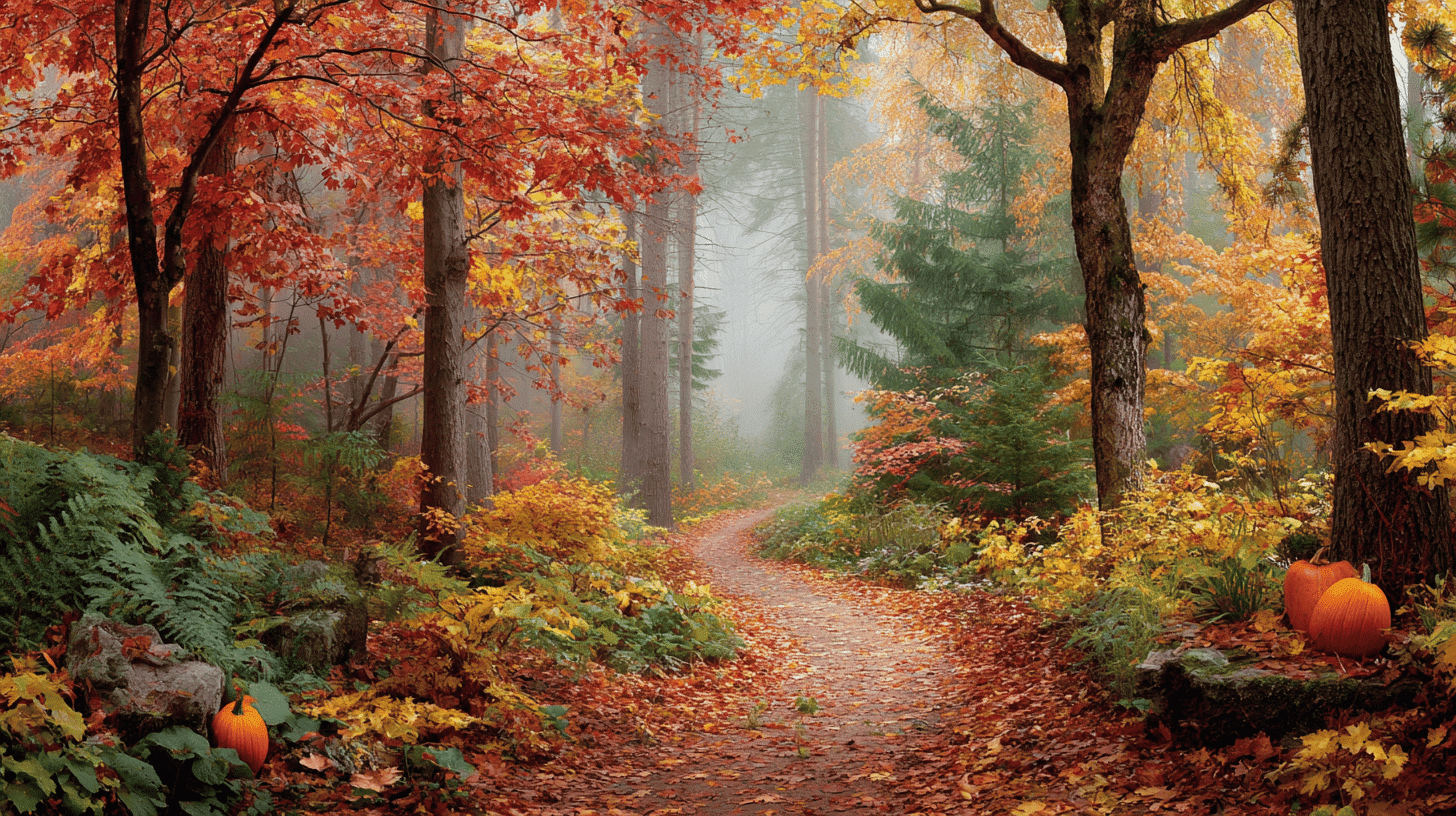
Fall holds a special magic that touches our senses. As temperatures drop, trees begin their color show. The green chlorophyll in leaves breaks down, revealing the hidden yellows, oranges, and reds that were there all along.
This natural process creates landscapes that look like paintings come to life. Beyond the science, fall brings people together through harvest festivals, cozy gatherings, and traditional celebrations.
The crisp air and changing scenery inspire us to slow down and appreciate nature’s cycles.
From pumpkin patches to corn mazes, this season blends natural beauty with cultural traditions passed down through generations, making it truly one of a kind.
Fun Facts About Fall
Fall is full of surprises that go beyond the changing leaves and cooler temperatures. This season has some truly unusual and interesting facts that most people don’t know about.
Here are some fun facts that show just how mesmerizing fall really is:
1. Pumpkins Can Actually Float!
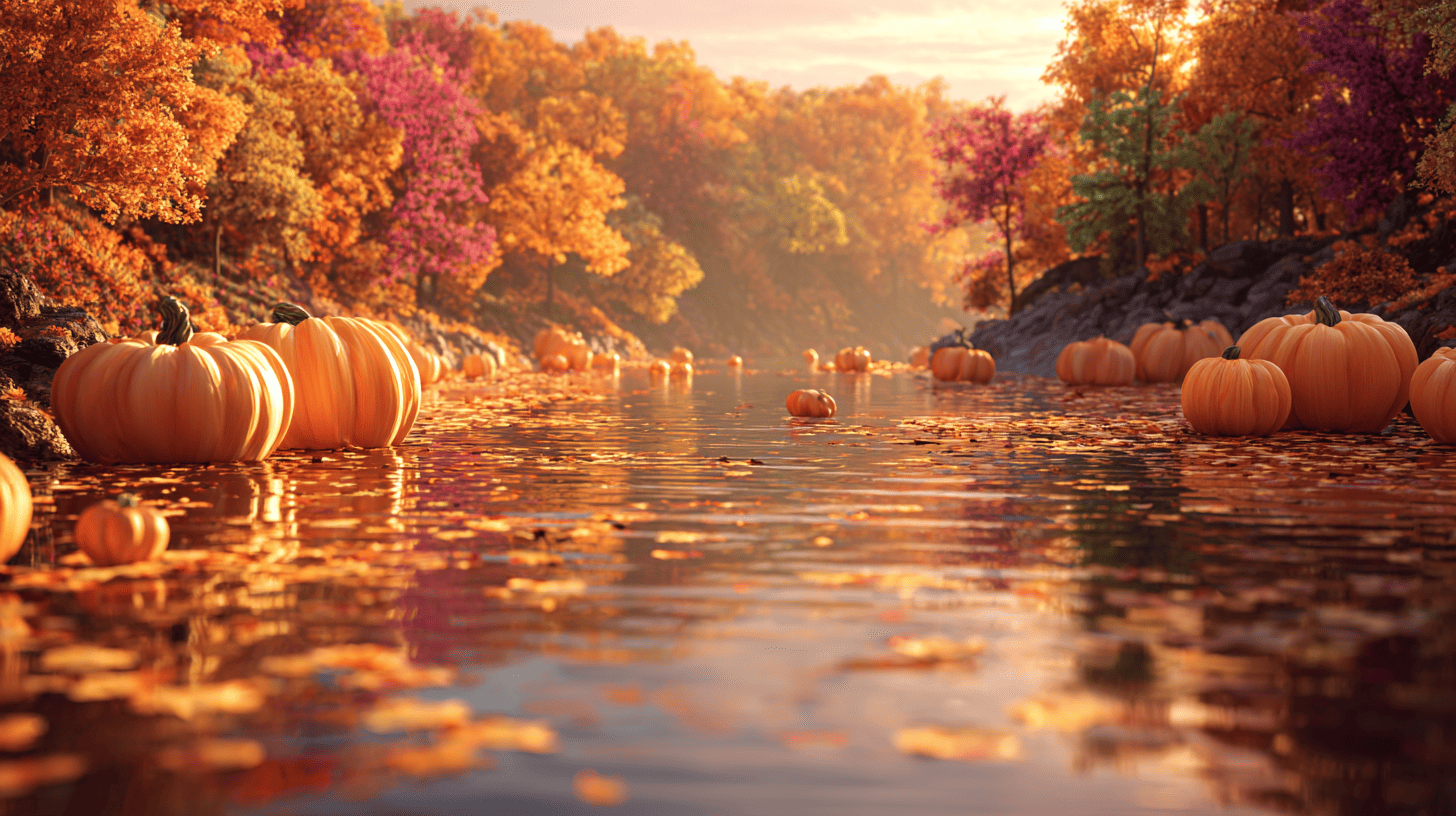
Pumpkins are made up of about 90% water, which makes them surprisingly buoyant.
Their hollow structure allows them to float just like a small boat on the surface of water. Some towns even hold fun pumpkin regatta races where people carve out giant pumpkins and paddle them across lakes or rivers.
2. Fall Used To Be Called “Harvest”
Before the word “fall” became popular in the 1600s, this season was known as “Harvest.” It marked the time when crops were gathered and communities celebrated abundance before winter arrived.
The term “fall” came later, inspired by the falling leaves that beautifully marked the changing season.
3. The Sound Of Crunching Leaves Is Science At Work
That satisfying crunch you hear underfoot during autumn walks is caused by leaves drying out.
As moisture leaves their cells, air pockets form, making them brittle. When you step on them, those tiny pockets collapse, producing that crisp, familiar sound that so many people love about fall days.
4. Apples Are The Most Popular Fall Fruit
Apples ripen in the fall, making them among the most harvested fruits of the season. There are more than 7,500 varieties grown worldwide, each with its own taste and texture.
From apple pies and cider to simple snacks, these fruits are at their peak of flavor during autumn.
5. Some Trees “Talk” Before Shedding Leaves
Before losing their leaves, trees send chemical signals that stop chlorophyll production.
This signal triggers the stunning color change we see in fall. Once the process ends, the leaves detach and fall, helping the tree conserve energy for the cold months ahead – a quiet but remarkable survival strategy.
6. Squirrels Are Master Planners
During fall, squirrels gather and bury nuts to prepare for the colder months.
However, they often forget where many of these are hidden. Those misplaced nuts have a positive effect – they can sprout into new trees, helping forests naturally regrow and thrive year after year without human help.
7. Pumpkin Spice Isn’t Just Pumpkin
Despite its name, pumpkin spice has no pumpkin; it’s a blend of warm spices like cinnamon, nutmeg, ginger, and cloves.
This blend became popular because it captures the cozy scent and taste people associate with fall. It’s now found in drinks, desserts, and even candles.
8. Leaves Don’t “Change” Color – They Reveal It
The vivid reds, oranges, and yellows of fall were always present in leaves. During warmer months, green chlorophyll dominates, hiding other pigments.
As days shorten and temperatures cool, chlorophyll fades away, revealing the rich hues that make autumn landscapes so breathtaking and memorable each year.
9. Fall Has Its Own Special Smell
That earthy fall scent comes from decomposing leaves and soil releasing natural compounds air.
One key compound, called geosmin, gives the season its distinct aroma. It’s a smell that many people associate with calmness, outdoor adventures, and the nostalgic feeling of cooler weather.
10. Animals “Bulk Up” For The Cold
As temperatures drop, animals like bears, chipmunks, and raccoons eat extra food to store fat.
This energy reserve helps them survive when food becomes scarce in winter. Some species also grow thicker fur to stay warm, showing how perfectly adapted wildlife is to the rhythm of the seasons.
11. The Biggest Pumpkin Ever Grown Weighed Over 2,700 Pounds
The world record for the heaviest pumpkin was set in 2021 by a giant that weighed over 2,700 pounds – more than a small car! It was grown in Italy and took months of careful tending.
These record-breaking pumpkins often become stars at fall fairs and harvest festivals.
12. Scarecrows Started As Bird Deterrents
Long before they became cheerful fall decorations, scarecrows had a practical purpose.
Farmers built them to keep crows and other birds away from newly planted crops. Made from straw and old clothes, they were simple but effective. Today, they symbolize the spirit of harvest and autumn traditions.
13. Candy Corn Was Once Called “Chicken Feed”
When candy corn was created in the 1880s, it was marketed as “chicken feed” because of its resemblance to corn kernels. It became a seasonal favorite due to its bright colors and sweet flavor.
Over time, it evolved into a Halloween staple and one of fall’s most recognizable candies.
14. Fall Is The Favorite Season For Most Americans
Surveys consistently show that more Americans prefer fall than any other season. People enjoy the cooler weather, colorful scenery, and seasonal traditions like pumpkin carving, football games, and cozy evenings.
It’s a time that brings comfort, community, and a sense of calm before the holiday rush.
15. Migrating Birds Can Travel Thousands Of Miles
Many bird species migrate in the fall to find warmer climates. The Arctic Tern holds the record, flying nearly 25,000 miles from one pole to the other each year.
Birds rely on the sun, stars, and Earth’s magnetic field to travel these long distances with extraordinary precision.
Nature and Wildlife Facts About Fall
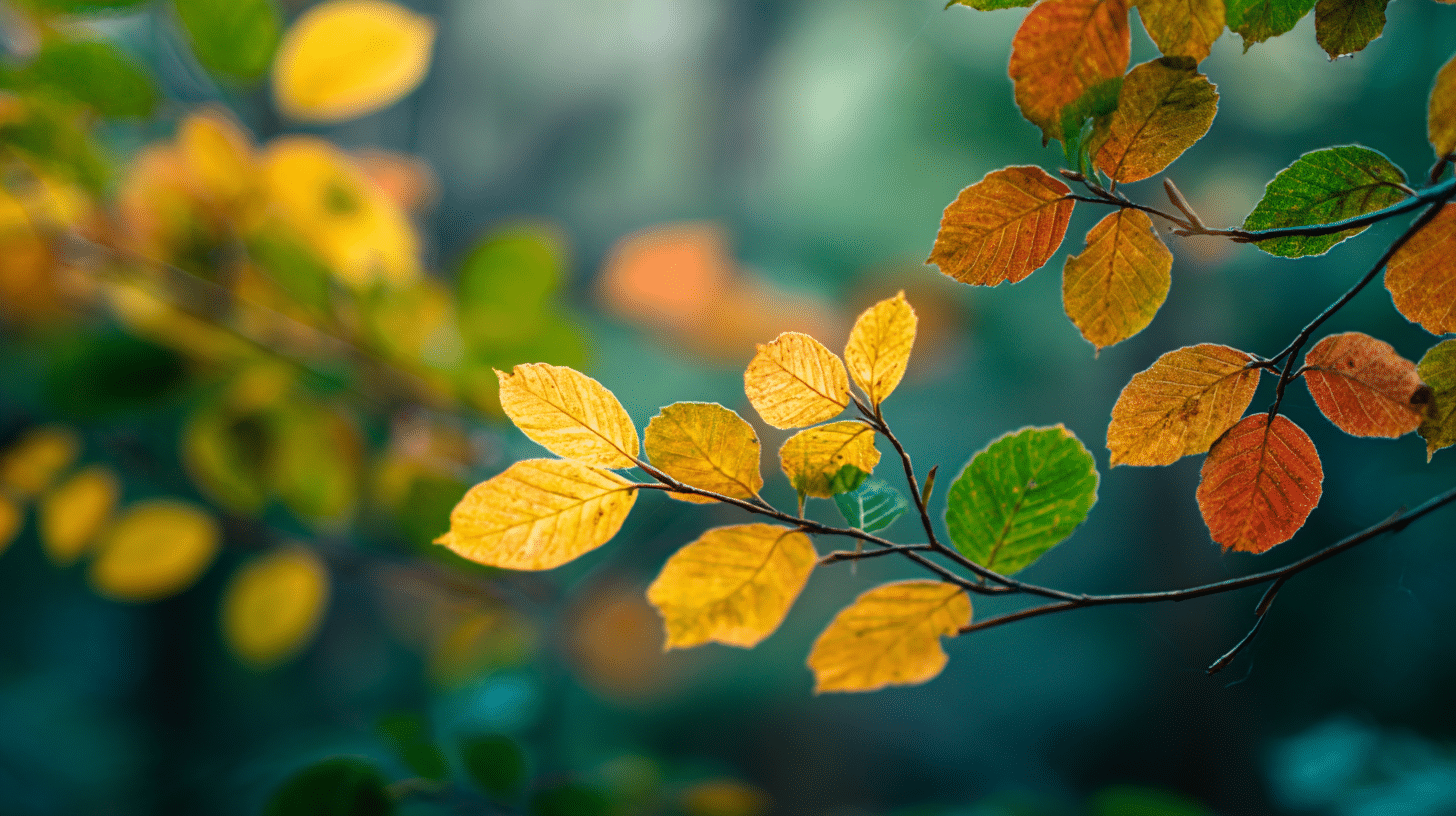
Fall is one of the busiest times in the natural world, even though it might seem like everything is slowing down. These facts show how plants and animals adapt to the season in some pretty remarkable ways.
16. Leaves Change Color Because Of Light, Not Temperature
As the days shorten in fall, trees gradually stop producing chlorophyll, the green pigment in leaves. This allows hidden pigments like reds, oranges, and yellows to appear.
The changing light, not cooler temperatures, signals trees to prepare for winter, creating the brilliant and varied colors that make autumn landscapes so beautiful.
17. Trees “Rest” During Fall
Deciduous trees shed their leaves to conserve energy and water during the colder months when the ground may freeze.
By shedding their foliage, trees reduce the energy needed to maintain leaves, which helps them survive harsh weather and enables them to grow new leaves in spring.
18. Some Trees Drop Fruit To Help New Plants Grow
Trees like apple, oak, and maple release fruit and seeds in the fall, ensuring the next generation of plants can sprout in spring.
By shedding seeds at the right time, trees help maintain forest health, provide food for animals, and increase the chance of survival for their offspring.
19. Migration Helps Animals Survive
Many animals move to warmer regions during the fall to find food more easily and avoid harsh winter conditions.
Birds such as geese and insects like monarch butterflies follow instinctive patterns that guide them to areas with abundant resources, helping them survive until temperatures rise again.
20. Squirrels Hide Hundreds Of Nuts For Winter
Squirrels spend the fall burying nuts and seeds to prepare for the cold months. They rely on memory and scent to retrieve them later. However, many are forgotten, allowing new trees to grow.
This clever habit helps squirrels survive winter while also contributing to forest regeneration.
21. Bears Eat Nonstop Before Hibernation
In fall, bears enter “hyperphagia,” a stage where they consume massive amounts of food – sometimes up to 20,000 calories a day.
This allows them to build fat reserves to survive months without eating during hibernation. The extra weight ensures their survival through the coldest parts of the year.
22. Some Frogs Freeze Solid And Survive
Wood frogs can actually freeze in winter and return to life in spring. Their bodies produce natural antifreeze compounds that protect vital organs, allowing them to survive extremely low temperatures.
This remarkable adaptation is a rare example of how animals adjust to seasonal challenges.
23. Deer Grow Thicker Coats
As temperatures drop, deer develop a dense underlayer of fur, providing insulation during the colder months.
This thick coat helps them maintain body heat, survive snow-covered landscapes, and remain active while searching for food throughout fall and winter.
24. Hedgehogs Start Hibernating in Late Fall
Hedgehogs curl up into tight balls and begin hibernation as winter approaches. They live off fat stored during autumn, conserving energy while their body temperature drops.
This period of rest allows them to survive cold conditions and food scarcity until warmer weather returns.
25. Monarch Butterflies Travel Up To 3,000 Miles
Every fall, monarch butterflies migrate from Canada and the United States to central Mexico.
This long seasonal movement spans several generations and ensures they reach regions with favorable climates and food availability, allowing the species to continue thriving despite harsh northern winters.
26. Owls Become More Vocal
Fall is a time for owls to attract mates and mark territory. They hoot loudly at night, signaling their presence to potential partners or rivals.
This increased vocal activity is an important part of their reproductive cycle and helps maintain their territory during the season.
27. Trees Communicate Underground
Through networks of root fungi called mycorrhiza, trees share nutrients and signals with nearby plants.
These connections help weaker trees survive harsh conditions, such as dry soil or cold weather in the fall, keeping forests healthy and resilient as the season progresses.
28. Some Animals Hoard In Hidden Spots
Chipmunks, mice, and jays gather and store seeds in secret places, such as tree bark, underground burrows, or flowerpots. This behavior ensures they have a food supply during the winter months.
Many forgotten seeds later sprout, helping new plants grow naturally in forests and gardens.
29. Snakes And Turtles Slow Down Their Bodies
Reptiles enter a state called “brumation” during the fall, which is similar to hibernation. Their metabolism slows dramatically, allowing them to conserve energy until temperatures rise again.
This adaptation ensures survival through cold periods when food is scarce and outdoor conditions are harsh.
30. Mushrooms Thrive In Fall
Autumn’s cooler temperatures and damp soil create ideal conditions for fungi. Mushrooms appear in forests, gardens, and fields, playing a vital role in decomposing organic matter.
They recycle nutrients into the ecosystem and create the distinctive earthy smells associated with fall.
Scientific and Weather Facts About Fall
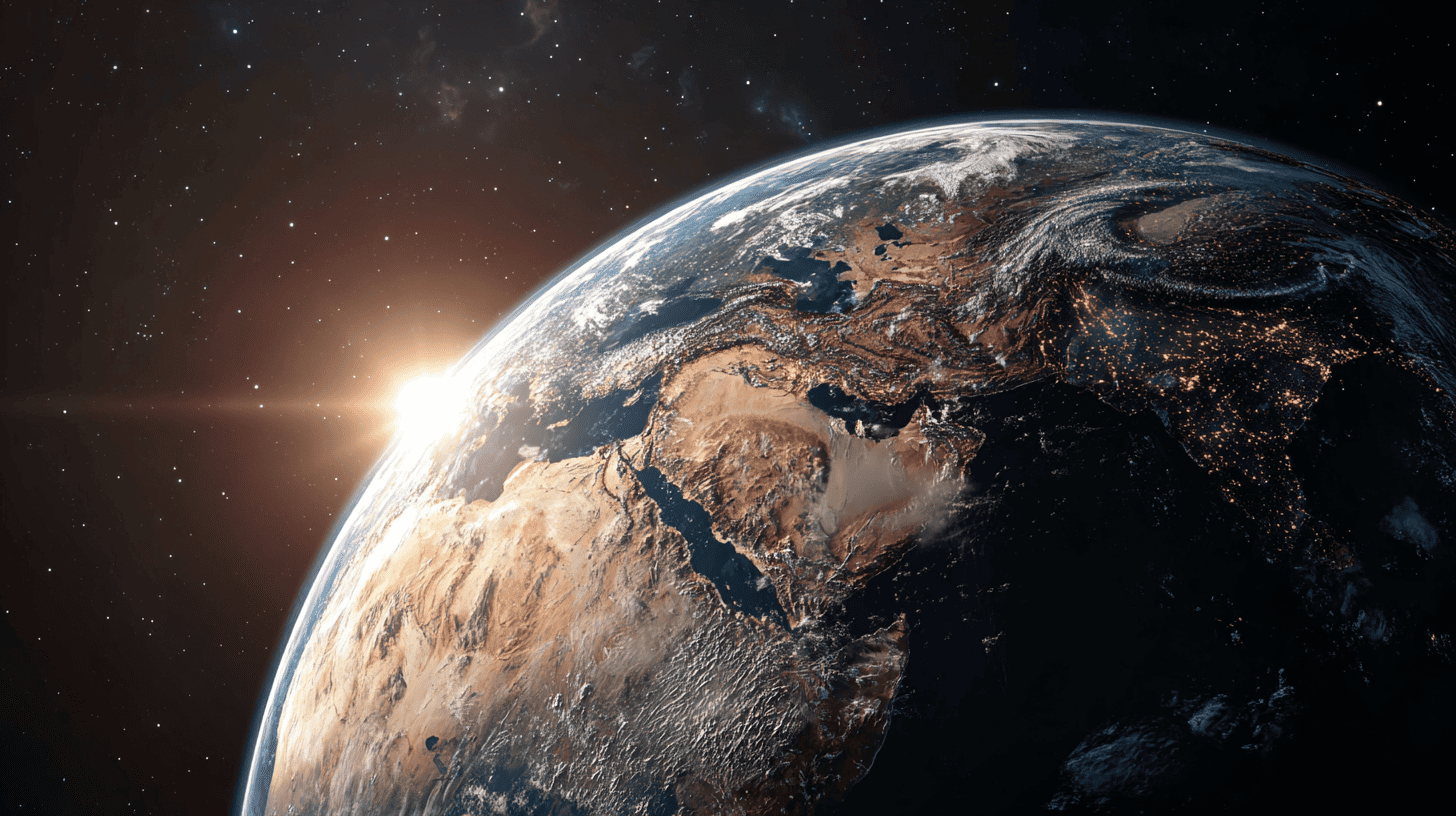
Fall doesn’t just happen by chance – there’s real science behind why the season occurs and why the weather changes the way it does.
These facts explain the interesting reasons behind the seasonal shift we experience every autumn.
31. Fall Begins with the Autumn Equinox
The autumn equinox occurs around September 22–23 in the Northern Hemisphere. On this day, day and night are nearly equal in length because the sun shines directly on the equator.
It marks the official start of fall and signals the gradual shortening of daylight hours as the season progresses.
32. The Earth’s Tilt Causes the Fall Season
Earth tilts at about 23.5 degrees, and during fall, the Northern Hemisphere begins to lean away from the sun.
This change reduces the intensity of sunlight, leading to cooler temperatures and shorter days. The tilt is responsible for the seasonal shifts we experience between summer and winter.
33. Daylight Fades Faster In Fall
After the autumn equinox, days gradually become shorter by several minutes each day. This causes evenings to grow darker sooner and mornings to feel cooler.
The reduction in daylight affects both nature and human routines, signaling animals to prepare for winter and encouraging people to adjust to the changing season.
34. Fall Sunsets Are More Colorful
Sunsets in autumn often display brilliant reds, oranges, and pinks. Cooler air, lower humidity, and fewer dust particles scatter sunlight differently than in summer.
These conditions allow warm tones to dominate the sky, creating the iconic autumn glow that makes evenings especially scenic during the fall months.
35. The Harvest Moon Is the Brightest Full Moon Of Fall
The Harvest Moon appears closest to the autumn equinox and rises earlier than other full moons.
Its bright light historically helped farmers work late into the night during harvest season. This moon seems larger and more luminous, creating a familiar symbol of fall for both agricultural communities and stargazers.
36. Temperatures Can Swing Wildly in Autumn
Fall is a transitional season, so the weather can change dramatically from day to day. One morning might be warm and sunny while the next brings frost, wind, or rain.
These fluctuations affect plants, animals, and humans, highlighting the unpredictable nature of autumn compared with the more stable conditions of summer or winter.
37. Animals Sense Temperature Changes Before Humans
Many animals detect barometric pressure shifts or subtle changes in temperature before humans notice. Birds, insects, and mammals adjust their behavior accordingly, preparing for seasonal changes.
This ability helps them find food, migrate, or gather resources, ensuring survival as the environment gradually shifts toward winter conditions.
38. The Human Body Adapts To Cooler Weather
During the fall, the human body makes small adjustments to cope with dropping temperatures. Metabolism slightly increases to generate heat, blood vessels constrict to retain warmth, and people may feel the need for extra layers.
These natural responses help maintain comfort and safety as the season transitions from summer to winter.
39. Dew Forms More Often In Fall Mornings
Cool nights and clear skies in autumn create ideal conditions for dew. Moisture in the air condenses on grass, leaves, and other surfaces at sunrise.
This seasonal phenomenon is more frequent in the fall because the temperature often drops close to the dew point, producing sparkling droplets that glisten in morning sunlight.
40. Fog Is Common In Autumn
Fog occurs when cool air passes over warmer ground, creating low-lying mist. This is especially common near lakes, rivers, or valleys during early mornings.
Fog in the fall contributes to the season’s mysterious atmosphere and results from temperature differences and typical moisture levels during this transitional time of year.
41. Fall Air Feels Crisp Because It’s Drier
Colder autumn air holds less moisture than warm summer air, giving it a distinct, refreshing crispness.
This dry air feels invigorating and can make outdoor activities more enjoyable. The lower humidity also helps reduce allergens and insects, contributing to the characteristic feel and scent of the fall season.
42. Frost Can Form Before Freezing Temperatures
Frost can appear even when the air temperature is slightly above 32°F (0°C).
Overnight, moisture on leaves, grass, and other surfaces can freeze when temperatures drop locally. These delicate ice crystals add beauty to autumn mornings and signal the approaching winter to both plants and animals.
43. The Atmosphere Clears Up in Autumn
Autumn often brings clearer skies because humidity decreases and pollen levels drop. Reduced moisture and particles improve visibility and allow for more distinct colors in the environment.
The cleaner air also makes it easier to observe sunsets, moon phases, and distant landscapes the in summer’s hazier conditions.
44. The Fall Equinox Affects Tides
During the autumn equinox, the sun’s gravity aligns with Earth’s equator. This alignment can cause slightly higher ocean tides known as equinoctial tides.
While the change is subtle, it demonstrates how celestial mechanics influence the planet’s natural systems, linking seasonal cycles to tidal patterns in oceans and large bodies of water.
45. Fall Storms Recharge The Soil
Seasonal autumn rains help replenish groundwater and restore moisture to the soil. This hydration prepares plants for winter dormancy and supports the growth of roots and seeds.
Fall storms also wash nutrients into the earth, maintaining the fertility of forests, fields, and gardens and supporting ecosystems through colder months.
Historical and Cultural Fall Facts
Fall has been celebrated and named by people across different cultures for thousands of years. The way we talk about this season today draws on a rich history spanning continents and centuries.
46. The Word “Autumn” Came From Latin Roots
The term “autumn” evolved from the Latin word autumnus, meaning “the passing of the year.”
It referred to the time when crops were harvested and nature prepared for winter. The word became widely used in Europe before the word “fall” gained popularity in North America to describe the same season.
47. The Term “Fall” Started In England
In 16th-century England, people called the season “fall of the leaf” to describe trees shedding their leaves.
Over time, the phrase was shortened to simply “fall.” This term was later adopted by English-speaking settlers in North America and became the common word for the season, especially in the United States.
48. Thanksgiving Was Inspired By Harvest Festivals
The first Thanksgiving in 1621 was a three-day celebration between the Pilgrims and the Wampanoag tribe. It honored the successful harvest with feasting, games, and gratitude.
Many harvest festivals around the world inspired this tradition, which later became an annual holiday celebrated with family meals and expressions of thanks.
49. Oktoberfest Began in Germany In 1810
Oktoberfest started as a royal wedding celebration in Munich, Germany, in 1810. Over time, it became an annual fall festival featuring beer, traditional food, music, and folk dancing.
The event now attracts millions of visitors worldwide who enjoy its cultural traditions, making it one of the most famous seasonal festivals.
50. The Mid-Autumn Festival Dates Back Over 3,000 Years
The Mid-Autumn Festival, celebrated in China and other Asian countries, honors the moon’s beauty and symbolizes family unity and abundance.
Traditionally, families gather to admire the moon, eat mooncakes, and celebrate harvests. Its roots extend back more than three millennia, reflecting the longstanding connection between autumn and cultural rituals.
51. Halloween Has Ancient Celtic Origins
Halloween originated from the Celtic festival of Samhain, marking the end of the harvest season.
People believed spirits roamed the earth on this day, leading to customs like wearing costumes, lighting lanterns, and performing rituals to ward them off, which evolved into today’s Halloween celebrations.
52. Ancient Romans Celebrated Fall With Pomona Day
Pomona Day honored Pomona, the Roman goddess of fruit and trees. Apples were her symbol, which explains why bobbing for apples became a popular fall game.
The festival celebrated fruit harvests, and its customs influenced autumn activities in Europe, connecting seasonal abundance to religious and cultural practices.
53. Fall Was Once the Time to Settle Debts
In medieval Europe, fall marked the completion of harvests, which meant granaries were full and farmers had the resources to pay landlords, taxes, or loans.
This practical timing made autumn a season of financial settlement and planning for the upcoming winter, highlighting the importance of agricultural cycles in daily life.
54. Cornucopias Are Ancient Greek Symbols
The cornucopia, or “Horn of Plenty,” originates from Greek mythology. Shaped like a horn and overflowing with fruits and vegetables, it symbolizes abundance and gratitude.
Cornucopias became a traditional decoration during fall harvests, representing the wealth of food gathered before winter and linking ancient myths to seasonal celebrations.
55. The First U.S. Football Game Was Played In the Fall
The first organized college football game in the United States took place in November 1869 between Rutgers and Princeton.
The fall season suited the sport because it followed the harvest, when fields were cleared and students were available. Football quickly became associated with autumn traditions in American schools and communities.
56. Fall Marked The New Year In Many Ancient Cultures
For Babylonians, Egyptians, and some Jewish communities, the new year began after the harvest. Autumn symbolized renewal and rest, when agricultural work slowed and societies reflected on accomplishments.
Festivals and ceremonies celebrated the end of the growing season and prepared communities spiritually and practically for the coming winter.
57. Diwali, the Festival of Lights, Happens in the Fall
Diwali, celebrated in India and parts of Asia, occurs during the fall season. It marks the victory of light over darkness and good over evil.
Homes are decorated with lamps and candles, fireworks are set off, and families gather for feasts, making autumn a time of joy and spiritual significance in the region.
58. The Ancient Celts Used Bonfires To Honor Fall
The Celts lit bonfires during autumn to celebrate the changing season. They believed the flames helped the sun regain strength before winter, ensuring continued growth and protection.
These rituals symbolized both practical and spiritual preparation for the colder months, influencing modern seasonal celebrations and traditions such as Halloween.
59. Apple Picking Became A Fall Tradition in the 1800s
Apple orchards expanded in the 19th century, and families began visiting them during autumn harvests. Apple picking became a social activity that combined work and recreation.
Today, this tradition continues across North America, allowing people to enjoy seasonal fruit, connect with nature, and participate in the rhythms of fall.
60. Fall Fairs Began As Livestock Markets
Early fall fairs in Europe and America served as marketplaces for livestock, crops, and handmade goods. These gatherings allowed farmers to trade before winter, combining practical commerce with social interaction.
Over time, fairs evolved to include rides, games, and entertainment, but their roots remain tied to agricultural cycles and harvest celebrations.
Global and Seasonal Traditions
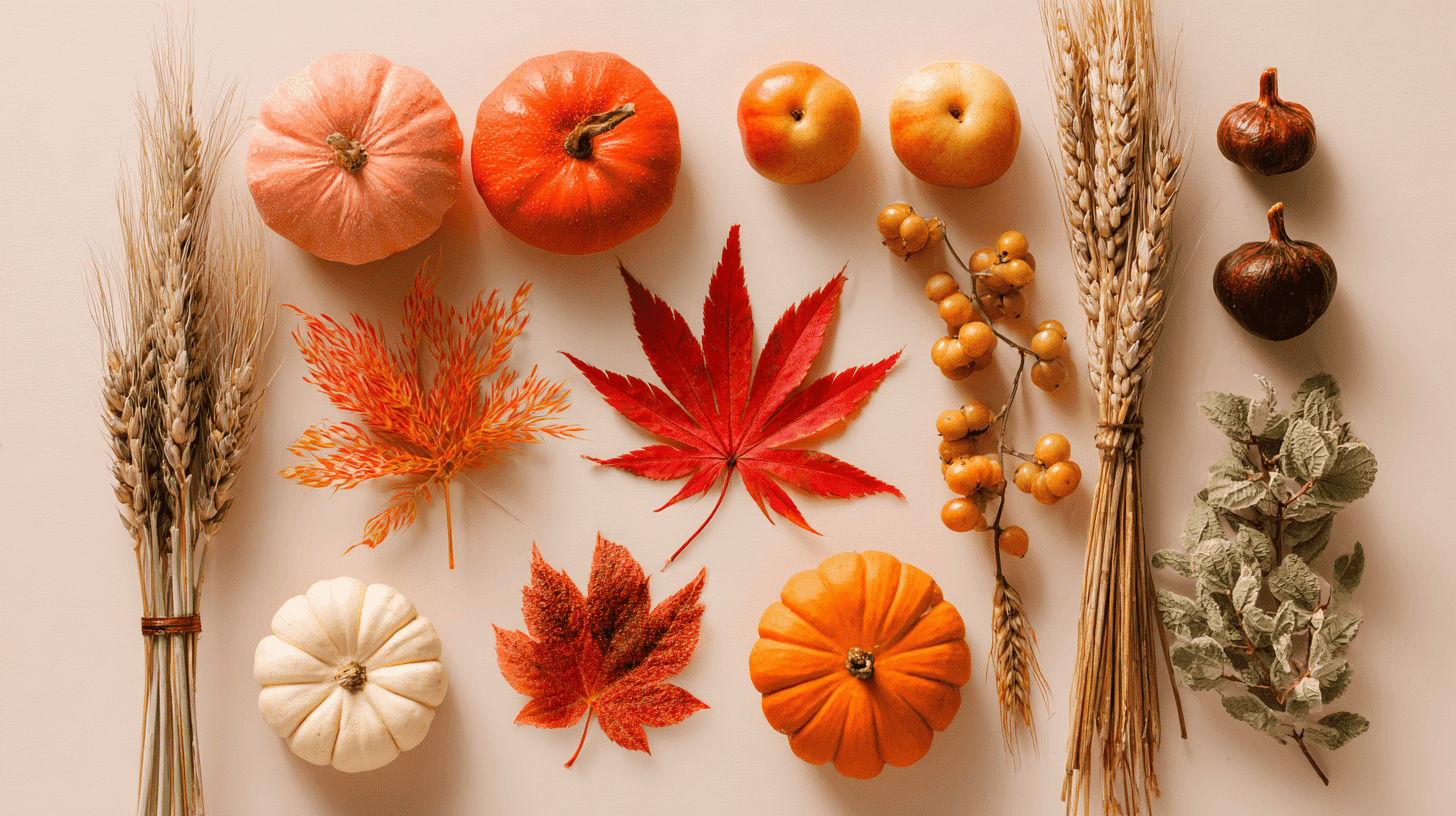
People around the world welcome fall with traditions that reflect their cultures and histories. From harvest festivals to nature rituals, different countries have created meaningful ways to mark the season’s arrival.
61. Japan Celebrates the Beauty Of Fall Leaves With Momijigari
Momijigari is a traditional Japanese custom where families travel to admire red maple leaves in autumn. Similar to cherry blossom viewing in spring, people hike, take photographs, and enjoy the natural scenery.
This seasonal pastime highlights respect for nature and the changing colors of leaves, bringing communities together to appreciate the fleeting beauty of fall.
62. Canadians Celebrate Thanksgiving In October
Canada observes Thanksgiving on the second Monday of October. The holiday focuses on gratitude for the harvest and spending time with family.
Meals often feature turkey, squash, and other seasonal foods. Falling earlier than the U.S. Thanksgiving, it reflects Canada’s shorter growing season and emphasizes giving thanks for nature’s bounty and seasonal abundance.
63. Mexico’s Día De Los Muertos Takes Place In Early November
Día de los Muertos, or Day of the Dead, is a Mexican tradition honoring deceased loved ones. Families build colorful altars with photos, food, and marigolds.
The festival combines remembrance with celebration, teaching younger generations about ancestry and cultural rituals while embracing the season’s connection to life, death, and family unity.
64. In China, Families Gather for the Mid-Autumn Festival
The Mid-Autumn Festival in China occurs in the fall when the moon is at its fullest. Families gather to share mooncakes, light lanterns, and admire the moon as a symbol of unity, peace, and prosperity.
The holiday also marks the end of the harvest season, emphasizing gratitude and togetherness while celebrating seasonal change.
65. Germany’s Oktoberfest Is The World’s Biggest Fall Festival
Oktoberfest, held in Munich, Germany, attracts millions of visitors each fall. Participants enjoy traditional music, hearty foods, and seasonal beers brewed specifically for the festival.
Beyond drinking, the event includes games, rides, and parades, offering a cultural experience that celebrates autumn harvests, Bavarian traditions, and communal enjoyment for people of all ages.
66. The U.K. Observes Guy Fawkes Night In November
Guy Fawkes Night on November 5th commemorates the failed Gunpowder Plot of 1605. Across the U.K., people celebrate with fireworks, bonfires, and parades.
Historically, it warned against treason, but today it has become a seasonal tradition marking fall evenings with light, warmth, and communal festivities while connecting history to seasonal observances.
67. In India, Diwali Brightens the Autumn Nights
Diwali, celebrated in the fall, is India’s Festival of Lights. Homes glow with lamps and candles, and families exchange gifts, sweets, and prayers.
The festival represents the victory of light over darkness and good over evil, marking the start of a prosperous period. Diwali strengthens family bonds and unites communities in celebrating the cultural significance of autumn.
68. Koreans Celebrate Chuseok, A Harvest Holiday
Chuseok is a major Korean harvest festival where families return to ancestral homes to honor ancestors. People prepare rice cakes called songpyeon, share traditional meals, and express gratitude for the harvest.
The festival emphasizes respect for family and nature, connecting people to seasonal rhythms while providing time for reflection and togetherness during the fall.
69. The United States Loves Its Fall Festivals
Across the U.S., fall brings pumpkin patches, hayrides, corn mazes, and state fairs. Communities gather for local events celebrating harvests and seasonal foods.
These festivals provide family-friendly activities, opportunities to learn about agriculture, and social connections while enjoying cooler weather, colorful landscapes, and traditions unique to autumn.
70. In Scotland, Samhain Is Still Remembered Today
Samhain, an ancient Celtic festival, marked the end of harvest and the beginning of winter’s darker half. Modern Halloween evolved from these traditions, including costumes, bonfires, and feasts.
Samhain celebrated seasonal cycles and spiritual beliefs, connecting communities to natural rhythms and seasonal changes while providing a foundation for today’s fall customs.
71. Switzerland Hosts Alpabfahrt Festivals In Fall
Alpabfahrt festivals celebrate the return of cows from mountain pastures before winter. Farmers decorate animals with flower crowns and bells, leading them down scenic routes.
These events mark the seasonal shift, connect communities with agricultural practices, and honor the relationship between humans, livestock, and nature during autumn.
72. The Netherlands Holds Apple Festivals Each Fall
Dutch towns host apple festivals celebrating the annual apple harvest. Activities include cider tasting, pie baking, games, and community gatherings.
These events honor one of the country’s favorite seasonal fruits, encourage local participation, and provide cultural continuity, linking families and communities to agricultural traditions and the changing rhythms of fall.
73. In Nepal, Dashain Marks Victory And Renewal
Dashain, a major Nepalese festival, takes place in the fall to celebrate the triumph of good over evil.
Families gather for feasts, fly kites, and receive blessings from elders. The holiday emphasizes renewal, gratitude, and family unity, making autumn a meaningful period of reflection, social connection, and cultural tradition.
74. Canada’s Fall Leaf Tours Attract Thousands
Tourists flock to Quebec, Ontario, and other regions to admire autumn foliage. Maple forests display brilliant reds, oranges, and yellows, offering natural spectacles.
Fall leaf tours encourage outdoor activity, photography, and appreciation for seasonal change, attracting domestic and international visitors while highlighting Canada’s scenic landscapes during the cooler months.
75. The Jewish Holiday Of Sukkot Takes Place in the Fall
Sukkot, occurring after the harvest, is a week-long Jewish festival. Families build outdoor shelters called sukkahs to honor the Israelites’ time in the desert after leaving Egypt.
Meals, prayers, and gatherings take place inside these temporary structures, connecting participants to historical traditions, agricultural cycles, and the natural world during autumn.
How to Celebrate and Enjoy Fall?
Now that you know all these interesting facts about fall, it’s time to get out and experience the season yourself.
Try apple picking at a local orchard, take a hike to see the colorful trees up close, or bake some pumpkin bread with your family. You can also collect fallen leaves and use them for creative crafts.
Make it educational by creating a fall fact scavenger hunt for kids – have them find different-colored leaves, spot migrating birds, or locate the biggest pumpkin.
These activities help you connect with nature while making memories. Fall only lasts a few months, so take advantage of everything this wonderful season has to offer.
That’s a Wrap
These facts about fall show just how incredible this season really is. From the science of leaf colors to celebrations around the world, autumn offers endless reasons to appreciate nature and tradition.
Now you can impress your friends and family with your knowledge about why leaves change, how animals prepare for winter, and what makes fall special across different cultures.
The next time you step outside and feel that crisp air, you’ll see the season through new eyes. What’s your favorite fall fact? Share it in the comments below and let me know how you plan to celebrate autumn this year!