
Fire safety is a must when it comes to protecting a home or business. To keep people and property safe, you need to be proactive instead of reactive. This means having a full plan that includes more than just a smoke alarm. A strong collection of fire protection equipment, such as fire-rated doors, alarm systems, sprinkler systems, and, of course, the ever-present fire extinguisher, is the cornerstone of any successful fire safety plan. It’s easy to understand why you need an extinguisher: to put out a fire. But picking the right one for a certain situation is very important and can mean the difference between a small problem and a full-blown disaster.
The ABC Extinguisher: The All-Purpose Guardian
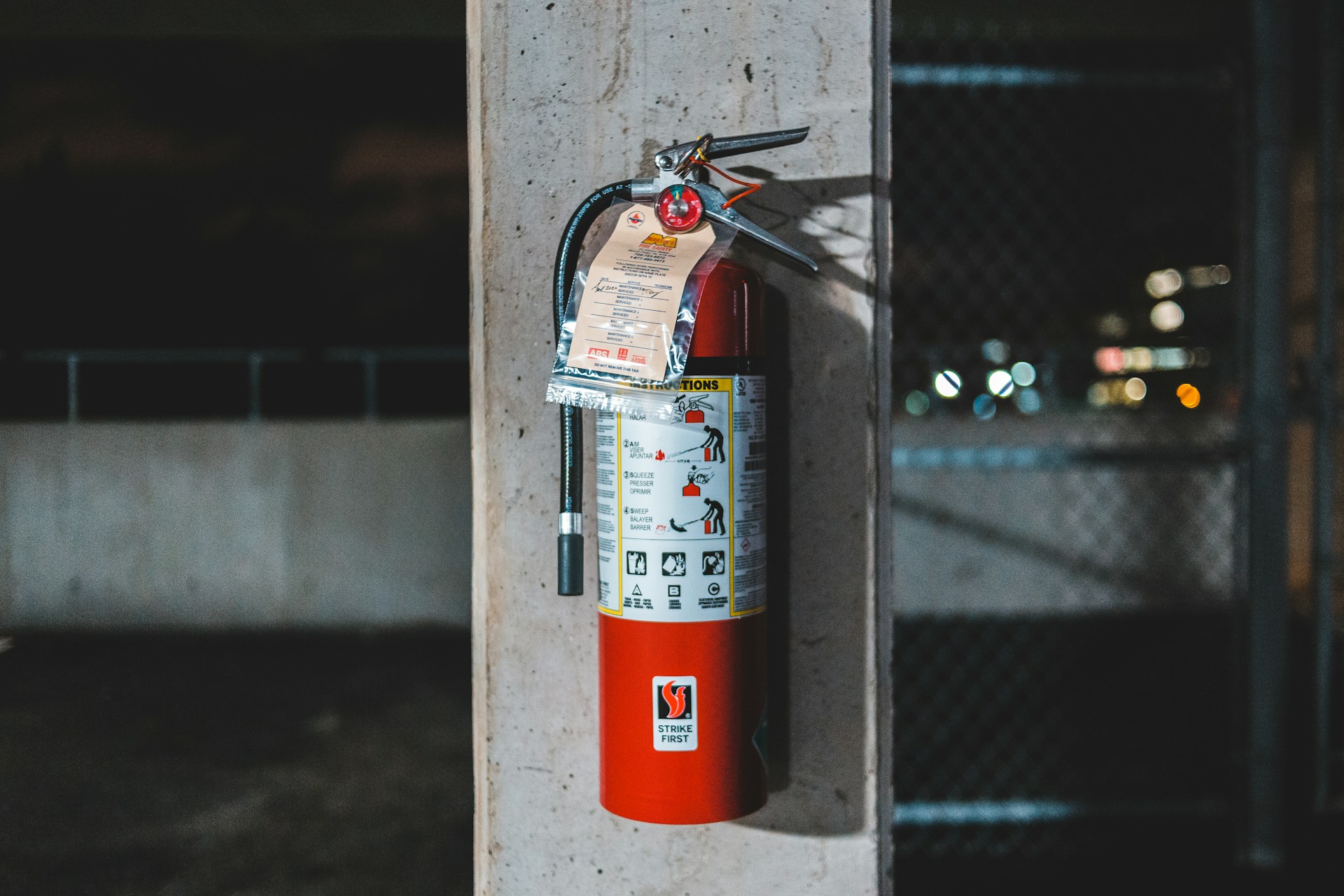
The abc extinguisher is the most versatile and widely used fire extinguisher on the market. It can be used in both homes and businesses. The letters A, B, and C stand for the three most common types of fires that this tool can put out. “A” means fires that happen with normal things that can catch fire, like wood, paper, and cloth. “B” is for fires that happen when flammable liquids like oil, gasoline, and grease catch fire. “C” stands for fires that happen when electrical equipment is turned on. The dry chemical powder in an ABC extinguisher stops the fire’s chemical reaction, putting out flames in all classes. This makes it a great tool for everyday use because it protects against a wide range of fire risks.
Not Just a Box on the Wall
The most obvious piece of fire protection equipment is an extinguisher, but a real safety plan has other important parts as well. Smoke alarms and carbon monoxide detectors are the first signs of danger that give you time to get out of the building. Fire-rated doors and walls can help keep a fire from spreading, and sprinkler systems can automatically put out flames before they have a chance to grow. A full safety plan should also have a clear way to get out, a place to meet, and regular drills to make sure everyone knows what to do in case of an emergency.
Why Placement and Maintenance Are Important
The right tools won’t do you any good if you don’t take care of them and make them easy to get to. You should put fire extinguishers in smart places, like near exits and in places where fires are more likely to happen, like the kitchen or a workshop. They should be attached to the wall and kept free of anything that might get in the way. To make sure the extinguisher is charged and ready to use, you need to check the pressure gauge on a regular basis. Also, a professional can find any problems and make sure that all of the fire protection equipment is working properly during regular inspections.
The Science of Stopping
If you know how an extinguisher works, you can use it better. The dry chemical agent in an ABC extinguisher, which is usually monoammonium phosphate, stops the chemical reaction and makes a barrier between the fuel and the oxygen. This method works on a wide range of fires because it has two parts. You can be more sure of yourself and act quickly and decisively in an emergency if you know how the tool works.
In the end, every property owner should spend money on a strong fire safety plan. You can significantly lower the risk of a fire-related incident by having the right fire protection equipment, being aware of the many uses of an ABC extinguisher, and making a commitment to regular maintenance and readiness. Not only is it required by law to do these things, but it is also a basic promise to keep everyone who comes into your home or business safe.