
Most of us aren’t living in sprawling estates with rooms we forget we even have. Whether you’re in a cozy apartment, a compact starter home, or you’ve simply chosen to downsize, small space living is incredibly common. And you know what? It doesn’t have to feel cramped or claustrophobic.
The truth is, making a small home feel spacious isn’t about knocking down walls or adding square footage (though wouldn’t that be nice?). It’s about working smarter with what you’ve got. The right design choices can completely transform how a space feels, making it breathe easier and appear significantly larger than its actual measurements. Ready to make your home feel like it has room to spare?
Embrace Light and Reflection
Here’s something you probably already know intuitively: dark, dim rooms feel smaller. Bright, airy spaces feel expansive. But knowing it and actually maximizing light in your home are two different things.
Start with your windows. Are they hidden behind heavy drapes or cluttered with stuff on the windowsill? Natural light is your best friend when you’re trying to create the illusion of space, so let it flood in. Consider swapping heavy curtains for sheer panels or simple blinds that you can easily pull up during the day.
Now, here’s where things get interesting. Mirrors aren’t just for checking your outfit before you head out the door. They’re secret weapons in small spaces. A well-placed mirror can literally double the visual space in a room by reflecting light and creating depth. Try positioning a large mirror opposite a window, and watch how it bounces natural light around the entire room.
Paint color matters too. Light, neutral walls—think soft whites, pale grays, or gentle beiges—reflect more light than dark colors, making spaces feel open and airy. You don’t have to go stark white if that’s not your style, but keeping walls on the lighter side creates that expansive feeling you’re after.
The Floor Beneath Your Feet
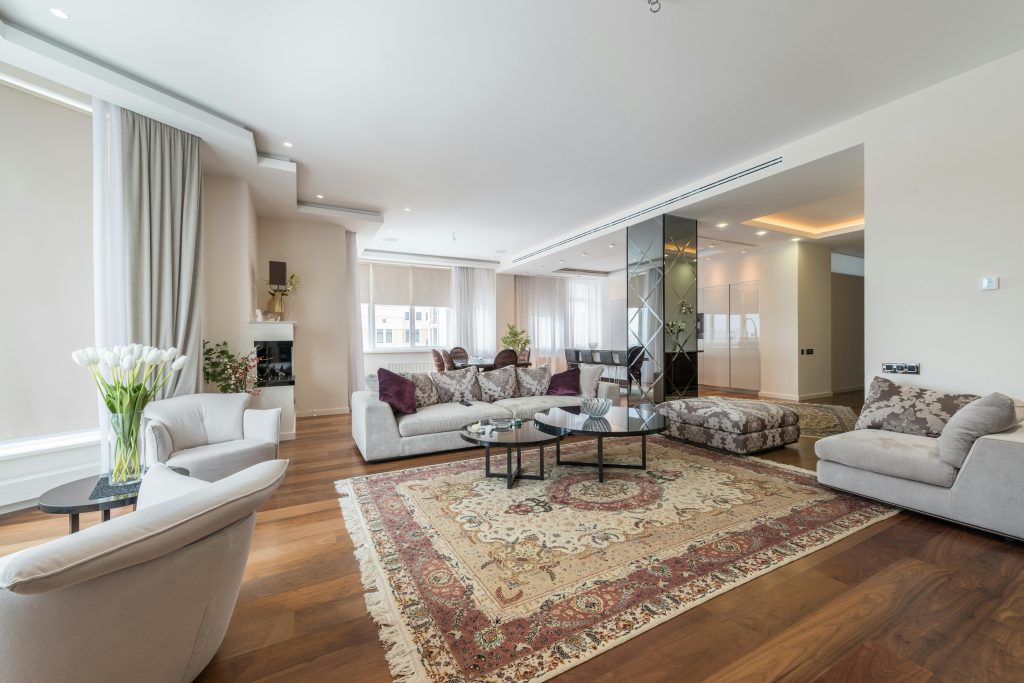
You might not think much about your flooring when it comes to making a room feel bigger, but it’s actually a game-changer. And here’s something that surprises a lot of people: dark floors make a room look bigger. I know, it seems counterintuitive, right? We just talked about light colors creating space.
But here’s the magic—dark floors create a striking contrast with lighter walls and furniture, adding depth and dimension to a room. They recede visually, almost like they’re falling away, which makes the space above them feel more expansive. Plus, they anchor the room without weighing it down visually the way dark walls would.
Another flooring trick? Keep it consistent. Running the same flooring throughout your home eliminates visual breaks that chop up the space. When your eye can travel seamlessly from one room to the next without interruption, your home instantly feels larger and more cohesive.
Choose Your Furniture Like a Pro
This is where a lot of people go wrong. They either cram too much furniture into a small space or choose pieces that are way too big for the room. Think of your furniture as the supporting cast in your home’s story—it needs to fit the part.
Scale is everything. A massive sectional might look amazing in the showroom, but in your 300-square-foot living room? Not so much. Look for pieces that fit the proportions of your space. And here’s a pro tip: furniture with exposed legs is your friend. When you can see underneath and around furniture, it creates a sense of airiness. Those chunky, solid-to-the-floor pieces? They visually eat up space.
Multi-functional furniture is another brilliant move. An ottoman that opens up for storage, a dining table that extends when you have guests, or a sofa bed for overnight visitors—these pieces work harder so your space can feel more open. And if you really want to go all in on the spacious vibe, consider clear acrylic or glass furniture. A clear coffee table or acrylic chairs practically disappear, maintaining that open, flowing feeling.
Think Vertically
When you’re short on square footage, it’s time to look up. Seriously, most people completely underutilize their vertical space, and it’s such a missed opportunity.
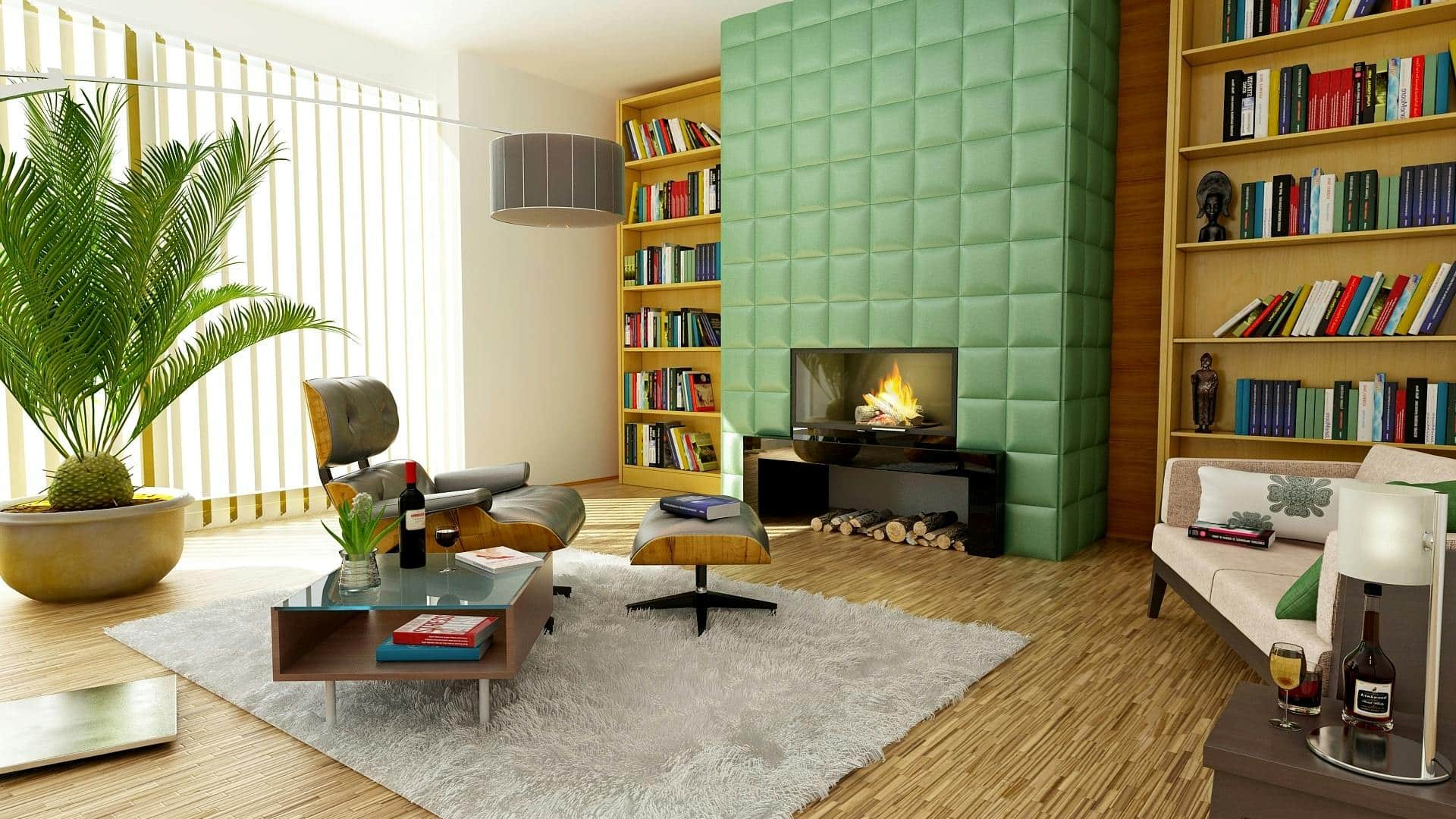
Floor-to-ceiling shelving draws the eye upward and makes ceilings feel higher than they are. Instead of a short bookshelf that stops at chest height, go tall. Not only do you gain more storage, but you create the illusion of soaring ceilings. The same principle applies to curtains—hang your curtain rods right below the ceiling, even if your windows don’t reach that high. The long lines of fabric will make your walls look taller.
You can also use vertical elements in your decor. A tall plant, a floor-to-ceiling piece of art, or even vertical paneling on a wall—all of these things encourage the eye to move up and down rather than focusing on the limited horizontal space.
Declutter and Curate Your Space
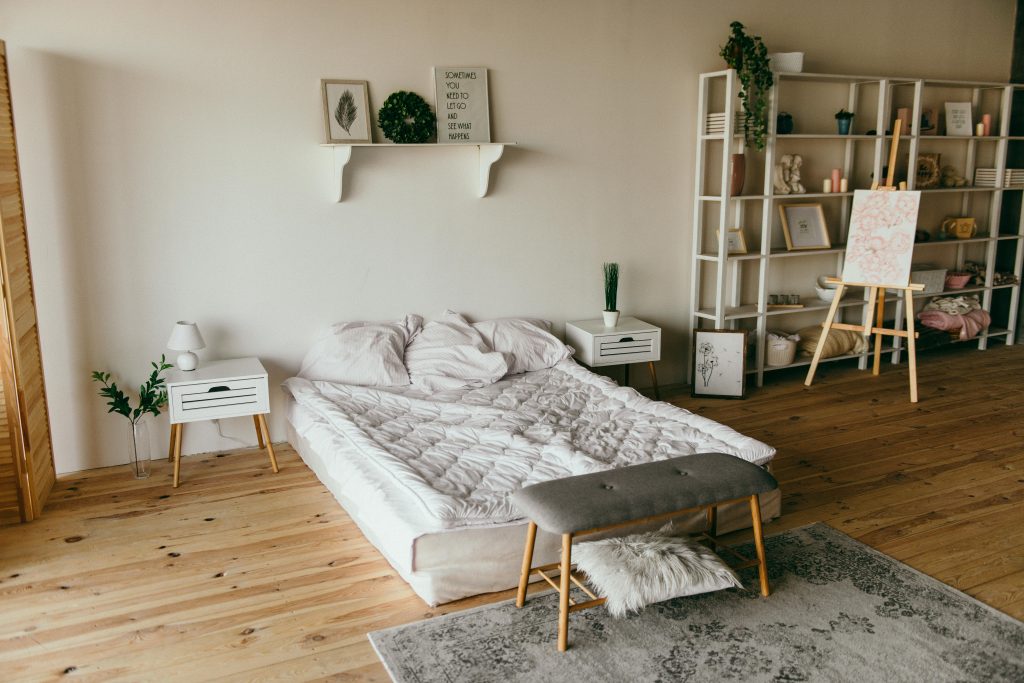
This one’s tough because it requires some real honesty with yourself. Visual clutter makes spaces feel cramped, chaotic, and definitely smaller than they are. Every item sitting on your countertop, every knick-knack on your shelf, every piece of furniture competing for attention—it all adds up.
The solution isn’t about getting rid of everything you love. It’s about being intentional. Keep the things that genuinely make you happy or serve a real purpose. Everything else? Find it a home in hidden storage or consider letting it go.
Hidden storage is crucial in small spaces. Think storage ottomans, beds with drawers underneath, or floating shelves with concealed brackets. The more you can tuck away, the more breathing room your space has. Your home should showcase the things you love, not everything you own.
Create Zones Without Building Walls
Open concept living works wonders for making small spaces feel larger, but you still need to define different areas. The trick is doing it without closing things off.
Use area rugs to define your living room, separate from your dining area. Position furniture to create natural boundaries—your sofa’s back can delineate the living space from the entryway, for example. Just avoid heavy room dividers or bookcases that block sightlines. When you can see from one end of your home to the other without visual barriers, everything feels more expansive.
Your Small Space, Amplified
Making a small home feel spacious isn’t about expensive renovations or dramatic overhauls. It’s about understanding how design elements work together to trick the eye and create breathing room. Start with one or two of these principles—maybe you’ll add a mirror to reflect more light, or finally clear off that cluttered counter. Small changes add up to a big difference.
The best part? You don’t need more square footage to feel like you have space to spare. You just need to work with what you’ve got in smarter, more intentional ways. Your small home has more potential than you think.