
Rising energy costs can make every season feel more expensive than it should. Many homeowners assume cutting bills means sacrificing comfort, but that does not have to be the case. With the right upgrades and smart choices, a home can stay comfortable while using less energy. Small inefficiencies often go unnoticed, yet they quietly drive up monthly costs and strain heating and cooling systems. Improving energy efficiency is not about one major change. It is about understanding where energy slips away and fixing those problem areas step by step.
This article outlines the best ways to reduce energy use without compromising comfort, focusing on upgrades that deliver real, long-term benefits.
Identify Where Your Home Loses the Most Energy
Many homeowners focus on lowering energy bills without knowing where the problem starts. Energy loss often happens in places that are easy to overlook. Drafty rooms, uneven temperatures, and high utility bills usually point to hidden inefficiencies. Air can escape through gaps in walls, ceilings, and floors, while outdated systems consume more energy than needed. Taking time to identify these weak spots helps homeowners make smarter decisions.. Once you know where energy loss occurs, you can focus on fixes that bring noticeable improvements.
Replace Old Windows with Modern, Energy-Efficient Options
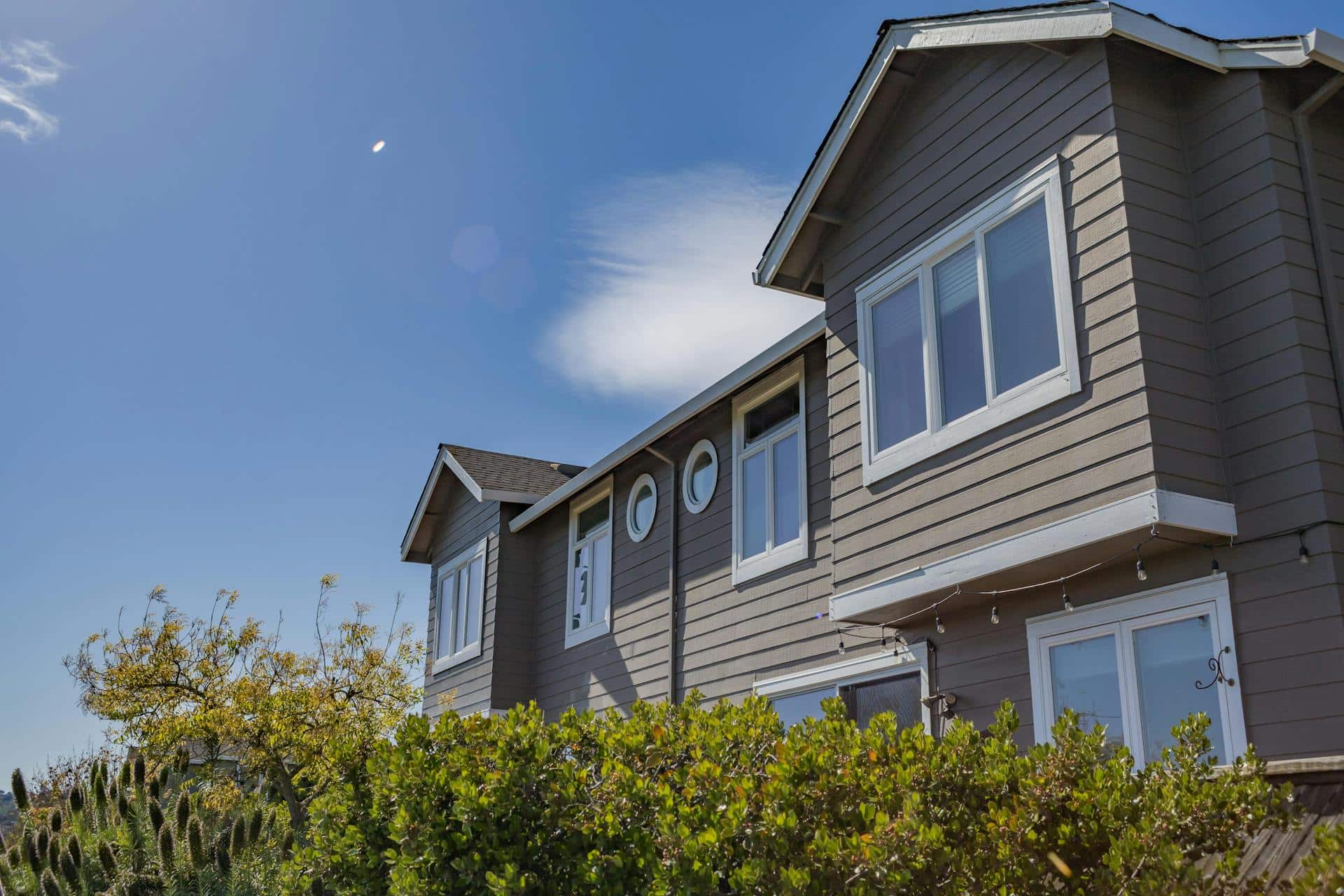
Old windows rank among the biggest sources of energy loss in a home. They allow heat to escape during colder months and let unwanted heat enter during warmer seasons. This constant exchange forces heating and cooling systems to work harder. Modern energy-efficient windows help maintain stable indoor temperatures and reduce strain on HVAC systems. They also improve comfort by eliminating drafts and reducing outside noise. The quality of installation matters just as much as the window itself. Partnering with a top energy efficient windows company ensures precise fitting and durable materials. Proper installation helps homeowners see real savings while enjoying a more comfortable living space.
Improve Insulation in Key Areas of the Home
Insulation plays a major role in controlling indoor temperatures. Without proper insulation, even the best heating and cooling systems struggle to perform well. Attics, walls, and crawl spaces often cause the most trouble. Heat rises, so poorly insulated attics allow warm air to escape during winter and trap heat during summer. Wall insulation helps maintain consistent temperatures throughout the home. Improving insulation reduces energy waste and keeps rooms comfortable year-round. This upgrade often delivers strong returns by lowering monthly bills and reducing system wear.
Seal Air Leaks Around Doors and Openings
Air leaks may seem minor, but they add up quickly. Gaps around doors, windows, vents, and electrical outlets allow conditioned air to escape. These leaks also let outdoor air enter, which disrupts indoor comfort. Sealing these areas helps stabilize temperatures and reduces energy use. Weatherstripping and caulking provide simple yet effective solutions. When air stays where it belongs, heating and cooling systems run more efficiently. This step also improves comfort by eliminating cold drafts and hot spots.
Upgrade to an Energy-Efficient Heating and Cooling System
Heating and cooling account for a large portion of energy use in most homes. Older systems often consume more power while delivering uneven results. Modern energy-efficient HVAC systems provide better temperature control with less energy. They adapt to changing conditions and operate more smoothly. Regular maintenance also keeps these systems performing at their best. Clean filters, proper airflow, and timely inspections extend system life and improve efficiency. Upgrading or maintaining HVAC equipment helps homeowners balance comfort and cost.
Use Smart Thermostats to Control Energy Use
Smart thermostats help homeowners manage energy use without constant adjustments. They learn daily routines and adjust temperatures based on when people are home or away. This control prevents heating or cooling empty rooms and reduces unnecessary energy use. Many models allow remote access through mobile apps, which adds flexibility and convenience. Homeowners can make quick changes if schedules shift. Over time, these small adjustments lead to noticeable savings while keeping the home comfortable throughout the day.
Switch to Energy-Efficient Lighting Throughout the Home
Lighting often runs longer than expected, especially in high-traffic areas. Traditional bulbs use more electricity and burn out faster. Energy-efficient lighting options, such as LEDs, provide the same brightness while using less power. They also last much longer, which reduces replacement costs. This upgrade does not affect comfort or appearance. Instead, it offers steady lighting with lower energy use. Replacing bulbs room by room makes the process manageable and cost-effective.
Choose Energy-Efficient Appliances
Appliances contribute significantly to household energy consumption. Older models often lack efficiency features found in newer designs. Energy-efficient appliances perform everyday tasks while using less electricity or water. Refrigerators, dishwashers, and washing machines often deliver the biggest impact. These upgrades support long-term savings without changing daily routines. Over time, reduced energy use lowers utility bills and decreases strain on home systems. Choosing efficient appliances also supports a more sustainable household.
Improve Water Heating Efficiency
Water heating affects both comfort and energy costs. Long showers, laundry, and dishwashing add up quickly. Improving water heating efficiency helps control these expenses. Adjusting temperature settings prevents excess energy use while still providing reliable hot water. Efficient water heaters heat water faster and maintain consistent performance. Regular maintenance, such as flushing the tank, improves efficiency and extends lifespan. These steps help reduce energy waste without limiting daily comfort.
Build Long-Term Habits That Support Energy Savings
Technology and upgrades work best when paired with mindful habits. Simple actions make a meaningful difference over time. Turning off unused electronics, unplugging chargers, and running appliances during off-peak hours reduces energy use. Consistent maintenance also matters. Cleaning filters, checking seals, and monitoring usage keeps systems working efficiently. These habits require little effort but deliver lasting benefits. When efficiency becomes part of daily life, savings follow naturally.
Energy efficiency is not a one-time project. It evolves as homes, lifestyles, and technology change. Small decisions made daily shape long-term comfort and costs. By staying aware of energy use and choosing smarter solutions, homeowners gain more control over their living space. Efficiency creates a home that responds better to its occupants, not the utility bill. Over time, these choices build a more comfortable, adaptable, and cost-conscious home.