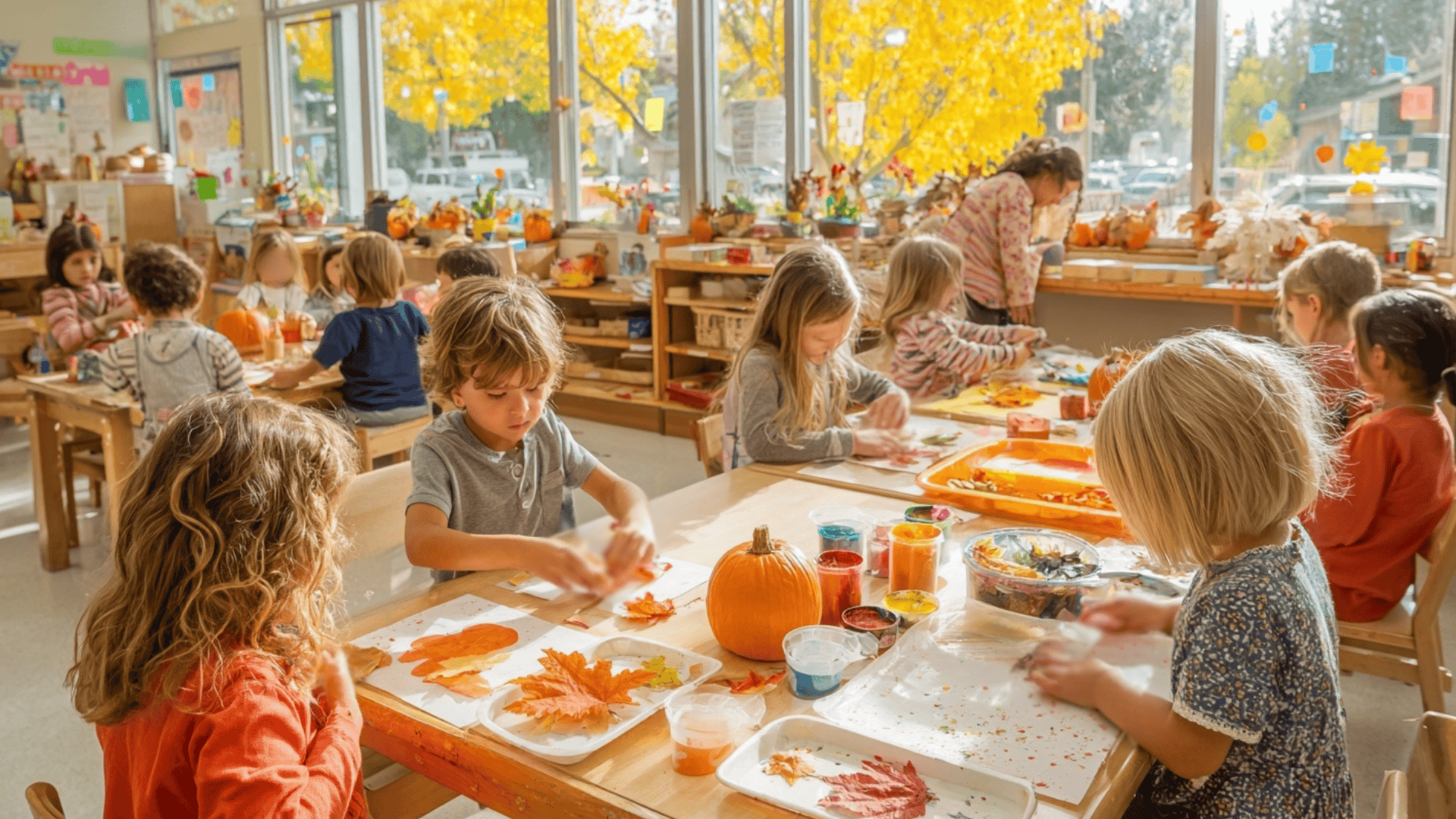

Fall is a magical season filled with vibrant colors, changing leaves, and endless creative inspiration.
For teachers and parents, it’s the perfect time to introduce fall art projects that help children explore textures, colors, and nature while developing fine motor and creative skills.
If you’re planning a classroom craft or a weekend family project, these fall art activities are designed to engage young learners through hands-on creativity.
Here you will see imaginative kindergarten fall art projects that combine fun with learning, from nature collages and pumpkin prints to leaf animals and autumn sensory art.
Why Fall Art Projects Are Great for Kindergarten Learning
Fall art projects are a wonderful way for kindergarteners to learn through hands-on exploration and creativity.
They encourage children to engage their senses by feeling different textures, observing colors, and working with a variety of natural materials.
Beyond motor development, fall crafts promote problem-solving, observation, and creative thinking as children express what they see in nature.
Teachers can easily integrate fall art activities into seasonal lesson plans, connecting art with science, math, and literacy.
Through pattern recognition, color mixing, and storytelling visuals, kindergarten fall art projects become a fun, cross-curricular approach to early learning.
Classroom Tips for Planning Fall Art Activities
Planning fall art activities for kindergarten can be both fun and educational when approached with creativity and structure.
By preparing in advance and focusing on the learning experience, teachers can make every art session engaging, organized, and memorable for their students.
- Prepare seasonal materials: Gather leaves, acorns, pumpkins, paper, and paints in warm autumn tones.
- Use eco-friendly supplies: Recycle cardboard, paper, and other materials for sustainable creativity.
- Set clear learning goals: Introduce new words such as ‘harvest,’ ‘texture,’ and ‘warm colors’ during activities.
- Encourage self-expression: Let children interpret fall in their unique way; there’s no right or wrong in art.
Establishing a regular art routine around kindergarten fall art projects helps children look forward to creativity time as a joyful, enriching part of their week.
Creative Fall Art Project Ideas for Kindergarten
Fall is the perfect time to inspire creativity and imagination in young learners. The rich colors, natural textures, and changing scenery offer endless opportunities for finding.
These kindergarten fall art projects combine fun, learning, and sensory play, helping children develop key motor skills while connecting with the beauty of nature.
1. Leaf Rubbing Art
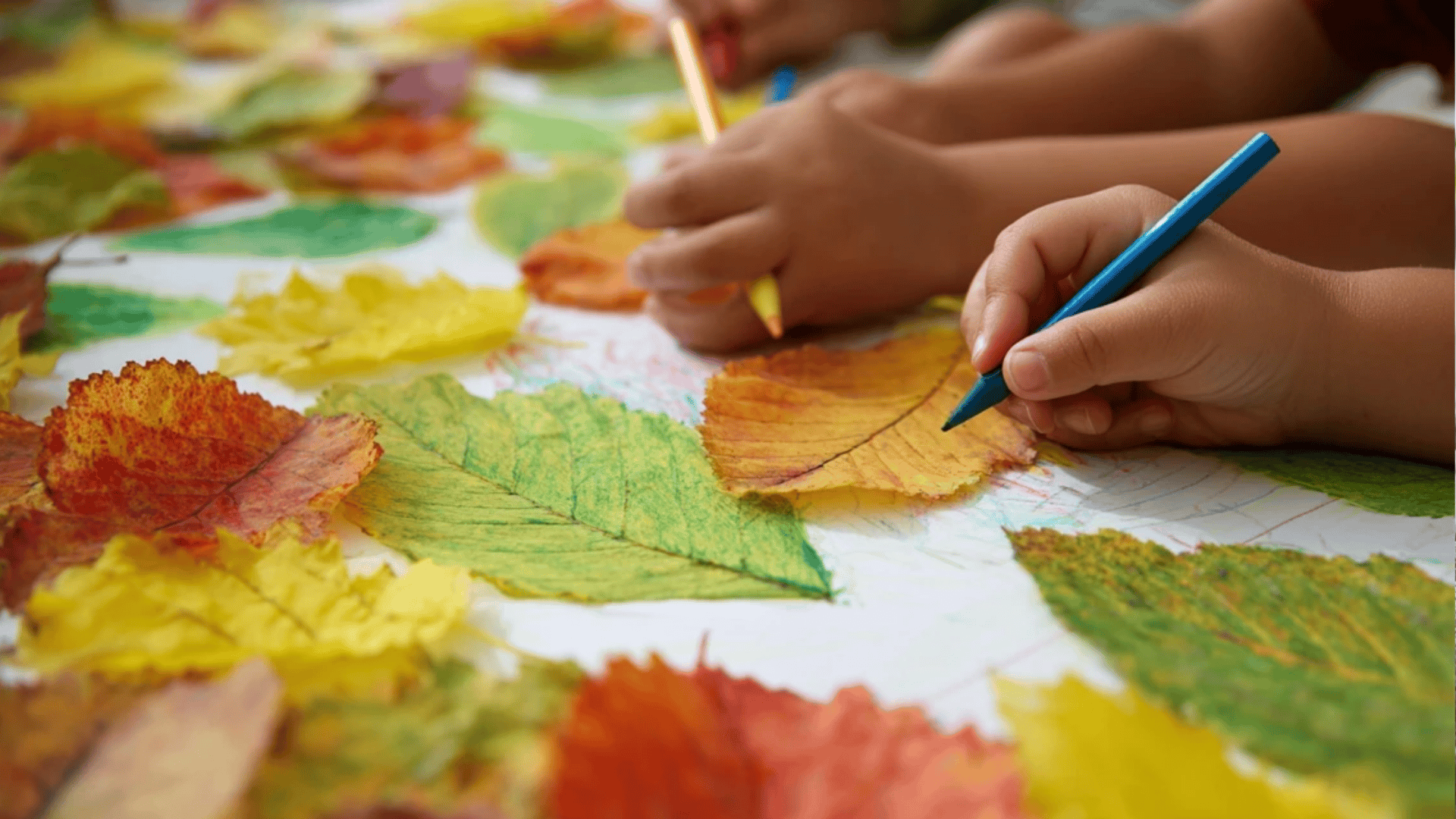
Place real leaves under a sheet of paper and gently rub crayons over them to reveal their unique textures. Children love watching the hidden shapes appear like magic.
This activity teaches observation, texture recognition, and color blending. You can extend it by discussing leaf types and how trees change in the fall, turning art time into a mini-science lesson.
Materials Required: You’ll need a few real leaves, a sheet of white paper, and crayons with the wrappers removed. A flat surface, and optional tape, helps keep the paper steady.
2. Pumpkin Stamp Prints
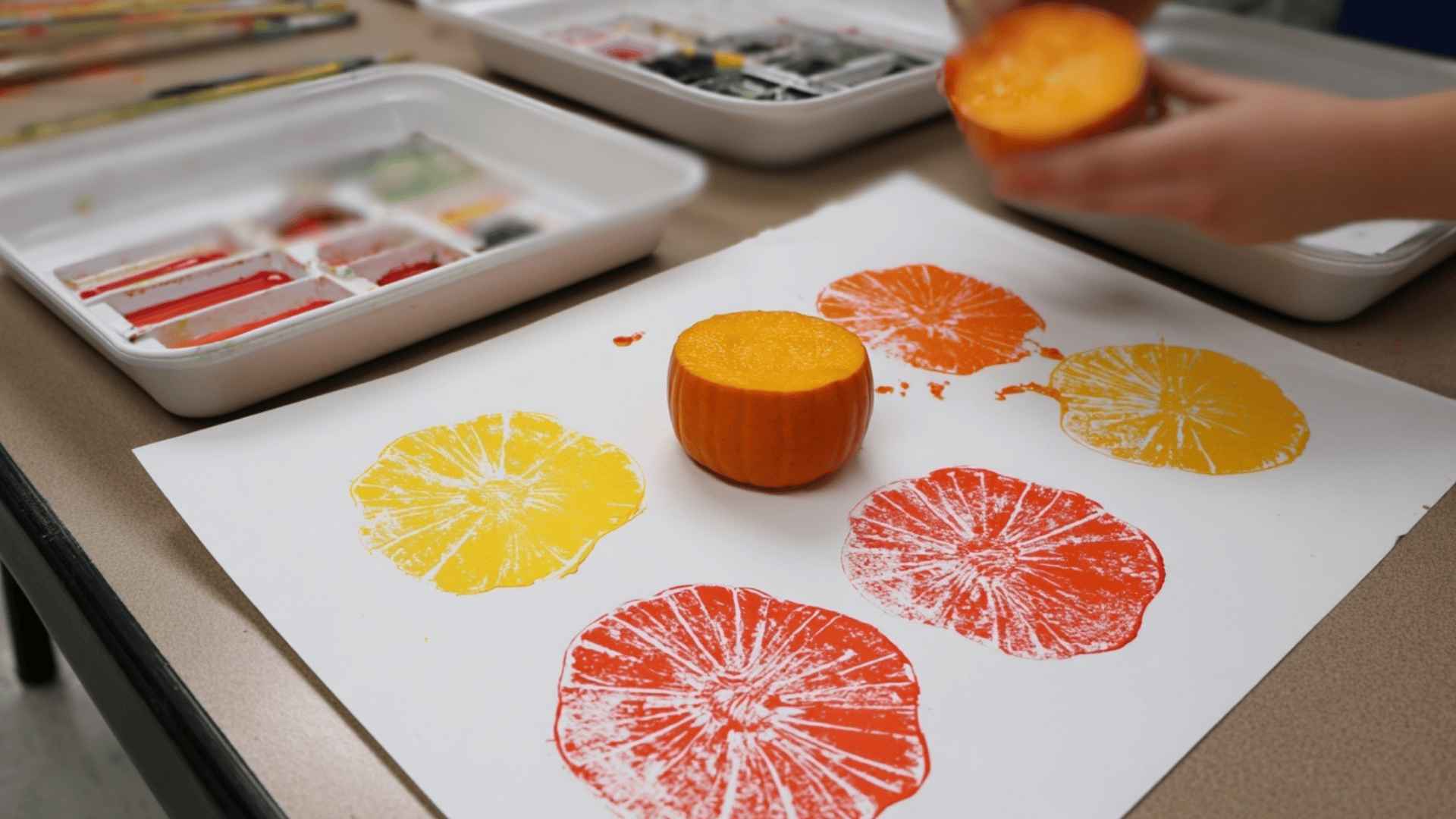
Cut small pumpkins in half, dip them in paint, and stamp them on paper to create fun patterns. Kids can experiment with colors and repetition to form creative designs.
This helps them learn about shapes and patterns while improving hand-eye coordination. Displaying their prints in the classroom makes for a festive seasonal wall!
Materials Required: You’ll need a few small pumpkins cut in half, washable paint in fall colors, a plate or tray for dipping, and sheets of paper for stamping. Having wipes or paper towels nearby helps keep the workspace tidy.
3. Fall Tree Finger Painting
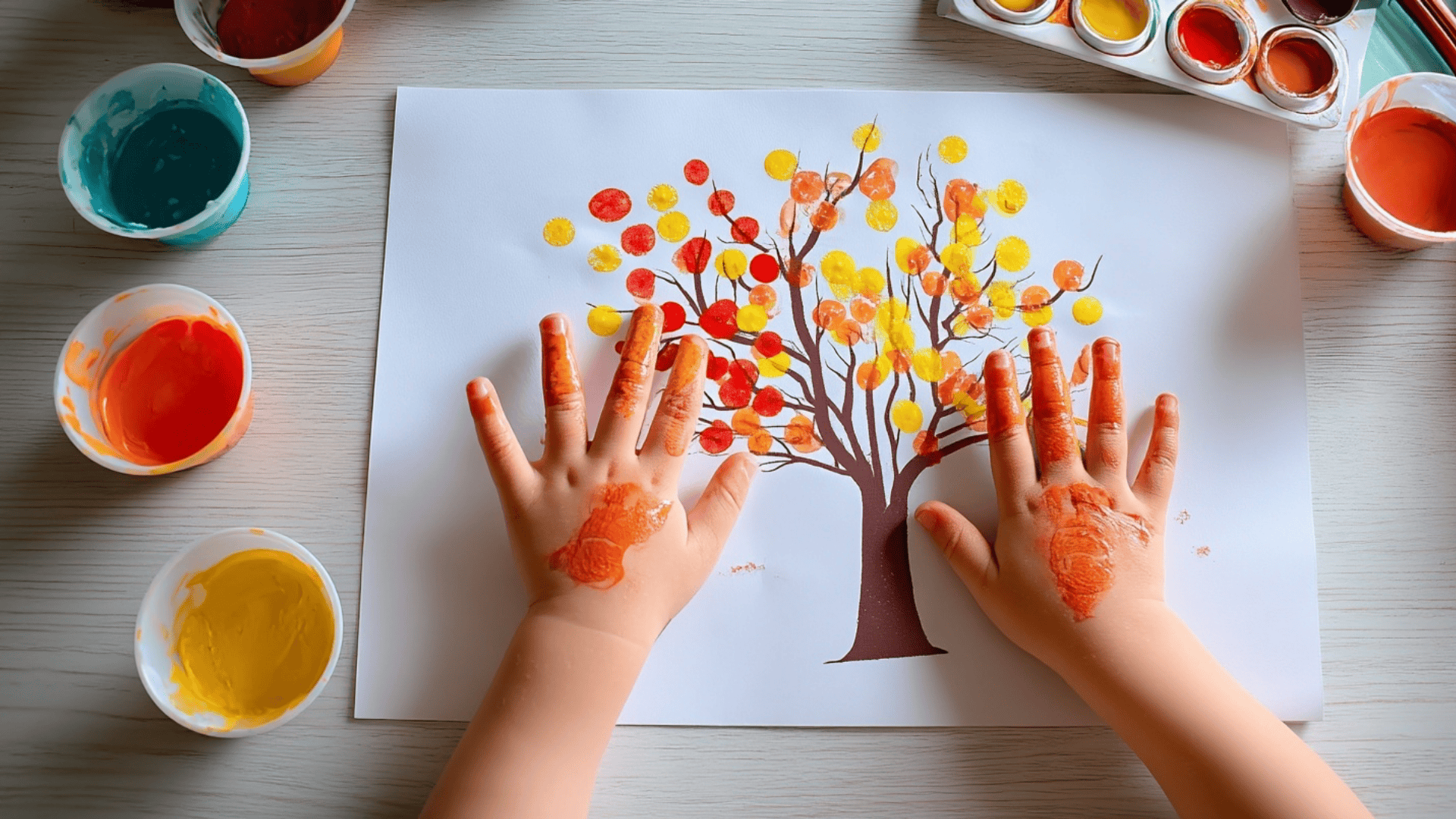
Instead of brushes, have children use their fingers to paint tree trunks and colorful leaves. This tactile activity promotes sensory exploration and creative expression.
It’s a great way to teach color mixing, as kids find out how red and yellow blend into orange. Plus, finger painting gives them freedom to explore without rules or expectations.
Materials Required: You’ll need finger paints in fall colors, sheets of white paper, and a small dish or palette for the paint. Having wipes or a damp cloth nearby makes cleanup easier, and a table covering helps protect the workspace.
4. Paper Plate Scarecrows
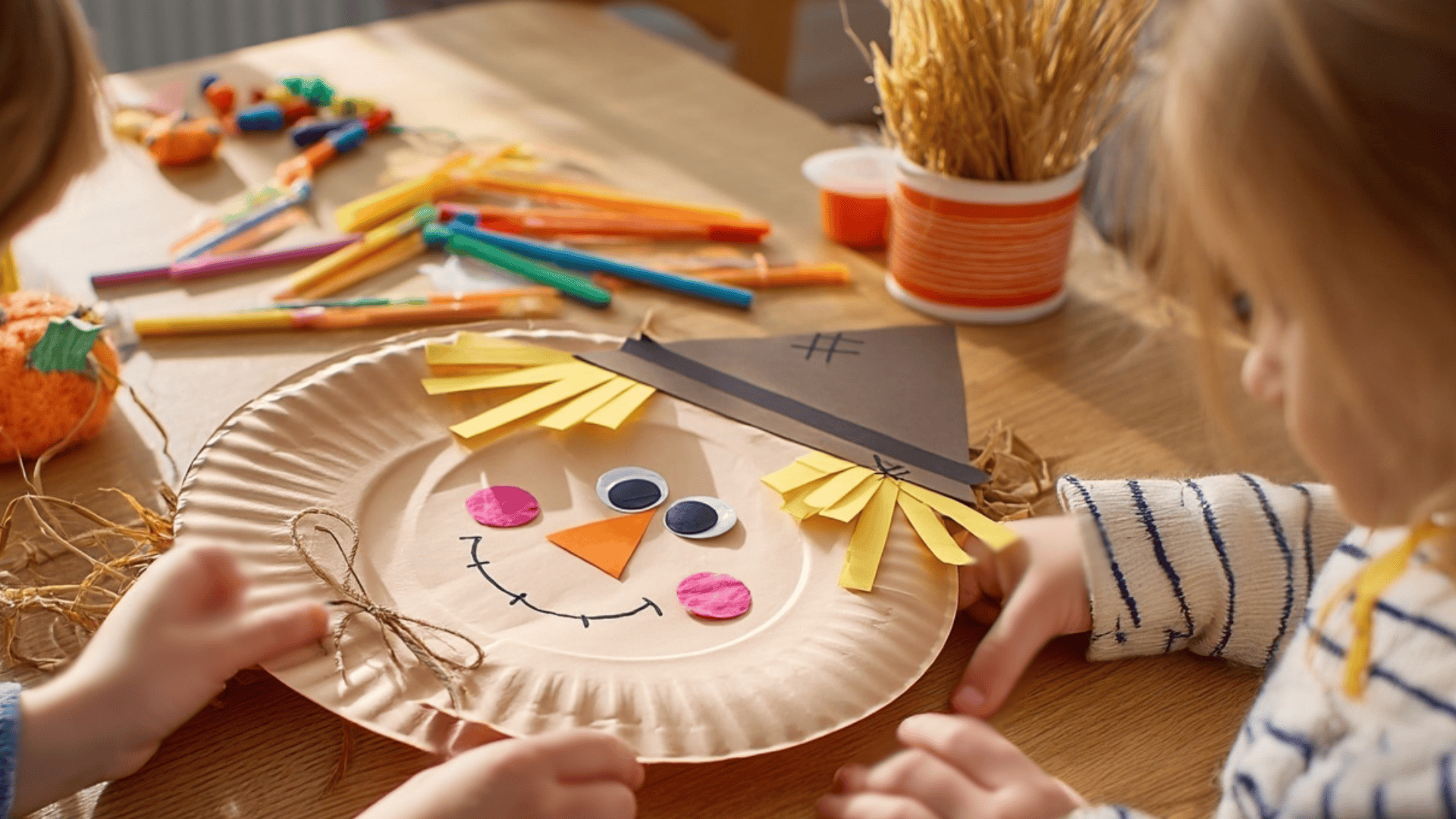
Turn paper plates into cheerful scarecrow faces using construction paper, straw, and fabric scraps. This project builds fine motor skills through cutting and gluing.
Children can personalize their scarecrows with different facial expressions, hats, or even names. It’s a fun group activity that can also spark storytelling sessions.
Materials Required: You’ll need paper plates, construction paper, glue, and safety scissors, along with straw or shredded paper and small fabric scraps for decoration. Markers or googly eyes can be added for fun details, and a table covering helps keep the craft area tidy.
5. Nature Collage Boards
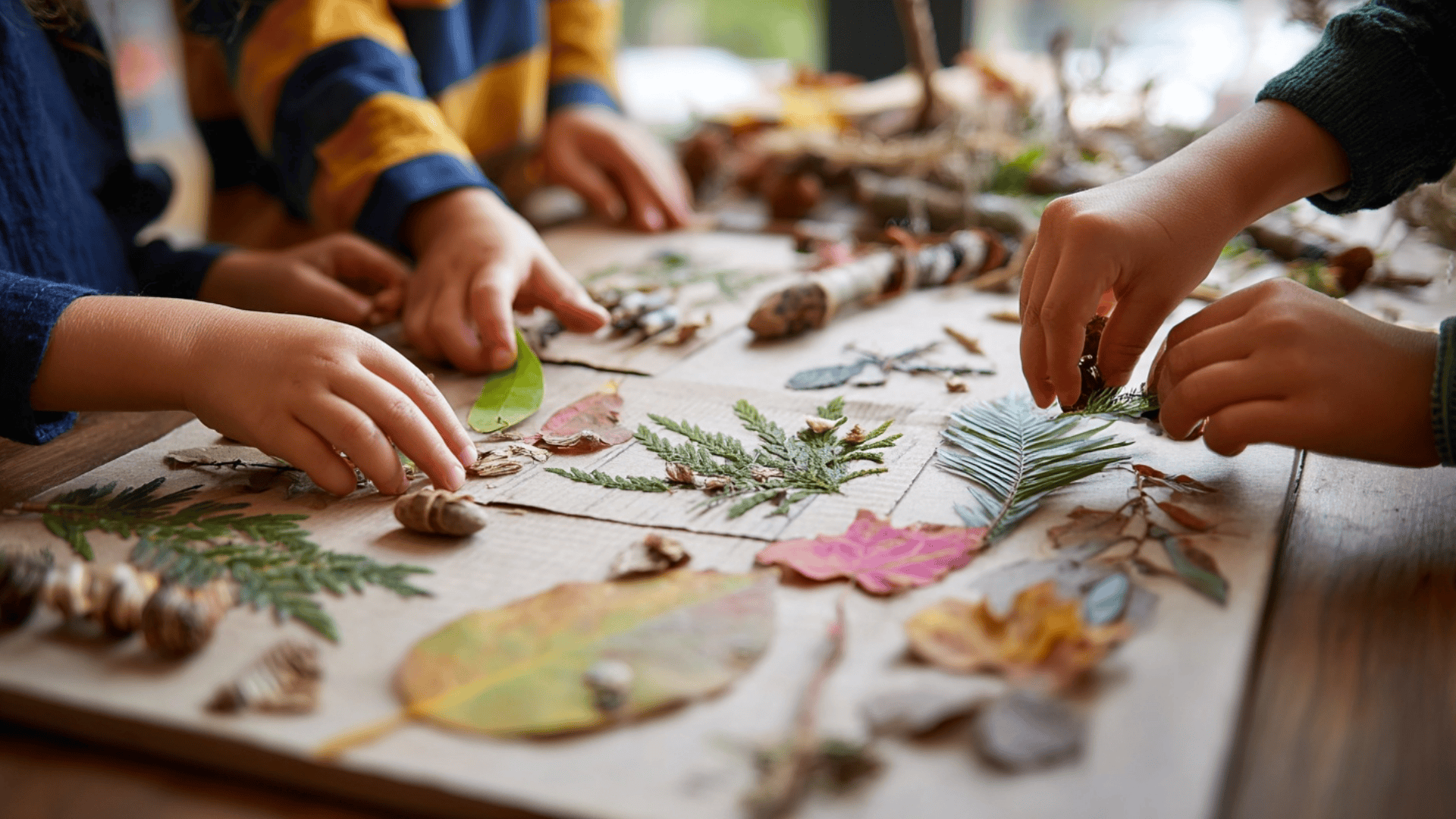
Take a nature walk to collect leaves, twigs, and seeds, then glue them onto cardboard or paper. The textures and colors help children appreciate the beauty of nature up close.
Discussing what they found reinforces vocabulary and observational skills. It’s an eco-friendly project that connects art to environmental awareness.
Materials Required: You’ll need cardboard or thick paper, collected nature items like leaves, twigs, seeds, and glue. A small bag or basket for gathering materials is helpful.
6. Apple Stamping
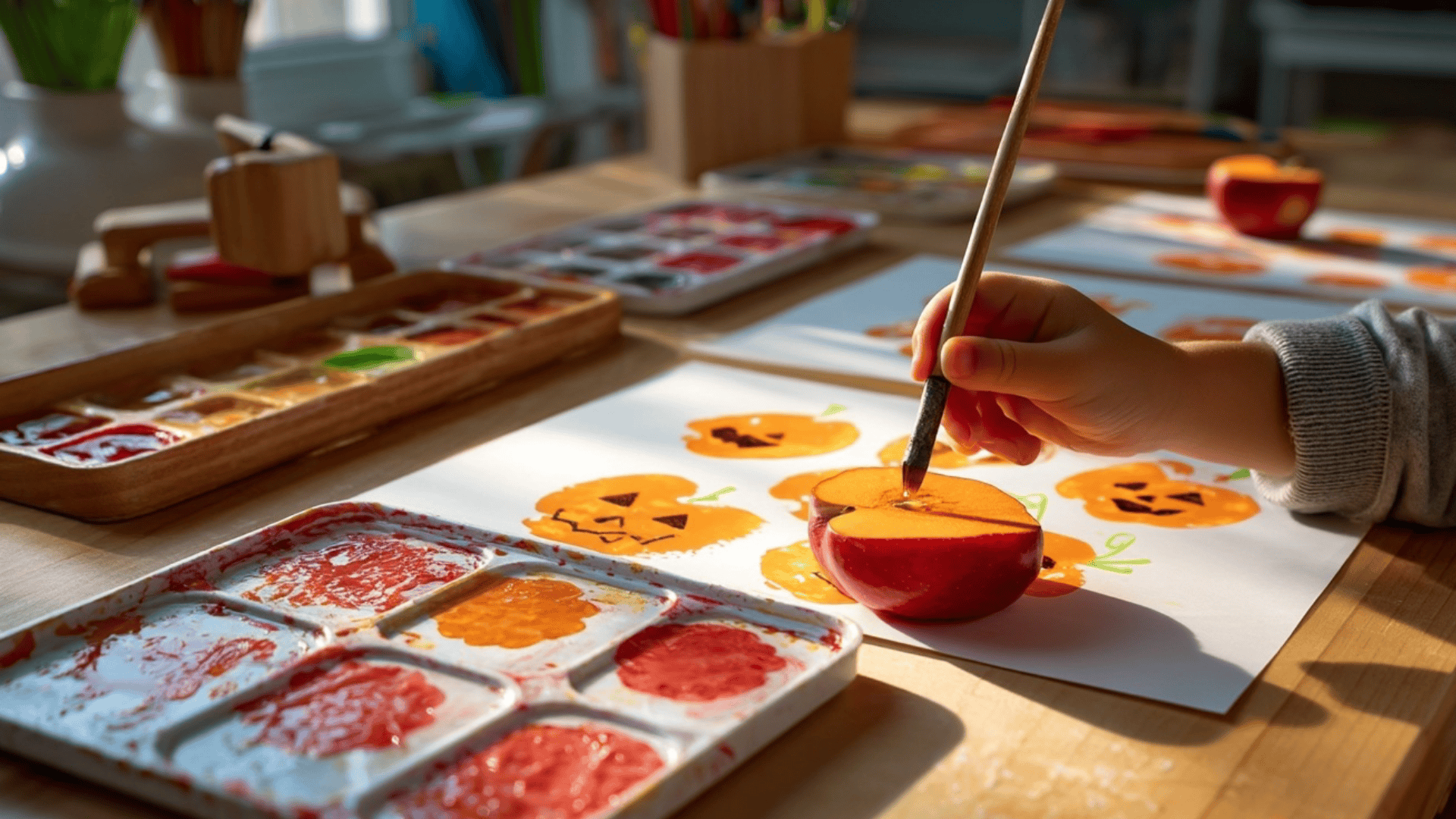
Slice apples in half and use them as stamps dipped in fall-colored paint. Children can create prints that resemble pumpkins, flowers, or abstract shapes.
This activity helps them learn about symmetry and natural forms. You can even turn it into a counting or pattern-recognition game.
Materials Required: You’ll need apples sliced in half, washable paint, a tray or plate for dipping, and paper for stamping. Keep wipes or paper towels nearby for quick cleanup.
7. Leaf Animal Creations
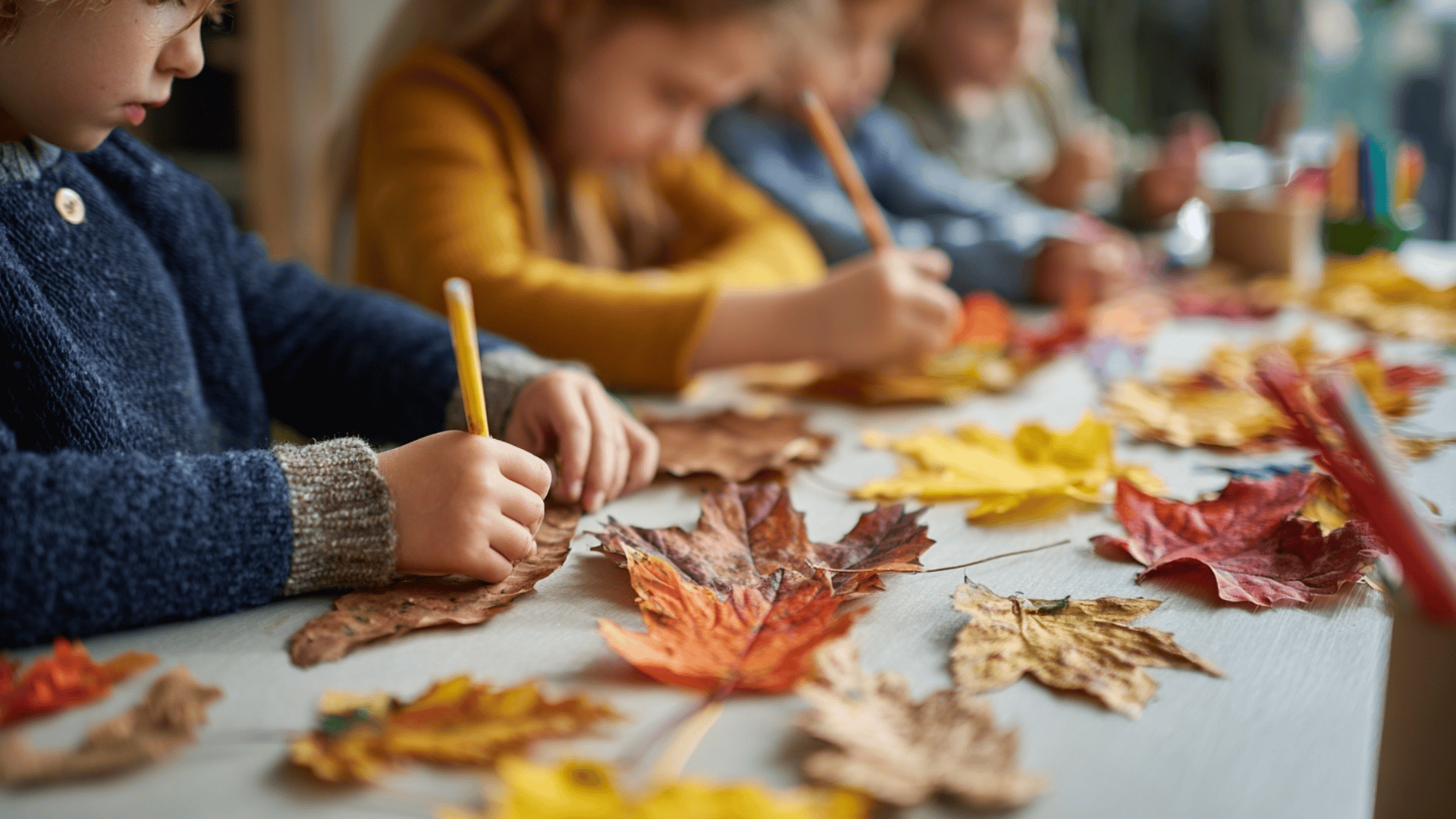
Collect leaves of different shapes and sizes, then glue them together to make animals with markers. Kids can make owls, fish, or foxes by arranging leaves creatively.
This encourages imagination and narrative thinking as they name and describe their leaf creatures. It’s a perfect way to combine art and storytelling.
Materials Required: You’ll need assorted leaves, glue, markers, and plain paper. Optional googly eyes or small embellishments can add extra personality to the animals.
8. Pumpkin Patch Craft
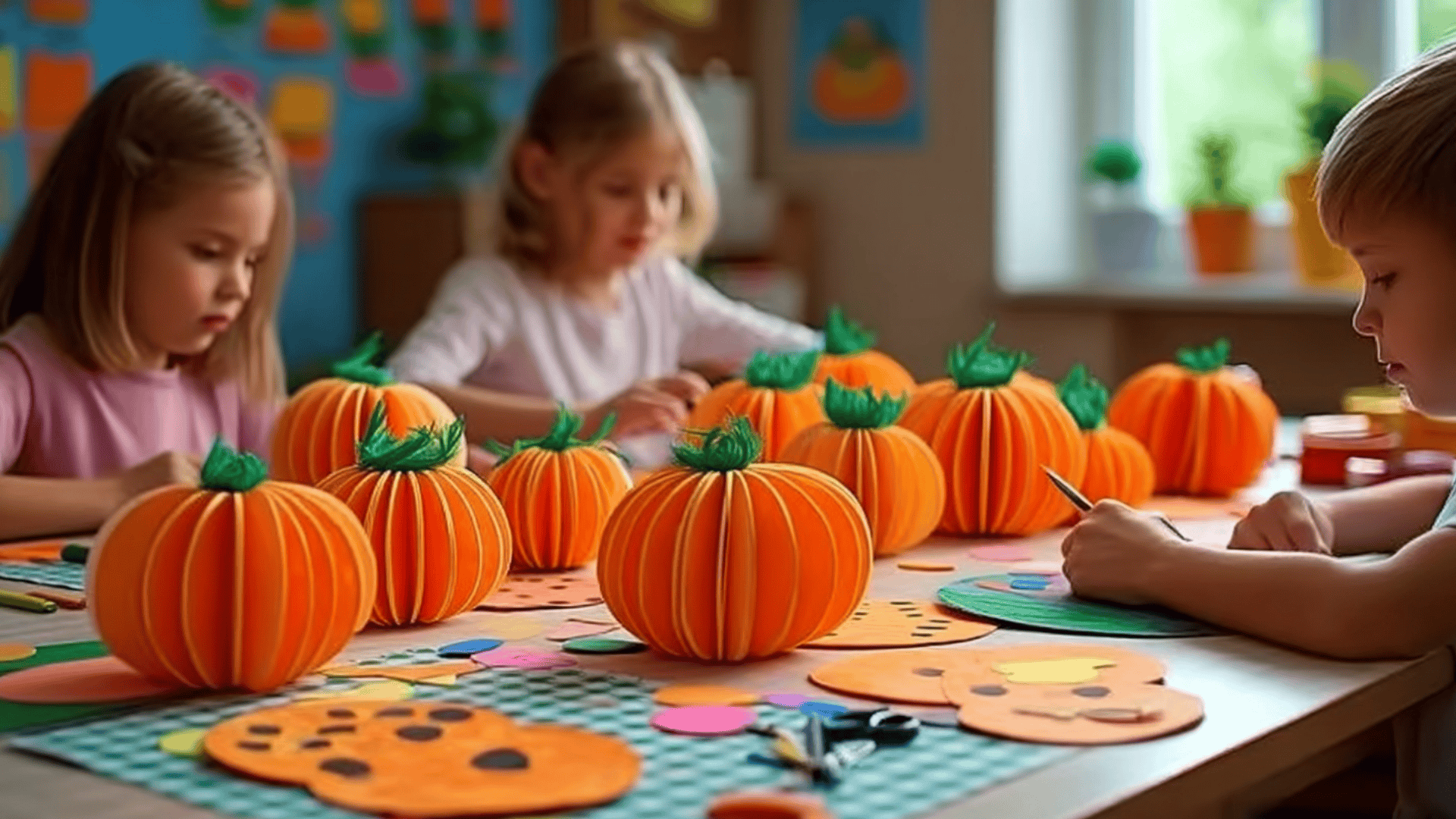
Use orange paper circles to make a cheerful pumpkin patch display. Children can create pumpkins of various sizes and decorate them with faces or patterns.
This group activity promotes collaboration and spatial awareness. It’s ideal for a classroom bulletin board decoration.
Materials Required: You’ll need orange paper circles, green pipe cleaners, glue, scissors, and a background sheet or bulletin board paper. Markers can be used to add faces or patterns.
9. Autumn Sensory Bottles
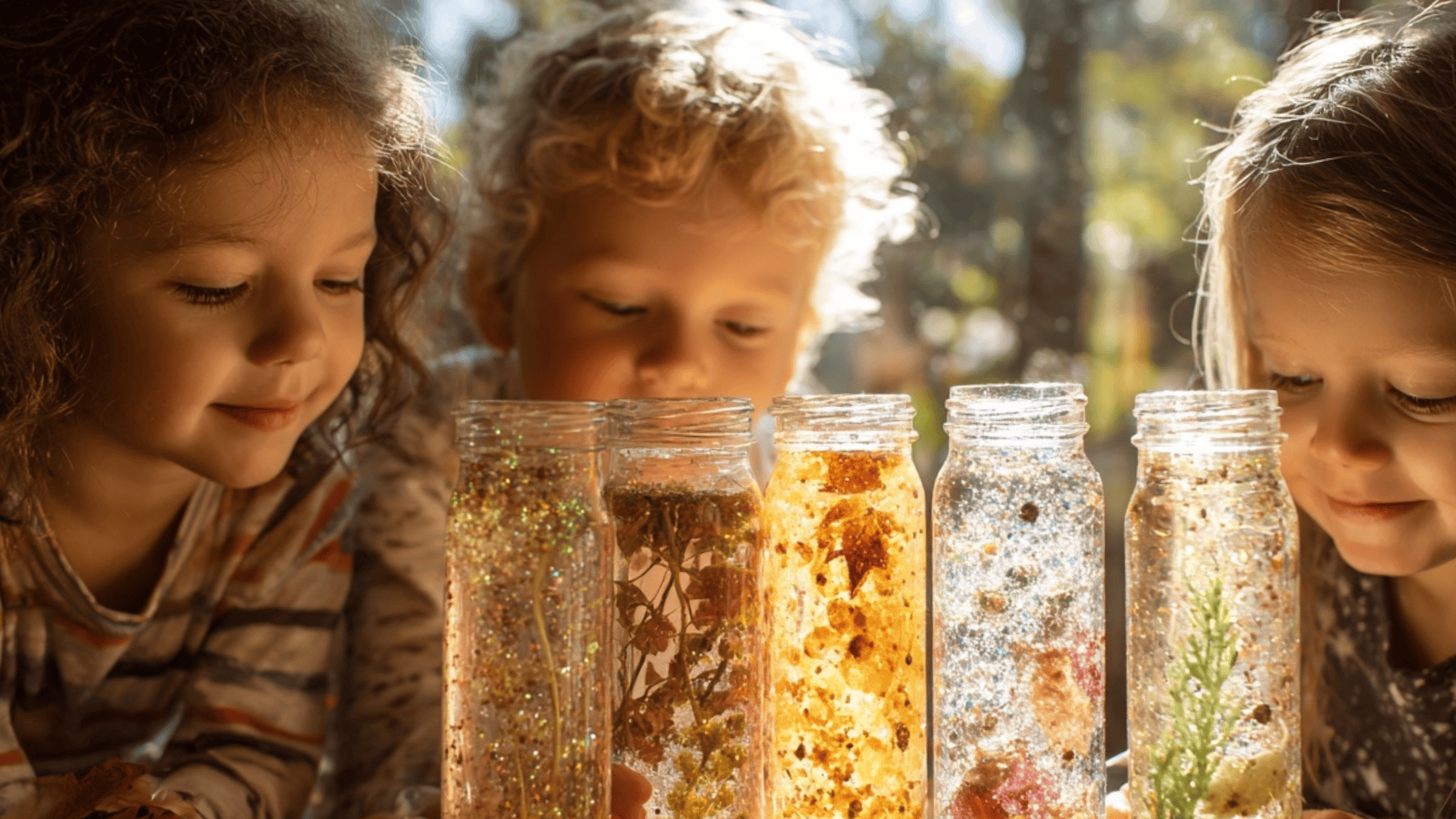
Fill clear bottles with water, glitter, beads, and artificial leaves to create calming sensory tools. Watching the floating items swirl helps children relax and focus.
It’s a soothing project that can double as a mindfulness activity. You can also discuss concepts like buoyancy and movement.
Materials Required: You’ll need clear plastic bottles, water, glitter, beads, and artificial leaves. Hot glue can be used to seal the lids for safety.
10. Tissue Paper Fall Trees
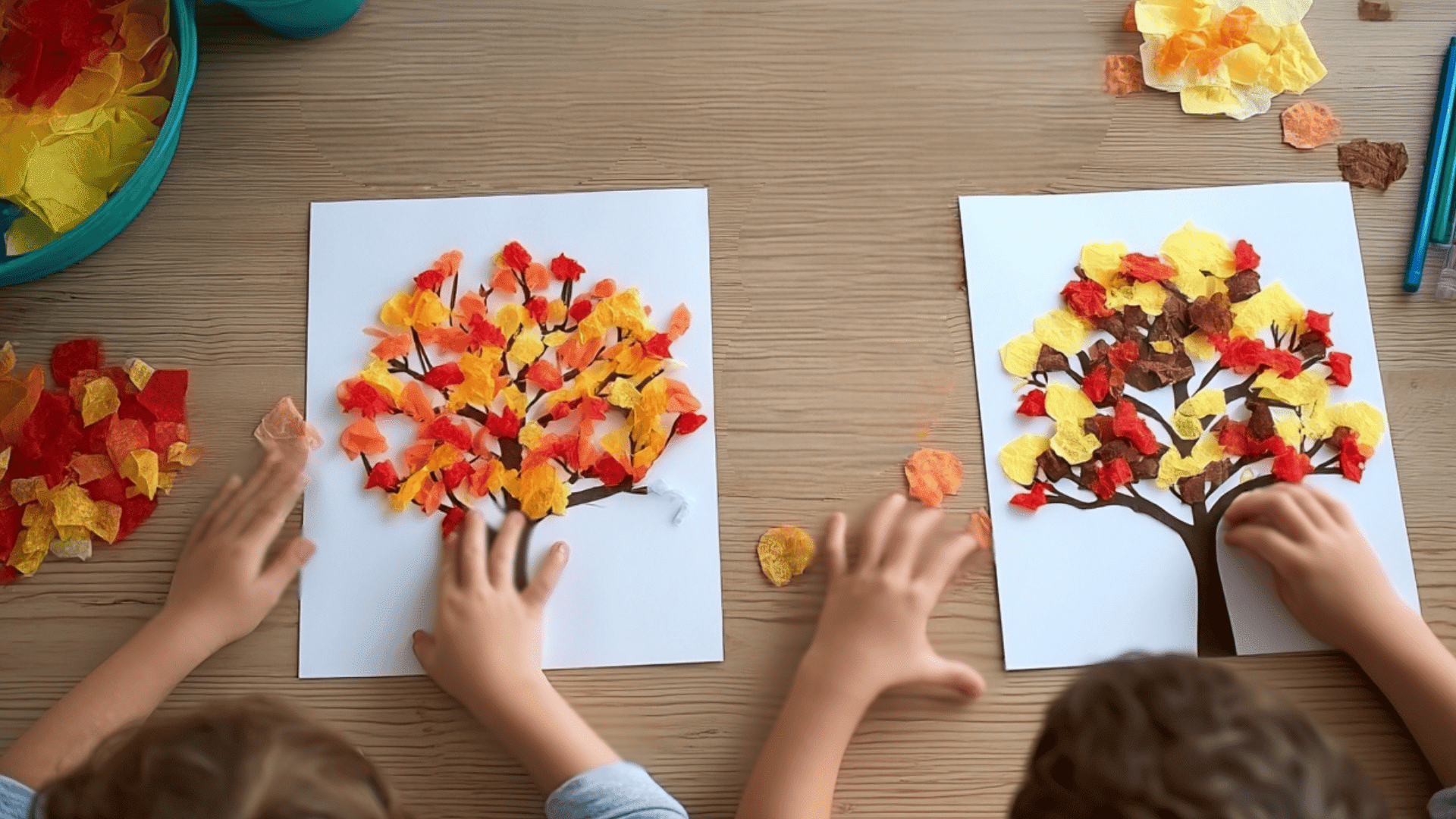
Provide tree outlines and have children glue on torn tissue paper pieces in fall shades. The process of tearing and layering paper strengthens fine motor skills.
Kids will love experimenting with different color combinations to mimic real autumn leaves. It’s also great for exploring textures and depth.
Materials Required: You’ll need printed tree outlines, tissue paper in fall colors, glue, and scissors. A small bowl for holding torn paper pieces keeps the workspace tidy.
11. Handprint Turkeys
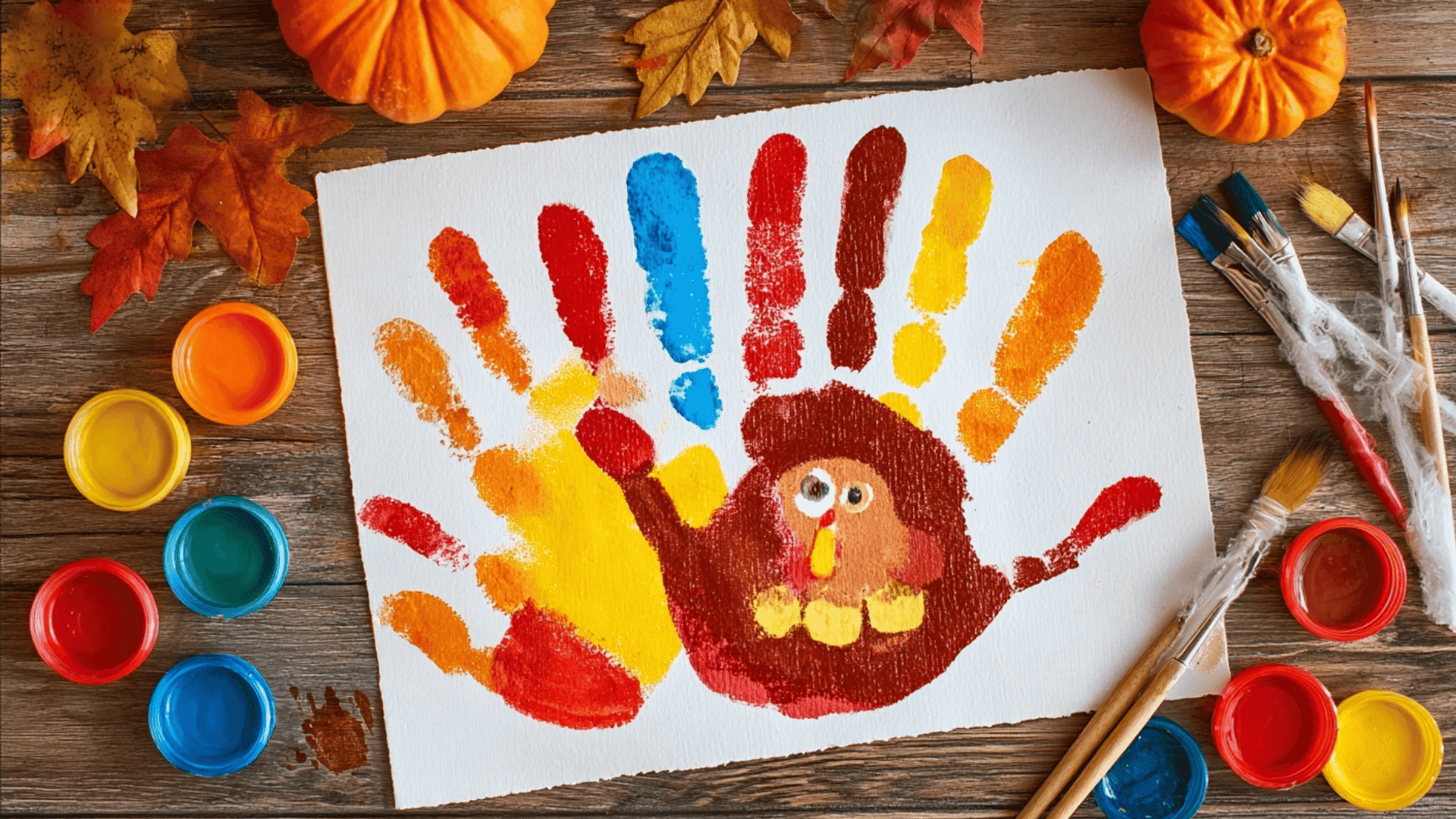
Trace and paint children’s handprints to create the feathers of a turkey, a beloved Thanksgiving classic. Each handprint can represent a family member or friend, adding a personal touch.
It’s a wonderful way to talk about gratitude and traditions. These make perfect take-home crafts for parents.
Materials Required: You’ll need paper, washable paint, brushes, and markers. Optional googly eyes or craft feathers can make the turkeys more fun.
12. Acorn Painting Rollers
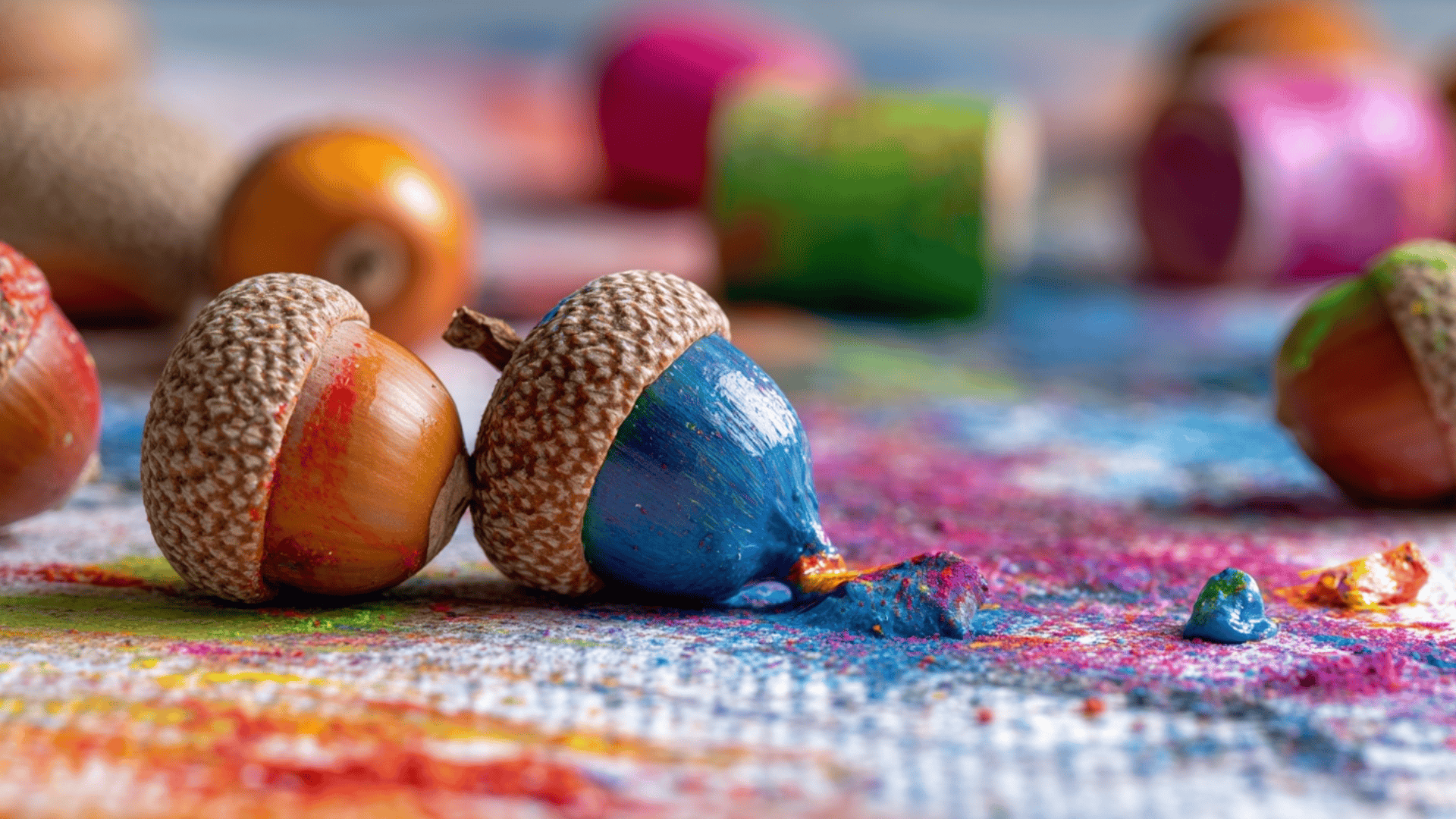
Dip acorns in paint and roll them across paper to create unpredictable, colorful patterns. The randomness of the results excites children and fosters creativity.
This activity helps with hand control and explains cause-and-effect. Try using different-sized acorns for fun variations in pattern.
Materials Required: You’ll need acorns, washable paint, a tray, and paper for rolling designs. A shallow box or pan helps contain the rolling and mess.
13. Corn Husk Dolls
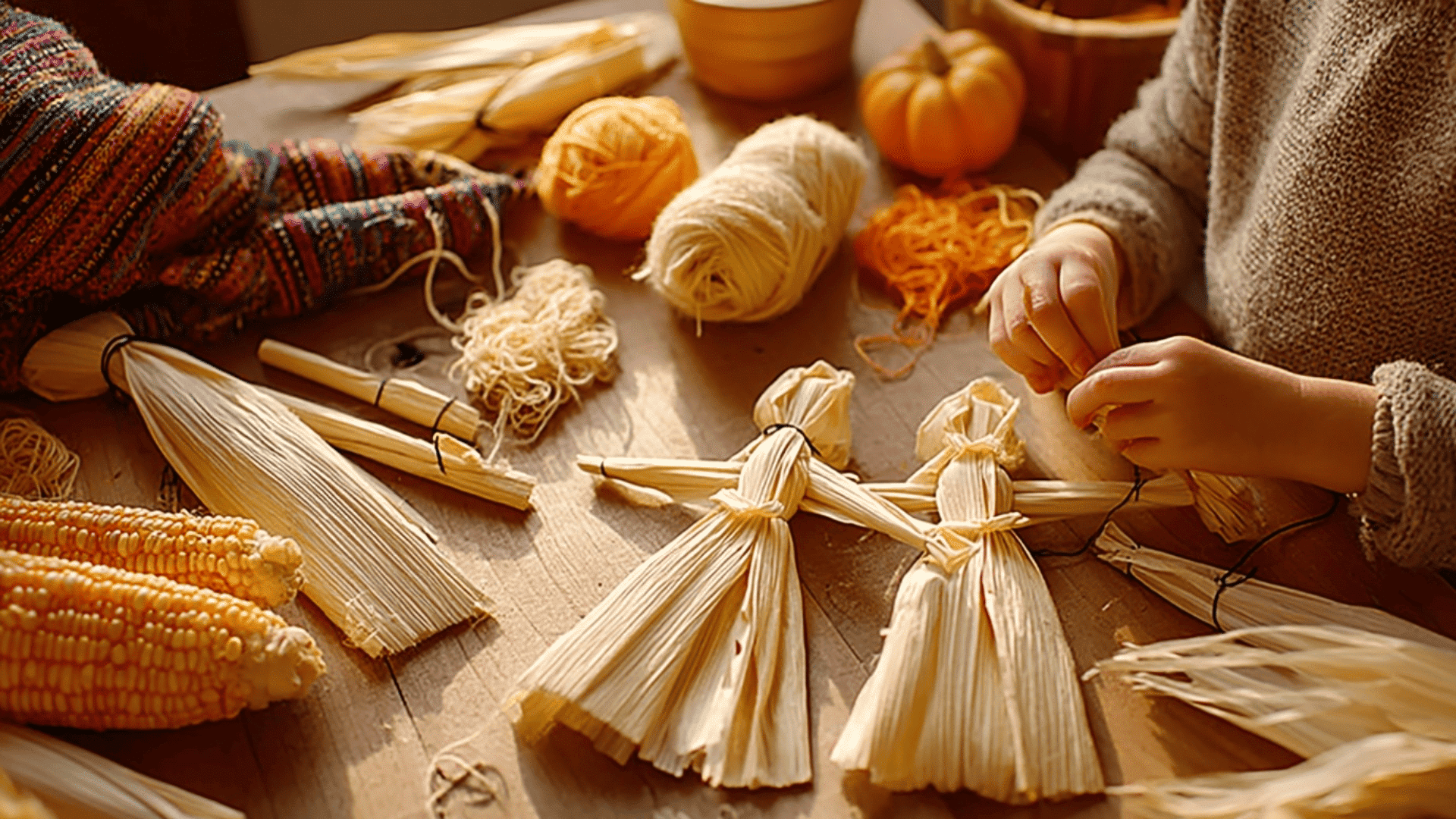
Use dried corn husks and yarn to craft simple dolls inspired by Native American traditions. It’s a tactile activity that connects art with cultural history.
Kids can decorate their dolls with markers or fabric pieces to make them more unique. Teachers can use this to discuss harvest customs and the importance of respecting nature.
Materials Required: You’ll need dried corn husks, yarn, markers, and fabric scraps. A small bowl of warm water is useful for softening the husks before shaping.
14. Sunset Silhouette Painting
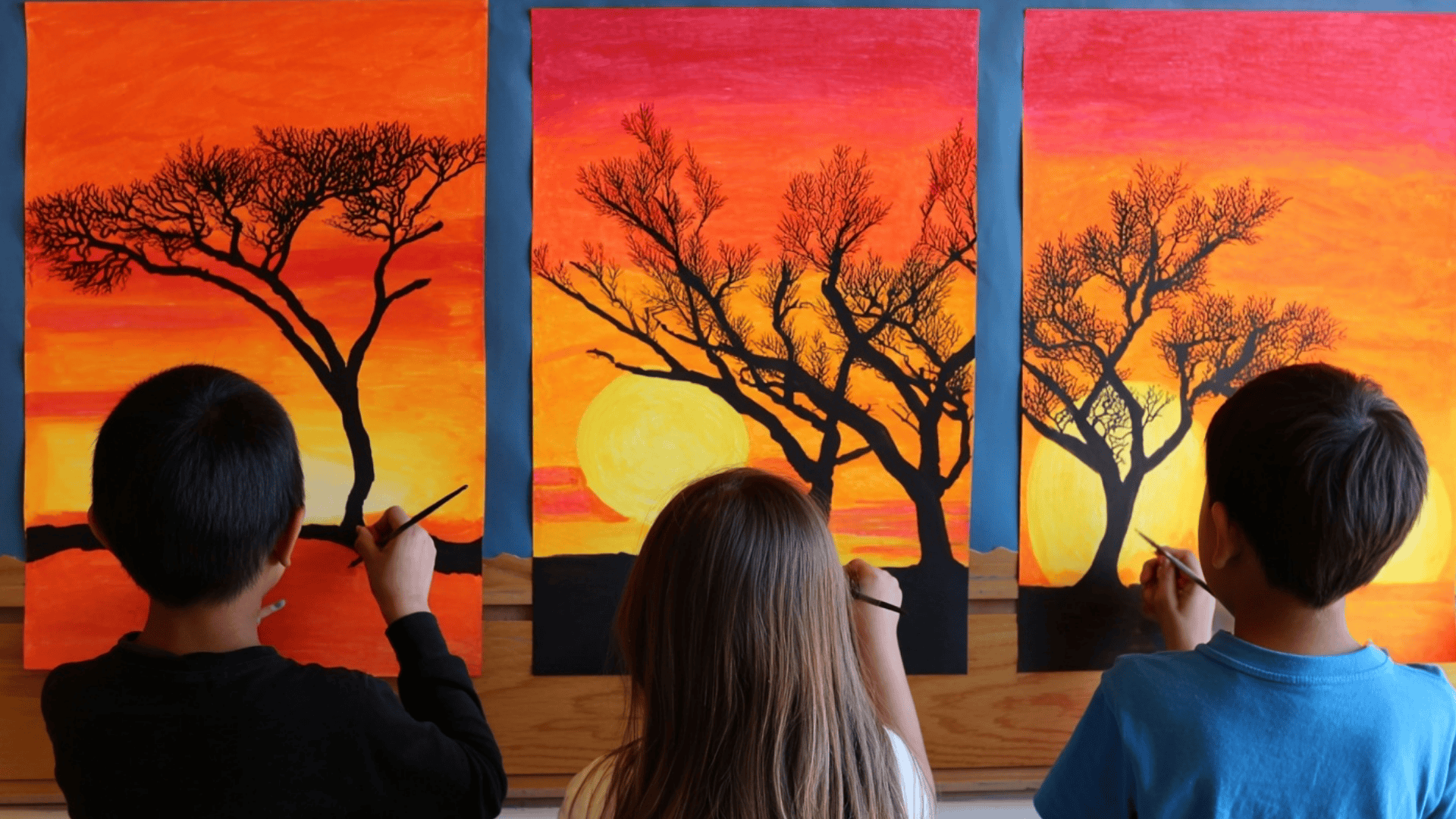
Let children paint sunset backgrounds using warm fall colors like orange, red, and yellow. Once dry, they can layer black paper cutouts of trees, animals, or people to create silhouettes.
This teaches contrast and composition in art. The result is a striking, display-worthy masterpiece that feels like a real fall evening.
Materials Required: You’ll need watercolor or tempera paints in warm colors, brushes, paper, and black construction paper for silhouettes. Scissors and glue help assemble the final scene.
15. Paper Leaf Garland
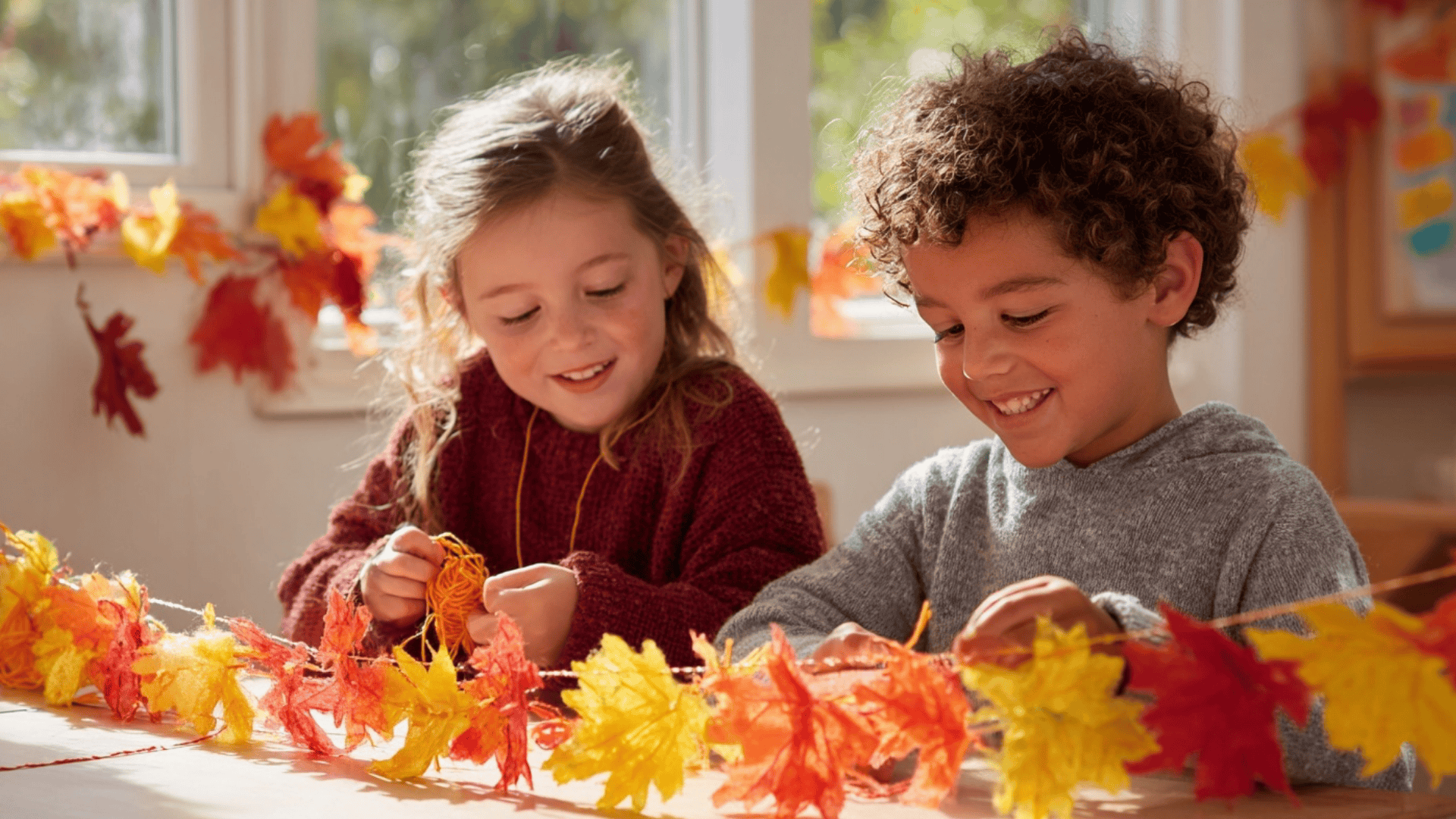
Cut paper leaves in fall shades and string them together using yarn or ribbon. Kids can write words like “Thankful” or “Autumn” on each leaf.
This craft better the teamwork and language skills when done as a group project. It’s also a lovely classroom or home decoration for the season.
Materials Required: You’ll need colored paper, scissors, yarn or ribbon, and hole punchers. Markers can be used for writing messages on the leaves.
16. Fall Wreath Collage
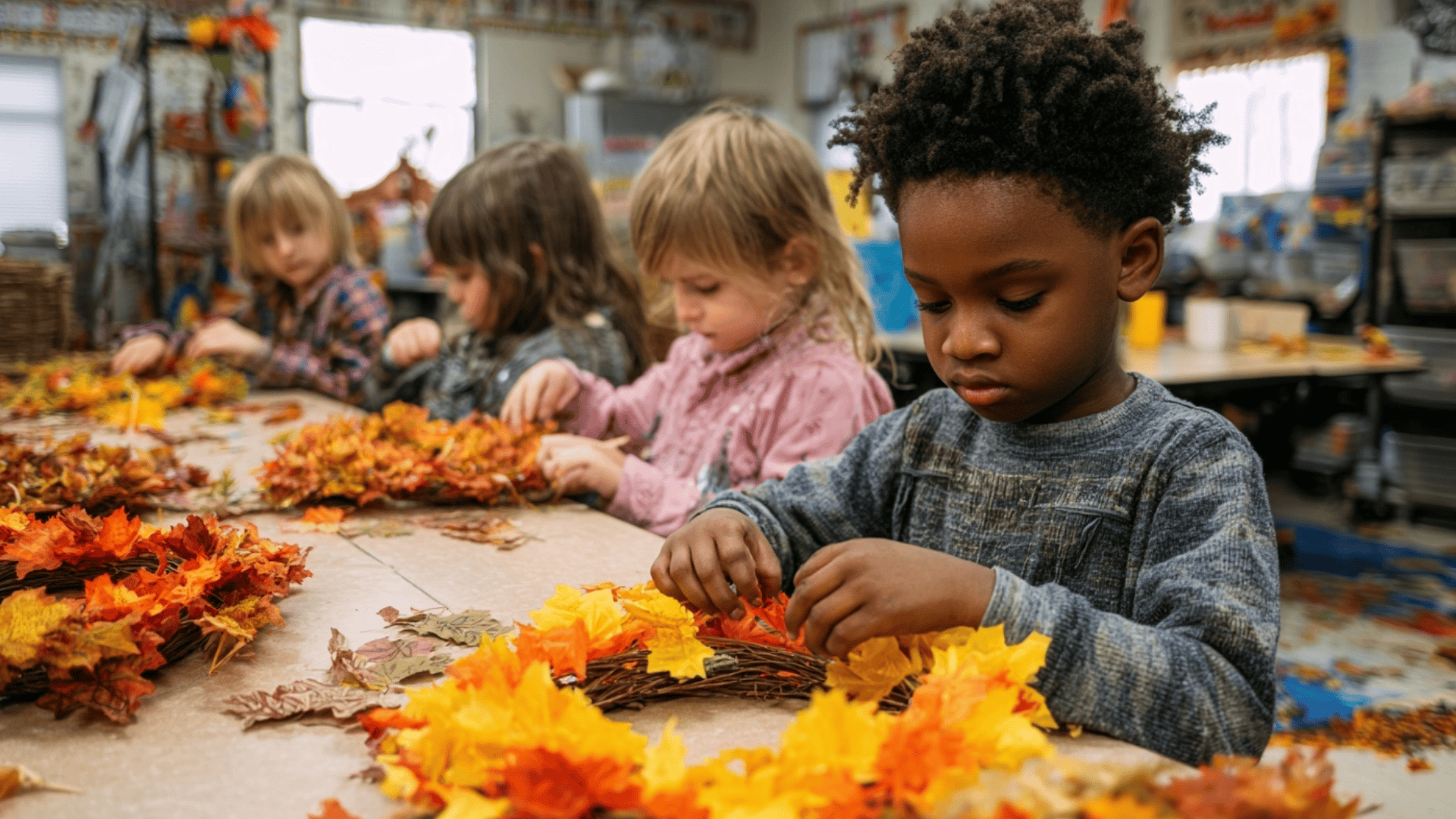
Use a paper plate as a base and decorate it with leaves, ribbons, and buttons. Children can choose their own color combinations to personalize their wreaths.
This project fosters creativity, decision-making, and collaboration if done in groups. It’s a perfect keepsake for fall celebrations.
Materials Required: You’ll need paper plates, fall leaves (real or paper), ribbon, buttons, and glue. Scissors help cut the plate into a wreath shape.
17. Marble-Painted Leaves
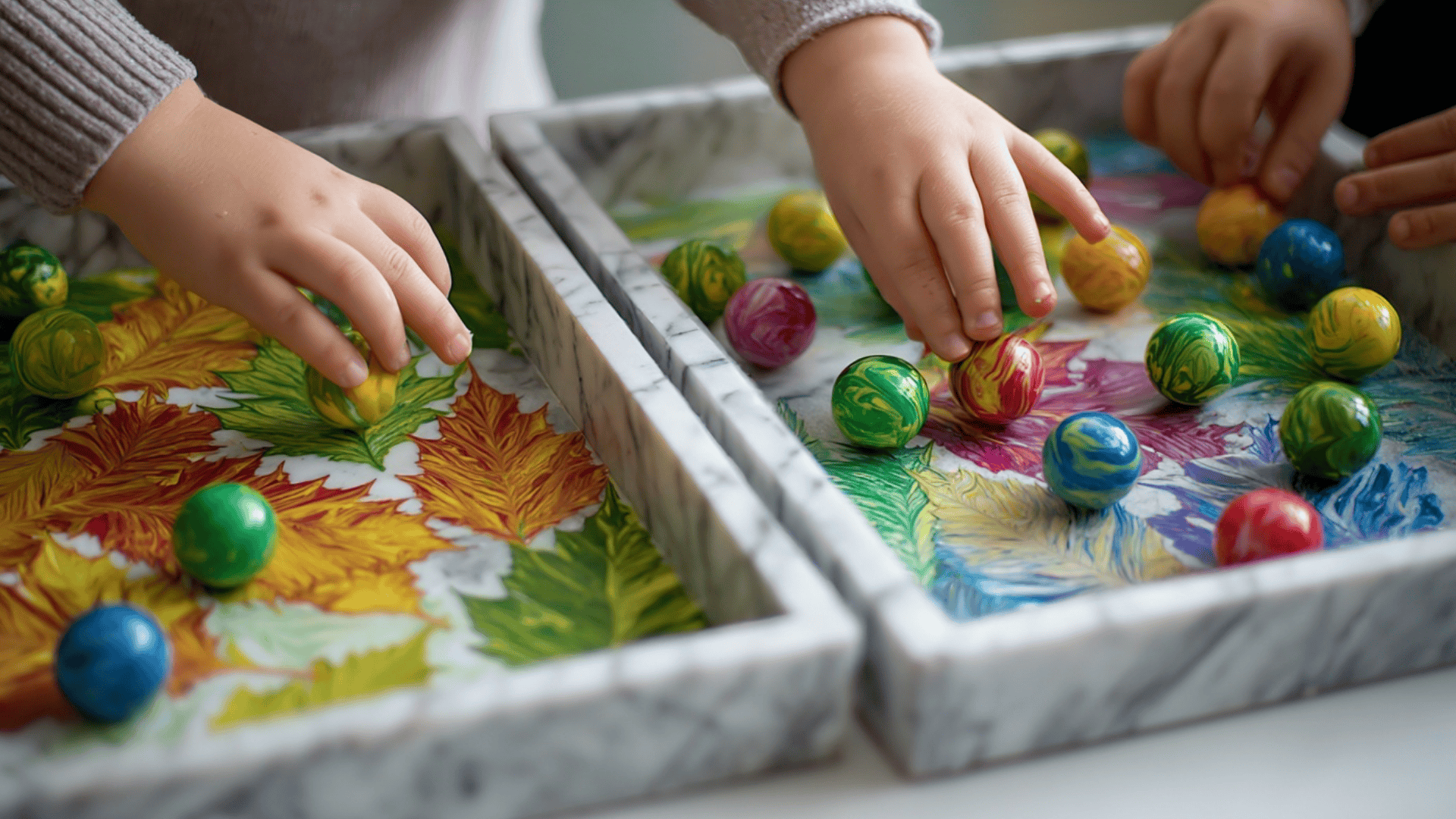
Place paper leaves in a tray, add a few paint-dipped marbles, and roll them around. The movement creates unique streaks and splashes of color.
Kids enjoy the process while strengthening hand coordination. Each piece turns out beautifully abstract and one-of-a-kind, just like real leaves.
Materials Required: You’ll need paper leaves, paint, marbles, and a tray or shallow box. The tray makes it easy to roll marbles without mess.
18. Harvest Basket Craft
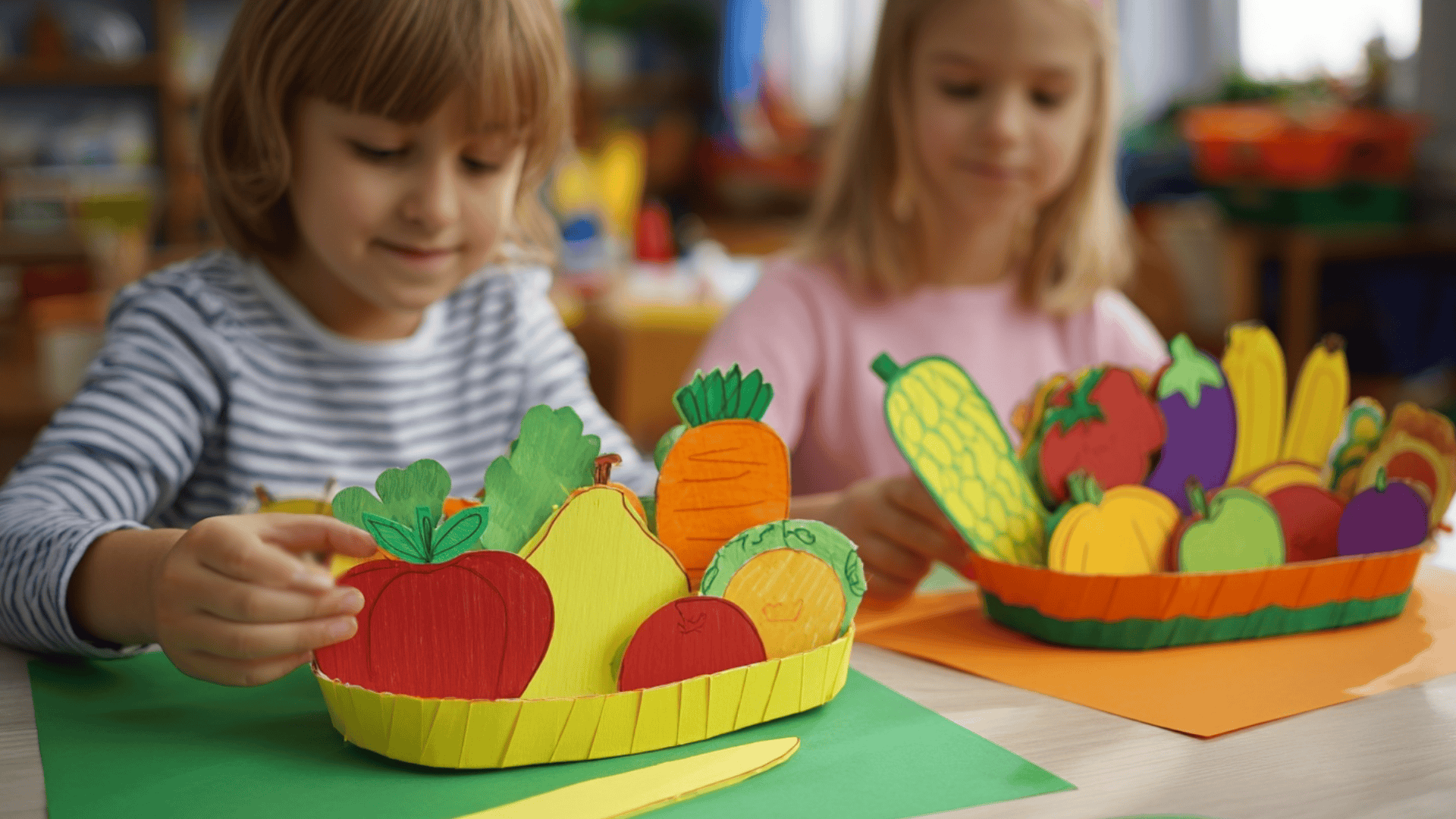
Children can draw or cut out baskets and fill them with paper fruits and vegetables. This fun activity helps them learn about the fall harvest and healthy eating.
Teachers can use it to introduce vocabulary like “produce,” “farm,” and “harvest.” It’s both educational and colorful!
Materials Required: You’ll need paper for baskets, colored paper for fruits and vegetables, scissors, markers, and glue. Templates can help younger children cut shapes.
19. Pinecone Painting
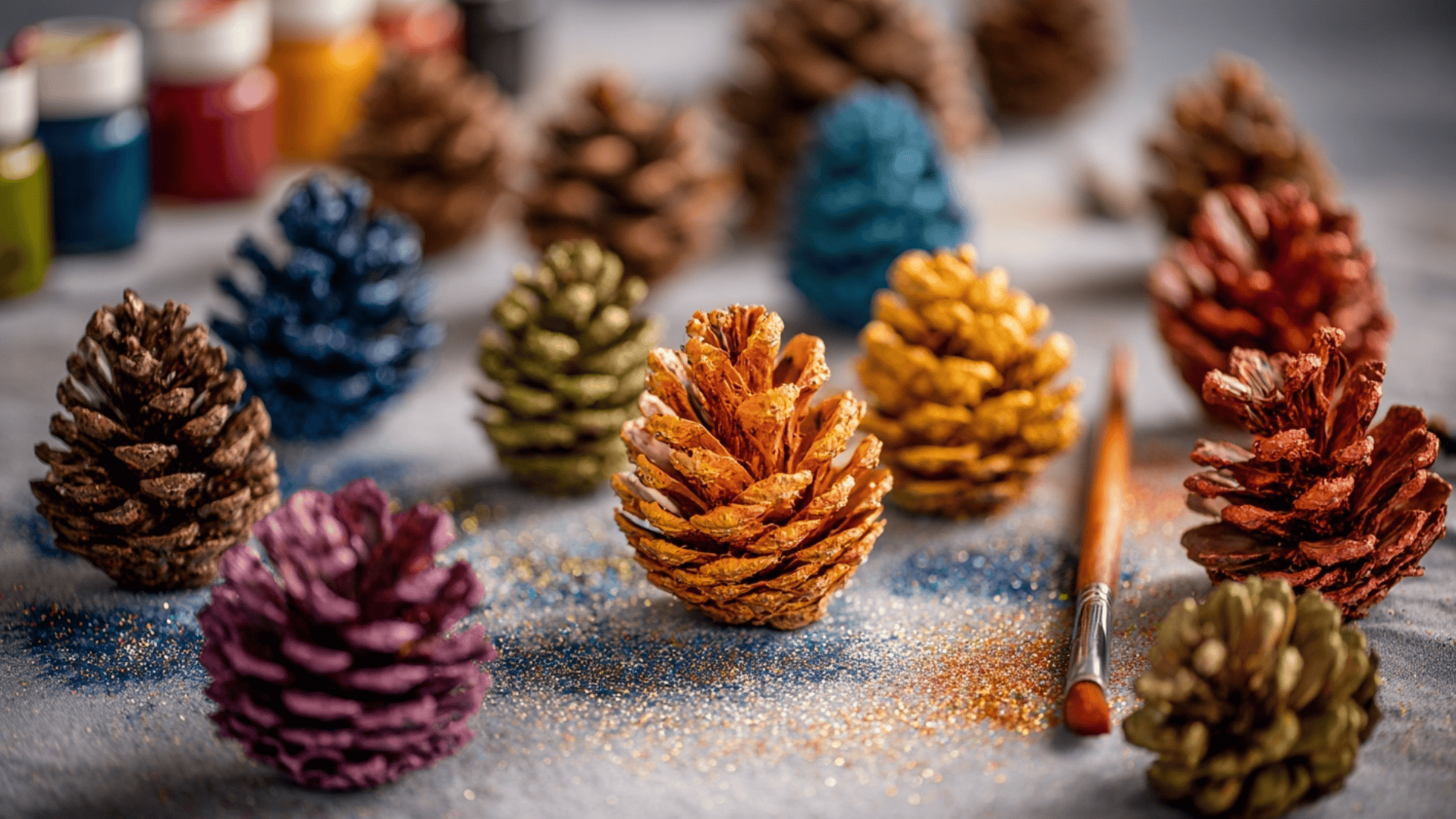
Collect pinecones and let kids paint them with bright fall shades or glitter. The rough texture makes it an excellent sensory craft.
Painted pinecones can be used as ornaments, desk decorations, or gifts. It’s a simple project that brings nature indoors.
Materials Required: You’ll need pinecones, washable paint, brushes, and a protective table cover. Glitter is optional for a festive touch.
20. Pumpkin Paper Mosaics
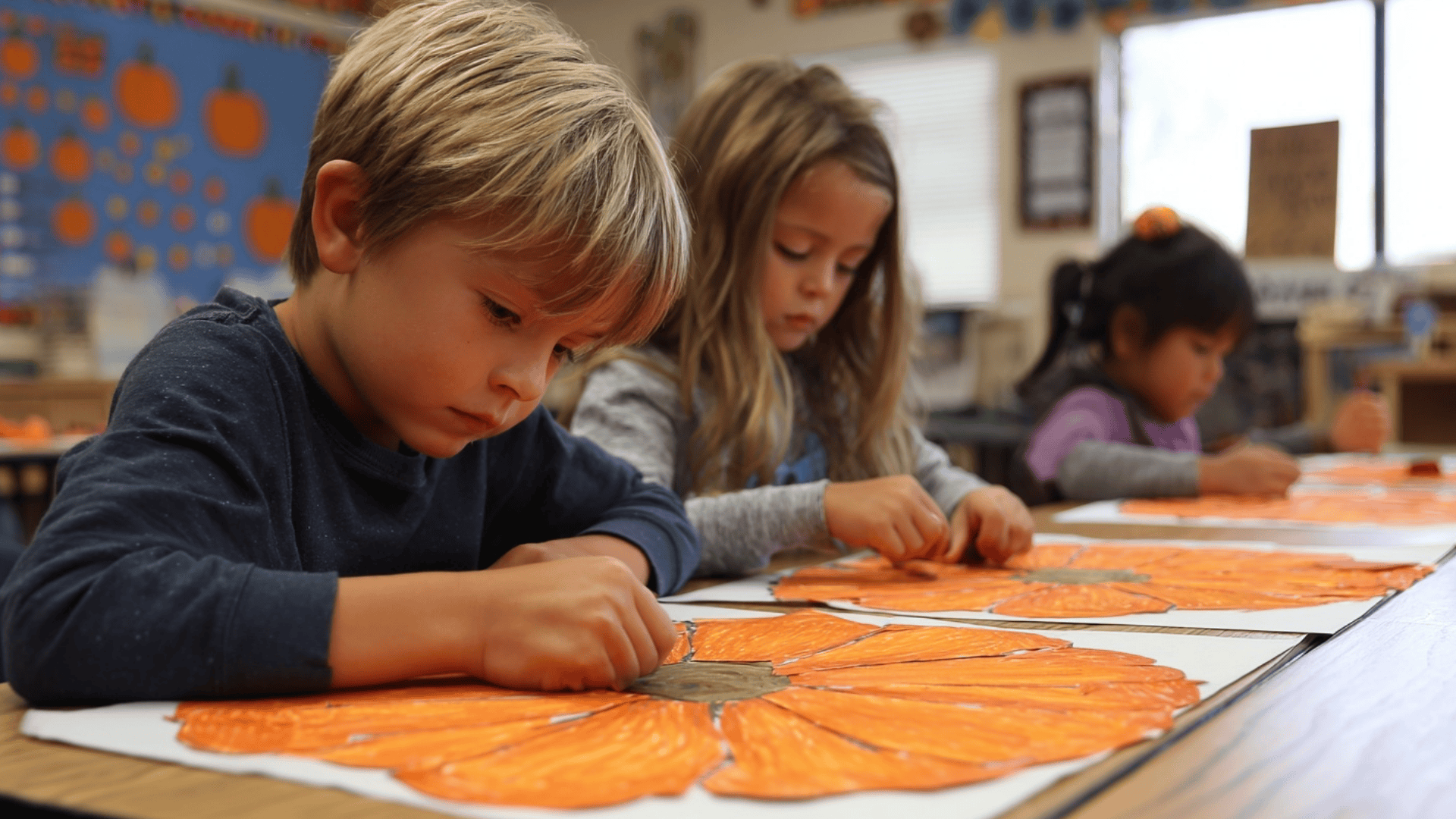
Draw pumpkin outlines and have children fill them in using torn paper pieces. This technique encourages patience, color planning, and pattern recognition.
Kids can experiment with shades of orange, yellow, and brown to create depth. The finished artwork is vibrant and full of texture.
Materials Required: You’ll need pumpkin outline sheets, colored paper to tear, and glue. A variety of orange, yellow, and brown shades adds depth.
21. Autumn Story Art Journals
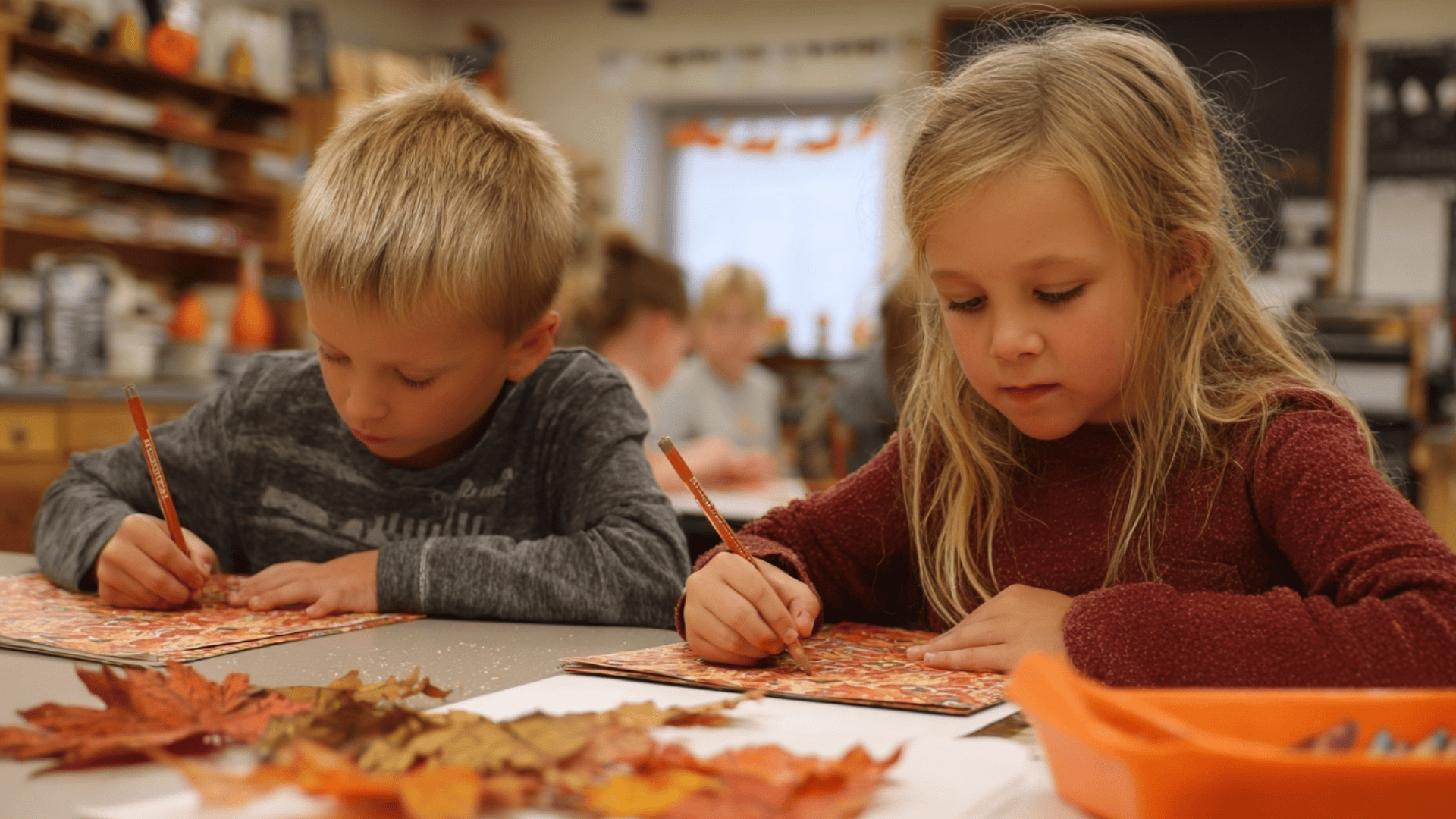
Encourage children to draw and write about their favorite fall memories in small journals. This blends creativity, literacy, and emotional expression.
Teachers can guide students to describe what they see, hear, or feel in the fall. It’s a beautiful way to combine art, storytelling, and reflection.
Materials Required: You’ll need small blank journals or stapled paper booklets, crayons or markers, and optional stickers. A quiet space for drawing and writing makes the activity more reflective.
Educational Integration: Turning Art into Learning
Each fall art project offers an opportunity to blend creativity with early learning subjects. Through science, children can explore how leaves change colors and why seasons shift, sparking curiosity about nature.
In math, they can count leaves, identify shapes, or sort materials by color, reinforcing basic numeracy and organization skills.
Social studies can also be incorporated by discussing cultural fall festivals and harvest traditions from around the world.
By connecting these fall art activities with educational goals, teachers create engaging, multi-disciplinary lessons that inspire curiosity and make learning both visual and meaningful.
Materials Checklist for Fall Art Projects
Before starting your fall art projects, it’s helpful to gather all the necessary materials in one place. This not only saves time but also ensures smoother transitions between activities.
If you’re preparing for classroom crafts or at-home creativity, having a well-stocked art station makes each session more organized and stress-free.
| Category | Materials | Purpose/Notes |
|---|---|---|
| Natural Items | Leaves, pinecones, twigs, seeds | Great for adding authentic fall textures and connecting kids with nature. |
| Art Supplies | Washable paints, glue sticks, scissors, crayons | Essential tools for coloring, cutting, and crafting safely. |
| Craft Extras | Tissue paper, pipe cleaners, paper plates, cardstock | Adds variety and creativity to projects; ideal for 3D and mixed-media art. |
| Classroom Essentials | Aprons, table covers, drying racks | Keeps spaces clean and helps organize finished artworks. |
Having these materials ready in advance makes implementing kindergarten fall art projects smooth, efficient, and enjoyable. With preparation done, you can focus on guiding creativity and celebrating the joy of fall crafting.
Final Thoughts
Fall offers endless creative opportunities for young artists to explore, learn, and express their imagination.
From colorful leaf prints to hands-on sensory crafts, these fall art projects capture the beauty of the season while encouraging curiosity and skill development.
If you’re guiding a classroom full of eager learners or crafting at home with your child, these fall art activities are simple to adapt for all ages.
They nurture creativity, improve coordination, and connect kids to nature’s changing colors and textures. Encourage children to observe the world around them, to see art in every leaf, branch, and pumpkin.
With these fun and educational kindergarten fall art projects, every autumn day becomes a celebration of learning and creativity.