

The air turns crisp, leaves begin their gradual shift to gold and crimson, and daylight grows noticeably shorter.
These familiar signals tell us autumn is arriving, but when exactly does fall begin in 2025?
The answer lies not in the calendar alone but in the sky itself, as Earth tilts and the sun crosses the celestial equator.
This subtle balance of light and dark has long signaled change, reflection, and renewal.
Across generations and continents, people have felt this same quiet turning: a moment when nature exhales, harvests ripen, and the year begins its graceful descent toward rest.
When Is the First Day of Fall 2025?
The first day of fall in 2025 arrives on Monday, September 22, at 2:19 p.m. Eastern Time, marked by the autumnal equinox: the moment when daylight and darkness briefly share the sky in near-perfect balance.
This celestial turning point subtly shifts each year as Earth’s orbit and leap-year cycle adjust our calendars.
| Year | Autumnal Equinox (Northern Hemisphere) | Autumnal Equinox (Southern Hemisphere) |
|---|---|---|
| 2025 | Monday, September 22 | Thursday, March 20 |
| 2026 | Tuesday, September 22 | Friday, March 20 |
| 2027 | Thursday, September 23 | Saturday, March 20 |
| 2028 | Friday, September 22 | Sunday, March 19 |
Source: ALMANAC
While this event marks the astronomical start of fall in the Northern Hemisphere, it signals the start of spring in the Southern Hemisphere.
Meteorologists, however, mark fall differently, spanning September 1 to November 30 for consistent climate records and forecasting.
What Is the Autumnal Equinox?
The autumnal equinox marks the exact moment when the Sun crosses the celestial equator moving southward, creating nearly equal hours of light and darkness across the globe.
The word comes from the Latin aequus (equal) and nox (night). Earth’s 23.5° tilt causes the seasons, and during the equinoxes, the Sun rises due east and sets due west, a perfect balance seen only twice a year.
Despite its name, day and night aren’t exactly equal; atmospheric refraction and the Sun’s size give a few extra minutes of daylight.
Symbolically, the equinox embodies harmony, gratitude, and transition: a quiet turning from abundance to rest as autumn begins.
The Harvest Moon and Its Connection to Fall
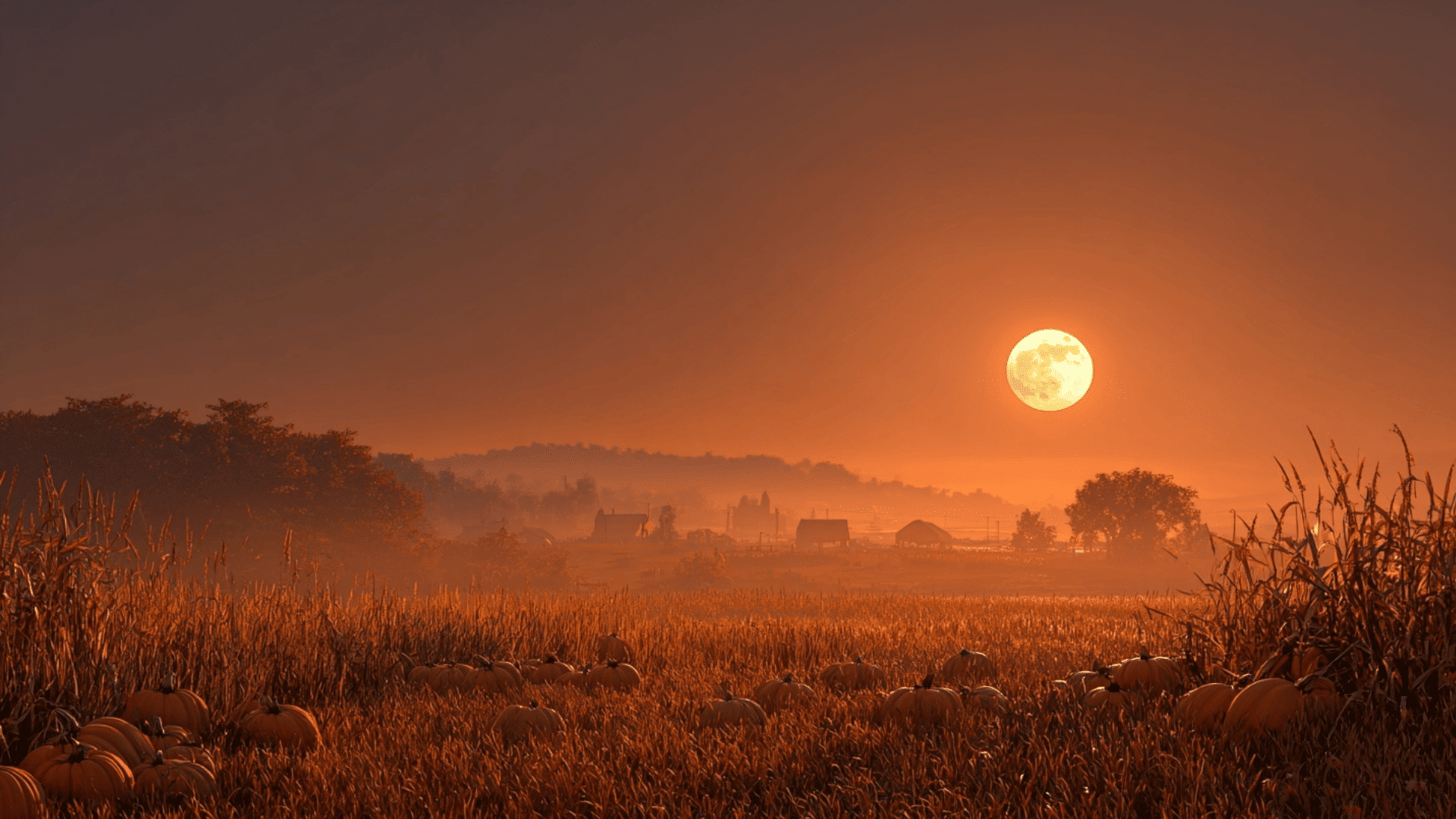
The Harvest Moon is the full moon that appears closest to the autumnal equinox, and in 2025, it will grace the sky on October 6, about two weeks after fall begins.
What sets it apart is its rhythm; instead of rising about 50 minutes later each night, it appears roughly 30 minutes later, thanks to the Moon’s shallow orbital angle near the horizon.
This creates several evenings of soft, golden light soon after sunset, once relied upon by farmers to gather their final crops.
Beyond its practical glow, the Harvest Moon has long symbolized abundance, gratitude, and completion, inspiring celebrations of community and nature’s enduring generosity.
Understanding Meteorological and Astronomical Fall
Two systems define when fall begins, one shaped by Earth’s cosmic rhythm, the other by the consistency of the human calendar.
According to the National Centers for Environmental Information, both approaches serve a purpose: one connects us to the planet’s orbit around the Sun, while the other supports accurate weather tracking and climate analysis.
In 2025, the astronomical fall in the Northern Hemisphere runs from the autumnal equinox on September 22 to the winter solstice on December 21.
Meteorological fall, however, follows fixed monthly boundaries, lasting from September 1 through November 30.
| Aspect | Astronomical Fall | Meteorological Fall |
|---|---|---|
| Start Date | Around September 22–23 | September 1 |
| End Date | Around December 21–22 | November 30 |
| Basis | Earth’s tilt and position relative to the Sun | Annual temperature cycle and fixed calendar months |
| Length | Varies (about 89–93 days) | Consistent (3 months) |
| Purpose | Reflects celestial balance and seasonal transition | Used by meteorologists and climatologists for data consistency |
Beyond scientific definitions and calendars, the signs of autumn reveal themselves first in nature, long before we notice them on a date.
What to Expect as Signs of Fall
Subtle changes in nature mark autumn’s arrival, unfolding gradually rather than appearing all at once after the equinox.
- Leaves change color as chlorophyll fades, revealing brilliant reds, oranges, and golds.
- Cooler temperatures arrive, with crisp mornings and noticeably earlier sunsets.
- Fog and morning dew become common as warm days give way to chilly nights.
- Wildlife activity increases, birds migrate, and squirrels gather food for winter.
- Harvest season peaks with apple picking, pumpkin fields, and bustling farmers’ markets.
- Communities embrace comfort, from cozy gatherings to local fall festivals and warm seasonal treats.
These gentle adaptations remind us that fall’s magic lies in its gradual unfolding, not a single day’s arrival.
Ancient Autumn Celebrations Around the World
For thousands of years, civilizations across the globe have honored the autumnal equinox through sacred architecture, celestial observation, and rituals celebrating balance, harvest, and renewal.
1. Machu Picchu, Peru
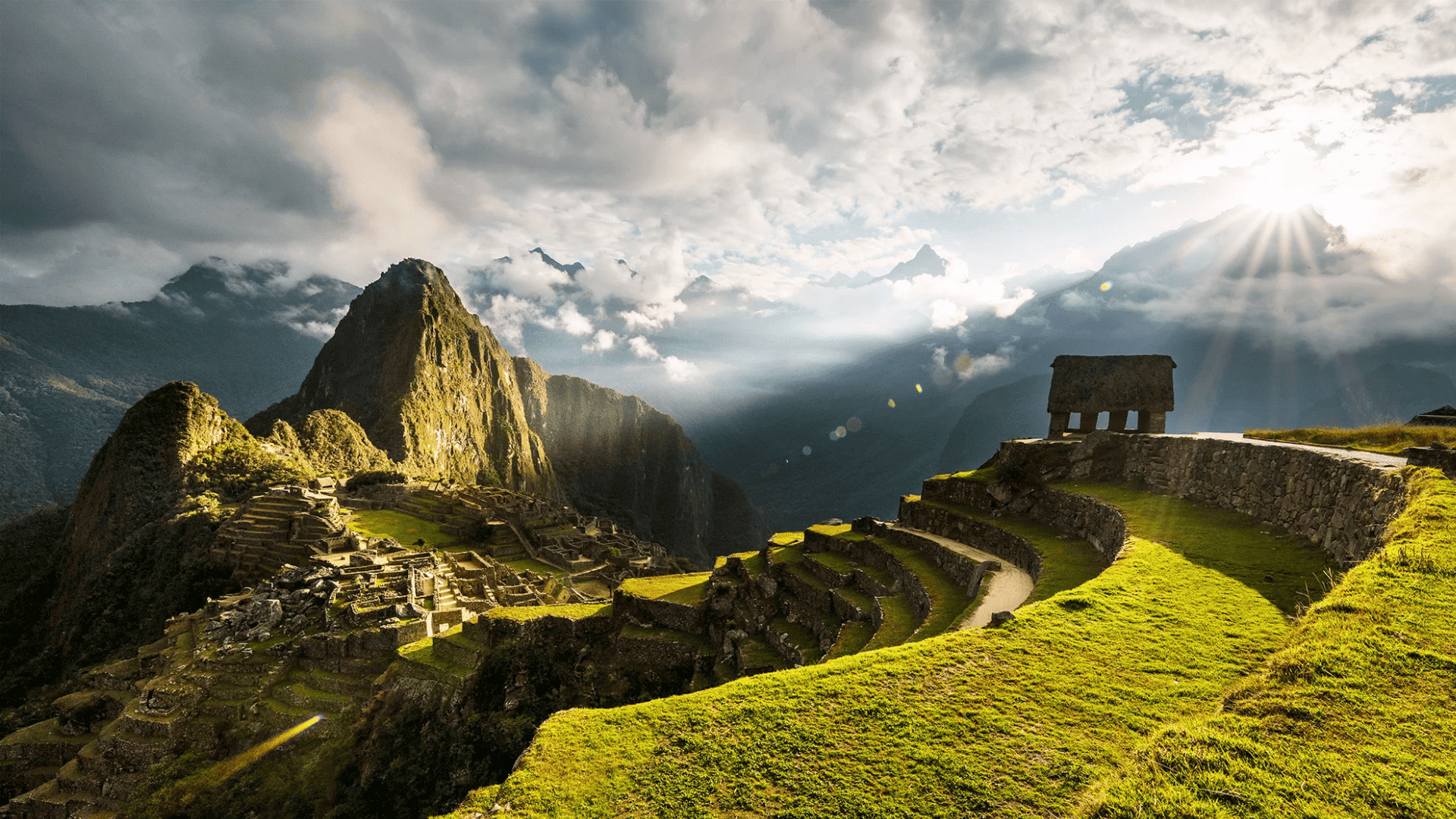
The Inca Empire constructed Machu Picchu with remarkable astronomical precision. During the equinox, sunlight aligns perfectly with the Intihuatana Stone, known as the “Hitching Post of the Sun.”
This alignment created distinct shadow patterns used by Inca astronomers to guide agricultural cycles, marking the shift between seasons and symbolizing harmony between earth and sky.
2. Chichén Itzá, Mexico
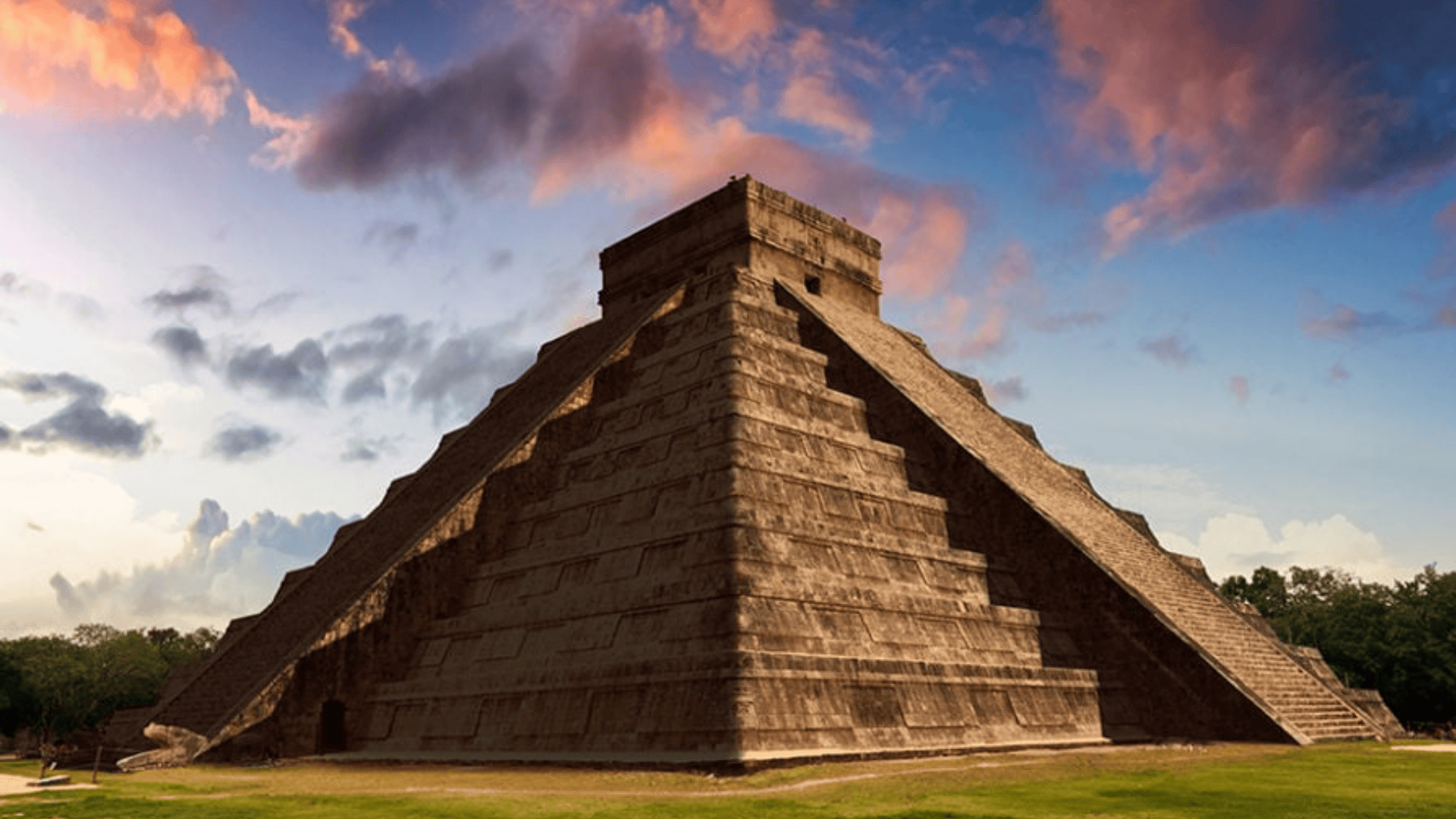
At Chichén Itzá, the Maya built the Pyramid of Kukulkán to capture the sunset at the equinox. As the Sun descends, shadows form along the northern staircase.
Resembling a serpent slithering downward, the feathered god Kukulkán returns to earth. This architectural marvel embodied their deep understanding of time, astronomy, and spiritual renewal.
3. Stonehenge, England
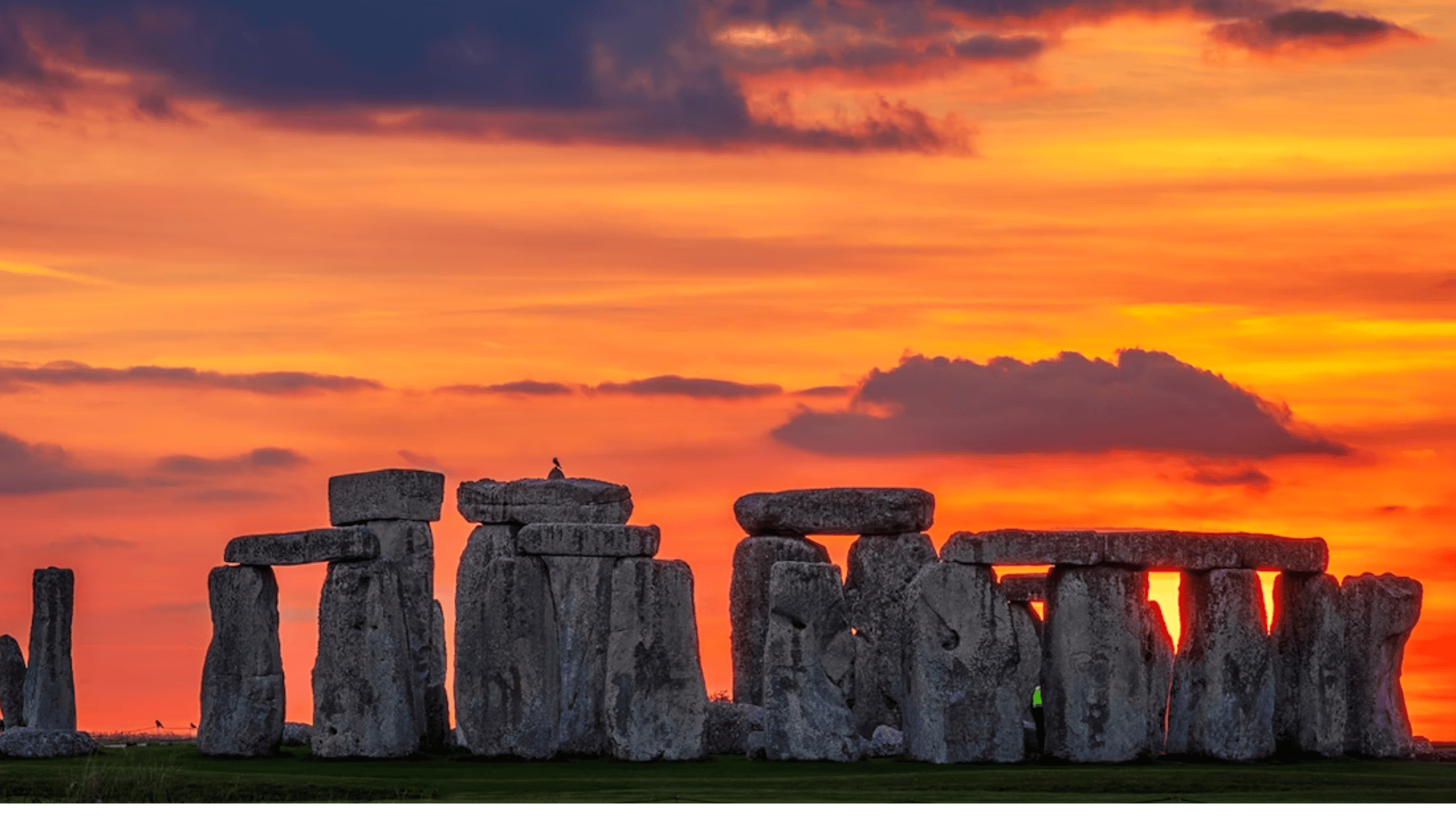
While Stonehenge is often associated with solstices, its massive stones also align with the sunrise and sunset points of the equinoxes. Modern Pagan and Druid communities gather there during the autumn equinox to celebrate Mabon, a festival of balance, gratitude, and harvest.
These ceremonies continue ancient Celtic traditions of honoring nature’s rhythm and seasonal transition.
Why the Date Varies
The exact date and time of the autumnal equinox shift each year slightly due to a few natural and calendar-related factors:
-
Orbital Mechanics: Earth takes about 365.24 days to complete one orbit around the Sun—roughly six hours longer than our standard 365-day year.
That extra quarter-day shifts the equinox about 6 hours later each year. Every four years, a leap year adds a full day to realign the calendar, causing the equinox date to shift back slightly afterward. -
Time Zone Differences: The equinox happens at one precise moment worldwide, but the local date depends on where you live. When it’s 2:19 p.m. Eastern Time in North America, it’s already evening in Europe and nighttime in Asia.
This means some regions experience the equinox on September 21, while others mark it on September 23, even though the event itself occurs simultaneously. -
Daylight Saving Time: In regions that observe DST, the clock time of the equinox may appear different, though the astronomical event remains unchanged. The Sun still crosses the celestial equator at the same instant everywhere.
Note: To check the exact equinox time for your location, use TimeandDate.com for city-specific data, or refer to NASA and NOAA astronomical calendars published in Universal Time (UTC) for global precision.
Final Thoughts
Fall begins with the autumnal equinox, a moment when the Sun crosses the celestial equator and balance returns between day and night.
Yet, the season’s true arrival unfolds gradually, in the crisp air, the golden leaves, and the fading light of early evenings.
Across centuries, this turning point has symbolized gratitude, reflection, and the steady rhythm of nature’s renewal.
If you mark fall by the stars or the shifting calendar, it remains a season of transition and quiet beauty.
Take time to slow down, savor the change around you, and embrace autumn’s gentle reminder to rest, restore, and find balance.
Frequently Asked Questions
Why Do Some Trees Change Color Earlier Than Others?
Leaf color timing depends on tree species, daylight, and temperature. Cooler nights and reduced sunlight trigger early pigment changes in sensitive trees.
Does the Moon Affect Fall Weather or Temperature?
The Moon doesn’t influence temperature, but clear nights around a full moon feel cooler as heat escapes more easily.
Why Are Autumn Sunsets So Vibrant?
Autumn air holds less moisture and fewer particles, allowing sunlight to scatter more intensely, creating deeper reds, oranges, and golds.
When Do Animals Start Preparing for Winter?
As daylight shortens, birds begin migration, squirrels store food, and bears build fat reserves in preparation for winter’s rest.