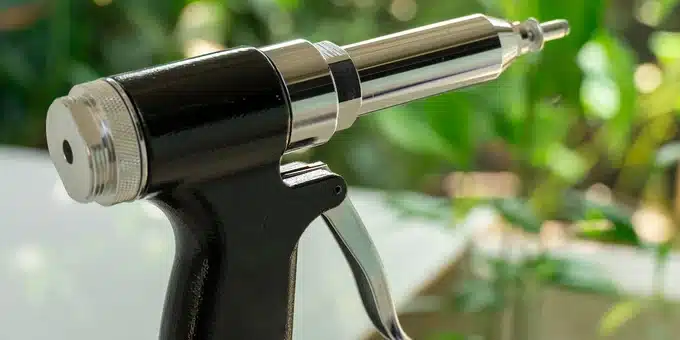

Rivet guns are small, focused tools with a big impact. Whether you are repairing a bicycle, assembling metalwork, or fastening panels on a DIY project, a rivet gun makes strong, permanent joints quickly and reliably.
This guide covers the main types of rivet guns, where they are best used, safety basics, and straightforward buying tips to help a general audience pick the right tool without getting lost in jargon.
Why choose a rivet gun
Rivets create permanent mechanical joints that resist vibration and shear. They are especially useful where welding is impractical, where heat could damage components, or when you need a fast, repeatable fastening method. Compared with screws and bolts, rivets often require less access to the backside of the joint and can be faster for repetitive work.
Types of rivet guns
1. Manual hand rivet gun
A hand rivet gun is inexpensive, lightweight, and ideal for occasional home use. You squeeze the handles to pull the mandrel of the rivet, compressing the rivet body and creating the head. Good for thin metals, plastics, and simple repairs.
2. Pop rivet gun
Pop rivet guns are a subset of manual riveters designed specifically for blind riveting. They are very common for automotive trim, sheet metal, and light fabrication. Many models are compact and easy to store.
3. Pneumatic rivet gun
Pneumatic rivet guns use compressed air to drive the rivet. They are faster and require less physical effort, making them suitable for workshops and production environments. They handle larger rivets and higher volumes of work.
4. Hydraulic rivet gun
Hydraulic riveters are built for heavy-duty industrial tasks. They provide large clamping force with precise control. Use these where very strong, high-diameter rivets are needed.
5. Battery-powered rivet gun
Cordless rivet guns run on rechargeable batteries and offer a balance between portability and power. They are popular for mobile tradespeople and jobs where access to air compressors is limited.
Common uses and materials
Rivet guns are widely used in:
- Automotive repair and bodywork
- Aircraft and marine assembly where permanent, vibration-resistant joins are critical
- Construction and roofing for metal panels
- Metal fabrication and light engineering
- DIY projects like building furniture or fixing household items
Rivets work well with aluminum, steel, stainless steel, and various plastics. Pick the rivet material to match or complement the joined pieces to avoid corrosion.
How to choose the right rivet and gun
- Match rivet diameter to hole size and material thickness. Too small and the joint is weak; too large and the material can split.
- Choose rivet material based on the metals being joined. For example, aluminum rivets with aluminum panels reduce galvanic corrosion; stainless rivets suit marine environments.
- For occasional, light tasks choose a manual or pop rivet gun. For regular workshop use, a pneumatic or battery model is more efficient.
- Consider access. Blind rivets are ideal when you cannot reach the joint from the backside.
- Check ergonomics. Comfortable handles and manageable weight reduce fatigue during longer jobs.
Basic operation steps
- Drill or prepare the correct size hole for the rivet.
- Insert the rivet through the joined materials.
- Place the rivet gun nose over the mandrel and compress or trigger as required.
- The mandrel pulls and snaps, forming the blind head and completing the joint.
- Remove the spent mandrel if the tool does not auto-eject.
Safety tips
- Wear eye protection to guard against flying mandrel pieces.
- Keep fingers clear of the squeeze path on manual guns.
- Verify rivet material compatibility to prevent corrosion.
- Secure workpieces to prevent slipping while riveting.
- For pneumatic tools, use a regulator and follow compressed air safety practices.
Maintenance and care
- Keep the tool clean and free from debris.
- Replace worn nosepieces and jaws for consistent crimps.
- For pneumatic tools, follow the manufacturer’s lubrication schedule.
- Store rivets in dry conditions to avoid contamination and corrosion.
Conclusion
Rivet guns are an essential tool for anyone who needs quick, permanent fastening with a clean look and reliable strength. From the simple hand riveter for DIY fixes to pneumatic and hydraulic models for heavy use, there is a rivet gun to suit every need. Choose the right rivet material and size, follow basic safety rules, and maintain the tool to get dependable results for years. Whether you are a hobbyist or a tradesperson, understanding these basics makes picking and using a rivet gun straightforward and satisfying.