
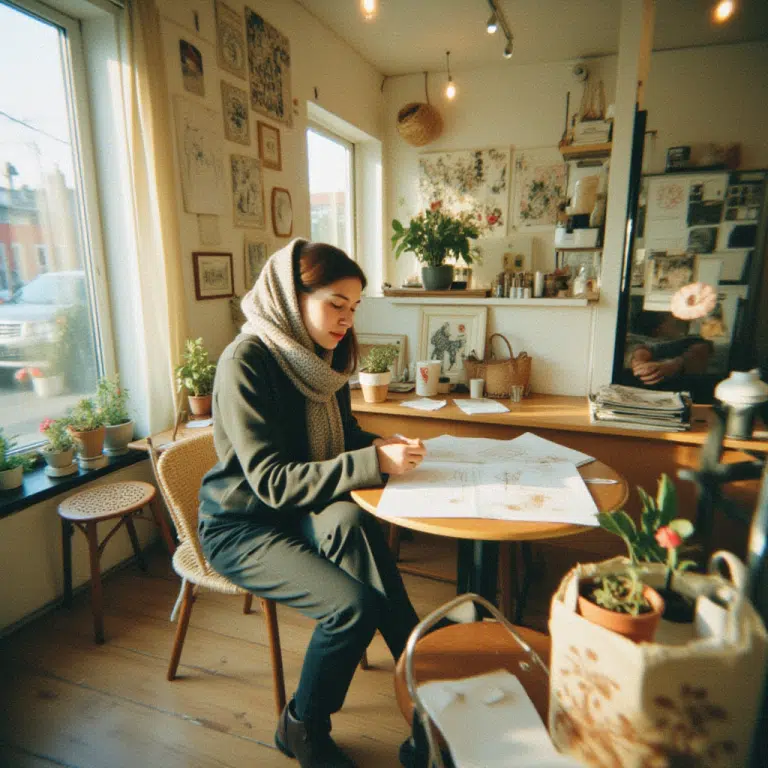
Are you ready to step into the colorful, playful world of abstract watercolor?
If you have ever wanted to paint but felt nervous about making everything look “just right,” this is your safe space.
Abstract watercolor isn’t about perfection; it’s about freedom.
With no strict rules and no pressure, you get to try, experiment, and let the colors surprise you.
Even if you are winding down after a busy day or searching for a fresh creative outlet, this blog will walk you through everything you need to get started.
What is Abstract Watercolor Painting?
Abstract watercolor painting is essentially the art of letting go.
Instead of trying to recreate what you see in real life, you are creating something that captures a feeling, a mood, or just the pure joy of watching colors dance together on paper.
The main difference between abstract and realistic watercolor?
Realistic watercolor asks, “Does this look like a tree?” Abstract watercolor asks, “Does this make me feel something?”
Much easier question to answer, right?
Here’s why beginners absolutely love abstract watercolor:
- Creativity Rules Everything: There’s no such thing as “wrong” in abstract art. That blob that was supposed to be a circle? It’s now an organic shape that adds character to your piece.
- No Strict Rules Mean No Stress: You don’t need to worry about perfect proportions or getting the shadows just right. If you want your sunset to be purple and green, go for it!
Essential Materials for Beginners
| Item | Recommendation / Details |
|---|---|
| Watercolor paints | Start with a student-grade set (tubes or pans). |
| Brushes | One round brush (size 6–10) and one flat brush are enough for beginners. |
| Watercolor paper | Choose 300 gsm or 140 lb paper to handle water well. |
| Palette & jars | Use one jar for clean water and one for rinsing brushes. |
| Optional tools | Sponges, salt, cling wrap, or straws for fun textures and creative effects. |
Step-by-Step Foundation for Abstract Watercolor
Here’s the progression we recommend, and trust me, each step builds beautifully on the last:
Step 1: Simple Washes and Blending Techniques
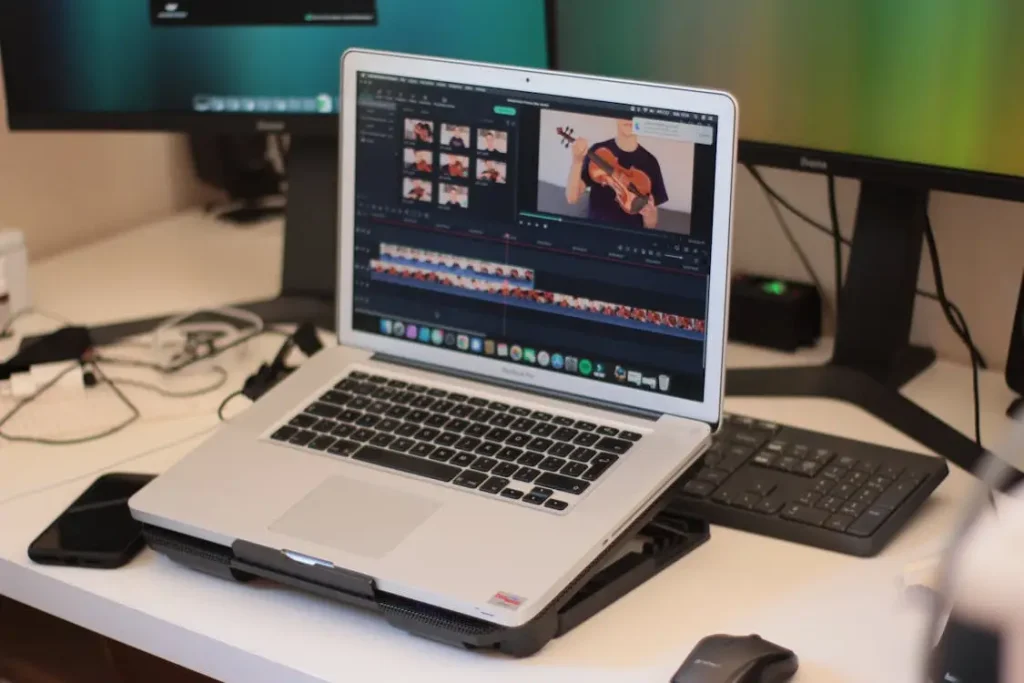
Start by searching for watercolor blending playlists. You’ll learn how wet-on-wet creates soft, dreamy effects, while wet-on-dry gives you more control.
These videos will become your best friends.
Step 2: Experimenting with Brush Strokes and Textures
Once you’re comfortable with basic blending, it’s time to play!
Try different brush pressures, angles, and movements. Videos showing texture techniques are goldmines for inspiration.
Step 3: Layering Colors for Abstract Depth
This is where your paintings start getting really interesting. Learn how to let layers dry completely and then add new colors on top.
The depth you’ll achieve will shock you.
Step 4: Free-Flow Abstract Painting Exercises
Now for the really fun part, letting go completely.
These videos often show artists working intuitively, responding to what the paint is doing rather than forcing it.
Here’s a detailed beginner-friendly video on how to paint with abstract watercolor for newbies that you can check out:
Abstract Watercolor Painting Ideas for Beginners
Here are some beginner-friendly projects that look impressive but are totally doable:
- Abstract Gradients and Swirls: Start with two colors and let them flow into each other. Add some gentle swirling motions with your brush. It’s impossible to mess this up, and every attempt looks different.
- Color-Block Abstracts: Use masking tape to create geometric shapes, then fill each section with a different color or technique. When you peel off the tape, you’ll feel like a magician.
- Nature-Inspired Abstracts: Think sunset colors without the actual sun, or ocean blues without waves. You’re capturing the essence, not the details.
- Abstract Geometric Patterns: Combine masking tape with your new blending skills. The contrast between sharp lines and soft washes is absolutely pretty.
- Intuitive Freestyle Painting: Put on some music and just respond to how the colors make you feel. These often become people’s favorite pieces.
Top YouTube Channels for Abstract Watercolor Painting
Here are some basic and popular YouTube channels that you can follow for more details:
1. Karen Rice Art
Offers beginner-friendly tutorials with fun tricks (using household items like plastic cards, salt, and cling film for texture).
Recommended videos/playlists:
“Step by Step Guide to Painting Larger Abstract Watercolor”
2. Denise Love
Focused on approachable abstract watercolor and mixed media. Denise’s channel features expressive color layering, mark-making, and projects accessible to all levels.
Recommended video:
“Fun & Easy Mark Making for Abstract Watercolor Art”
3. Julia Lis Art
Julia Lis emphasizes effortless abstract looks, loose styles, and step-by-step guides suitable for beginners.
Recommended video:
“Simple Watercolor Abstract Moody Forest Painting”
Final Thoughts
Now that you have got your brushes, paints, and paper, it’s time to jump in, and don’t worry, you can’t mess this up.
Abstract watercolor isn’t about chasing perfection; it’s about enjoying the process, accepting the unexpected, and letting the colors tell their own story.
Remember, every splash and swirl is a step forward in your creative story.
So go ahead, loosen up, and let the water guide you.
Who knows? Your masterpiece might be waiting in the next happy accident.