

When it comes to fire safety, one of the most common questions people have is about the lifespan of a fire extinguisher. You might look at the canister and wonder if it will still work when you need it most.
While these devices are built to last for years, they don’t last forever. Understanding the expiration date of your fire extinguisher can help you stay prepared and avoid surprises during an emergency.
Many homeowners also ask, “How long is a fire extinguisher good for before it needs servicing or replacement?”
The answer isn’t always printed on the label, but knowing the general timeline and proper care will ensure your extinguisher is ready to protect your home or workplace.
Understanding Fire Extinguisher Lifespan
Unlike food or medicine, fire extinguishers don’t have a simple “use by” date stamped on the side. Instead, their lifespan depends on the type of extinguisher and how well it’s cared for over time.
On average, most extinguishers have a lifespan of between 5 and 15 years.
Disposable models are typically designed to last approximately 10–12 years, while rechargeable ones can last longer if they receive regular professional servicing.
Even though they are built to be durable, the pressure inside the cylinder and the condition of the internal chemicals can change over time due to factors such as age, temperature, and use.
That’s why routine inspections are essential. By understanding that fire extinguishers don’t technically expire overnight but gradually lose reliability, you’ll know when it’s time to service or replace them.
How Long Different Types of Fire Extinguishers Last

Not all fire extinguishers are created equal. The material inside, the design of the cylinder, and whether they are rechargeable or disposable all play a role in how long they remain effective.
Knowing the expected lifespan of each type makes it easier to plan replacements and schedule maintenance before a problem arises.
| Extinguisher Type | Typical Lifespan | Key Notes |
|---|---|---|
| Disposable (Dry Chemical/ABC) | 10–12 years | Non-rechargeable; replace after expiration. |
| Rechargeable (Dry Chemical/ABC) | Up to 15 years | It can be serviced and refilled after use. |
| CO₂ (Carbon Dioxide) | 10–15 years | Requires hydrostatic testing every 5 to 10 years. |
| Water, Foam, Wet-Chemical | 5–15 years | More sensitive to the environment; frequent inspections are needed. |
| Special Service-Free Models | Up to 20 years | Refurbished at 10 years, unique to certain regions. |
While these ranges provide a good guideline, keep in mind that the actual lifespan can be shorter if the extinguisher is damaged, stored improperly, or not serviced as required.
Regular checks ensure your unit is ready when it matters most.
Why Some Fire Extinguishers Last Longer Than Others
The lifespan of a fire extinguisher isn’t only about the date it was manufactured. How it’s stored, maintained, and even the quality of the unit itself can make a big difference.
Here are the main factors that change how long your extinguisher will stay reliable:
- Maintenance and Inspections – Extinguishers that receive monthly checks and annual servicing last longer. Neglect can lead to early failure.
- Storage Conditions – Heat, cold, moisture, and sunlight can weaken the cylinder and compromise pressure.
- Frequency of Use – Even partial use requires immediate servicing. Regular discharges shorten the unit’s lifespan.
- Quality and Materials – Durable models from trusted brands typically outlast cheaper alternatives.
By keeping these factors in mind and taking good care of your extinguisher, you’ll ensure it remains effective for its full expected lifespan.
Fire Extinguisher Service Rules & Legal Standards
In the United States, the maintenance of fire extinguishers is governed by clear guidelines from the NFPA (National Fire Protection Association) and OSHA (Occupational Safety and Health Administration).
According to these standards, all workplaces must conduct a monthly visual inspection to make sure each extinguisher is in place, properly labeled, and free from damage.
Additionally, NFPA 10 mandates a professional inspection once a year by a certified technician to verify that the extinguisher remains in working condition.
Some extinguishers also need hydrostatic testing, a pressure test done every 5 to 12 years, depending on the type, such as every 5 years for CO₂ units and every 12 years for dry chemical models.
Following these service intervals not only meets U.S. legal requirements but also ensures extinguishers will function when an emergency strikes.
How to Know When a Fire Extinguisher Should Be Replaced
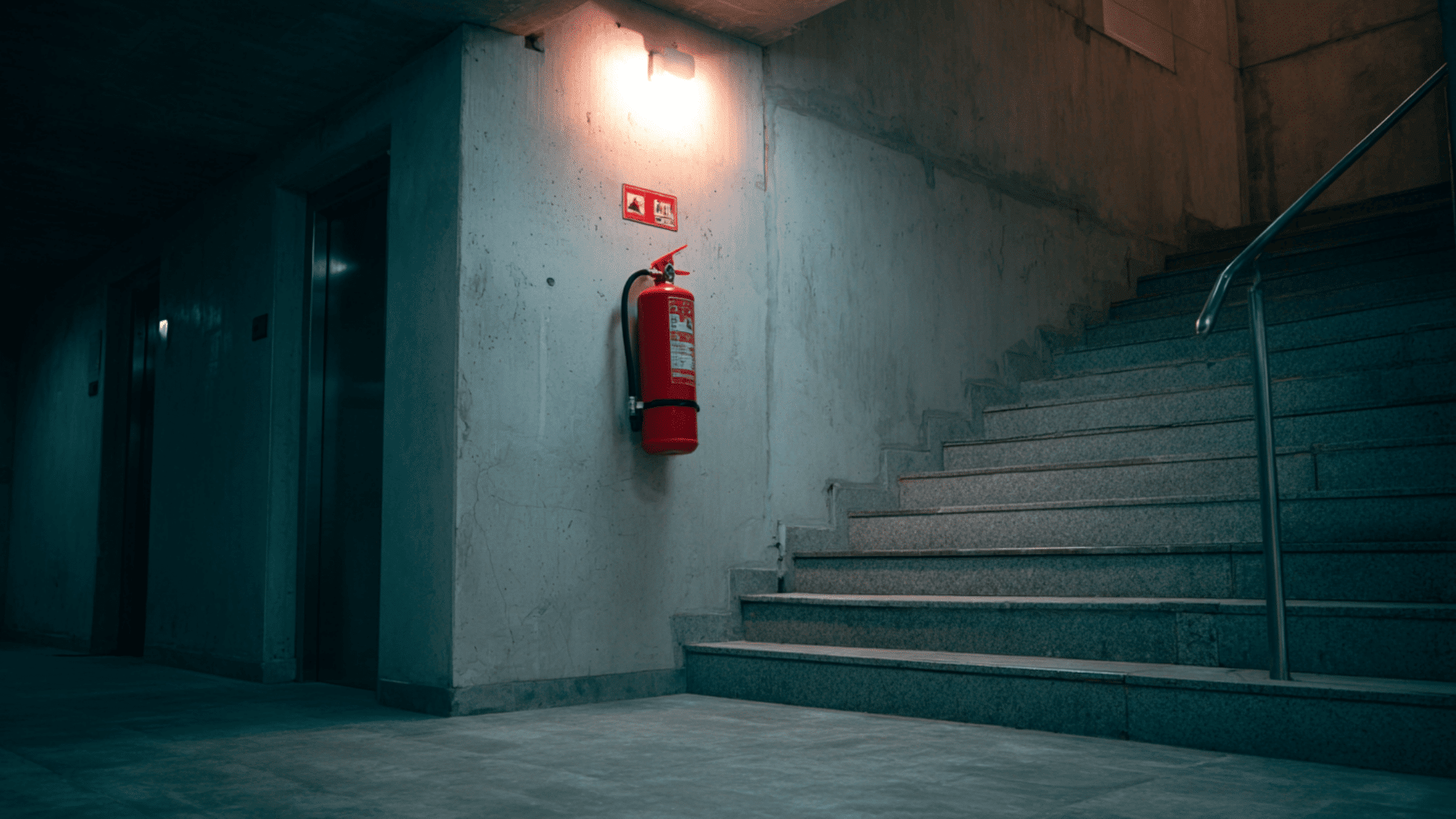
Even with proper care, fire extinguishers don’t last forever. Certain warning signs indicate it’s time to retire your unit and get a new one.
One of the most common clues is a damaged or missing pressure gauge, especially if the needle is stuck in the red zone.
Visible wear and tear, such as rust, corrosion, dents, or cracks on the cylinder, also means the extinguisher may not be safe to use.
A broken or clogged nozzle or hose can prevent proper discharge, while a missing inspection tag or an outdated service record indicates that the extinguisher hasn’t been maintained correctly.
If the extinguisher feels unusually light or has been partially discharged without being recharged, replacement is the safest option. Spotting these signs early ensures you’re not relying on faulty equipment in an emergency.
Fire Extinguisher Maintenance & Servicing Checklist
Taking care of a fire extinguisher doesn’t have to be complicated, but it does require consistency. Regular checks ensure the unit is ready for use and help extend its lifespan.
Below is a simple checklist outlining the tasks that should be completed at various intervals.
| Timeframe | What to Do | Who Should Do It |
|---|---|---|
| Monthly | Quick visual inspection: check pressure gauge, safety pin, and overall condition | Homeowner/employee |
| Annually | Full professional inspection: weight, pressure, labeling, and mechanical parts | Certified technician |
| Every 5 Years | Extended servicing: internal examination, refill if needed | Certified technician |
| Every 5–12 Years | Hydrostatic testing (timeframe depends on extinguisher type) | Licensed service provider |
Sticking to this schedule helps keep your extinguisher in peak condition, ensures compliance with safety regulations, and gives peace of mind that it will work when you need it most.
Safe Disposal & Recycling of Fire Extinguishers
Disposing of an old fire extinguisher requires more care than simply discarding it.
Because they are pressurized and may still contain chemicals, extinguishers need to be disposed of or recycled through safe methods. Here are the most common options:
- Empty extinguishers – Fully discharge, remove the head, and recycle the metal cylinder with other scrap metal.
- Partially discharged units – Take them to your local fire department or a hazardous waste facility for safe handling.
- Expired but still pressurized – Do not tamper with them; certified service providers or waste facilities can depressurize and dispose of them safely.
- Damaged or leaking extinguishers – Treat as hazardous waste and deliver directly to a hazardous waste collection site.
By following the correct disposal steps, you prevent accidents, protect the environment, and ensure these devices are handled safely after their useful life.
Final Thoughts: Keep Your Fire Safety Up to Date
Fire extinguishers are one of the most important safety tools you can keep at home or in the workplace, but they don’t last forever.
From understanding their average lifespan to learning how to spot warning signs, perform regular maintenance, and follow U.S. service standards, you now know what it takes to keep your extinguisher reliable.
Safe disposal and recycling are equally important, ensuring old units don’t pose a hidden risk. Remember, waiting until an emergency to find out your extinguisher doesn’t work can have serious consequences.
Take a few minutes today to check your extinguisher’s condition, verify its service tag, and schedule a professional inspection if needed. Staying proactive with fire safety could make all the difference when it matters most.