


Gender transition is a personal path where someone takes steps to live as the gender they truly are.
For many transgender people, it means making changes so their outside matches how they feel inside, and that can be life-changing.
You might be going through this yourself, supporting someone else, or just want to learn more.
Let’s break down what gender transition means, what changes can happen, and how it can feel along the way.
Everyone deserves to live as their real self.
Understanding Transition
Transitioning is a deeply personal process that looks different for everyone.
At its core, it’s about aligning your external life with your inner sense of identity.
This can involve social changes like adopting a new name, using different pronouns, changing your appearance, and living as your true gender.
It may also include medical steps such as hormone replacement therapy (HRT) or surgeries to align physical features with gender identity.
Legal changes, like updating IDs and official documents, are another important part for many.
HRT Before and After: What to Expect?
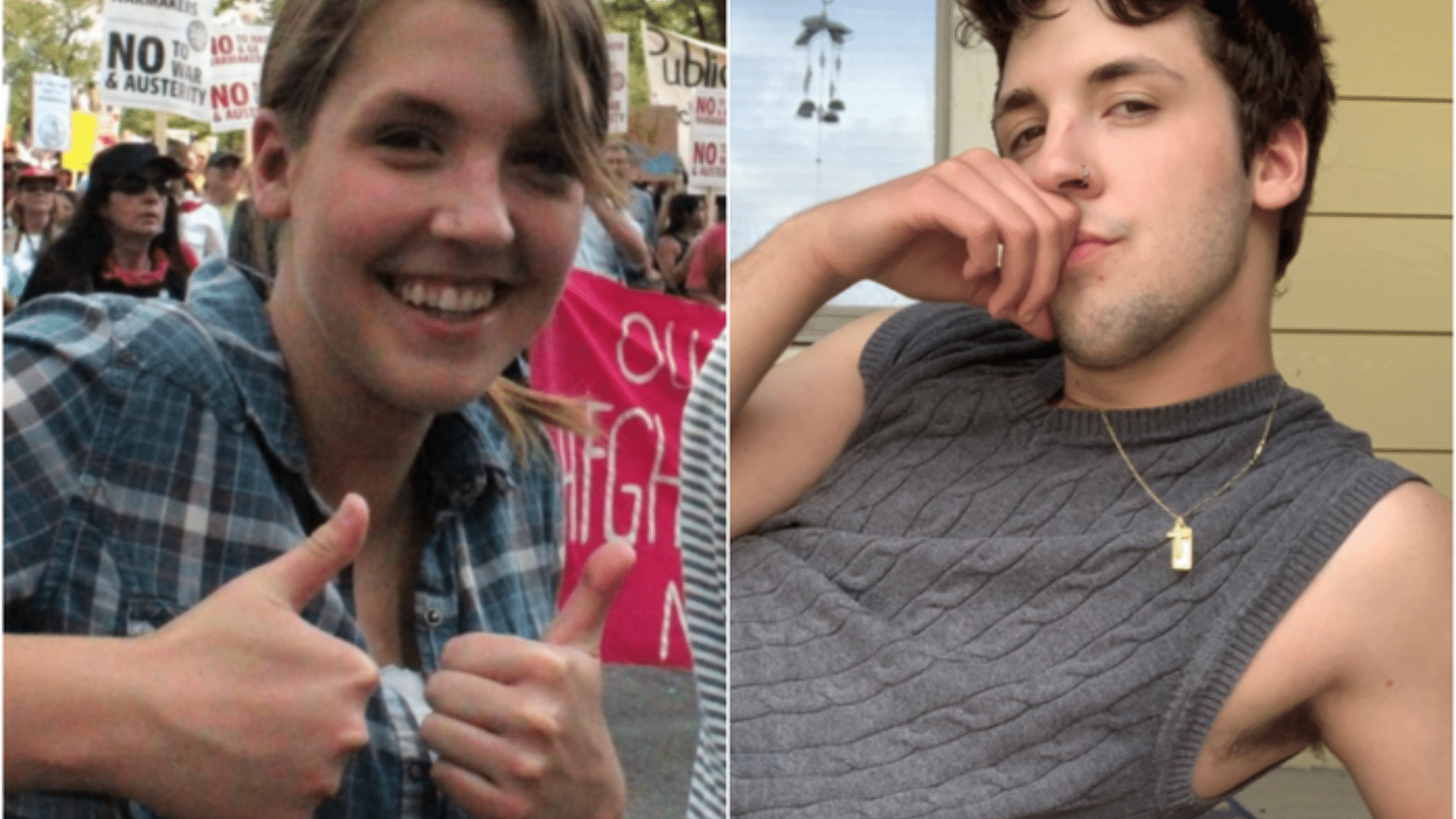
| Shared Image Type | Description |
|---|---|
| Early Days of HRT Effect | Photos showing physical changes shortly after starting hormones |
| Post-Top Surgery Looks | Images highlighting results after chest/top surgery |
| Facial Feminization or Masculinization | Comparisons showing changes after facial procedures |
| Style and Presentation Before and After | Side-by-side looks showing development in clothing and self-expression |
Hormone Replacement Therapy is often a cornerstone of medical transition.
The changes it brings can be gradual but profound, affecting both physical appearance and emotional well-being.
Physical Changes for Trans Women
- Skin Changes: Skin often becomes softer, smoother, and may develop a different texture. Some people notice their skin becomes more sensitive.
- Body Fat Redistribution: Fat may redistribute to create a more traditionally feminine silhouette, with more fat storage in the hips, thighs, and buttocks, and less in the abdomen.
- Breast Development: Breast growth typically begins within the first few months and can continue for several years. The amount of growth varies significantly between individuals.
- Hair Changes: Body and facial hair growth may slow down and become finer, though many people still need additional hair removal treatments. Scalp hair might become thicker or softer.
- Muscle Changes: Muscle mass may decrease somewhat, and overall strength might be reduced.
Physical Changes for Trans Men
- Voice Changes: The voice typically deepens permanently, usually within the first year of treatment.
- Facial and Body Hair: Hair growth increases on the face and body, though the pattern and thickness vary greatly between individuals.
- Muscle Development: Muscle mass and strength often increase, contributing to a more traditionally masculine build.
- Fat Redistribution: Body fat may redistribute away from the hips and thighs toward the abdomen, creating a more traditionally masculine shape.
- Other Changes: Skin may become oilier and thicker, body odor changes, and some people experience increased energy levels.
Personal Stories: What Transition Means?
Behind every before-and-after photo is a real person, living out their truth and facing unique challenges.
Here are some personal stories that highlight the emotional side of transitioning as a transgender person:
Alex
Alex shared how starting hormone therapy was like finally unlocking a door that had been closed for years.
It wasn’t just about changing appearance but about feeling aligned with their true self.
“I finally looked in the mirror and saw me,” Alex said. The journey was scary, but every step brought a little more peace.”
Maya
Maya spoke about the challenges of coming out at work.
“Being seen as myself wasn’t easy. Some days, I still feel exposed,” she explained.
But through supportive colleagues and friends, she found the strength to keep moving forward and accept her identity proudly.
Jordan
Jordan described how finding an online trans community changed everything.
“I was afraid and isolated. Connecting with others who understood my story gave me hope and motivation. It’s like having a chosen family who lifts you up on the tough days.”
Riley
Riley opened up about battling self-doubt and fear before surgeries.
“I questioned if I was making the right choices and worried about what others would think. But looking back, I know those fears were just part of the process. My transition was worth every struggle.”
Wrapping It Up
Gender transition is different for everyone, and that’s totally okay.
Some people change their name or look, some take hormones or update documents, but what matters most is feeling true to yourself.
If you’re thinking about transitioning or helping someone, remember you’re not alone.