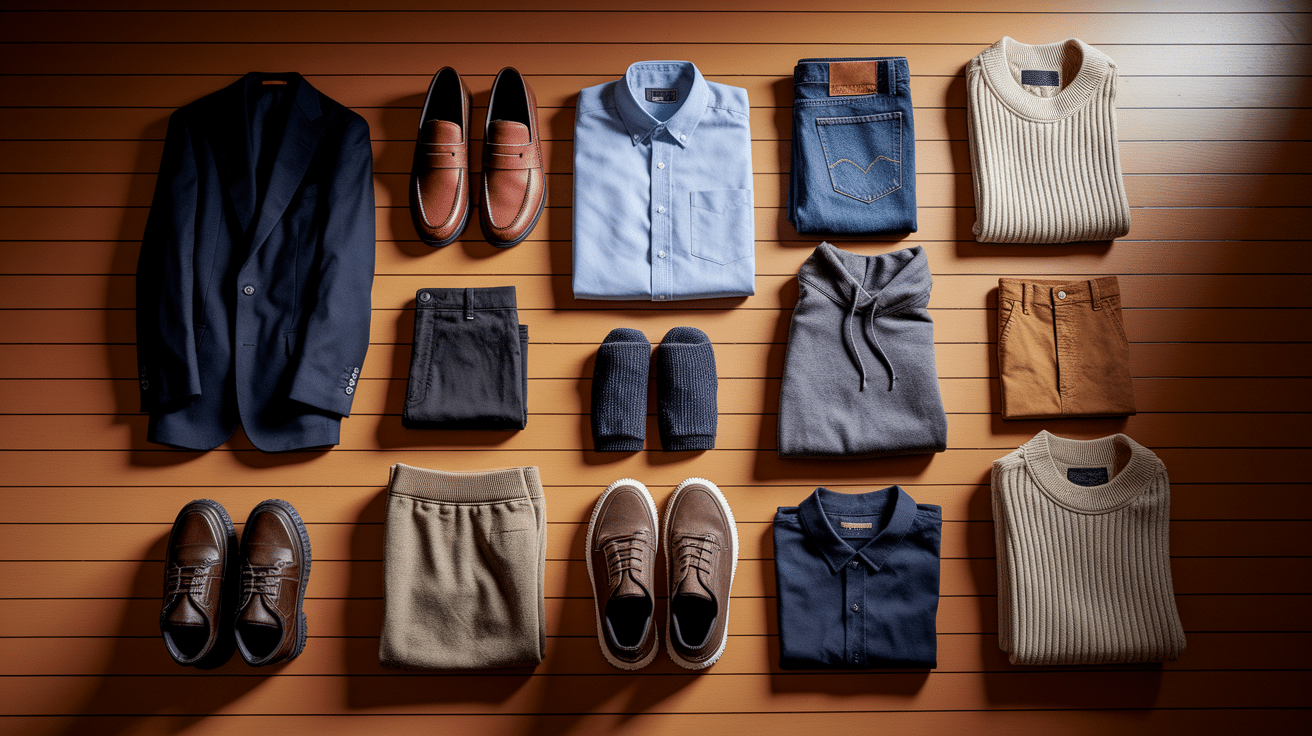


If you walk through campus on any given morning, you’ll see a pretty familiar scene. Someone in a perfectly oversized sweater and boots that look brand-new. Another person wearing the same puffer three days in a row because it’s freezing again. A student sprinting toward class in leggings, a tote bag, and the look of someone who just realized they’re late for an exam they thought was tomorrow.
We all have our own campus style, but one thing almost everyone quietly agrees on? Fashion is expensive. And somehow… it keeps getting more expensive.
Whether you’re living in a dorm or sharing an apartment that constantly smells like someone else’s instant noodles, it’s hard to justify buying a 120 dollar jacket because you saw it on TikTok. But students still want to look good, feel like themselves, and build wardrobes that don’t fall apart after two washes.
So, somewhere between late-night study sessions and budgeting for coffee, a new trend has taken over: smart shopping. Not boring shopping. Not “never buy anything fun again.” Just thoughtful, strategic, and surprisingly empowering buying habits.
Think of it as students finally getting tired of being tricked by fake sales and “limited-time” pop-ups, and deciding to take control of their wardrobes in a way that actually makes sense.
Why Students Are Changing How They Shop
For the longest time, online shopping felt like this chaotic rush, you see something cute, you buy it, and worry about consequences later. But after a few years of inflation, rising rent, and the collective experience of ordering clothes that looked nothing like the picture, people got smarter.
Students started talking about price-checking in line for coffee. In group chats. In the UMC. Even in the middle of lectures, if we’re being honest.
And a few patterns started showing up:
Some students now have entire notes app lists dedicated to “stuff I want but will only buy if it goes on sale.” Others wait until holiday weekends because they know prices magically drop. And then there’s the group that compares deals the same way they compare restaurant menus, obsessively, with screenshots.
It’s not stingy. It’s just realistic.
The Sites Students Are Actually Using to Save Money
Let’s be real: most coupon codes online don’t work. They look promising until you paste them in and get the “not valid” message that personally feels like an insult.
So instead of fishing for random codes, students turned to a few sites that actually help. And they talk about these sites the same way people talk about a secret trail or a hidden cafe, casually, like everyone already knows, even though half the population doesn’t.
Here are the ones that keep coming up:
Bonanzer
Bonanzer is the one students mention in a “oh, I always check there first” sort of way. It’s not flashy. It’s not trying to sell you anything weird. It simply collects deals and price drops from all kinds of online stores, including fashion brands.
You search for a brand or item, and it shows where the best price is. That’s it. It’s like having a friend who’s always up-to-date on every quiet, unannounced sale happening on a Tuesday afternoon.
People use it for things like:
- winter coats
- jeans
- boots
- bags they’ve been eyeing for months
Basically, anytime a student is debating a bigger purchase, Bonanzer becomes the quick “sanity check.”
RetailMeNot
RetailMeNot has been around since what feels like the dawn of the internet, but it’s weirdly still one of the most reliable coupon-code sources.
Students use it when something is already in their cart and they just want to see if it can be cheaper. The best part is when a code works unexpectedly and suddenly you’re paying less than you planned to. It feels like a small personal win, especially during a week filled with quizzes and zero sleep.
Rakuten
Rakuten is for the patient ones. It doesn’t give you a discount immediately, it gives cash back later, quietly, like a small reward for being responsible.
If you buy a couple of things throughout the semester – sneakers, a jacket, maybe some gifts, the cash back can actually add up. Students always say the same thing: “I forgot I even had money coming back.”
There’s something deeply satisfying about receiving money you didn’t remember earning.
Honey
Honey is more of a background tool. You install the browser extension, and it tests coupon codes automatically when you check out.
It’s not perfect, and sometimes it finds nothing, but when it does, it feels like the browser is cheering for you. Like a little “yes, we got you.”
Students who admit they are too exhausted to search for codes love this one.
How Student Wardrobes Are Looking More Thoughtful in 2025
Smart shopping doesn’t mean minimalist capsules or only wearing beige. Students still love bright colors, fun prints, weird accessories, oversized sweaters, and those trending boots every other person on campus seems to own.
The difference now is why they buy things.
Instead of buying something because it looks good in a photo, people ask:
- Can I wear this more than once a month?
- Does it work for real life, not just an imagined life where I’m always at brunch?
- Can I style this with the pieces I already have?
- Do I actually like this, or do I just like the idea of liking it?
And these questions save a lot of money — and a lot of closet space.
The Outfits You’ll See All Over Campus (Built on Smart Shopping)
CU Boulder students somehow have a talent for dressing warm and still looking cool. Practicality is part of the aesthetic here.
Here are a few outfits that have become campus classics, and how students are building them without overspending:
The “I Have Class at 8 a.m. and I’m Cold” Outfit
Wide-leg jeans or leggings, a soft sweater, a long coat that someone spent weeks price-checking before buying, and boots that look expensive but weren’t (thanks to a deal).
It’s simple, but it works every time.
The “I Need To Look Semi-Professional for a Presentation” Outfit
A blazer bought with a RetailMeNot coupon. Black trousers from a mid-season sale. Clean white sneakers. A simple top that looks more formal than it actually is.
Students are no longer shy about wearing sneakers to look “professional.” Comfort is now part of the attire.
Game Day Outfits
These range wildly, but usually involve:
- denim skirts
- team-color sweaters
- fun accessories
- thrifted pieces
- boots with personality
Most of these outfits are built from items already owned, with one fun piece added when someone finds a deal.
Weekend Coffee Runs
CU students love cozy weekend outfits: soft knits, loose jeans, scarves, neutral boots, a bag that somehow fits everything but still looks chic.
This is where those Rakuten cash-back savings usually get spent.
The TikTok Effect
Social media makes everything feel urgent. You see a jacket five times and suddenly it feels like it’s destiny. But students have gotten smarter here too.
A lot of people now save things into a folder, sometimes called “Maybe,” “Future Me,” or in one case I saw on a friend’s phone, “Things I Want but Shouldn’t Buy at Midnight.”
If the item still looks good a few days later, it passes the first test. If not, it gets quietly deleted.
Knowing When a “Deal” Is Actually a Deal
This is the easiest rule to remember: If you wouldn’t want it at full price, the discount doesn’t matter.
The best deals are the ones that make sense for your life – classes, weather, walking everywhere, sitting on the grass, studying in cafes, running across campus when your bus is late.
Smart Shopping Is Becoming Part of Student Culture
What’s cool is that smart shopping doesn’t feel like deprivation. It feels like agency. Students aren’t trying to look perfect. They’re trying to look like themselves without emptying their bank accounts.
The students who seem effortlessly stylish? They’re usually the ones who:
- buy slowly
- mix thrifted with new
- check Bonanzer before big purchases
- use Rakuten without thinking about it
- wait for codes on RetailMeNot
- pick items that fit multiple outfits
- rewear their favorites confidently
Fashion feels less like trying to keep up and more like building something that works.
Final Thoughts
Student fashion in 2025 isn’t about having the biggest wardrobe. It’s about having a wardrobe that feels honest, useful, and a little bit fun. People are tired of fast trends, tired of overpriced basics, and definitely tired of feeling pressured to buy things that don’t last.
Smart shopping isn’t boring. It’s empowering. It lets students look good, feel good, and still afford groceries, which honestly feels like an achievement these days.
So the next time you’re hovering over the checkout button, take ten seconds. Check a site like Bonanzer. Test a code on RetailMeNot. See if Rakuten adds cash back.
It adds up. And your closet and your bank account will thank you.