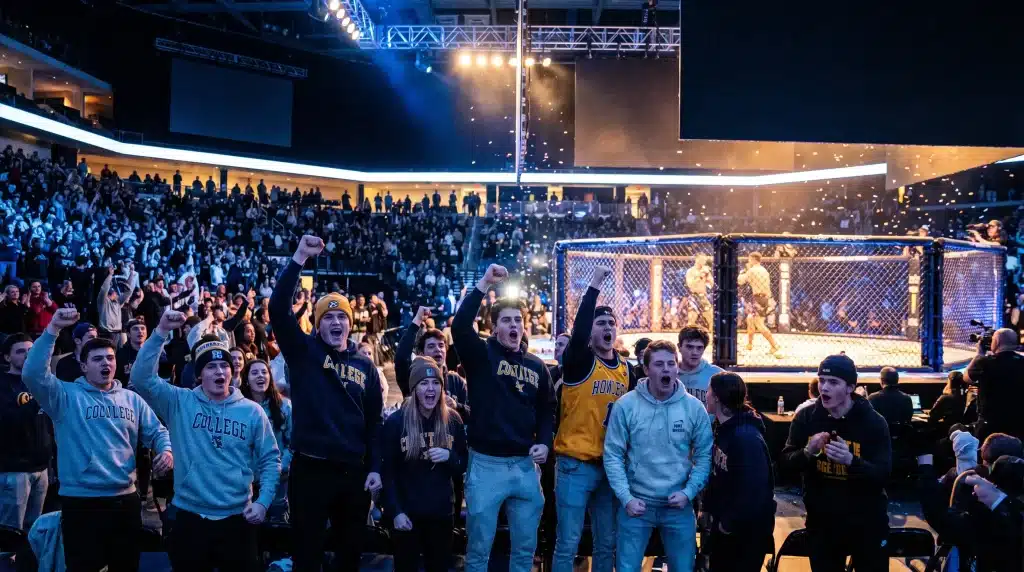

In the ever-evolving landscape of youth culture, college campuses have long served as a microcosm of broader societal shifts. From political activism to fashion trends, students often lead the charge in redefining norms. One of the most striking evolutions in recent years has been the surge in rave culture as a preferred outlet for self-expression.
Once confined to underground scenes and dimly lit warehouses, raves have now entered the mainstream consciousness. At colleges across the country, students are embracing these high-energy, immersive experiences not just as parties but as spaces of radical individuality, emotional release, and creative freedom.
As rave culture continues to gain popularity among students, it’s also influencing how they dress. Bold, dramatic styles have become a way for students to display their identity without saying a word. For those looking to explore this side of their wardrobe, you can view outfits that embody the freedom and edge associated with rave fashion.
A New Canvas for Identity
College is often the first time students have full autonomy over their identities. They’re navigating academic pressure, social reinvention, and personal growth—all while attempting to make sense of who they are. Rave culture, with its vibrant aesthetics and uninhibited energy, offers a uniquely supportive backdrop for that exploration.
At a rave, there are no uniforms. Instead, students can shed societal expectations and step into an environment that encourages bold self-presentation. Neon fishnets, glowing accessories, and futuristic jackets aren’t just fashion statements, they’re declarations of individuality. For many, it’s the first time they feel seen for who they really are, not who they’re expected to be.
More Than Music: Emotional Catharsis
Raves are often dismissed as chaotic or superficial, but for many students, they serve a deeper purpose. These events allow for emotional expression that traditional spaces often suppress. In a world increasingly mediated by screens and social media filters, rave environments offer a raw, unedited space to feel alive.
The music itself, bass-heavy, hypnotic, and often wordless, acts as a conduit for emotional release. It’s not uncommon for students to describe the experience as therapeutic. Amid the flashing lights and pulsing beats, anxieties dissolve, and for a few hours, the world becomes simpler. You dance not for likes or followers but for yourself.
The Style of Self-Liberation
What you wear to a rave isn’t just about fashion; it’s a form of communication. Every oversized tee, shimmering pashmina, and graphic cloak sends a message. For students navigating the complex terrain of gender, sexuality, and identity, rave fashion is a powerful tool for exploration.
The aesthetic leans toward the dramatic and the daring, borrowing from gothic, metal, and sci-fi influences. It’s not polished or preppy; it’s raw, emotional, and often rebellious. Wearing these bold looks isn’t about following a trend, it’s about feeling empowered.
Community Without Conformity
College life can be paradoxical. You’re surrounded by people, yet it can feel incredibly isolating. Raves counteract that by creating a sense of instant community. Strangers become dance partners. Compliments are freely given. Consent is emphasized. There’s a shared understanding that this space is sacred—a brief respite from academic stress and social pressure.
Importantly, this culture celebrates difference rather than conformity. You don’t need to know all the lyrics or dress a certain way to belong. The only expectation is authenticity. For students still figuring out who they are, that kind of environment can be life-changing.
The Mental Health Connection
For a generation facing unprecedented mental health challenges, rave culture offers unexpected relief. The physical act of dancing, the immersive nature of the experience, and the break from routine all contribute to improved emotional well-being. It’s not just escapism, it’s self-care.
While therapy and wellness apps play their role, students also crave real-world outlets for expression. Raves don’t require you to articulate your feelings. They just require your presence. That kind of release, especially during midterms or personal hardships, can be incredibly healing.
From the Underground to the Mainstream
The evolution of rave culture from obscure subculture to college staple is also a reflection of broader societal shifts. As discussions around mental health, gender fluidity, and body autonomy gain traction, students are increasingly seeking environments that reflect those values.
Raves, with their roots in counterculture and rebellion, have naturally adapted to this new era. They’ve become places where social norms are questioned and personal freedom is prioritized. For college students, that makes them more than a night out, they become acts of resistance, healing, and connection.
Final Thoughts
Self-expression isn’t always easy, especially in a world that often prioritizes productivity over personality. But college students are finding their voice, and their vibe, in rave culture. Through sound, style, and shared experience, they’re building communities that celebrate individuality and challenge convention.
It’s not just about the music or the fashion. It’s about finding spaces where you don’t have to ask for permission to be yourself. And in a society that still pushes conformity in so many ways, that freedom means everything.