Want to make the perfect green paint but not sure where to begin?
Don’t worry, it’s easier than you think!
With just a few basic colors and a little know-how, you can mix any shade of green, from bright lime to deep forest.
If you are painting for fun or working on a serious art piece, this simple blog will walk you through every step.
No fancy tools, no art degree, just easy tips that actually work.
Let’s get mixing!
Color Theory Basics
Let’s start with the basics: green is a secondary color, made by mixing two primary colors, yellow and blue.
Think of the color wheel as a recipe guide for creating colors.
Primary colors (red, yellow, and blue) are your base ingredients, while secondary colors like green, orange, and purple come from combining them.
You can adjust green by adding white for a tint, black for a shade, or gray for a tone.
Cool greens have more blue in them, while warm greens lean toward yellow.
Once you understand these simple rules, mixing and using greens becomes much easier.
What Colors Make Green?
The answer’s simple: yellow + blue = green.
But here is the fun part, which yellow and which blue make a big difference.
For example:
- Mixing lemon yellow with phthalo blue gets you a grassy green.
- Cadmium yellow with ultramarine blue gives a deeper, earthier green.
Paint brands typically offer a variety of each, so feel free to experiment!
Here’s a quick table for reference:
| Yellow | Blue | Green Outcome |
|---|---|---|
| Lemon Yellow | Phthalo Blue | Bright, cool green |
| Cadmium Yellow | Ultramarine Blue | Earthy, olive green |
| Primary Yellow | Primary Blue | Basic go-to green |
Step-by-Step Process for Mixing the Perfect Green
Below is the list of things required for mixing the perfect green:
What You’ll Need:
- Yellow paint
- Blue paint
- Palette or mixing surface
- Palette knife or brush for mixing
- Paper towels
Step 1: Start Small
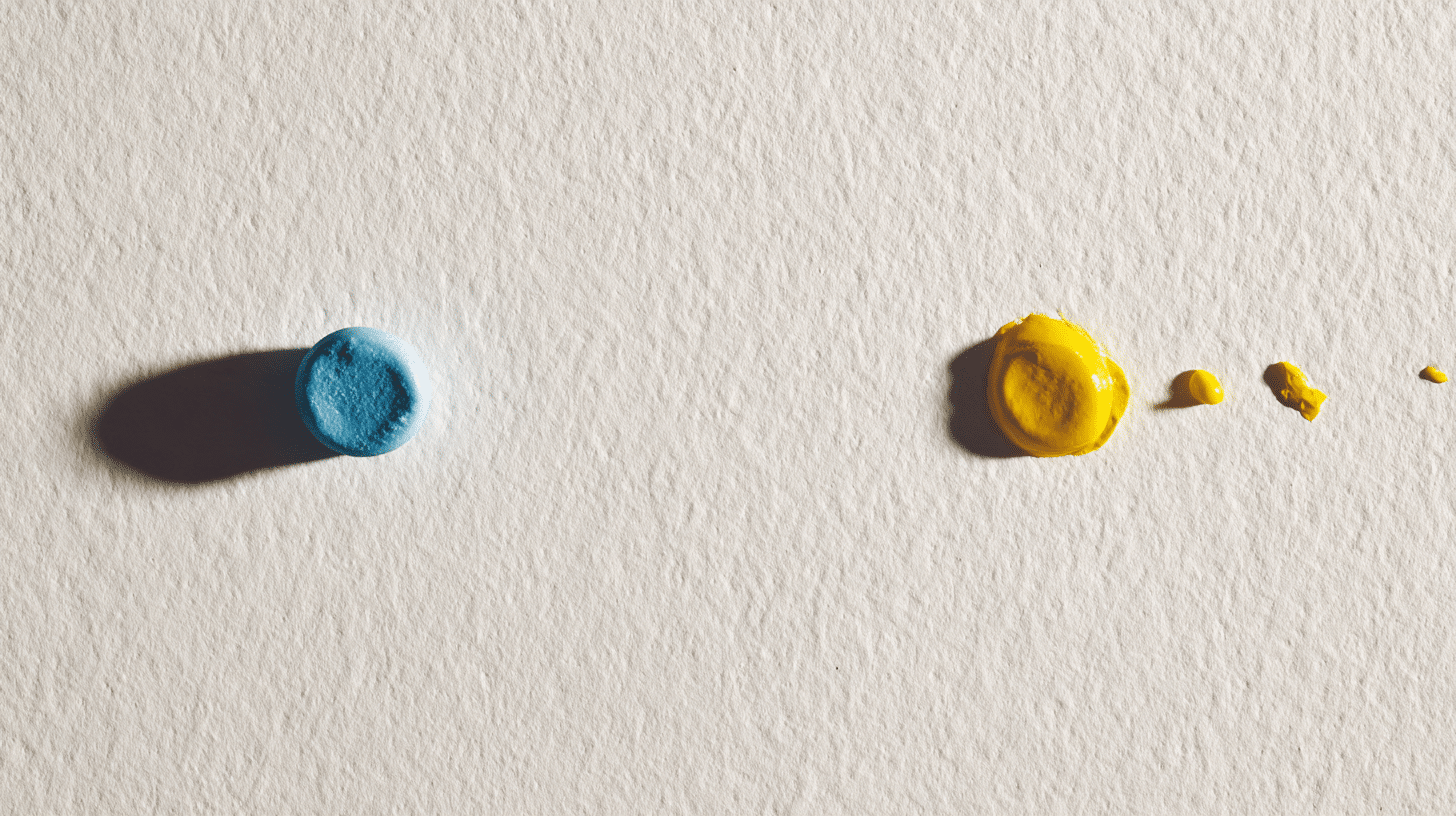
Begin by squeezing out a small, equal amount of yellow and blue paint onto your palette, about the size of a dime each.
This gives you a manageable amount to test with. It’s always better to start with less and add more as needed.
Once the paints are out, make sure you have a clean brush or palette knife ready.
Remember, it’s easier to mix more than to fix a color that’s gone wrong with too much paint.
Step 2: Mix It Up
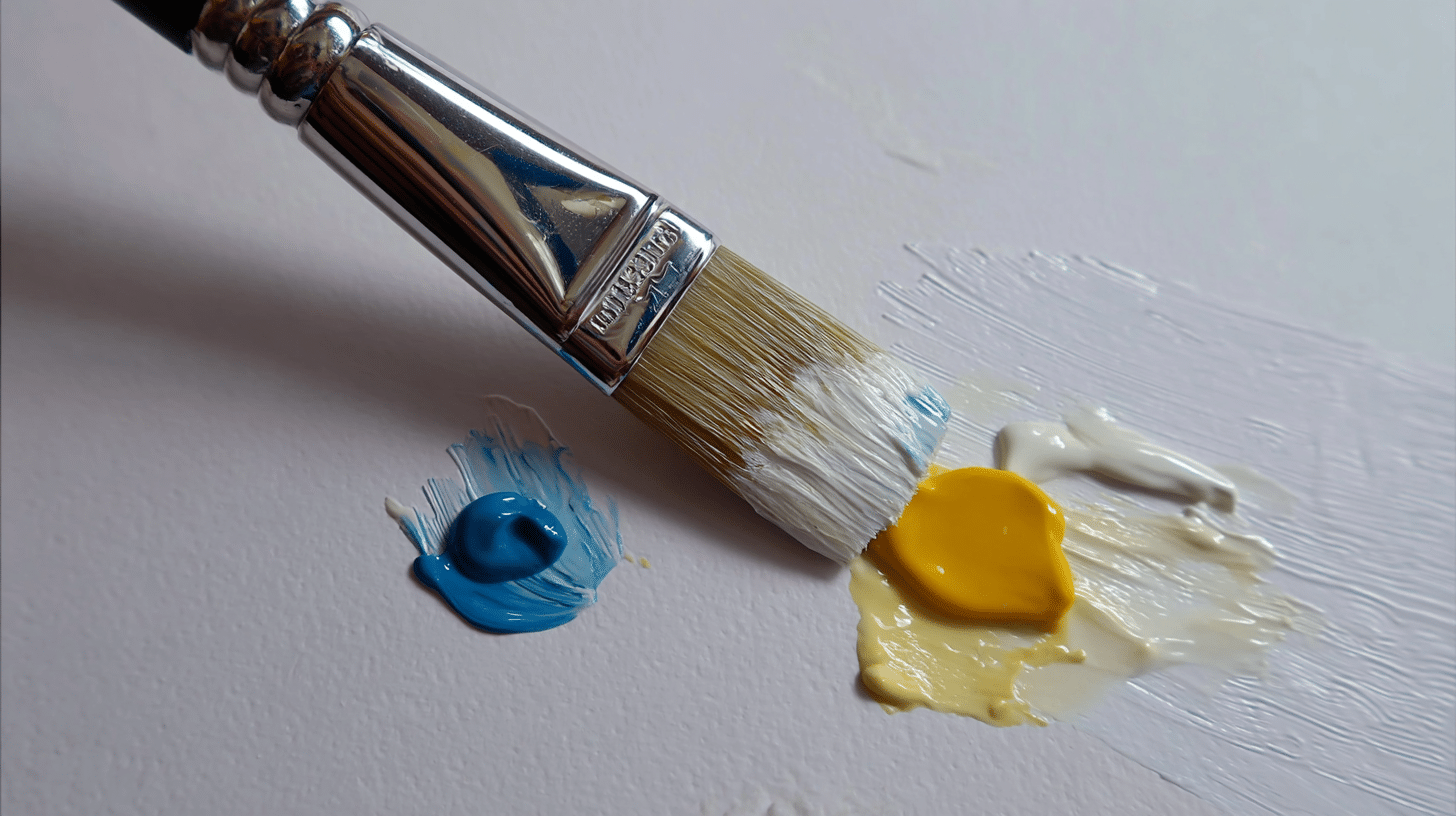
Use your palette knife or brush to slowly mix the yellow and blue together.
Blend them in small, circular motions until the color becomes smooth and even. Take your time here; rushing can leave streaks or uneven tones.
This step helps you see the true shade of green you have made, so make sure everything is well combined before adjusting the color further.
Step 3: Adjust to Taste
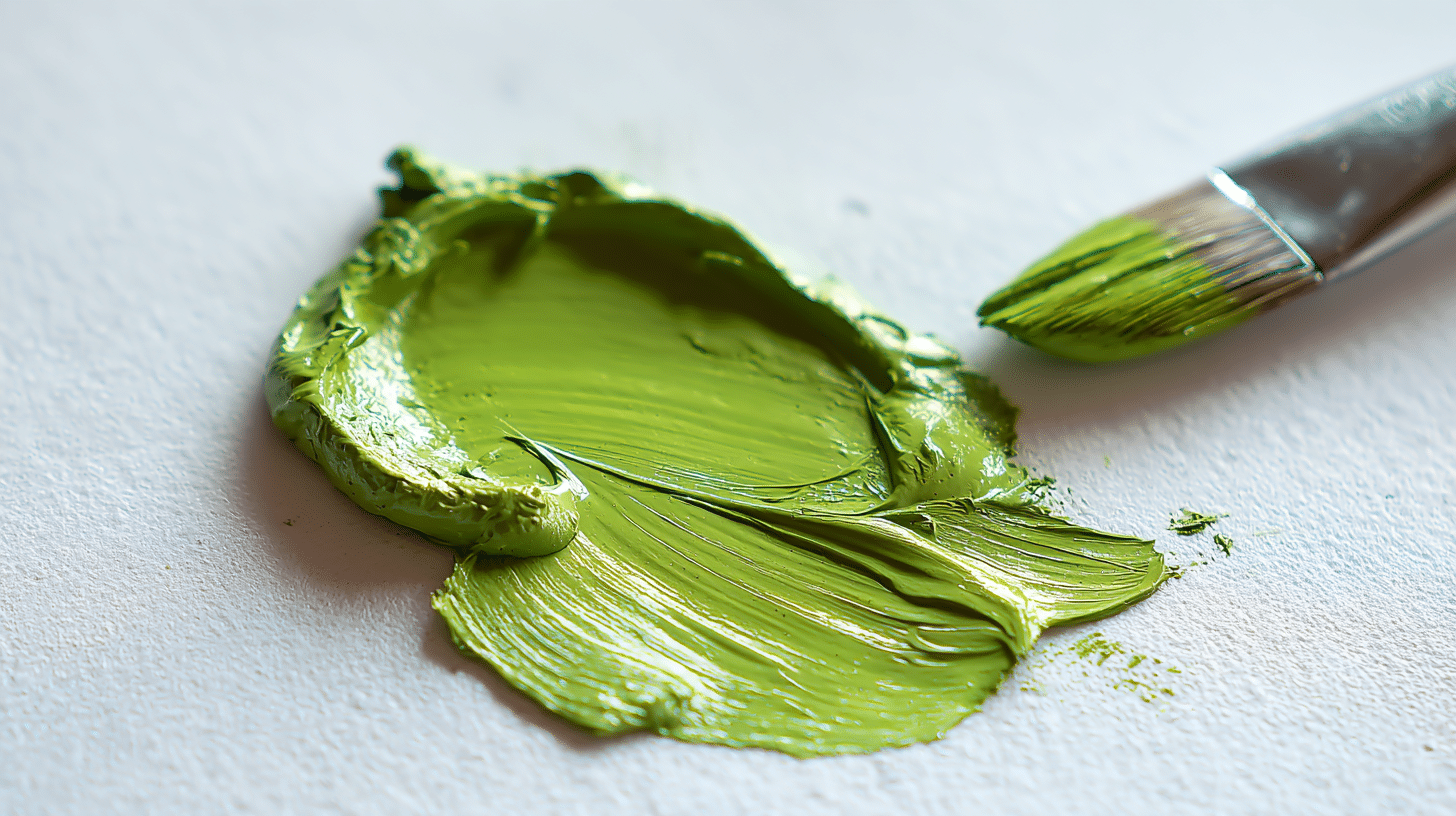
Now it’s time to tweak your green to get the exact shade you want. If the color looks too dark or blue-heavy, add a bit more yellow.
And, if it’s too light or warm, mix in a little more blue.
Want a softer, lighter green? Add a touch of white.
For a deeper or more muted tone, try adding a small amount of black, brown, or even a hint of red or purple.
- Too Blue? Add more yellow, a little at a time
- Too Yellow? Add more blue, but go slowly
- Want It Brighter? Try using more vibrant versions of your base colors
- Want It More Muted? Add a tiny bit of the complementary color (red) or some gray
How to Make Dark Green Shade?
To create a darker green, you have two simple methods.
- First, the blue route: Start with your basic green and slowly mix in more blue, ultramarine, or prussian blue work well. Keep adjusting until you get the depth you’re aiming for.
- Second, try the subtle Shadow technique: Begin with your base green and add just a tiny bit of black, seriously, a little goes a long way. Mix well and see how it looks. For a more refined dark green, consider adding a subtle touch of red or purple instead of black to create richer, more natural-looking shadows.
Recipe Examples
- Forest Green: Basic green + extra prussian blue + tiny touch of black
- Olive Green: Basic green + yellow ochre + a small amount of black or red
- Emerald Green: Lemon yellow + phthalo blue + white + a tiny bit of black for depth
Advanced Tips and Creative Variations You Can Try
- For landscapes, add brown for earthy greens, gray for realistic foliage, or a touch of purple for shadowy, cooler tones.
- In portraits, use muted greens for backgrounds, tone down brightness with red, and choose warm or cool greens to match skin tones.
- With acrylics, work quickly as they dry fast. Use a spray bottle to keep paint wet, and expect colors to dry slightly darker.
- With oils, enjoy longer working time and rich blending. Colors stay true as they dry, but cleanup needs solvents.
- With watercolors, layer to build intensity. Start light, and remember the paper color affects how greens look when dry.
Final Thoughts
See? Making green paint is easy!
With just yellow and blue, you can mix all kinds of greens.
Start small, mix slowly, and try different combos to see what works best.
Once you get the hang of it, you won’t need to buy pre-mixed greens again.
Now it’s your turn, grab your paints and start experimenting!
Share your favorite green mix or painting tip in the comments.