


Christmas is a time full of magic, traditions, and joy. But did you know that many of the holiday customs we love today have deep, surprising histories?
From the twinkling lights on Christmas trees to the jolly old man in the red suit, every tradition has a story to tell. Some go back thousands of years, while others were created just a few generations ago.
Understanding the roots of these beloved practices makes the season even more special. Even if you’re a Christmas expert or just starting to learn about it, there’s always something new to find out about this festive time of year.
The Magic Behind Christmas Traditions
Christmas is much more than a single day of celebration. It is a rich tapestry of customs, stories, and symbols woven over centuries across cultures worldwide.
What may seem like simple holiday rituals, decorating trees and singing carols, each has fascinating origins and meanings that reveal how communities express joy and hope during the festive season.
Exploring these fun facts not only deepens appreciation for Christmas traditions but also uncovers surprising, heartwarming stories that unite people worldwide in the spirit of celebration.
You’re a longtime Christmas enthusiast or new to the holiday’s customs, there’s always something intriguing and delightful to learn about the magic of Christmas.
The Origins of Christmas
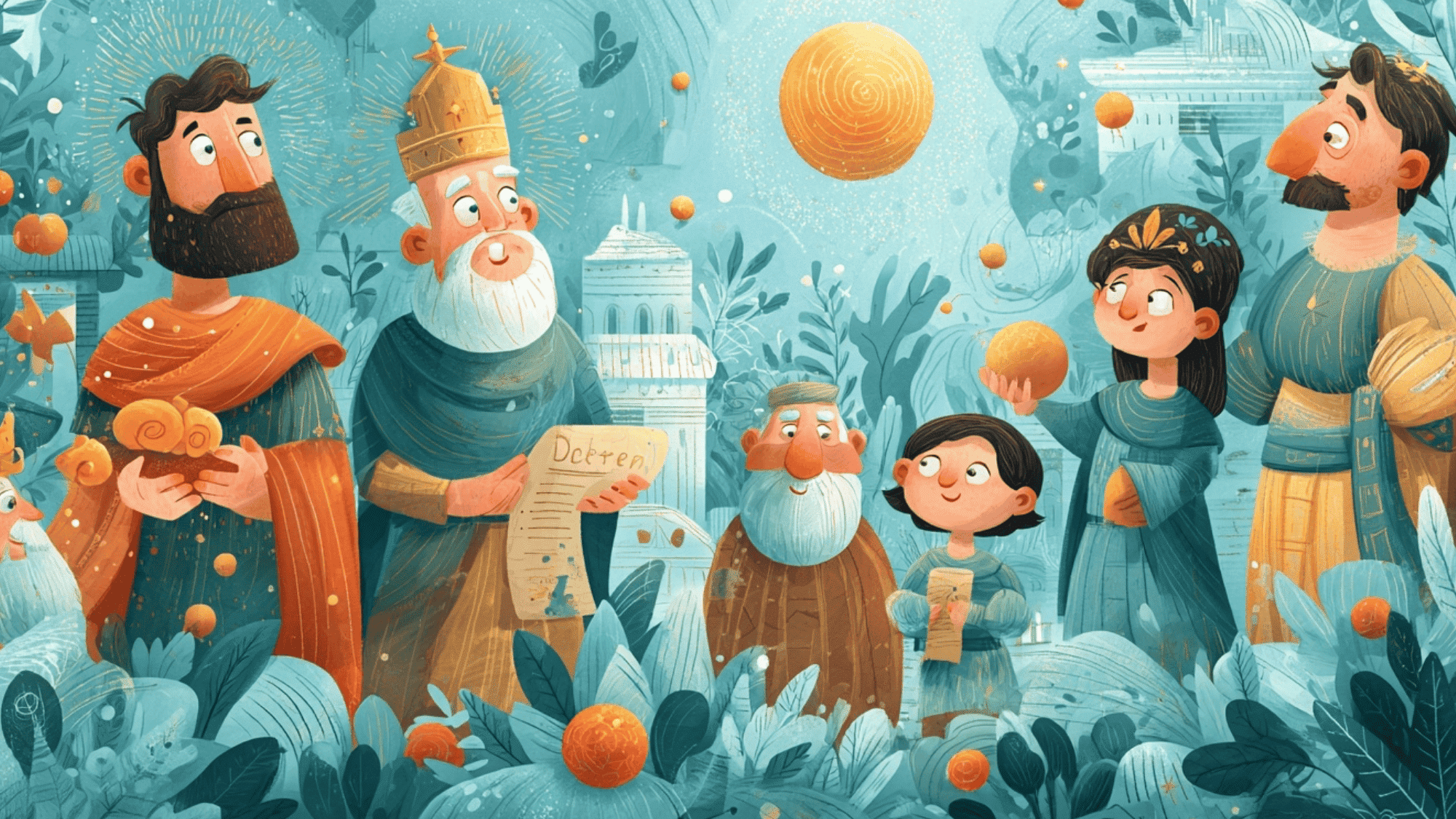
Christmas has evolved over centuries, shaped by ancient festivals, religious observances, and cultural influence. Many traditions we follow today grew from Roman festivities, early Christian practices, and medieval customs.
Understanding how Christmas began offers a deeper appreciation for the holiday’s rich history and the global influences that molded it into a celebration recognized worldwide.
1. Christmas was first officially celebrated on December 25 in 336 AD under Roman Emperor Constantine.
2. The date of Christmas was chosen to align with the Roman pagan festival Saturnalia.
3. “Xmas” isn’t disrespectful. “X” is the Greek letter Chi, meaning “Christ.”
4. The word “Christmas” comes from “Cristes Maesse,” Old English for “Mass of Christ.”
5. Early Christians debated if Jesus’ birthday should be celebrated at all.
6. Some historians believe Jesus was more likely born in the spring than in the winter.
7. The Puritans banned Christmas in England (1647–1660) and in Colonial America.
8. Christmas became a federal holiday in the U.S. in 1870.
9. n medieval times, Christmas celebrations lasted 12 days, inspiring “The 12 Days of Christmas.”
10. The first recorded Christmas celebration in America was in Florida in 1539 by Spanish explorers.
Christmas Trees & Decoration Traditions

The iconic Christmas tree and festive decorations have a long and colorful history rooted in European customs. Many decorations we use today began as symbolic elements representing hope, renewal, or prosperity.
Over time, different cultures contributed unique additions, shaping the modern décor traditions cherished during the holiday season around the world.
11. The modern Christmas tree tradition began in Germany in the 16th century.
12. Queen Victoria and Prince Albert popularized Christmas trees in England in 1848.
13. The first Christmas tree in the U.S. is credited to German settlers in Pennsylvania.
14. Real Christmas trees take 7–10 years to grow before being sold.
15. Artificial Christmas trees were first made in Germany from dyed goose feathers.
16. The world’s tallest cut Christmas tree reached 221 feet in Seattle in 1950.
17. Americans buy about 30 million real Christmas trees each year.
18. The most popular Christmas tree species is the Fraser Fir.
19. Tinsel was originally made from real silver in the 1600s.
20. Decorating trees with lights was started by Thomas Edison’s assistant, Edward Johnson.
21. The Rockefeller Center Christmas tree tradition began in 1931.
22. Christmas wreaths symbolize eternity, thanks to their circular shape.
23. Candy canes were invented to keep kids quiet during church services.
24. Red-and-white candy cane stripes came later; original candy canes were all white.
25. Christmas ornaments were inspired by fruit, especially apples.
26. In Ukraine, it’s a tradition to decorate trees with spider webs for good luck.
Santa Claus & North Pole Magic
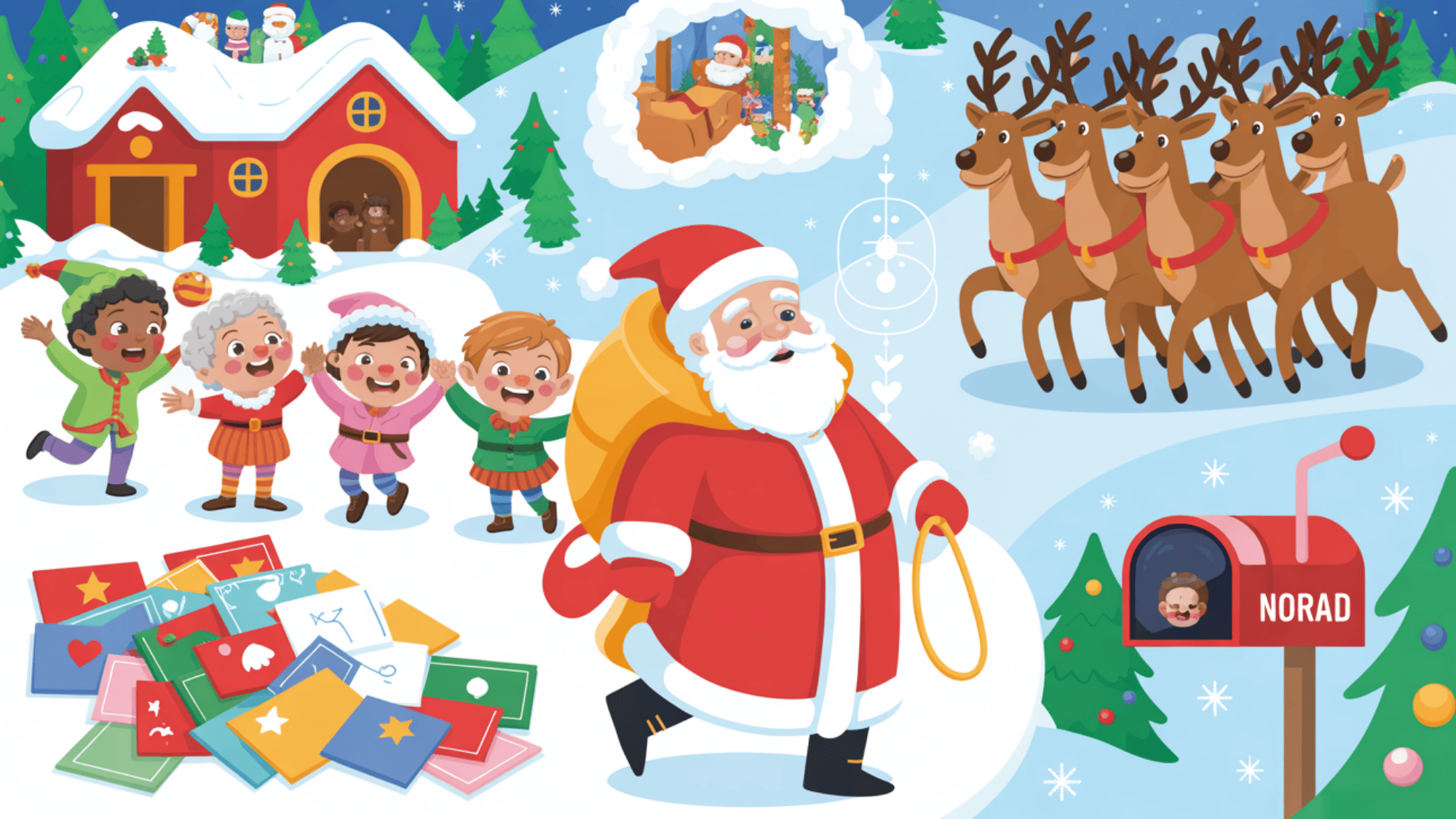
The legend of Santa Claus blends folklore, history, and imagination. Over centuries, Saint Nicholas evolved into the jolly figure associated with gift-giving, reindeer, and the North Pole.
Popular culture further shaped Santa’s appearance and traditions, giving us the familiar character celebrated by children and adults each Christmas Eve across the globe.
27. Santa Claus is based on Saint Nicholas, a 4th-century Greek bishop.
28. The Dutch brought “Sinterklaas” to America, inspiring “Santa Claus.”
29. The image of Santa in a red suit was popularized, not invented, by Coca-Cola in the 1930s.
30. Santa’s home was first described as the North Pole in the late 1800s.
31. Reindeer were likely chosen because they are native to the Arctic.
32. Rudolph was created in 1939 by a Montgomery Ward copywriter.
33. Santa’s sleigh would need to travel over 1,800 miles per second to deliver all gifts.
34. There are nine reindeer, including Rudolph, added last.
35. Blitzen and Donner’s names mean “lightning” and “thunder” in German.
36. Letters to Santa peak at over 500,000 per year in the U.S.
37. Canada gives Santa his own postal code: H0H 0H0.
38. NORAD tracks Santa due to a 1955 misprinted phone number in a newspaper.
Gift-Giving, Traditions & Holiday Customs
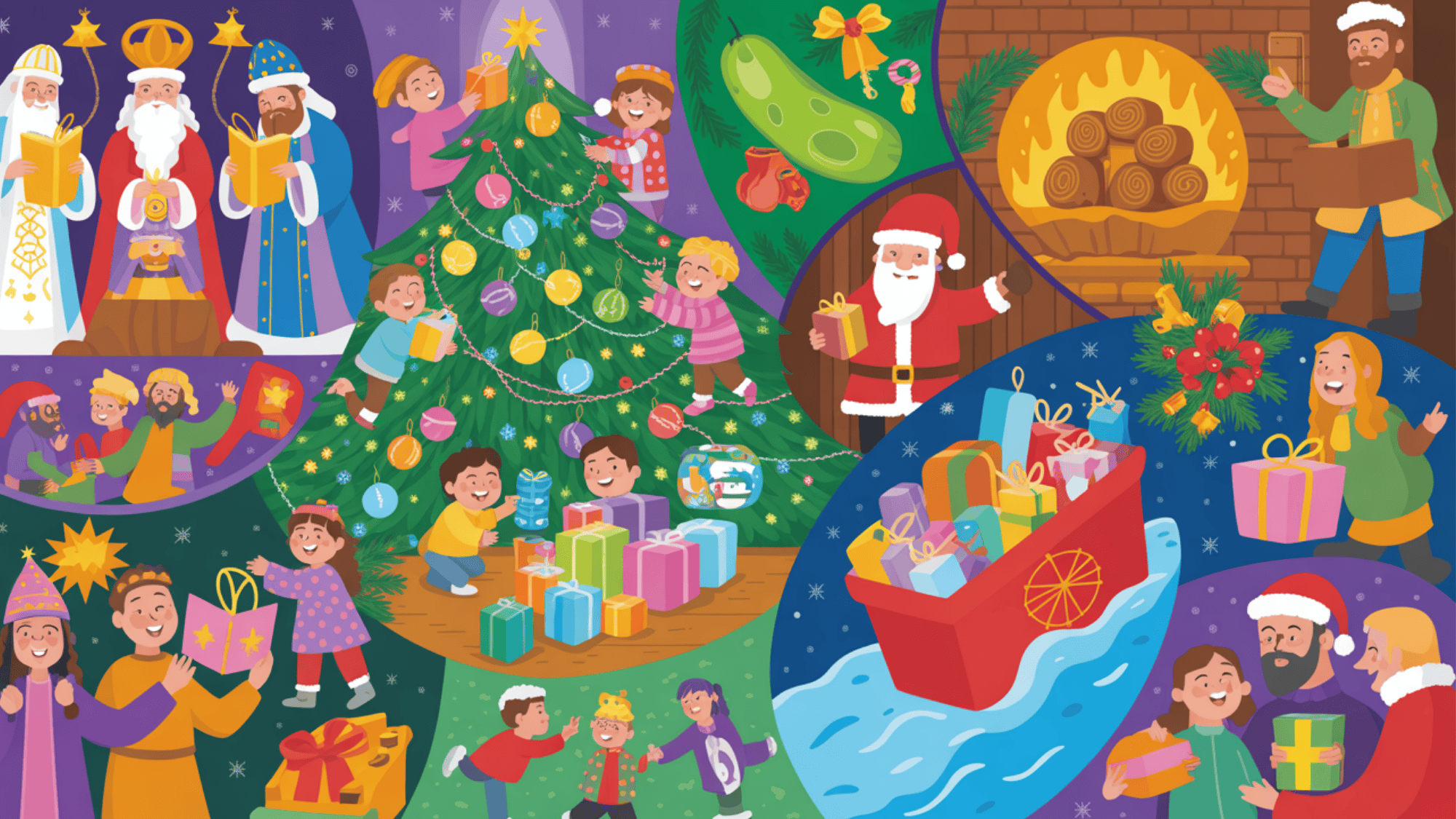
Gift-giving traditions trace back to ancient symbolism and religious stories. As Christmas spread across Europe and beyond, new customs emerged, stockings, cards, carols, and beloved practices that define modern celebrations.
These traditions reflect joy, generosity, and shared connection, shaping how families and communities celebrate Christmas today with meaningful rituals.
40. The tradition of gift-giving came from the Three Wise Men bringing gifts to Jesus.
41. Hanging stockings began when St. Nicholas tossed coins into drying socks.
42. The world’s largest Christmas stocking measured 168 feet long.
43. Christmas cards were invented in 1843 by Sir Henry Cole.
44. Over 1.5 billion Christmas cards are sent in the U.S. each year.
45. The most popular Christmas gift category is toys, especially LEGO.
46. Secret Santa originated from an anonymous gift giver in the 20th century.
47. The world’s largest Christmas gift was the Statue of Liberty, gifted by France.
48. “Jingle Bells” was originally written for Thanksgiving, not Christmas.
49. Caroling roots stem from medieval wassailing traditions.
50. The “Christmas pickle” tradition likely began as a marketing gimmick in the U.S.
51. Boxing Day (Dec 26) started as a day to give gifts to servants and the poor.
52. The Yule log tradition originates from ancient Norse celebrations.
Christmas Food & Drinks
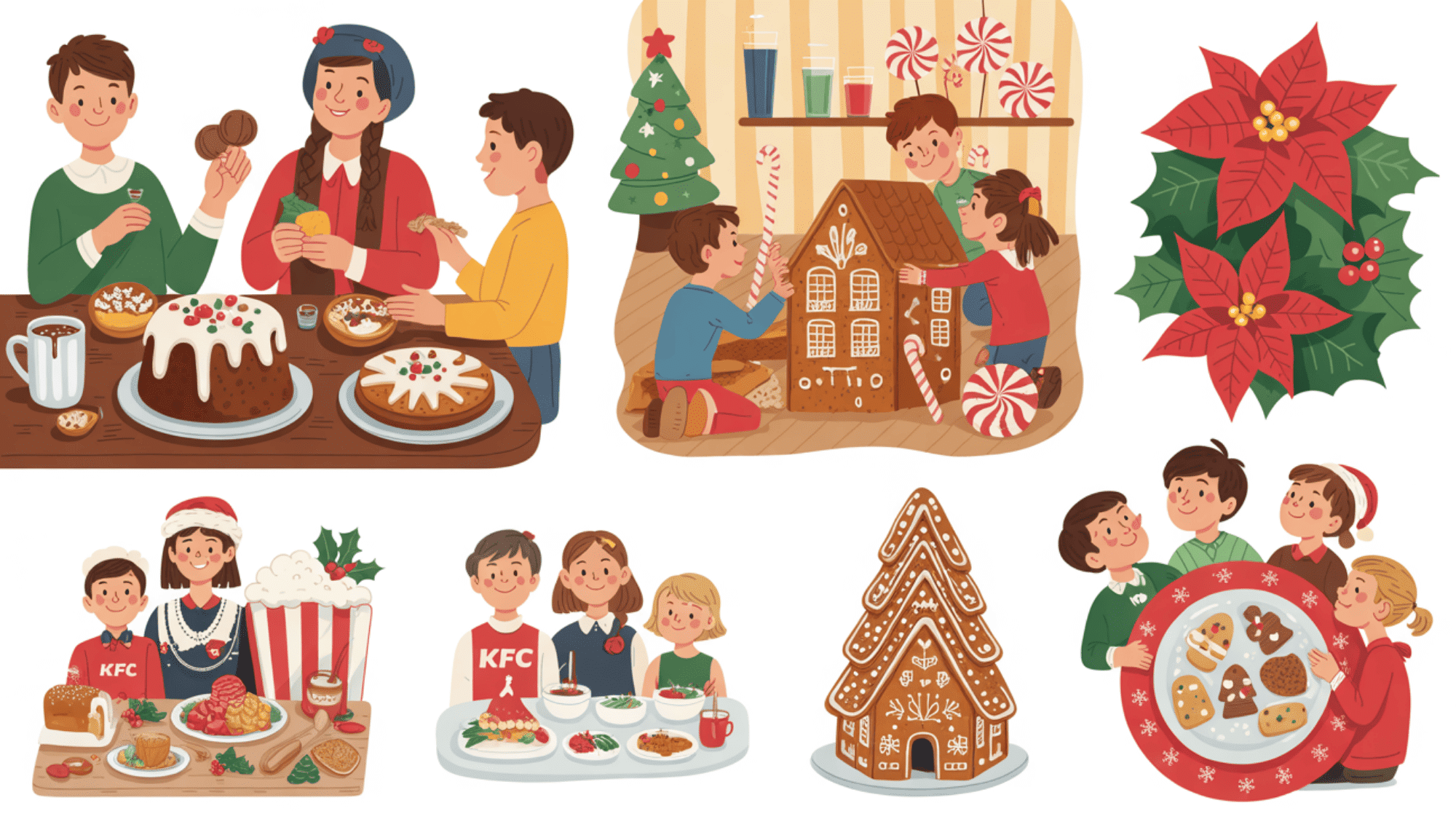
Festive foods are an essential part of holiday celebrations, each with deep cultural origins. Christmas cuisine varies across continents yet shares a common theme of warmth and indulgence.
These traditional dishes reflect regional heritage and centuries-old customs that bring families together around the holiday table.
53. Eggnog dates back to medieval England.
54. Fruitcake can last for years due to its high sugar and alcohol content.
55. Mince pies originally contained actual meat.
56. The average American eats over 7 pounds of turkey during the Christmas season.
57. Gingerbread houses started in Germany in the 16th century.
58. “Figgy pudding” rarely contains figs today.
59. Peppermint is the number one Christmas flavor.
60. Starbucks sells over 100 million holiday drinks yearly.
61. Poinsettias are named after the U.S. ambassador to Mexico, Joel Poinsett.
62. KFC is the traditional Christmas dinner in Japan.
63. In Sweden, Christmas dinner includes a smorgasbord, or “julbord.”
64. The biggest gingerbread house ever built was 21 feet tall.
65. Germany consumes the most Christmas cookies per capita.
Christmas Around the World
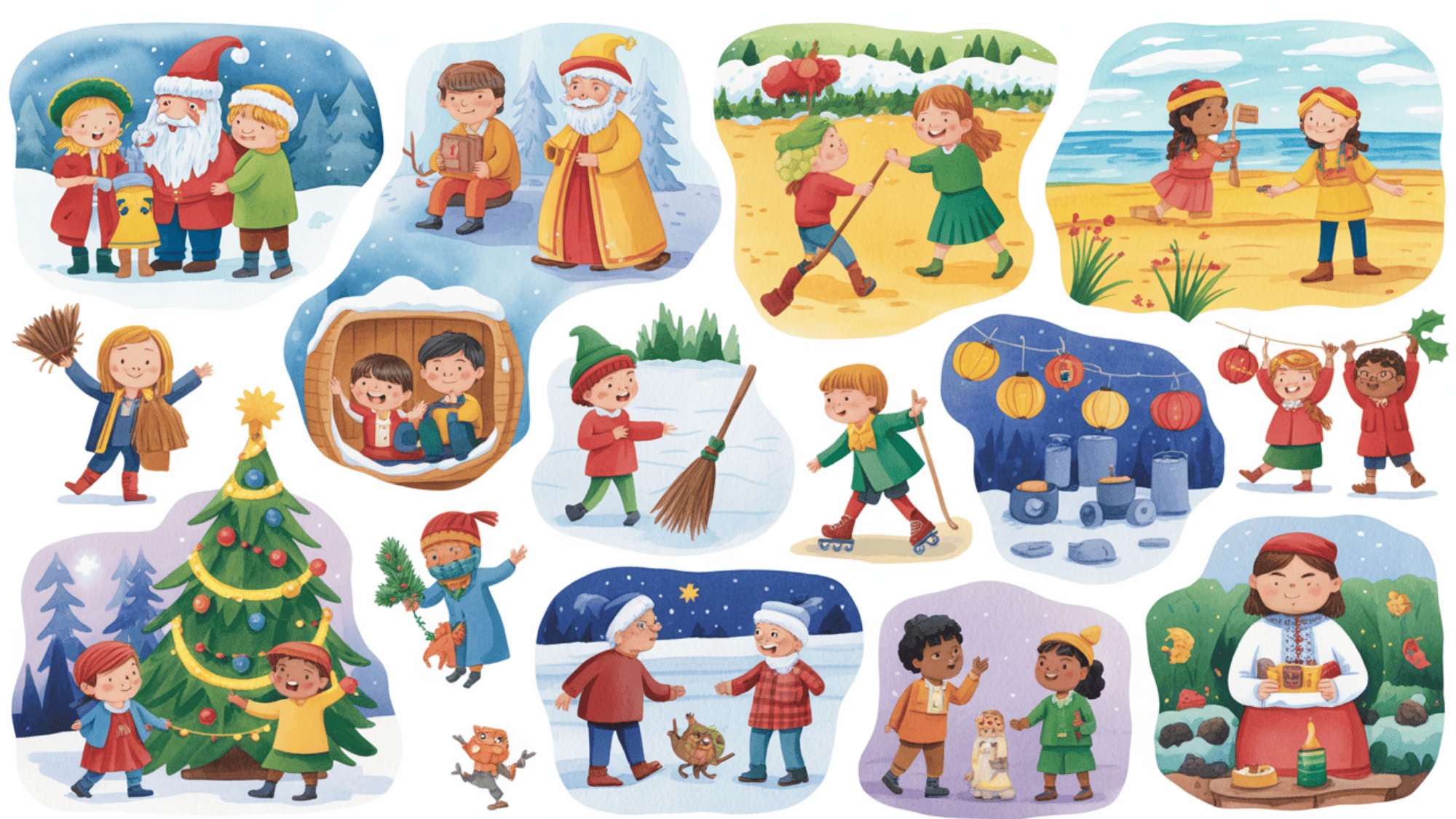
Christmas is celebrated globally with traditions that reflect local culture, folklore, and seasonal climate. Others highlight community events, parades, or religious ceremonies.
These celebrations showcase how Christmas has been embraced, adapted, and enjoyed in unique ways across diverse nations and cultures throughout history.
66. In Iceland, kids get visits from 13 Yule Lads instead of Santa.
67. In Spain, the biggest holiday celebration is the Three Kings Day parade.
68. Australia celebrates Christmas in summer, often with BBQs.
69. In Norway, people hide brooms to keep away Christmas witches.
70. In Mexico, families celebrate Las Posadas for nine days.
71. The Philippines holds the longest Christmas season, from September to January.
72. In Italy, a friendly witch named La Befana delivers gifts.
73. In Finland, families visit saunas on Christmas Eve.
74. In Venezuela, people roller-skate to early-morning Christmas mass.
75. In Ukraine, Christmas is often celebrated on January 7.
76. In Greece, Christmas goblins called Kallikantzaroi cause mischief.
77. In Poland, Christmas Eve dinner begins when the first star appears.
78. In Ethiopia, Christmas is celebrated on January 7 and is called Ganna.
79. South Africans eat fried caterpillars as a Christmas delicacy.
Christmas Movies & Pop Culture
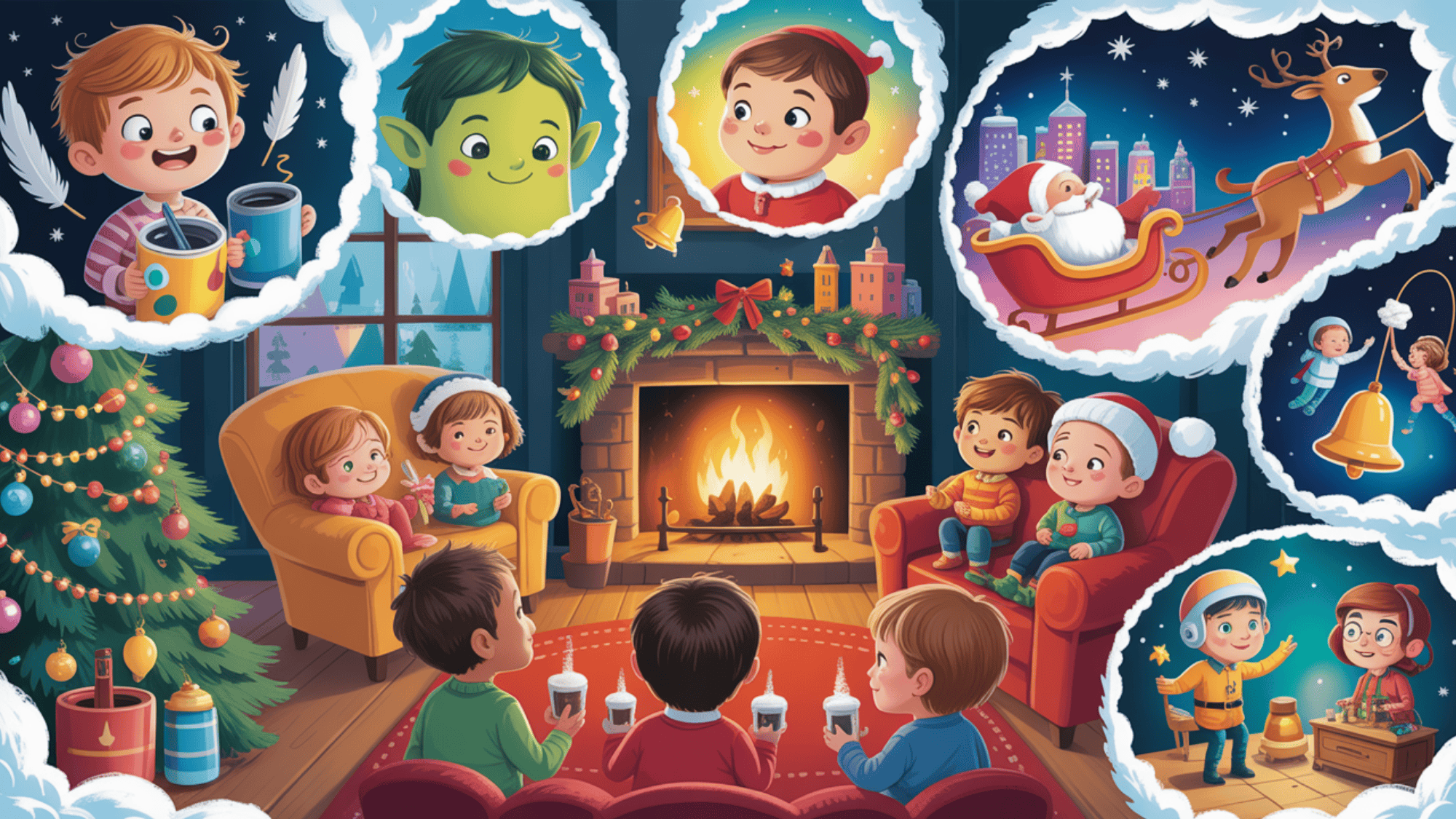
Christmas entertainment has shaped holiday nostalgia for generations. From classics to modern favorites, films and music help define the season’s emotions and traditions.
These cultural staples blend creativity, storytelling, and festive joy, offering heartwarming memories and surprising behind-the-scenes stories that continue to capture the imagination of audiences worldwide.
80. “Home Alone” was the highest-grossing Christmas movie for 30 years.
81. “Jingle Bells” was the first Christmas song broadcast from space.
82. Mariah Carey earns over $3 million annually from “All I Want for Christmas Is You.”
83. “The Grinch” was inspired by Dr. Seuss’s own grumpy reflection in the mirror.
84. The movie “Elf” used forced perspective, not CGI, for size differences.
85. The snow in “It’s a Wonderful Life” was made from foam, not cornflakes.
86. Rudolph almost had a different name, Reginald.
87. “A Christmas Story” was filmed in just 3 months.
88. The character Kevin (Home Alone) used a real tarantula in filming.
89. “The Nightmare Before Christmas” took over 3 years to film.
90. The term “White Christmas” became globally known after Bing Crosby’s hit song.
Weird, Wacky & Wonderful Christmas Trivia
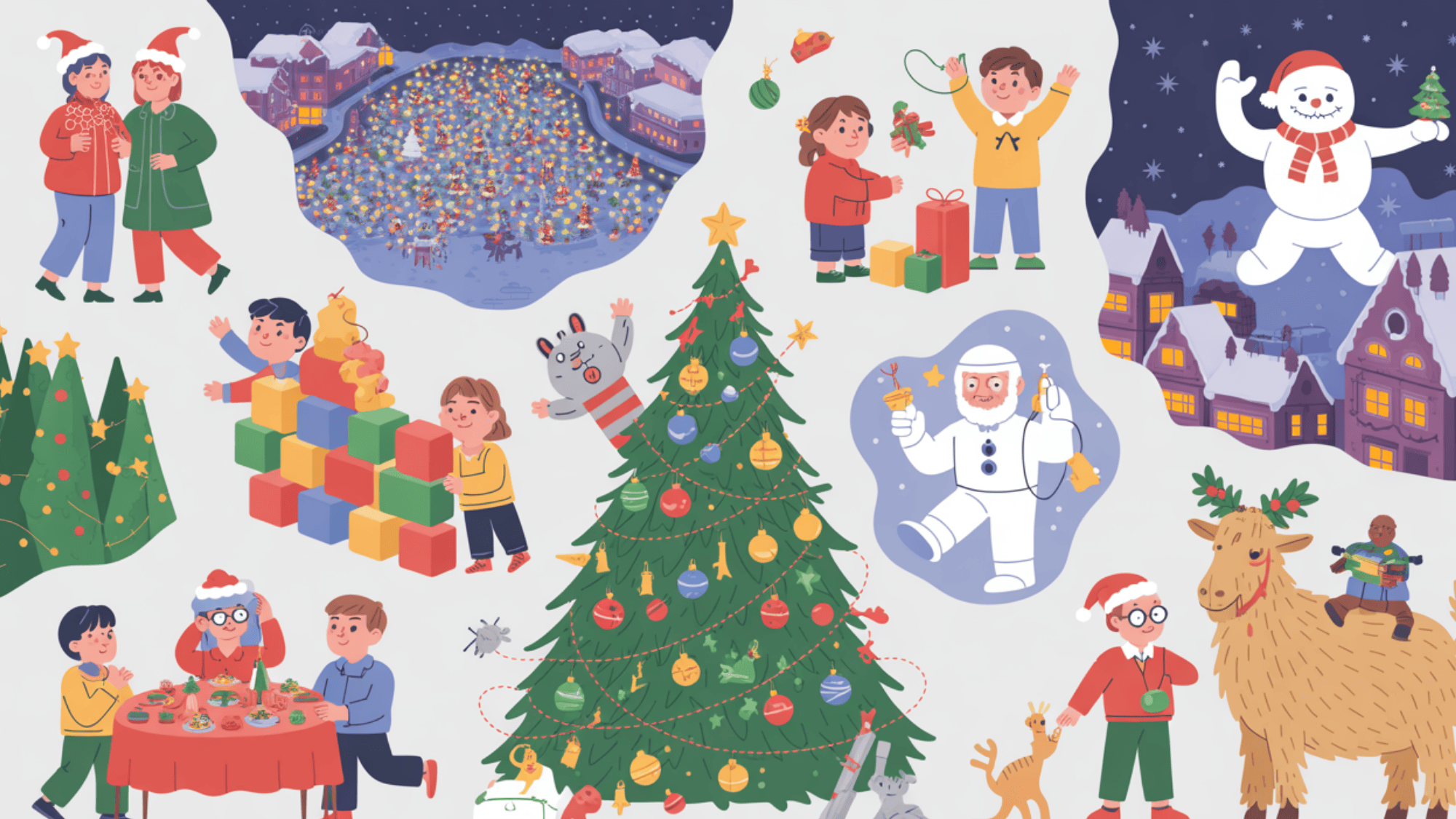
Christmas is filled with amusing, strange, and extraordinary facts that highlight the holiday’s playful side. Many of these unusual traditions and historical tidbits reveal how imaginative and diverse Christmas customs can be.
These intriguing details add entertainment and surprise, making them perfect conversation starters during festive gatherings.
91. In Japan, Christmas Eve is considered a romantic holiday, similar to Valentine’s Day.
92. The world’s largest Christmas light display has over 3 million lights.
93. The tallest snowman ever built in Maine measured 122 feet.
94. LEGO produces over 28 sets per second during the Christmas season.
95. Some zoos give animals wrapped Christmas presents for enrichment.
96. The abbreviation “NOEL” comes from the French word for Christmas.
97. The world’s most expensive Christmas tree was valued at $11 million.
98. In Oklahoma, Christmas was illegal until 1907.
99. Icelandic tradition says a giant Yule Cat eats people who don’t have new clothes.
100. Santa has flown in space, and the Apollo 8 crew played Christmas music in orbit.
101. In Estonia, Santa is called Jõuluvana, meaning “Old Man Yule.”
102. In Germany, children leave shoes out for St. Nicholas Day on Dec 6.
103. Some Italians celebrate Christmas twice Dec 25 and Jan 6.
104. In Greece, people burn old shoes at Christmas for good luck.
105. The most expensive Christmas dinner cost $155,000.
106. Sweden’s famous Gävle Goat is burned down almost every year by pranksters.
107. Scientists believe Christmas lights noticeably increase global energy usage every December.
Final Thoughts
Christmas is more than just a holiday; it’s a beautiful blend of history, tradition, and shared joy that brings people together across the globe.
If it’s decorating a tree, singing carols, or setting out cookies for Santa, every tradition has its own story that adds to the magic of the season.
These customs have been passed down for generations, adapting over time but always carrying the same message of love, hope, and celebration.
So, the next time you hang a stocking or share a festive meal, remember: you’re part of a long-standing tradition that connects us all.
Want to learn more about the stories behind the season? Keep enjoying the magic, and let Christmas fill your heart with wonder!